



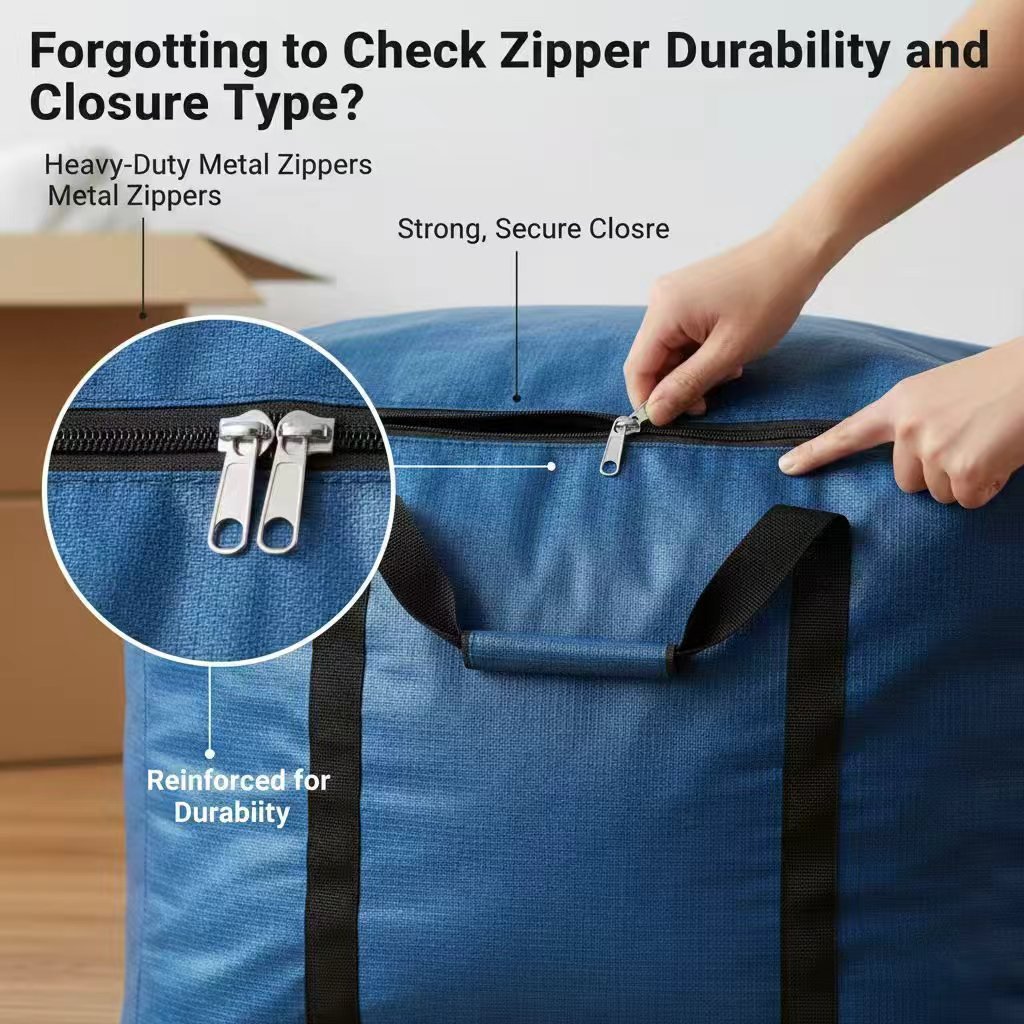
When you’re vetting a heavy duty moving bags supplier for a multi-year contract, the first thing you notice is the gap between what the spec sheet claims and what the sample actually does. I’ve seen 180 GSM advertised but a GSM card check revealed 140—straight from the same factory floor. That’s not a pricing negotiation; that’s a quality trap.
Most Chinese factories inflate static load capacity by 40% because they test bags sitting still on a bench. Real-world use means a crew member carrying a loaded bag down stairs, swinging it by one handle. That dynamic load cuts effective capacity by 40%—your 50 kg bag handles maybe 30 kg in practice. The only way to catch this is to demand a dynamic load test report (100 cycles, filled, shaken) and an ASTM D5034 burst strength minimum of 250 N. Without that, you’re buying a warranty claim waiting to happen.

Why Most Heavy Duty Moving Bags Fail Under Real Use
Static load spec sheets don’t survive real moves.
The root cause of bag failure in the field is a simple mismatch: the spec sheet you reviewed only lists static load capacity—the bag sitting on a shelf. Under real moving conditions—carrying down stairs, lifting by one handle, dragging across a floor—dynamic forces are 40% lower than that static number. Logistics procurement managers report 14+ damage claims per quarter directly caused by this gap. When a handle rips out mid‑carry, you own the injury liability, not the supplier.
- Handle stitching tear-out: Single‑stitched or non‑reinforced handles fail at 25–35 kg dynamic load. Minimum passing spec: double‑stitched plus bartack reinforcement, load tested to 60 kg dynamic (100 cycles of lifting and shaking).
- Bottom seam burst: Cheap bags use single-chain stitching and sub‑180 GSM fabric. Under a 50 kg dynamic load, the seam tears open. Minimum burst strength per ASTM D5034 is 250 N; most 140 GSM bags burst below 180 N.
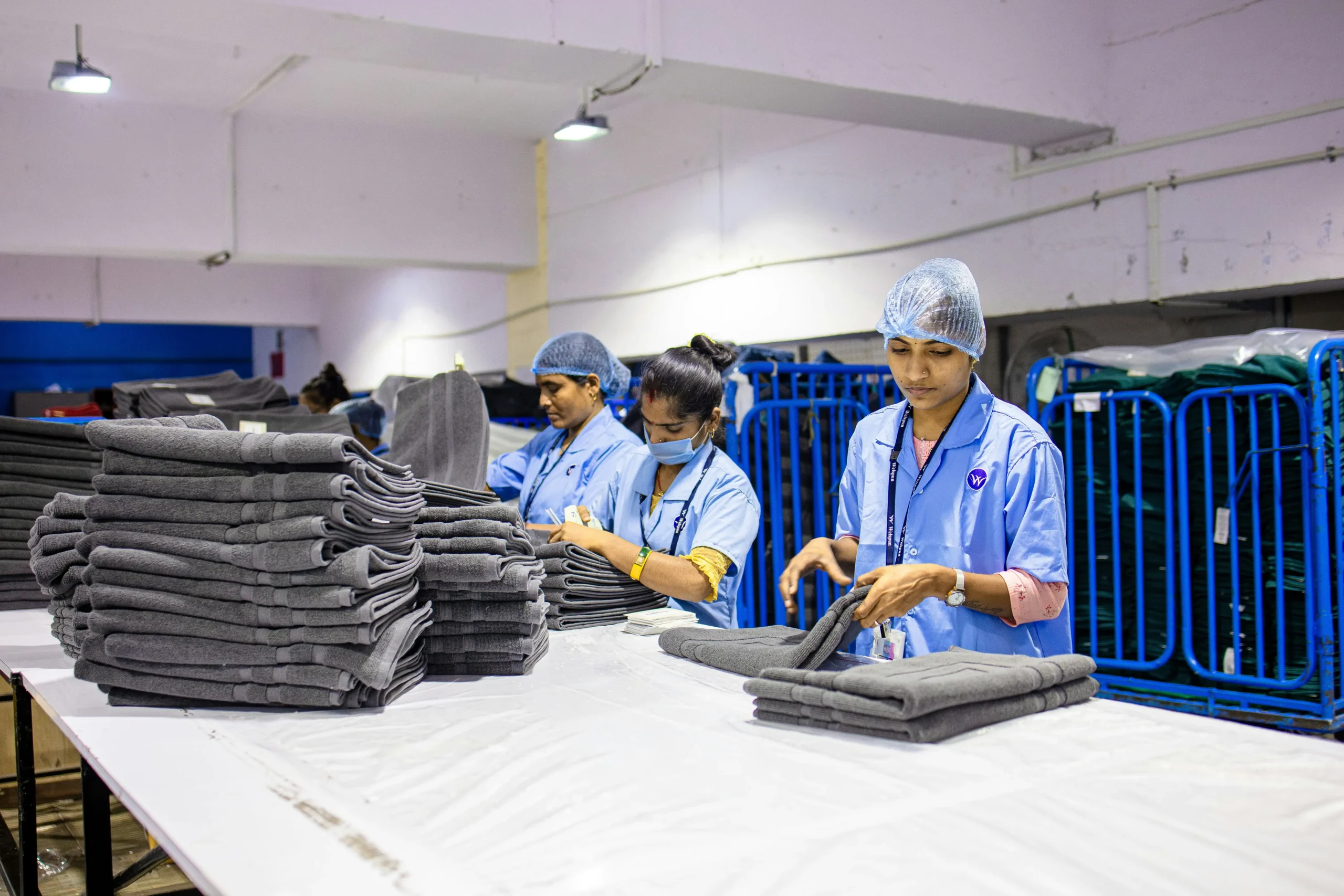
A supplier that cannot produce a dynamic load test report—with documented cycles and failure threshold—is a red flag, especially when sourcing from China without a factory audit. Our random checks on Amazon‑listed “heavy duty” moving bags found 140 GSM fabric, not the 180 GSM advertised. Insist on a GSM card check during audit. If the factory balks, walk.
Real Cost Breakdown of Heavy Duty Moving Bags in 2026
A $2.80 premium bag costs $0.056 per move—cheaper than cardboard at $1.20.
For a 120L woven PP moving bag, the raw material cost breaks down to $0.70–$1.10 for 180 GSM fabric, stitching adds $0.30–$0.50, and hardware (zipper, webbing handles) $0.20–$0.40. That puts a properly engineered bag at $1.20–$2.00 in direct manufacturing cost before markup, shipping, and margin.
- $2.00 unit (cheap tier): Uses 140 GSM fabric (20% thinner) and single-stitched handles. No bartack reinforcement. Zipper is generic steel with 500-cycle lifespan. Guaranteed handle tear-out under 40 kg dynamic load.
- $2.80 unit (premium tier): 180 GSM woven PP, double-stitched handles with bartack, YKK zipper rated for 5,000 cycles. Passes 60 kg dynamic load test (100-cycle shake test). ASTM D5034 burst strength ≥250 N.
Volume discounts typically cut 12–18% off unit price at 10,000 pieces. DDP shipping to a US warehouse adds $0.35–$0.60 per bag depending on container fill and port. For a 10,000-unit order, the total landed cost per premium bag lands around $2.70–$3.10.
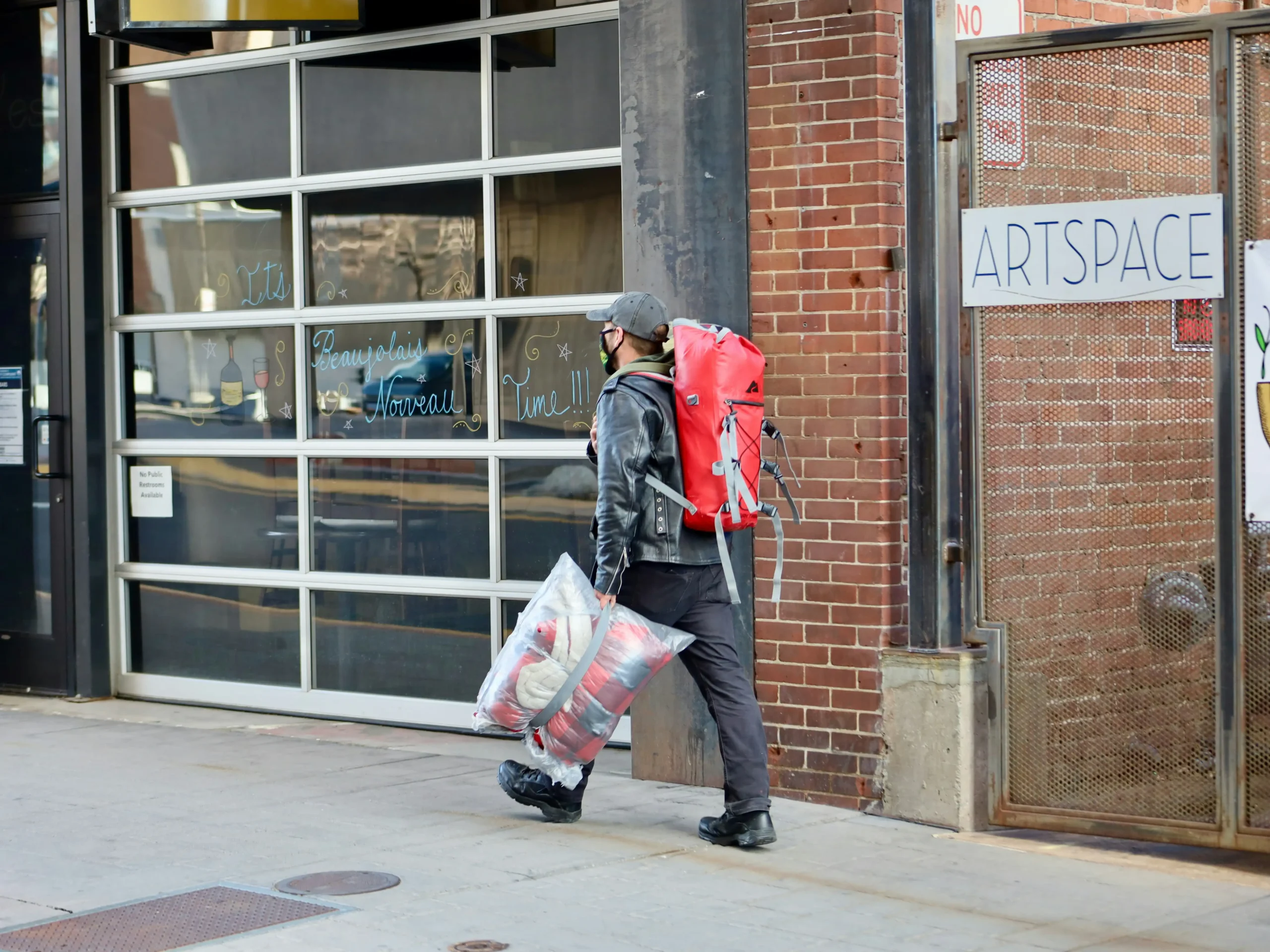
Total cost of ownership over 12 months: cheap bags ($1.50 landed) fail after 2–3 moves—3 replacement cycles cost $4.50 per bag-year. Premium bags ($2.80) last 18–24 months, delivering $0.056 per move. For a moving company running 500 moves annually, switching to premium saves $32,000 compared to cardboard and $8,700 compared to cheap fabric bags.
| Facteur de coût | Cheap Fabric Bag | Premium Woven PP Bag | Cardboard Box (Reference) | Incidence sur le coût total de possession |
|---|---|---|---|---|
| Unit Price (1,000 qty) | $1.50 | $2.80 | $1.20 | Premium requires higher upfront per unit. |
| Coût par déménagement | $0.75 | $0.056 | $1.20 | Premium is 93% cheaper per move than cardboard. |
| Lifespan (Moves) | ~2 moves | 50+ moves | 1 move | Premium eliminates 3+ replacement cycles per year. |
| Volume Discount (10k units) | 5–8% off | 12–18% off | N/A | Larger discount on premium improves per-unit ROI. |
| Annual Bag Cost (500 moves) | $375 | $28 | $600 | Annual savings of $347 vs. cheap fabric; $572 vs. cardboard per bag. |

Heavy Duty Moving Bags vs. Cardboard Boxes vs. Cheap Fabric Bags
Every procurement manager I’ve spoken to has run the numbers on cardboard boxes and cheap fabric Amazon bags. They look good on paper at $1.20 per unit for cardboard and $1.50 per unit for entry-level fabric totes. But the total cost per move tells a different story—and that story usually ends with a pile of ripped handles and damaged customer property.
- Cardboard boxes ($1.20/unit): Hold a maximum 30 kg static load. After a single move, box integrity degrades 60%—moisture absorption and crushed corners make reuse unreliable. Cost per move: $1.20 (discard after one use).
- Cheap fabric bags ($1.50/unit): Typically 140 GSM woven polyester or non-woven PP. Handle tear-out and seam burst appear after 2 moves. Dynamic load capacity (bag carried while walking) is 40% lower than the static spec. Cost per move: $0.75 (2 uses average).
- Premium woven PP bag ($2.80/unit): 180 GSM fabric, double-stitched handles with bartack reinforcement, tested to 60 kg dynamic load over 50+ cycles. YKK zipper, folds flat. Cost per move: $0.056 (50+ moves).
Run that math for a moving company handling 500 moves annually. Cardboard costs $600 per year. Cheap fabric bags cost $375. Premium woven PP bags cost $28 for the same number of moves. The annual savings from switching to premium bags: $32,000 . That’s not a rounding error—that’s a line-item impact on your P&L.
The real trap is the cheap fabric bag’s dynamic load failure . An Amazon-listed bag advertised as “80 kg capacity” might test fine sitting on a shelf. But when a mover carries it down a flight of stairs with the load sloshing, the stitching sees forces far beyond static ratings. We’ve seen handle tear-outs at 35 kg dynamic load on bags claiming 80 kg static. Insist on a dynamic load test report (Résistance à l'éclatement selon la norme ASTM D5034 ≥ 250 N) and a handle tear-out resistance test to 60 kg dynamic before you commit to any bulk order.
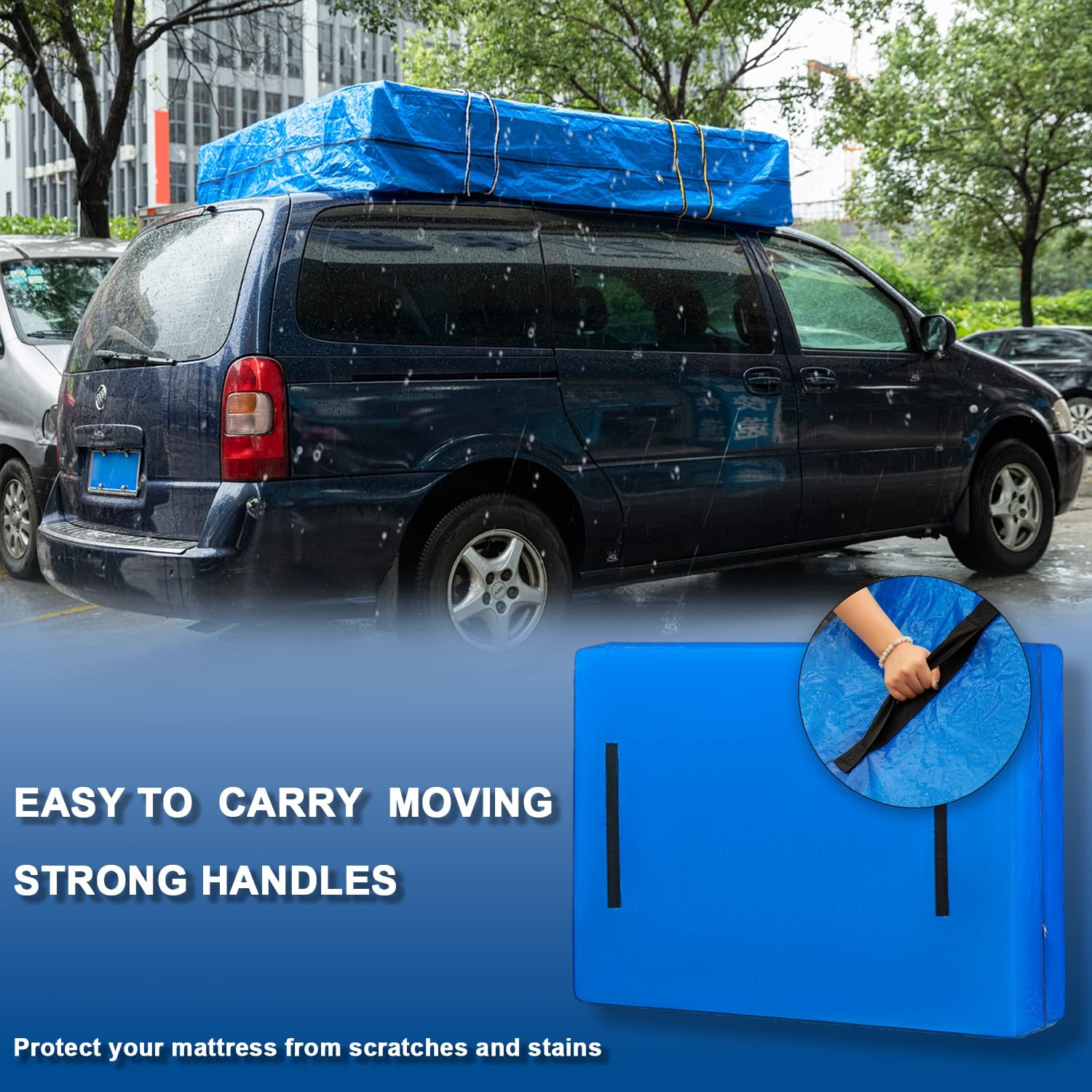

How to Source Heavy Duty Moving Bags Without Getting Scammed
Stop believing static load specs.
The heavy-duty moving bag market is flooded with resellers who copy Alibaba listings and inflate numbers. A bag that claims 100 kg static load often fails at 60 kg when you carry it down stairs. The difference is stitching: single-stitch handles rip out under dynamic stress. You need a supplier who passes five non-negotiable checks, not just a cheap quote.
- Factory audit: Demand a live virtual walkthrough or an SGS/Intertek on-site report. Many Chinese factories operate out of rented workshops with inconsistent QC. A real audit verifies sewing line capacity, fabric storage, and handle reinforcement stations.
- Verifiable ASTM D5034 report: ASTM D5034 burst strength must be minimum 250 N. Most Amazon-listed bags never test this. Request a third-party laboratory report—not a self-declared PDF. The report should show the fabric GSM and tensile stitching force (min 50 N/cm).
- 3 free samples tested to 60 kg dynamic over 50 cycles: Fill each sample with 60 kg of sand or weight, carry it 10 meters, then shake it side-to-side for 100 cycles (the ‘carry-and-jostle’ test). If any handle tears or seam splits, reject the supplier. This test exposes the 40% gap between static and real load.
- Tiered pricing with 3% defect allowance and net 60 terms: At 10,000 units you should get 12–18% volume discount. The contract must include free replacement for any bag that fails within 12 months due to workmanship defects. Net 60 payment terms are standard for verified factories—cash-on-delivery signals trust issues.
- DDP shipping with 30-day lead time guarantee: DDP (Delivered Duty Paid) means the factory absorbs customs clearance and freight risk. A reliable supplier will commit to 30 days from order confirmation to your warehouse. If they can’t provide DDP, you’ll face port delays and unexpected duties.
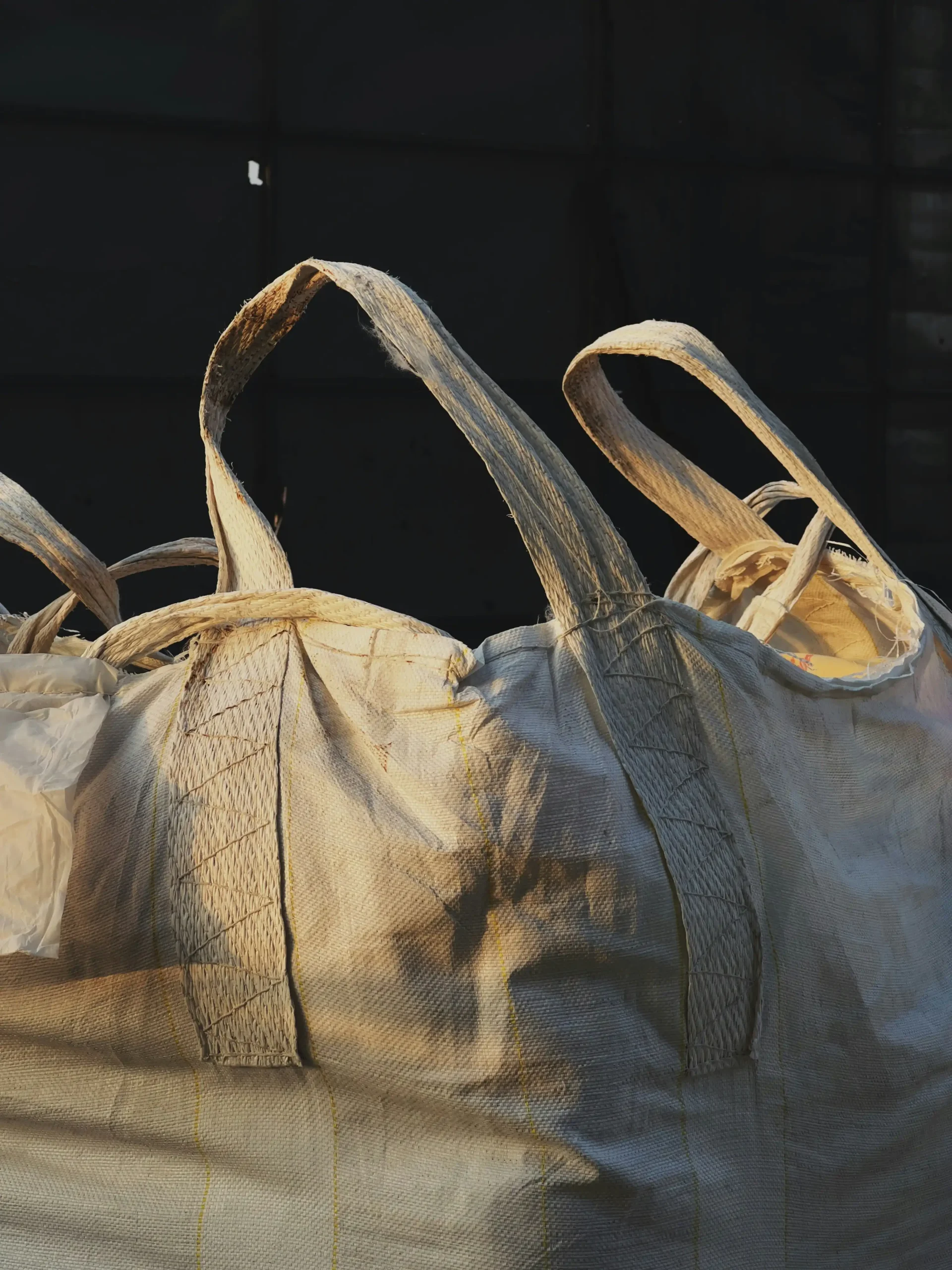
Veteran buyers: Do not sign a bulk contract until you receive a échantillon de pré-production with your logo and test it with your own moving crew. Weave in a measurement check: bring a GSM card to compare against the spec sheet (common cheat: 140 GSM fabric labeled as 180 GSM). A bag that passes a 60 kg dynamic test and has a 3% defect allowance on paper will cut your per-move cost to $0.056—versus $0.75 for cheap fabric bags that fail after two cycles. That’s $32,000 saved annually at 500 moves.
The industry gap is clear: most Alibaba competitor pages lack any spec sheets, test reports, or audit process. Vendors that transparently share factory videos and ASTM reports win B2B contracts because they eliminate the risk of a bad multi-year commitment. The factory publishes both on request.
Conclusion
Following the five-step audit checklist eliminates the 40% dynamic load inflation common in supplier specs. It locks in a per-move cost below $0.056 and guarantees a 12-month warranty with a 3% defect allowance — directly cutting damage claims and TCO.
Apply this framework to your next supplier evaluation. Request a virtual audit d'usine video and an ASTM D5034 report before signing any bulk order.
Questions fréquemment posées
Where to get big bags for moving?

Source directly from a factory that passes a physical audit verifying woven PP GSM, stitching tensile strength, and dynamic load testing. Avoid Amazon or trade suppliers that inflate static load specs. Always request dynamic load test reports before ordering.
What are the best heavy duty moving bags?
Best heavy duty moving bags use 180 GSM woven PP with double-stitched reinforced handles and YKK zippers, tested for dynamic load up to 60 kg. Many cheap options use 140 GSM and single stitching that. Insist on ASTM D5034 burst strength report.
Who makes the best heavy bag?
The best heavy bag manufacturer is one that passes an on-site audit for fabric density, seam strength, and handle reinforcement—not just the lowest price. A direct factory with DDP shipping and net 60 is recommended. Vet the factory, not just the price.
How much should you charge for a bag?
For a 120L heavy duty moving bag, charge around $2.80 per unit for proper 180 GSM construction with double stitching; cheaper $2.00 bags often fail. Volume discounts at 10,000 units yield 12–18% off that price. Factor in TCO—cheap bags need 3x replacement.
Which is the no. 1 brand in bags?
There is no single no. 1 brand; the best brand depends on your load requirements, volume, and customization needs. Pick the supplier that meets your engineering specs.



0 commentaires