



Refurbishing and Reselling Returned Tote Bags: A Logistics Workflow
A returned tote bag is not automatically a write-off. A bag returned from a customer or a retail store can often be refurbished and resold, turning a loss into usable stock. But that only works if you have a clear workflow. This guide covers the logistics of refurbishing a returned tote bag — inspect, clean, repair, and re-shelve — so a return becomes resellable rather than a cost.
TIO is a reusable bag and moving bag manufacturer that supplies retail and logistics buyers, and its moving bag range is durable enough to be reused. Reuse is why bag reuse is a real supply-chain saving.
Step 1: Sort the Returns
Not every return is worth refurbishing. Sort them on arrival: a bag with a small stain or a loose seam can be fixed; a torn or heavily damaged bag cannot. Sorting at the door keeps the refurbishing line lean. A bag with a common, repairable defect should go to the fix queue, while a damaged one goes to disposal or recycling.
Step 2: Inspect the Bag
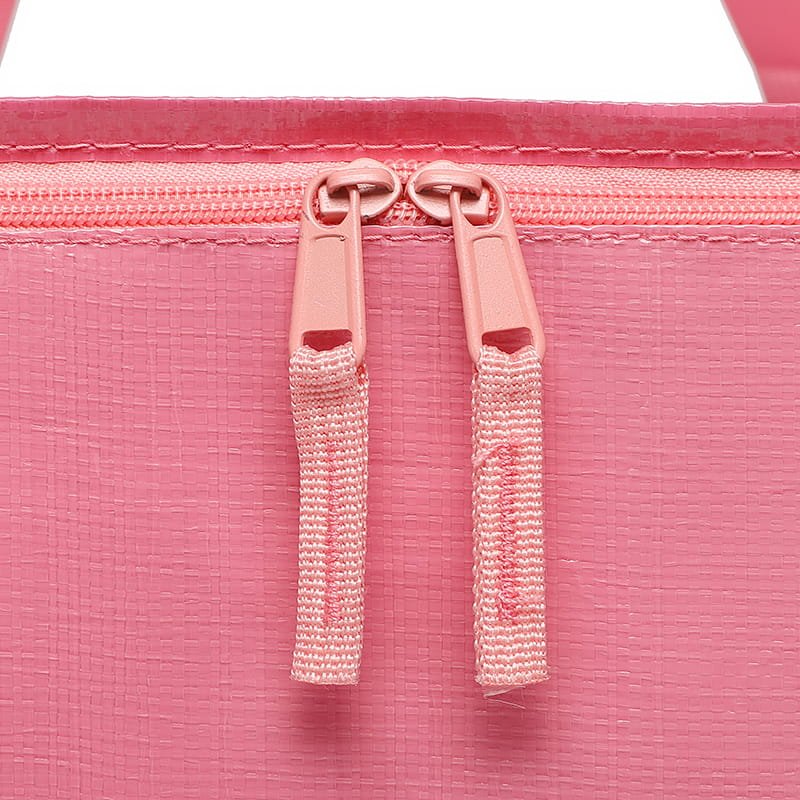
Inspect each bag for the defects that matter: a torn seam, a loose handle, a stuck zipper, or a worn fabric. Use a checklist so the inspection is consistent. This is the same quality logic as a return-reduction test. Catching a defect early keeps a bad bag off the sale floor.
To source reusable or moving bags for your program, start with the product range page.
Step 3: Clean and Repair
Clean the bag — most fabric bags wipe down or wash — and repair the specific defect. A loose seam can be re-stitched; a handle can be reinforced. A targeted repair is far cheaper than a new bag. The repair standards are the same as reuse economics: reuse beats replace if the repair is small.
Step 4: Re-shelve as Resellable Stock
Once a bag is cleaned and repaired, it is resellable stock — often at a reduced price as a returns unit, or as a standard product if the repair is invisible. Track the refurbished units separately so the inventory is honest. The sustainability story aligns with the EPA waste-prevention principle: a refurbished bag keeps a product in use instead of in a landfill.


See also: supply chain waste reduction bag reuse.
See also: heavy duty bags for ecommerce returns.
See also: how a retail chain cut tote returns.
Questions courantes
Is it worth refurbishing a returned tote bag?
Often yes. A bag with a small, repairable defect can be fixed cheaply and resold, turning a loss into stock. A heavily torn or damaged bag is not worth it. Sort the returns so only repairable bags go to the fix line.
What defects can be repaired on a returned tote bag?
Loose seams can be re-stitched, handles reinforced, and a stuck zipper cleaned or replaced. Small stains can be washed out. A torn fabric or a broken zipper track is usually a write-off. Match the repair to what the bag can sustain.

0 commentaires