



An LCL vs FCL decision for bag imports comes down to one calculation: your carton volume in cubic meters. Get that number wrong and you either overpay for an empty container or rack up CFS surcharges that double your per-unit freight. The break-even point for most bag orders sits between 6 and 15 CBM, depending on your lane and all-in LCL rate. This guide breaks down the real costs, the hidden charges, and the formula that tells you exactly when to switch from consolidated to full-container shipping.
Comprendre port detention and demurrage charges is equally important for avoiding unexpected costs.
For TIIOCTI bag importers ordering from China, the difference between LCL and FCL can shift your landed cost per bag by 15 to 30 percent. A 5,000-bag order shipped LCL at 100 dollars per CBM all-in costs roughly 3,000 dollars in freight. The same order in a 20-foot FCL at 700 dollars costs less than a quarter of that. The math is not subtle once you see the full charge stack.
LCL all-in cost runs 80 to 120 dollars per CBM. FCL flat rate delivers 18 to 24 dollars per CBM. Break-even sits at 6 to 15 CBM depending on lane.
LCL vs FCL Core Differences
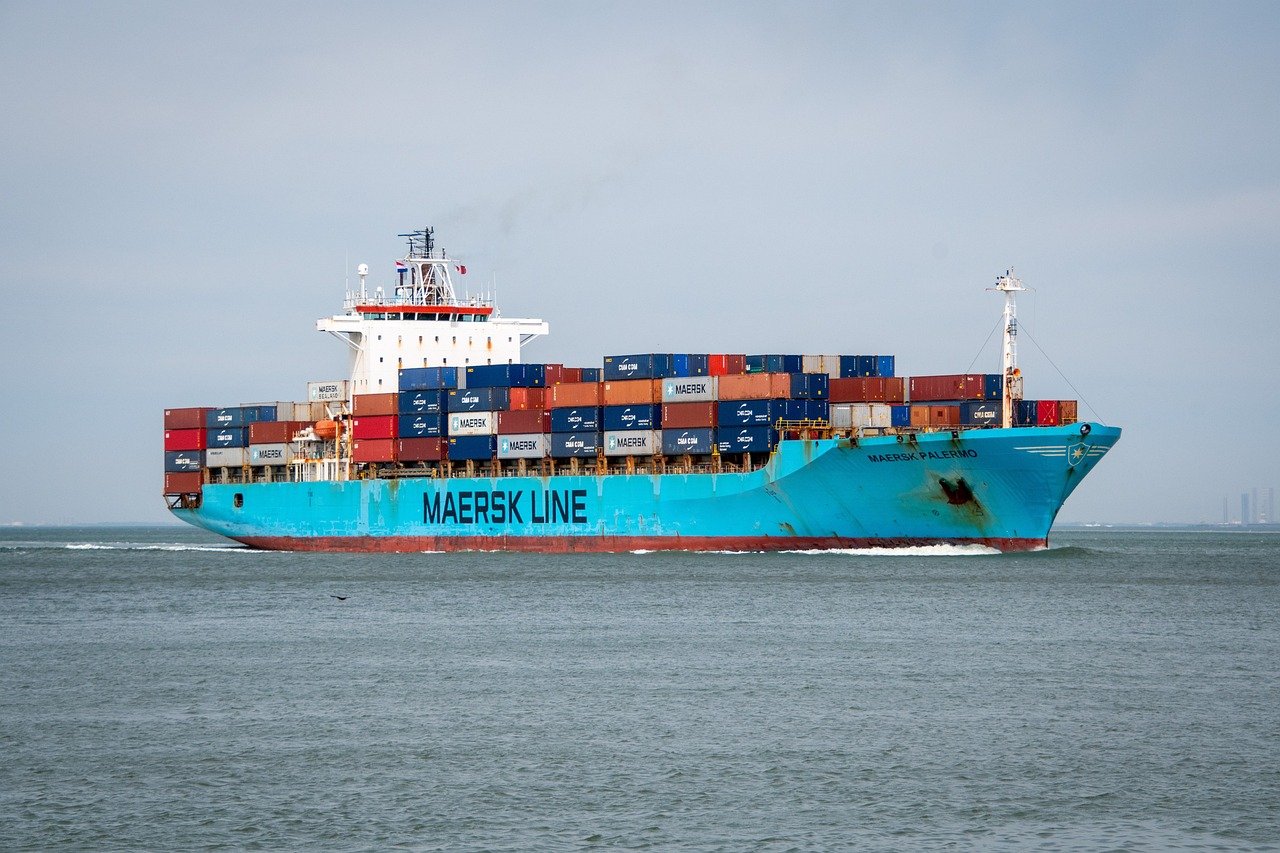
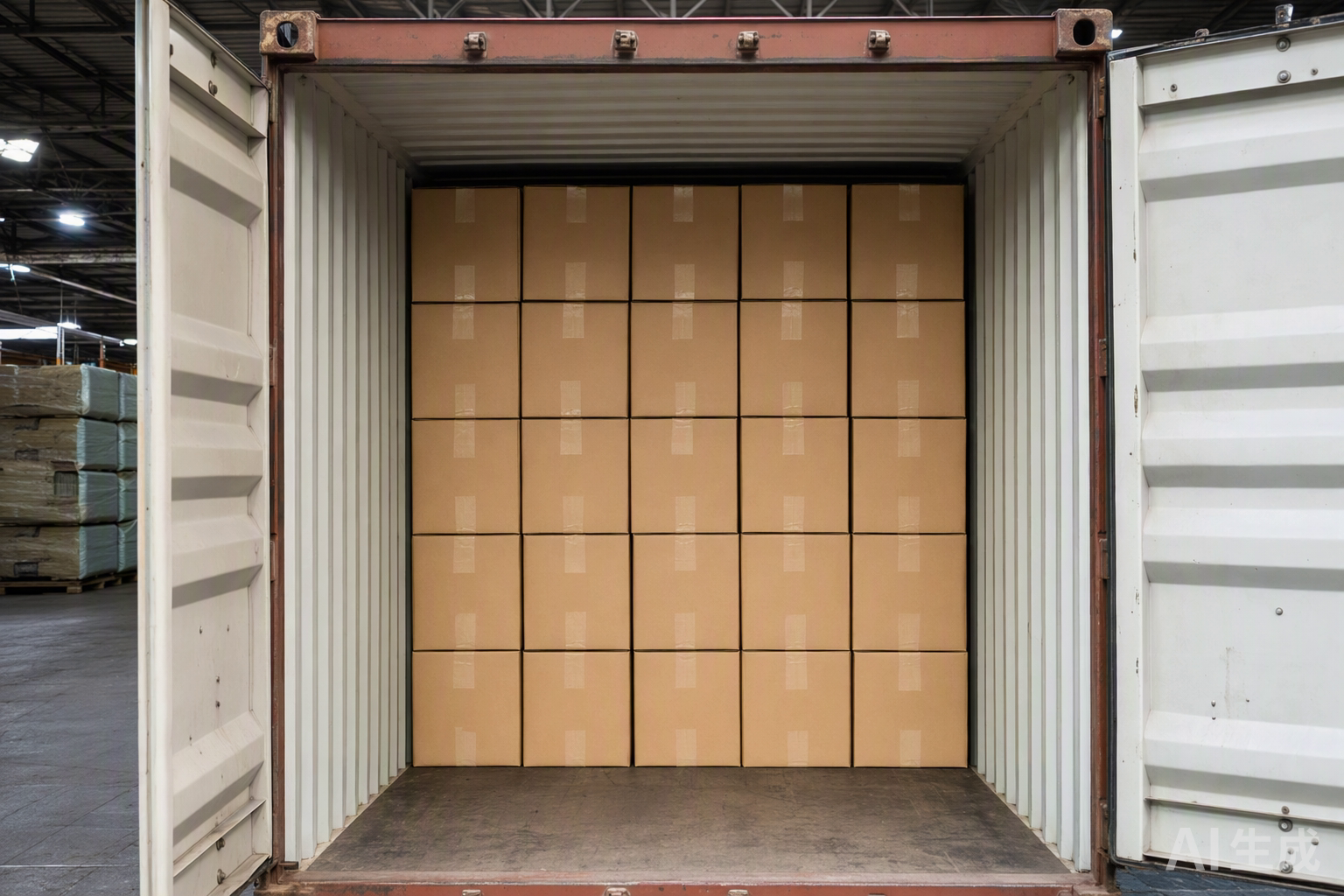
When you ship woven PP moving bags or custom totes from China, the first freight decision is rarely about which carrier to use. It is about how much container space you need. LCL (Less than Container Load) means your cartons share a container with other importers’ cargo. FCL (Full Container Load) means you rent the entire box. The choice changes your per-unit landed cost by 15 to 30 percent, your transit time by up to a week, and your exposure to damage during handling. For the carrier-side definition of both modes, see Maersk’s FCL vs LCL explainer.
For bag importers specifically, the decision hinges on one variable: how many cubic meters (CBM) your order occupies. A standard 20-foot container holds 33.2 CBM with a maximum payload of 28,000 kilograms. A 40-foot container holds 67.7 CBM. Once your bag cartons exceed roughly 15 CBM, the math flips and FCL becomes the cheaper route every time.
| Facteur | LCL | FCL |
|---|---|---|
| Container space | Shared with other cargo | Dedicated full container |
| Pricing basis | Per CBM or per ton (whichever greater) | Flat rate per container |
| Break-even volume | Cheaper below 15 CBM | Cheaper above 15 CBM |
| Transit time | 3 to 7 days longer | Direct sailing, faster |
| Handling exposure | Cartons loaded and unloaded at CFS | Sealed at factory, opened at destination |
The practical implication for bag orders is straightforward. If you are ordering 500 to 2,000 moving bags, your volume likely sits between 2 and 8 CBM, which is squarely LCL territory. If your order fills 3,000 or more bags, you are looking at 12-plus CBM, and the FCL conversation begins. The container capacity math is the same whether you ship moving bags in a 40ft container or smaller tote orders in a 20ft.
How LCL Pricing Actually Works
LCL is quoted as a rate per W/M, meaning per ton or per CBM, whichever produces the higher charge. For woven PP bags, which are lightweight relative to their volume, the CBM figure almost always governs. The rule-of-thumb LCL ocean rate from China to US West Coast runs 35 to 40 US dollars per CBM. That sounds cheap until you add the layers underneath.
A Container Freight Station (CFS) must consolidate your cartons with other shippers’ cargo at origin, then deconsolidate at destination. Origin CFS handling typically costs 15 to 40 dollars per CBM. Destination deconsolidation runs 20 to 50 dollars per CBM. Add a delivery order fee of 50 to 100 dollars, a documentation and bill of lading fee of 50 to 150 dollars, and miscellaneous charges that can add 100 to 250 dollars or more. The base ocean rate of 35 dollars per CBM can balloon to an all-in cost of 80 to 120 dollars per CBM once every layer is included.
Whichever mode you choose, the bill of lading controls cargo release, so it pays to read every field.
| LCL Cost Component | Plage typique | Basis |
|---|---|---|
| Ocean freight | $35 to $40 | Per CBM |
| Origin CFS handling | $15 to $40 | Per CBM |
| Destination deconsolidation | $20 to $50 | Per CBM |
| Delivery order fee | $50 to $100 | Flat |
| Documentation and B/L | $50 to $150 | Flat |
This is why the published LCL rate is misleading. A forwarder quoting 35 dollars per CBM is quoting only the ocean leg. The true per-CBM cost of LCL shipping for a 5 CBM bag order is closer to 100 dollars once consolidation, deconsolidation, and documentation are stacked. Compare that to a 20-foot FCL flat rate of 600 to 800 dollars for 33.2 CBM of capacity, and the per-CBM cost of FCL drops to roughly 18 to 24 dollars.
The Break-Even Calculation
The break-even formula is simple: divide the FCL flat rate by the all-in LCL rate per CBM. If a 20-foot FCL costs 600 dollars and your all-in LCL cost is 40 dollars per CBM, the break-even point is 15 CBM. Below 15 CBM, LCL wins. Above 15 CBM, FCL wins. For a 40-foot container at 1,200 dollars and the same LCL rate, break-even sits at 30 CBM.
The nuance is that your all-in LCL rate is not the published 35 dollars per CBM. It is 80 to 120 dollars per CBM after layers. Recalculate with 100 dollars per CBM as the all-in LCL cost, and the break-even for a 600-dollar 20-foot FCL drops to 6 CBM. That means even a modest bag order of 1,500 moving bags, occupying roughly 6 CBM, may already be cheaper to ship as FCL.
A 20-foot FCL at $600 flat beats LCL at $100/CBM all-in when your cargo exceeds 6 CBM. Most bag orders of 1,500+ units cross that threshold.
For bag importers, the critical step is calculating your actual carton CBM before requesting quotes. Measure one packed carton’s length, width, and height in meters, multiply for per-carton CBM, then multiply by carton count. A typical 50-bag carton of woven PP moving bags measures approximately 0.06 CBM. An order of 2,000 bags in 40 cartons totals 2.4 CBM, well within LCL range. An order of 5,000 bags in 100 cartons reaches 6 CBM, entering the FCL decision zone.
Transit Time and Reliability Factors
LCL shipments take 3 to 7 days longer than FCL on the same lane. The CFS must wait until enough cargo fills the container before sailing, then deconsolidate at the destination port. FCL containers are sealed at the factory and loaded directly onto the vessel. For bag importers working against retail season deadlines or replacement order timelines, that week matters.
FCL also reduces handling damage. Each time cartons are loaded, consolidated, deconsolidated, and sorted, they are dropped, stacked under heavier cargo, or exposed to weather on the CFS dock. Woven PP bags in cartons can survive rough handling, but printed retail totes with custom packaging show scuffs and dented corners. A sealed FCL container eliminates four to six handling events between your factory and your warehouse.
For orders with heavy-duty moving bags packed flat in cartons, the handling difference is less critical since the bags themselves absorb impact. For retail-branded totes with glossy print finishes and hang tags attached, FCL is the safer choice even when the cost is marginally higher.
When LCL Makes Sense for Bag Imports
LCL is the right call in three specific scenarios. First, sample orders and small trial batches under 1,000 units occupy 1 to 4 CBM. The per-CBM premium of LCL is negligible at this volume, and FCL capacity would sit 90 percent empty. Second, urgent reorders where waiting for FCL consolidation would miss a deadline. LCL sails more frequently on popular lanes, sometimes twice weekly versus weekly FCL sailings.
Third, mixed-product orders where bags are one line item alongside non-bag cargo. If you import 500 moving bags alongside 2 CBM of hardware or textiles, LCL lets you ship everything in one consolidated container rather than splitting across partial FCL loads.
The key is recognizing that LCL makes sense only when your total cargo volume stays under the break-even point. Once you cross 6 to 8 CBM on an all-in basis, the per-CBM math starts punishing you. At 10 CBM, you are paying for nearly a third of a 20-foot container through LCL surcharges while receiving none of the FCL benefits.
When FCL Wins for Bag Orders
FCL is the optimal choice for orders above 15 CBM, which corresponds to roughly 3,000 moving bags or 5,000 drawstring bags. At this volume, the flat container rate delivers a per-CBM cost that LCL cannot match. A 20-foot FCL at 700 dollars for 33.2 CBM of capacity costs approximately 21 dollars per CBM, compared to 100 dollars per CBM all-in for LCL.
FCL also locks in your cost. Once the container is booked, the rate is fixed regardless of how tightly the cartons fill the space. An order that comes in at 18 CBM instead of the planned 20 CBM still pays the same flat rate, which can actually improve your per-unit freight cost. With LCL, every additional CBM adds proportionally to your bill.
For orders between 8 and 15 CBM, the decision requires a quote comparison. Request both LCL and FCL rates from your forwarder, apply the break-even formula, and factor in the 3-to-7-day transit time difference. If the cost gap is under 10 percent, choose FCL for the handling and schedule benefits. Understanding DDP vs FOB shipping terms alongside the LCL vs FCL decision gives you the full freight cost picture, and the ICC Incoterms 2020 rules define exactly what each term includes.
| Bag Order Size | Approx. CBM | Recommended Mode |
|---|---|---|
| Up to 1,000 bags | 1 to 4 CBM | LCL |
| 1,000 to 3,000 bags | 4 to 12 CBM | Compare both |
| 3,000 to 5,000 bags | 12 to 20 CBM | FCL (20ft) |
| 5,000 to 10,000 bags | 20 to 40 CBM | FCL (40ft) |
Hidden Costs in LCL Bag Shipments
The published LCL rate covers only the ocean segment. Beyond the CFS and deconsolidation charges already discussed, several surcharges apply specifically to LCL cargo. A fuel adjustment factor (FAF) can add 5 to 15 percent to the base rate during periods of high bunker fuel prices. A currency adjustment factor (CAF) applies on lanes where the local currency fluctuates against the dollar.
LCL also carries a higher risk of warehousing charges at destination. If your cartons are not picked up within the free time window, typically 3 to 5 days after deconsolidation, storage fees accumulate daily. FCL containers get 5 to 7 days of free time at the port, and the sealed container itself acts as temporary storage. With LCL, your cartons sit on a CFS dock, exposed to handling and weather.
For bag orders, one often-overlooked cost is repacking. LCL cartons that arrive crushed or water-damaged from CFS handling may need to be unpacked, inspected, and repacked before delivery to retail customers. At 2 to 4 dollars per carton for repacking labor and materials, a 40-carton LCL shipment with 25 percent damage can add 200 to 400 dollars in hidden costs.
Container Loading Strategy for Bag Orders
When you book FCL, your factory controls how cartons are stuffed into the container. Flat-packed moving bags stack efficiently because their uniform rectangular cartons tile neatly with minimal void space. A well-planned 20-foot container can achieve 85 to 90 percent volume utilization, meaning 28 to 30 CBM of actual cargo in a 33.2 CBM container.
Foldable bags give you a density advantage here. Unlike rigid plastic totes that ship with empty internal space, woven PP moving bags fold flat and compress under stacking pressure. A carton of 50 folded moving bags measures roughly the same as a carton of 15 rigid totes. This density is why bag orders can fill containers more efficiently than rigid packaging, a topic covered in detail in our foldable bag logistics guide.
For mixed SKU orders combining moving bags, drawstring bags, and shopping totes, plan the loading sequence. Heavy moving bag cartons go on the bottom layer. Lighter retail tote cartons stack on top. Drawstring bag cartons fill gaps between larger boxes. A loading diagram shared with your factory before production starts prevents last-minute improvisation that wastes container space.
Need moving bags that pack dense and ship efficiently?
Factory-direct woven PP bags fold flat for maximum container utilization. BSCI certified, GRS materials available.
Which Shipping Mode Fits Your Bag Order
The decision framework is simple. Pull out your order sheet, calculate carton CBM, and compare against the break-even threshold. Orders under 6 CBM should default to LCL unless the transit time saving of FCL justifies a 10 percent premium. Orders between 6 and 15 CBM require a dual-quote comparison. Orders above 15 CBM should book FCL.
For bag importers placing first orders with a new factory, LCL is worth the premium. A 500-bag trial shipment at 2 CBM costs 200 to 240 dollars via LCL. The same shipment in a 20-foot FCL at 700 dollars would cost 460 dollars more for empty container space. Wait until your order volume justifies the container before committing.
For reorder cycles, track your CBM across recent orders. If your last three orders each exceeded 12 CBM, negotiate a standing FCL rate with your forwarder. Consistent FCL volume unlocks better pricing and dedicated equipment during peak season when container availability tightens.
Conclusion
The LCL vs FCL decision for bag imports comes down to volume math. Calculate your carton CBM, apply the break-even formula, and let the numbers decide. The published LCL rate of 35 to 40 dollars per CBM is only the ocean leg. Your all-in LCL cost runs 80 to 120 dollars per CBM once CFS, deconsolidation, and documentation charges stack. At that level, any order above 6 CBM likely costs less as FCL.
- Under 6 CBM: Ship LCL. The per-CBM premium is small and FCL capacity sits unused.
- 6 to 15 CBM: Request both quotes. Apply the formula: FCL rate divided by all-in LCL rate per CBM equals your break-even.
- Above 15 CBM: Book FCL. The flat rate delivers lower per-CBM cost, faster transit, and sealed-container handling.
- Retail totes: Lean toward FCL even when cost is marginally higher. CFS handling damages printed packaging.
If you are placing a first trial order, ship LCL and verify carton CBM against your factory’s spec sheet. Once your reorder volume stabilizes above 3,000 bags, lock in a standing FCL rate and let container-level economics work in your favor.
Questions fréquemment posées
What is the break-even point between LCL and FCL?
The general break-even point is 12 to 15 CBM for a 20-foot container. Below 15 CBM, LCL is usually cheaper. Above 15 CBM, FCL flat rates deliver a lower per-CBM cost. Calculate it using the formula: FCL flat rate divided by your all-in LCL rate per CBM.
How much longer does LCL take than FCL?
LCL shipments take 3 to 7 days longer than FCL on the same lane. The CFS must consolidate cargo from multiple shippers before sailing and deconsolidate at the destination port. FCL containers are sealed at the factory and loaded directly onto the vessel.
What hidden charges should I expect with LCL shipping?
Beyond the published ocean rate, LCL carries origin CFS handling at 15 to 40 dollars per CBM, destination deconsolidation at 20 to 50 dollars per CBM, delivery order fees of 50 to 100 dollars, and documentation fees of 50 to 150 dollars. These layers can double the effective per-CBM cost.
Should I ship sample bag orders as LCL or FCL?
Ship sample orders under 1,000 bags as LCL. A 500-bag trial shipment occupies roughly 2 CBM. Booking a full 20-foot container at 700 dollars for 2 CBM of cargo wastes 94 percent of container capacity. Wait until your volume exceeds 6 CBM before switching to FCL.
How do I calculate CBM for my bag order?
Measure one packed carton in meters, multiply length times width times height for per-carton CBM, then multiply by carton count. A typical 50-bag carton of woven PP moving bags measures approximately 0.06 CBM. An order of 2,000 bags in 40 cartons totals 2.4 CBM.
When you need samples or urgent reorders fast, see our air vs sea freight comparison for bag samples for rate tables and break-even calculations.
Large bag kit orders like the 6,000-unit deployment in our military mover case study ship FCL under DDP terms.


0 commentaires