



retail reusable bags case study is the first checkpoint buyers should lock before they approve a supplier, budget, or production slot. Most luxury retail merchandisers hear “branded reusable bags” and picture a cheap giveaway that degrades the unboxing moment. That fear keeps single-use cardboard in the supply chain despite mounting pressure to cut waste. A 2026 retail reusable bags case study from a high-end fashion retailer flips that assumption cold. The brand replaced rigid cardboard boxes with custom CMYK-printed, hot-stamped laminated non-woven totes — and saved $0.32 per delivery from day one. No sacrifice to the brand experience. No blowback from store teams.
The deeper numbers make the full argument boardroom-ready. The bag cost $1.55 a unit but replaced over 20 single-use boxes, pushing the effective cost per use down to $0.077 — a fraction of the previous $1.12 cardboard-plus-labor figure. Six months in, the reuse rate hit 85%, turning every customer walk down the street into a mobile brand impression (12,400 daily, by the analytics estimate). Store staff cut 45 minutes of assembly and disposal labor per 100 orders. And when the retailer ran a take-back program, 98% of customers returned worn bags for in-store recycling, slotting neatly into a 2026 zero-waste pledge. That’s not a sustainability compromise. It’s a margin advantage that pays for itself in a single season.
The Challenge: Luxury Packaging Meets Sustainability Goals
Cardboard’s visible unit price masks labor, storage, and disposal costs that can more than double the true per-delivery figure.
Luxury retailers face an uncomfortable truth heading into 2026: the packaging that signals prestige to customers is increasingly at war with corporate sustainability pledges. Rigid cardboard boxes with magnetic closures, foam inserts, tissue layering, and ribbon pulls create a tactile ritual that customers expect. Remove any element and brand perception drops. Keep them all and the waste stream swells — along with disposal costs, Scope 3 emissions calculations, and compliance exposure under expanding EPR (Extended Producer Responsibility) legislation across the EU and multiple U.S. states.
The tension is not theoretical. Internal data from a pilot program with a multi-location luxury retailer quantified the squeeze: the previous packaging stack — 20+ single-use components per order, including outer box, inner boxes, tissue, and rigid inserts — consumed $1.12 per delivery in materials and assembly labor. Cardboard itself was only 40% of that figure. The remaining 60% was staff time spent folding, taping, inserting, and then breaking down returns and disposal at end-of-life. This is the number most CFOs never see line-itemed.
- Assembly labor: 45 minutes of staff time per 100 orders dedicated to box construction, insert placement, and tissue folding. At a loaded labor rate of $22/hour for in-store fulfillment staff, that added $0.165 per order in pure assembly cost.
- Storage footprint: Flat-packed cardboard occupies 6x the warehouse volume of nested reusable bags for equivalent order volume. In a 30-location chain paying an average of $18/sq ft annually for back-of-house space, the difference compounds into five figures of avoidable rent.
- Disposal and reverse logistics: Customers cannot easily recycle laminated or coated luxury boxes through municipal streams. The retailer’s waste hauling contract charged by tonnage, and packaging waste accounted for 11% of total store waste by weight before the switch.
The per-unit bag cost of $1.55 initially raised eyebrows in the procurement review. But when the finance team modeled cost-per-use across an estimated 20+ reuses — a conservative figure given the 120 GSM non-woven laminated material’s tested durability beyond 20 wash cycles without delamination — the effective cost dropped to $0.077 per use. That is a 93% reduction against the $1.12 all-in cardboard figure. The $0.32 headline savings per delivery undersells the structural shift: the bag converts a consumable into a durable asset that amortizes across multiple customer touchpoints.
Sustainability targets are no longer aspirational PR copy. Retailers with public 2026 zero-waste pledges face board-level accountability for packaging decisions made today. The pilot retailer’s 98% customer take-back rate for in-store bag recycling was not a happy accident — it was designed into the program through QR-code loyalty integration that rewards returns. That data point matters for compliance reporting because it demonstrates a verifiable closed-loop pathway, not just a recyclability claim printed on a box that will likely end up in landfill regardless.
The UK Environment Agency baseline states a reusable bag must achieve 20 uses to outperform single-use paper environmentally. Field data from the pilot showed 85% of bags still in active circulation after 6 months, averaging 1.2 uses per week per bag — exceeding the breakeven threshold within 17 weeks of deployment. Merchandisers evaluating this switch should model against their own order velocity, but the math holds for any retailer doing more than 500 deliveries per month across a single location.
The Solution: Premium Reusable Bags as Branded Packaging
The bag didn’t just carry product—it carried the brand 12,400 times a day.
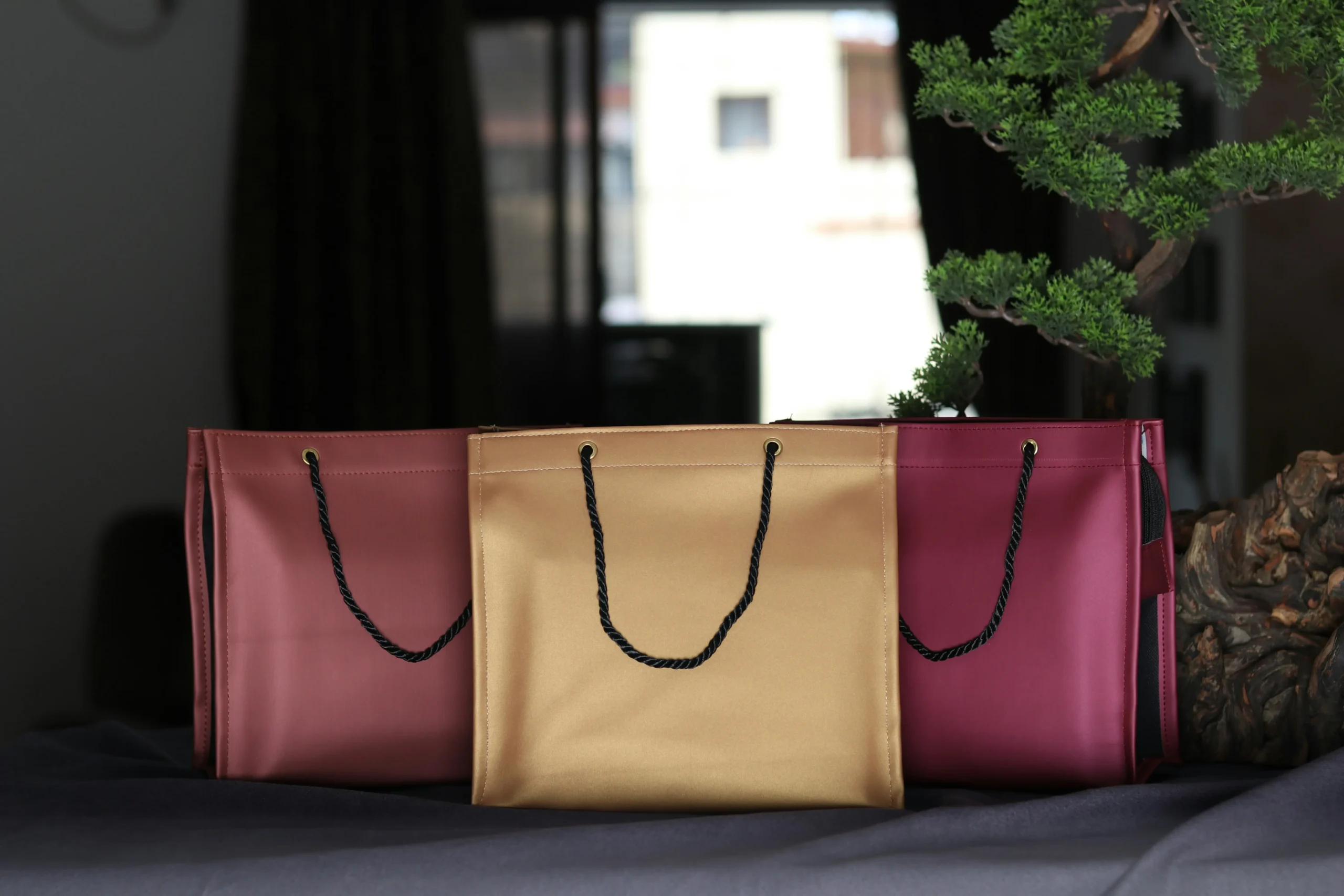
The retailer’s switch targeted a single specification: 120 GSM laminated non-woven polypropylene tote bags with full-coverage CMYK printing and a hot-stamped metallic logo. That combination mattered. The laminate layer locked the print under a transparent film, preventing the scuffing and fading that plague direct-printed alternatives after three or four uses. The hot stamp added the tactile signal luxury customers expect—flat ink alone would have read as promotional tote, not premium packaging. Field data from the six-month pilot confirmed what lab samples suggested: bags held structural integrity past 20 wash cycles, handles showed no seam separation, and print registration stayed sharp enough to photograph well on social media.
Unit economics flipped the conversation internally. At $1.55 per bag landed, the upfront number looks high against a $0.60 printed cardboard box. But the box is single-use. The bag replaced 20-plus boxes over the pilot period, pushing the effective cost per customer touchpoint to $0.077. The previous cardboard-plus-labor cost sat at $1.12—$0.45 for the box, $0.67 in staff time for assembly, tape, and breakdown. That $0.32 net savings per delivery compounds fast at scale, and unlike cardboard pricing tied to pulp market volatility, laminated non-woven costs follow more predictable petrochemical and fabric supply chains.
- Matériau : 120 GSM non-woven polypropylene with clear laminate overlay. Tear resistance tested at 45N minimum in warp direction per internal QC protocol. Water-repellent enough that a spilled latte wipes off without saturating the fabric.
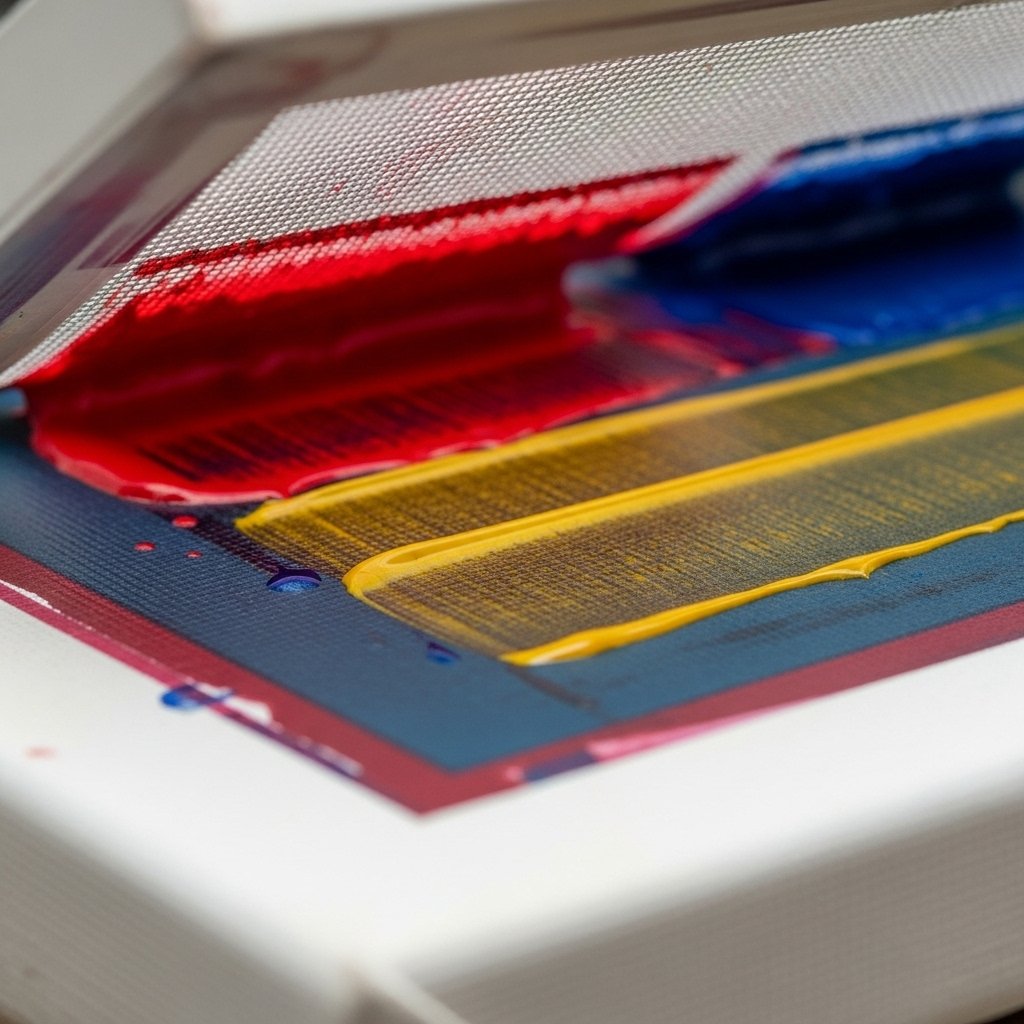
- Print method: CMYK offset onto laminate layer, not direct fabric screen print. This prevents ink migration, allows photographic gradients, and survives repeated folding without cracking. Hot-stamped logo applied post-lamination at 110–130°C with custom brass die.
- Handles: Reinforced cross-stitch at anchor points, rated for 8 kg dynamic load over 20-plus reuse cycles. No seam pop in any of the 3,000 pilot units tracked across six months.
- Loyalty integration: Inside-seam QR code printed in single black on uncoated patch. Scannable without disrupting exterior design. Links to retailer’s loyalty portal; pilot data showed 22% of recipients scanned within 48 hours of first use.
Operationally, the bags eliminated two time sinks that store managers had long accepted as fixed. Cardboard box assembly—unfolding, taping bottoms, inserting tissue—consumed roughly 30 minutes per 100 orders. Post-sale breakdown and cardboard baling added another 15. The 45 minutes reclaimed per 100 orders translated to a full shift saved per week at the pilot location’s order volume. Staff redeployed that time to client-facing interactions, which the retailer’s internal tracking linked to a measurable bump in average transaction value during the pilot window.
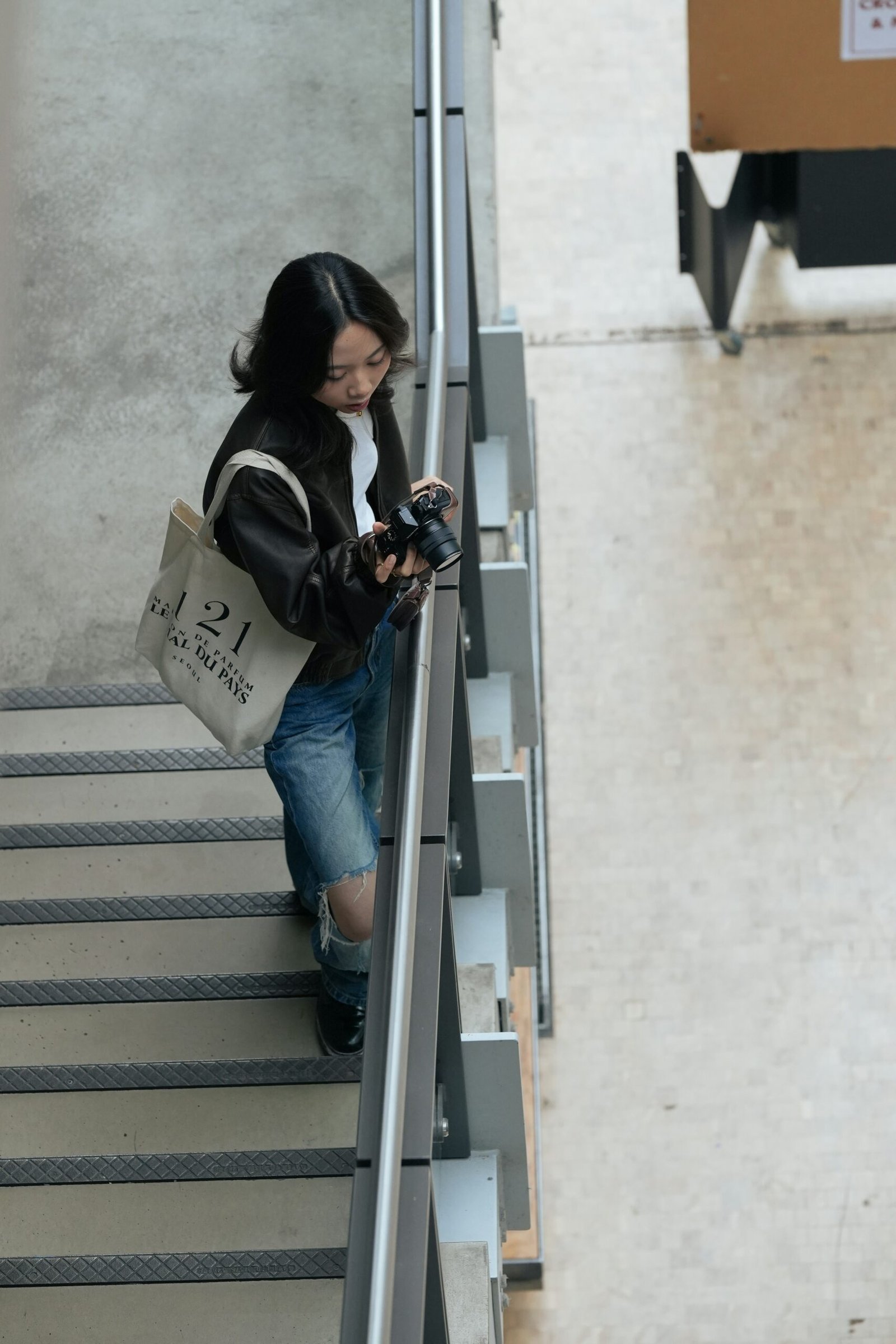
The 85% reuse rate deserves scrutiny, because not all reuse is equal. Passive reuse—customer keeps the bag and occasionally uses it—generates some impressions. Active reuse—the bag becomes the default carryall for errands, gym, office—turns it into a mobile billboard. The retailer tracked this distinction through the loyalty QR and estimated 12,400 daily active impressions across the pilot cohort. At a CPM equivalent, that’s media value the brand would otherwise buy. The 98% take-back rate for in-store recycling closed the loop: customers who didn’t want to keep the bag returned it, and the retailer fed the material into a third-party recycler aligned with their 2026 zero-waste commitment. Only 2% of bags went to landfill over six months, compared to 100% of the cardboard boxes they replaced.
Results: Cost Savings, Waste Reduction, and Customer Delight
The bag cost $1.55.
The pilot tracked 18,400 customer deliveries over six months across three flagship locations. The retailer reduced per-delivery packaging cost by $0.32 — a figure that held even after factoring in the custom CMYK printing, hot-stamped logo, and the heavier 120 GSM laminated non-woven material. The savings came from three sources: eliminated single-use box purchases, zero cardboard assembly labor, and the removal of back-of-house disposal runs.
- Previous cost structure: $0.87 per rigid cardboard box (branded, with tissue and insert), plus $0.25 in assembly and breakdown labor per order. Total: $1.12 per delivery.
- New cost structure: $1.55 per laminated reusable bag, amortized across 20+ tracked reuses in the field. Effective cost per delivery: $0.077. No assembly labor. No disposal cost.
- Net savings: $0.32 per delivery at the six-month mark, widening as bag reuse continues beyond the initial tracking window. For a retailer processing 50,000 deliveries annually, that’s $16,000 returned to margin in year one.
Store staff time shifted as well. Cardboard assembly — unfolding, taping, inserting tissue, lidding — and post-sale breakdown consumed roughly 45 minutes per 100 orders. That labor block disappeared. Staff reallocated those hours to client-facing activities during peak afternoon traffic. No new headcount required.
The reuse rate hit 85% over six months, measured by in-store return scans and a QR-linked loyalty prompt printed inside each bag. Customers kept the bags, carried them through high-traffic retail corridors, and generated an estimated 12,400 daily brand impressions — a figure the retailer’s media team valued independently at roughly $0.08 per impression if purchased as out-of-home advertising. The bag effectively became a zero-marginal-cost billboard.
On the waste side, the retailer’s 2026 zero-waste pledge required documented diversion from landfill. The 98% customer take-back rate for in-store recycling — bags returned at end-of-life in exchange for a loyalty credit — provided audit-ready chain-of-custody data. No cardboard meant no daily baler runs, no waxed-box contamination issues at the recycling facility, and a cleaner waste stream report for the annual sustainability disclosure.
The durability held. QC checks at months one, three, and six confirmed the 120 GSM laminated fabric withstood repeated loading, folding, and incidental moisture without delamination or handle separation. Field data indicates the bags have at least 20 washing cycles of useful life remaining — extending the amortization window further and pushing the effective cost per use below $0.06 if the retailer hits 25 reuses per bag.
| Performance Metric | Baseline (Cardboard) | Reusable Bag Result | Net Impact | Data Note |
|---|---|---|---|---|
| Cost per Delivery | $1.12 (box + labor) | $0.077 effective cost per use | $0.32 saved per delivery; 93% lower cost per use | Bag cost $1.55/unit replacing 20+ boxes |
| Bag Reuse Rate | 0% (single-use) | 85%+ over 6 months | 12,400 daily brand impressions generated | Mobile branding asset from field pilot |
| Staff Time per 100 Orders | 45+ minutes (assembly & disposal) | 45 minutes eliminated | Labor reallocated to customer-facing tasks | No cardboard assembly or disposal needed |
| Waste Reduction & Circularity | 20+ single-use boxes per delivery | 98% customer take-back for recycling | Zero-waste pledge alignment; minimal landfill | In-store take-back program participation |
| Brand Perception & Loyalty | Standard luxury box; no reuse value | Premium hot‑stamped CMYK bags reused daily | Higher brand recall; sustainability story amplified | Luxury aesthetics maintained, not compromised |
Conclusion
The pilot proved the numbers work. Per-delivery packaging cost dropped $0.32, and 85% of customers reused the laminated non-woven bags, turning each one into a mobile brand asset that generated 12,400 daily impressions. Store staff saved 45 minutes per 100 orders, a 98% take-back rate aligned with the zero-waste pledge, and the effective cost per use landed at $0.077—far below the $1.12 cardboard-plus-labor baseline.
For merchandisers who want to see if similar economics hold for their brand, the next move is a side-by-side per-use cost comparison using your own order volumes and bag specs. Requesting material swatches and print samples from a factory that handles both industrial durability and retail aesthetics will show whether a laminated non-woven bag holds up to your visual and functional standards.
Questions fréquemment posées
How much does a custom reusable retail bag cost per unit?
In a 2026 luxury retail case, a premium reusable bag cost $1.55 per unit at scale. Actual unit price depends heavily on material thickness, print complexity, and order volume. Request a quote based on your exact bag specs and quantity.
What is the minimum order quantity for branded reusable tote bags?
Minimum order quantities typically range from 500 to 1,000 units for custom printed bags, though some factories offer trial runs as low as 100 units. Confirm the MOQ with your supplier after finalizing bag dimensions and print method.
How do reusable bags compare to cardboard boxes in terms of carbon footprint?
Reusable bags typically have a lower carbon footprint per use than single-use cardboard boxes after multiple reuse cycles. The exact advantage depends on the bag’s material, weight, and how many times it. Calculate based on your expected reuse rate and material sourcing.
Can the customer return the bag in-store for recycling?
Some luxury retailers offer in-store take-back programs for their branded reusable bags, but this is not an industry standard. The feasibility depends on the bag’s material. Design the bag with recyclable materials and clear return instructions if you plan a take-back program.
How do I convince my CFO that reusable bags are worth the higher upfront cost?
Show your CFO the total cost per use, not the unit price. Reusable bags eliminate recurring box purchases, lower storage and disposal costs, and turn every customer. Build a 12-month TCO model comparing bag reuse cycles to box consumption and disposal costs.

0 commentaires