



Folded bags look like the easiest product in the warehouse and punish sloppy slotting like the heaviest. High-turnover bag inventory lives and dies on retrieval speed, damage control and count accuracy, and the warehouses that treat bags as a real slotting problem pick faster and shrink less. This guide covers the slotting logic, the storage details and the counting rhythm that keep folded bag inventory honest.
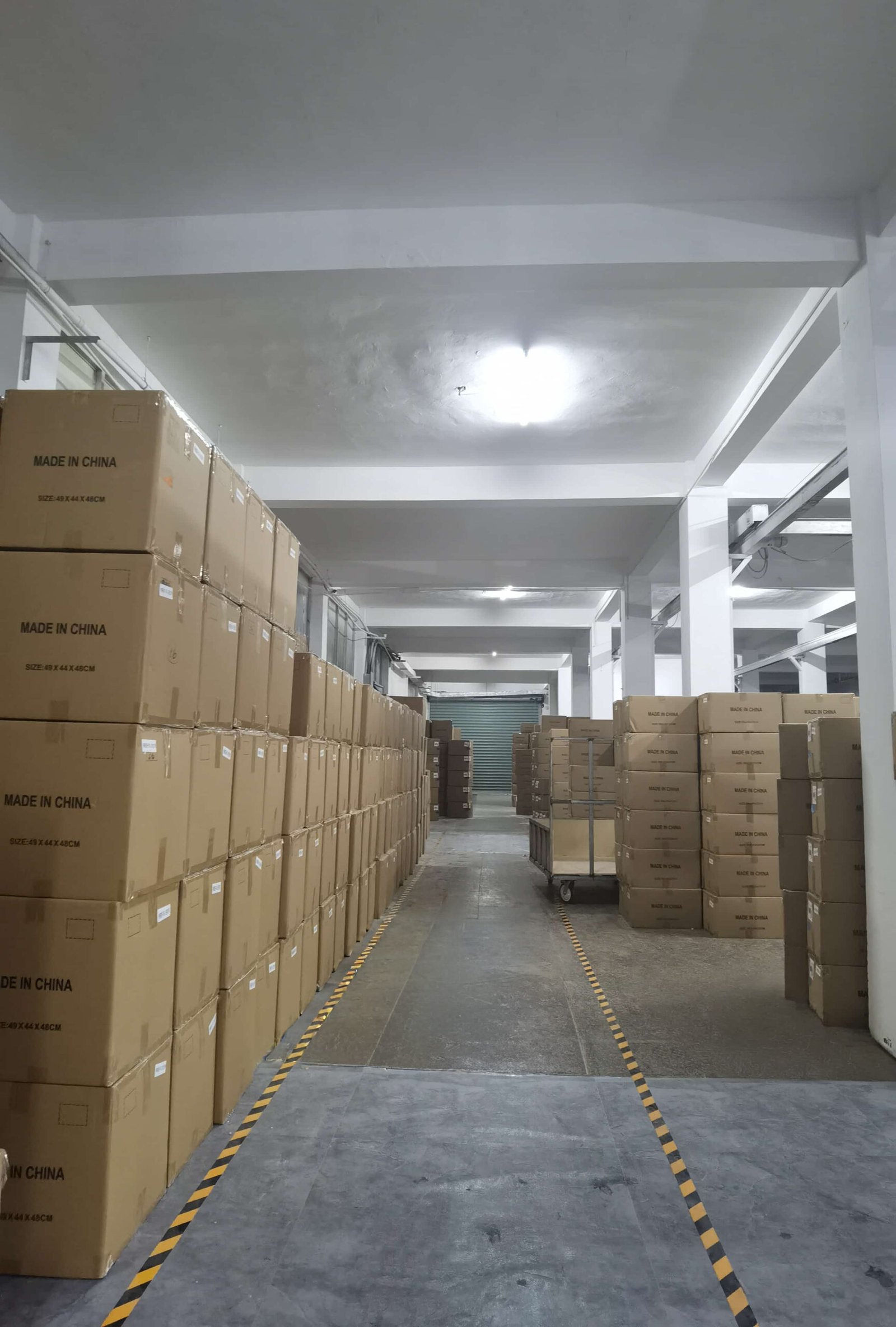
Slotting by velocity, not by product line
The instinct is to store bags by design family; the effective method is to slot by pick velocity. Fast movers earn golden-zone positions, waist to shoulder height, nearest the packing stations, because every extra second per pick multiplies across thousands of weekly picks. Slow movers and seasonal designs live higher or deeper, and discontinued stock leaves the pick face entirely. Safety belongs in the same conversation: heavy cartons stored above shoulder height are a back-injury factory, and guidance from OSHA on materials handling treats lifting posture and load height as the core risk controls any warehouse should follow.
Storage details that protect folded stock
Folded bags damage quietly. Compression flattens gussets and creases printed panels, so stack heights have limits by bag type, printed and laminated stock sitting lower than commodity weaves. Light bleaches prints, so racking away from windows or UV-filtered zones preserves the stock that photographs for a living. And pests target natural fibres, making jute and cotton lines a different storage conversation from polypropylene. Warehouses that note bag type on the slot label make these decisions automatic; the same labelled-slot logic that organises our logistics and moving solutions programs carries into the reusable tote programs we describe in our guide to reusable tote specifications for automated warehouses.
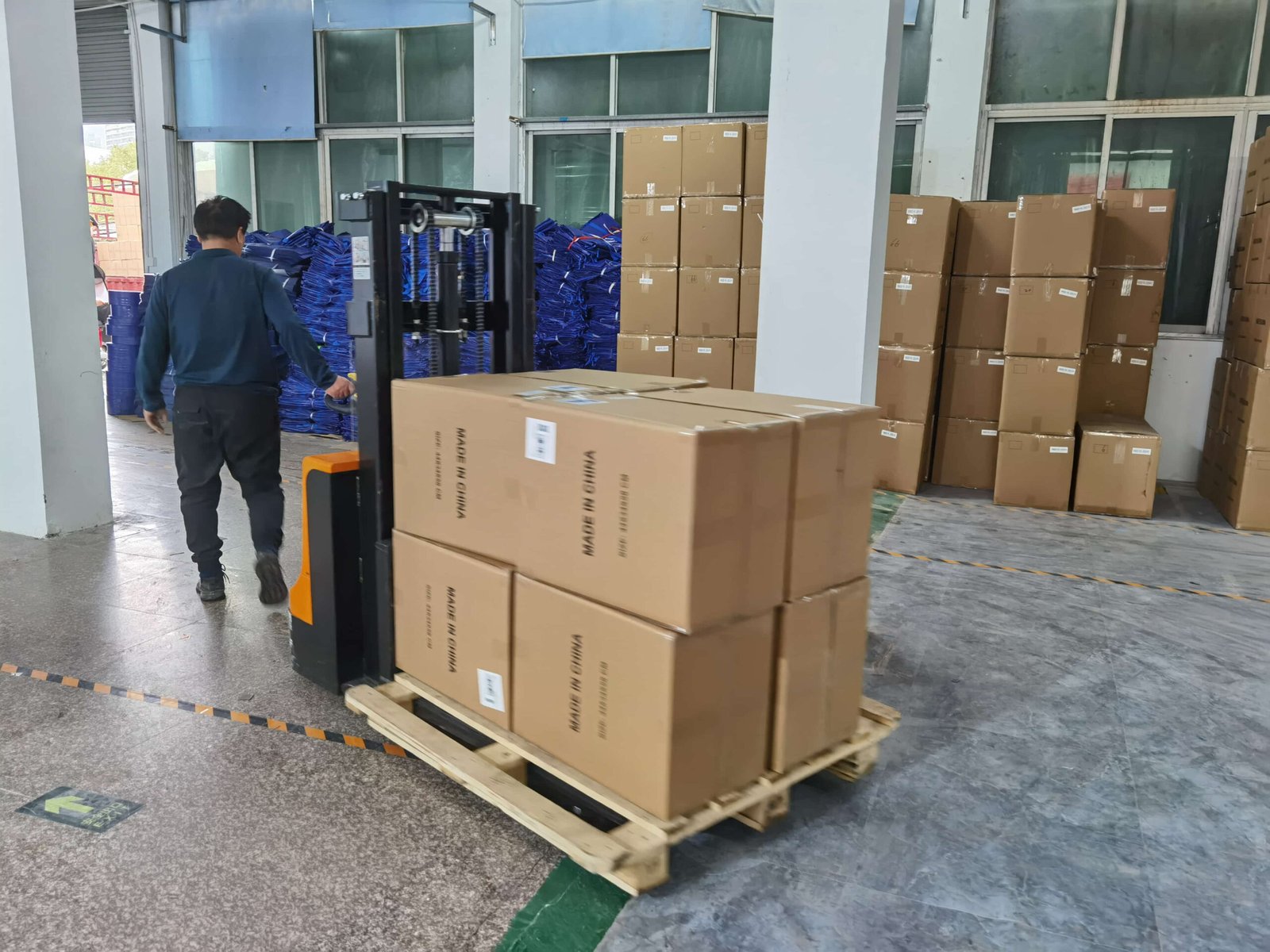
Retrieval and the counting rhythm
Retrieval speed comes from predictable slots: one SKU per slot where volume allows, clear labels with SKU and quantity, and pick paths that do not cross. Count accuracy follows a rhythm rather than a crisis: cycle counts on a rolling schedule, fast movers weekly, slow movers monthly, with variances investigated the day they appear. Bag inventory hides shrinkage well because pieces are small and counts are large, which is exactly why the rolling count matters more than the annual heroic stocktake.
Video: bags ready for dispatch
Folded bag inventory rewards warehouses that slot by velocity, store by bag type and count on a rhythm. Golden zone for fast movers, compression and light rules for the stock itself, and rolling cycle counts for honesty. Operations that adopt all three pick faster, shrink less and stop treating bags as the product nobody planned for.

0 Comments