



Water-repellent finishes sell bags in hardware stores and disappoint them in downpours, usually because nobody specified what the finish was supposed to do. Repellency is not waterproofing, finishes wear with use, and different coating chemistries suit different bag programs. Buyers who understand the difference between a durable water repellent finish, a polymer coating and a laminated film order bags whose weather behavior matches the duty cycle, instead of discovering the gap in customer reviews. This article explains the finish families, how they wear, and how to specify them honestly.
Three Levels of Water Protection in Bags
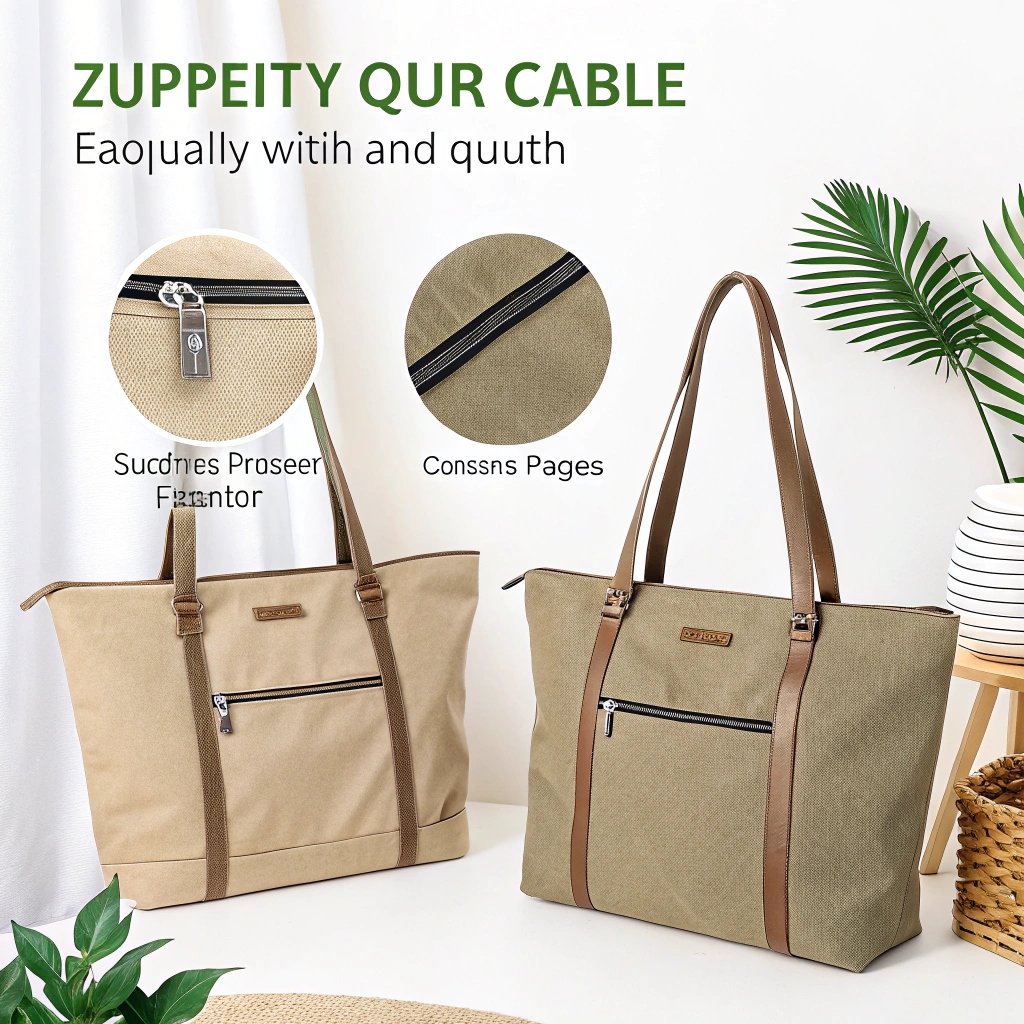
Bag weather protection comes in three escalating levels, and the words matter. A water-repellent finish, the DWR family of treatments, makes the fabric surface shed light rain and splashes by lowering its surface energy; water beads and rolls, but pressure pushes it through, so a DWR tote resists drizzle and fails in a downpour. A polymer coating, typically polyurethane applied to the fabric’s inner face, blocks water passage through the material itself, which handles sustained rain at the cost of breathability and a stiffer hand. A laminated construction bonds a full film layer to the base fabric, the approach behind serious dry bags and waterproof courier lines, sealing seams as well as surfaces. Each level costs more than the last and changes the bag’s character more than any print decision, which is why the weather spec belongs at the same meeting as the fabric choice described in our guide to what makes a tote bag high quality.
How and Why Finishes Wear Off
Repellent finishes are surface treatments, and surfaces live real lives. Dirt and skin oils mask the chemistry first, which is why a bag that repels water fresh from the box wets out after months of handling; cleaning restores performance, and this single fact explains most warranty arguments about coatings that stopped working. Abrasion is the second wear path, since the finish lives on the outermost fibers and rubs away where straps cross and bags slide on floors. Heat and aggressive washing strip DWR chemically, which is why care labels matter and why finish choice should match the washing program the bag will actually see. The reassurance for buyers is that DWR is renewable: field restoration with a heat treatment revives much of the beading, and professional reapplication exists for premium programs, a maintenance reality the outdoor textile world documents thoroughly, including the DWR explainer demonstrated by environmental guidance on fabric treatment chemistries as regulations around legacy chemistries tighten.
Matching Finish to Bag Program
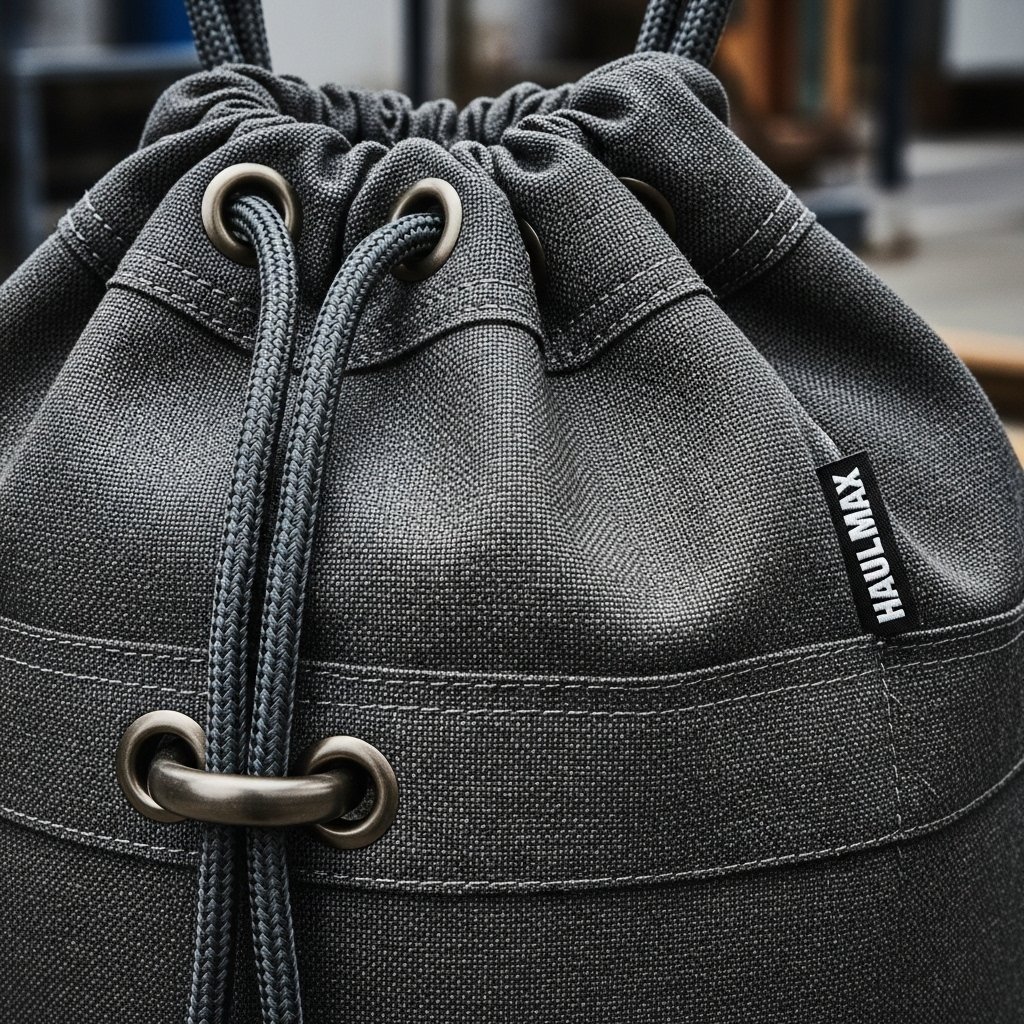
The honest matching exercise starts from water exposure, not from the catalog. Grocery and promo totes meeting weather only between car and door need either nothing or a light DWR, because their real exposure is minutes per week. Commuter and campus bags live outside longer and benefit from a PU-coated inner face, which keeps rain out of laptops and books even in sustained weather. Moving and logistics bags, the category we manufacture most, sit at the serious end: coated or laminated fabrics that survive porch drops in rain and repeated wet handling, the difference behind our moving bag line’s construction choices on the moving bags product page. Coolers invert the logic entirely, where the insulation layer’s vapor barrier does the water work and the outer finish mostly serves stain resistance. Specifying from exposure rather than from fear avoids paying for lamination a tote will never need.
Specifying and Verifying the Finish
Weather claims belong in the specification with numbers behind them. The lines that matter: the finish family named, DWR, coating or lamination, rather than the word waterproof alone; a spray-rating test result, where fabric laboratories score how a sprayed fabric beads; and a hydrostatic head figure for coated or laminated bags, the water-column pressure the construction withstands. Care instructions travel with the specification, because a finish that cannot survive the customer’s washing machine is a returns generator, and our material guides across the bag materials catalog pair each fabric with the finishes it accepts. Verify at sampling rather than trusting datasheets: spray the sample with water, press a wet hand against the fabric for a minute, and wash the sample once before judging, three minutes of testing that predicts years of customer experience, and costs a single sample that was already in the box.
Preguntas frecuentes
Is water-repellent the same as waterproof?
No. Repellent finishes shed light rain and splashes; waterproof constructions with coatings, lamination and sealed seams block water under sustained exposure and pressure.
Why did my bag stop repelling water?
Usually dirt and oils masking the finish, restored by cleaning. Abrasion and harsh washing also strip DWR, which is why care instructions matter.
Which bags genuinely need coatings?
Commuter bags protecting electronics, moving and logistics bags facing outdoor handling, and cooler bags with vapor barriers. Promo totes meeting weather for minutes rarely justify the cost.
How is repellency tested and verified?
Spray ratings score beading on fabrics, hydrostatic head measures water-column resistance for coatings and laminations, and a wet-hand press test on samples predicts real behavior.
Can repellency be restored?
Often yes: cleaning removes the oil mask, and heat treatment revives beading on many DWR finishes. Coatings and laminations wear permanently once abrated through.
Video: Durable Water Repellency Explained
Need bags specified for real weather? Our materials catalog pairs every fabric with the finishes it accepts, tested to the duty cycle you name.




0 comentarios