



When 100,000 Bags Need to Reach 60 Pantries in 90 Days
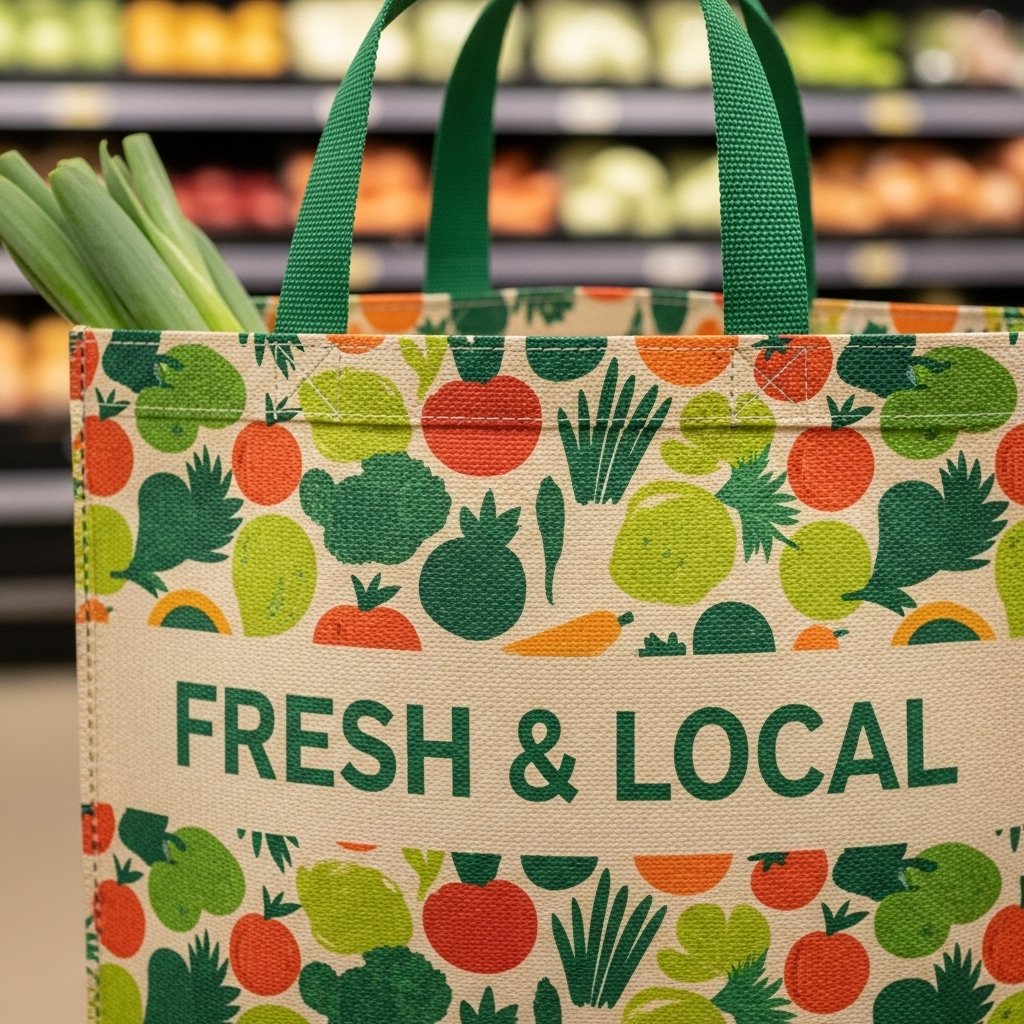
A regional food bank network faced a logistics problem most commercial operations never encounter: distribute 100,000 reusable donation bags across 60 pantry locations in 12 US states — within 90 days — on a nonprofit budget. Each bag needed to carry a standardized grocery kit, bear the network’s branding, and survive repeated use by recipients who would repurpose it for weekly shopping.
This case study breaks down how the procurement team sourced, customized, and deployed the bags — and what commercial buyers can learn from their process about scaling a bag order from quote to last-mile delivery.
The Procurement Challenge: Nonprofit Specs, Commercial Volume
The food bank’s requirements looked simple on paper but created tension across every sourcing decision:
- Quantity: 100,000 units — large enough for factory-direct pricing, too large for air freight
- Timeline: 90 days from purchase order to first delivery at pantries
- Budget: Under $1.80 per unit, including customization and domestic freight
- Durabilidad: Minimum 50 use cycles (recipients would reuse for grocery shopping)
- Compliance: CPSIA-compliant inks for bags that might carry children’s food items
- Branding: Full-color logo on one side, nutritional literacy message on the other
The procurement director had sourced promotional tote bags before — but never at this scale, and never with a durability requirement. Previous orders used thin non-woven PP that cracked after 5-8 uses. This time, the bags had to last.
Material Selection: Why Woven Laminated PP Won Over Canvas and Non-Woven
The team evaluated three materials:
| Material | Unit Cost (100K qty) | Use Cycles | Calidad de impresión | Peso |
|---|---|---|---|---|
| PP no tejido | $0.45 | 5-8 | Bien | 60 gsm |
| Canvas (12oz) | $3.20 | 200+ | Excelente | 340 gsm |
| Woven laminated PP | $1.35 | 50-80 | Excellent (lamination) | 120 gsm |
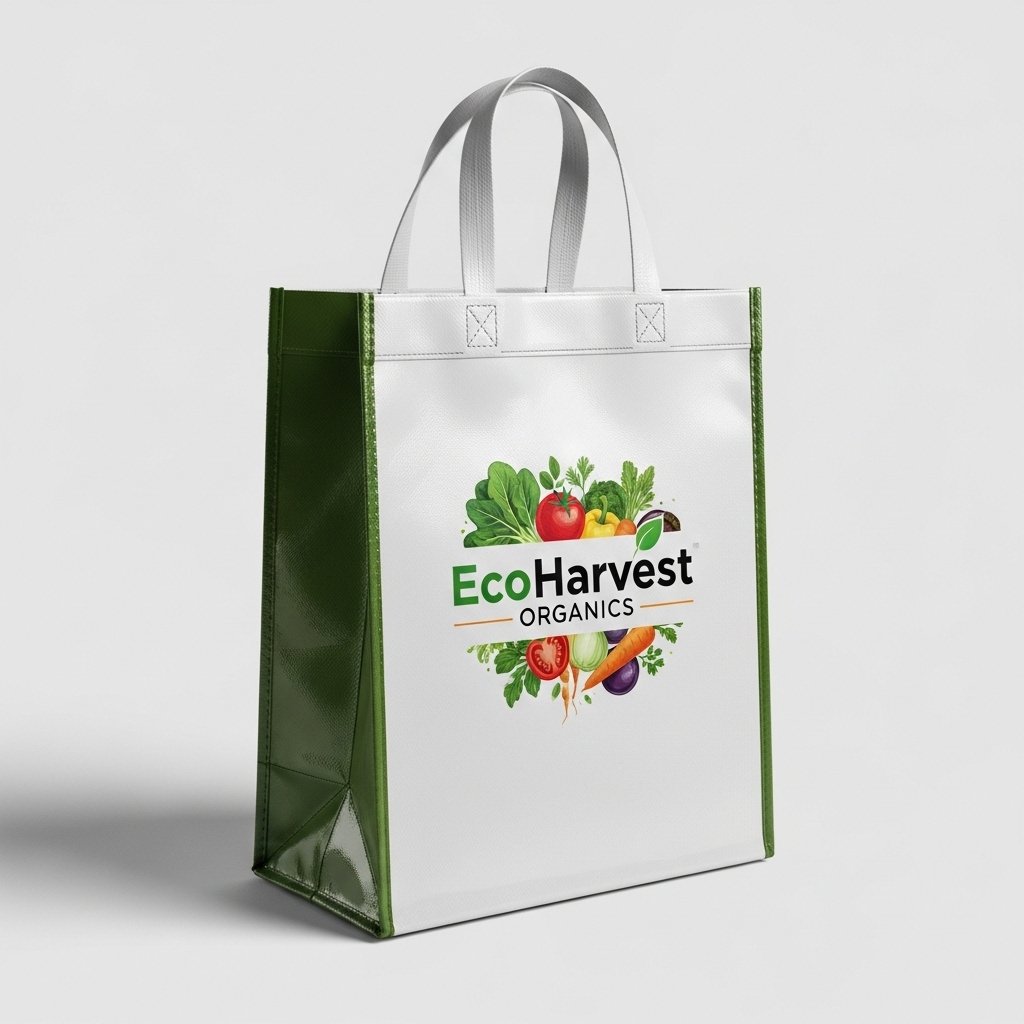
Woven laminated PP hit the sweet spot: durable enough for 50+ cycles, affordable enough for the $1.80 budget (at $1.35 per unit including printing), and the lamination layer allowed full-color photographic printing for both the logo and the nutrition message. Canvas exceeded budget by 78%. Non-woven failed the durability test.
Factory Selection: BSCI Audit and Production Capacity
The food bank required a factory with verified social compliance — nonprofit boards scrutinize supply chain ethics. The procurement team shortlisted three factories and selected one based on:
- BSCI audit report (rated B or above) — verified by a third-party inspection company
- Production capacity: 15,000 units/week — the factory committed to producing all 100,000 units within 5 weeks
- In-house printing: Lamination and printing done under one roof, avoiding quality gaps between subcontractors
- Export experience: The factory had shipped to US nonprofit organizations before and understood CPSIA compliance documentation
The factory quoted $1.35/unit FOB, with a 30% deposit and 70% balance against copy of bill of lading — standard terms for an order this size. The food bank’s finance team approved the payment structure because the balance was contingent on successful pre-shipment inspection.
Production and Quality Control: The Pre-Shipment Inspection That Saved the Order
At the 60% production mark, the third-party inspector found a problem: 12% of bags had misaligned handles — the attachment point was 15mm off-center, which didn’t affect function but looked visibly crooked. The food bank’s brand manager rejected the batch.
The factory corrected the jig alignment, reproduced the affected units, and passed the re-inspection 8 days later. This delay added $0.03/unit to the cost (rework labor) but prevented 12,000 defective bags from entering the distribution pipeline.
For buyers managing large bag orders, the lesson is clear: a supplier checklist with mandatory mid-production inspection catches problems when they’re still fixable at the factory — not after the container arrives at your warehouse.
If your organization is sourcing bags at scale, review our bag product range and send your spec — the same inspection and logistics discipline applies whether you order 1,000 or 100,000 units.
Shipping and Distribution: LCL to 4 Regional Hubs, Then LTL to 60 Pantries
The 100,000 bags weighed approximately 12,000 kg and packed into 48 CBM — too large for air freight, too time-sensitive for the slowest ocean service. The logistics plan:
- Ocean freight (LCL): Shanghai to Los Angeles, 18-day transit. The shipment was booked as less-than-container-load because the food bank didn’t have a full container’s worth of product — but at 48 CBM, they nearly filled one.
- Customs clearance: Pre-filed documentation cleared in 24 hours. The bags were classified under HTS 4202.92 (bags with outer surface of textile materials), duty rate 17.6% — but the food bank qualified for a duty exemption as a 501(c)(3) organization importing charitable distribution supplies.
- Domestic freight: Four LTL shipments from the LA warehouse to regional distribution hubs in Chicago, Atlanta, Dallas, and Newark. Each hub served 15 pantries within their state network.
- Last-mile delivery: Pantry volunteers picked up bags from regional hubs. No door-to-door delivery — the food bank’s model relies on recipient pickup at pantry locations.

The Numbers: Final Cost Breakdown
| Cost Component | Total | Per Unit |
|---|---|---|
| Factory production (100K units) | $135,000 | $1.35 |
| Ocean freight (LCL, 48 CBM) | $6,720 | $0.067 |
| Customs brokerage + ISF filing | $850 | $0.009 |
| Domestic LTL (4 shipments) | $4,200 | $0.042 |
| Third-party inspection (2 visits) | $1,800 | $0.018 |
| Rework (handle alignment correction) | $3,000 | $0.03 |
| Total landed cost | $151,570 | $1.516 |
Final per-unit cost: $1.52 — well within the $1.80 budget. The food bank had room to absorb the rework cost and still come in under budget.
Lessons for Commercial Bag Buyers
This food bank case study demonstrates principles that apply to any large-scale bag procurement:
- Material selection drives total cost of ownership. The cheapest unit price (non-woven at $0.45) would have failed within 8 uses. Woven laminated PP at $1.35 delivered 10x the lifespan at 3x the cost — a better cost-per-use ratio.
- Mid-production inspection catches expensive problems early. The handle alignment issue cost $3,000 to fix at the factory. If discovered after delivery, the rework or replacement cost would have been $15,000+ including return shipping.
- Payment terms protect both parties. The 30/70 structure with balance against B/L copy gave the food bank leverage to ensure quality before final payment.
- Logistics planning determines the real landed cost. Factory price was 89% of total cost. The remaining 11% — freight, customs, inspection, domestic delivery — was planned and budgeted separately.
Whether you’re sourcing reusable totes for a retail chain or donation bags for a nonprofit network, the sourcing principles remain the same: define durability requirements first, then match material and factory to those requirements — not to the lowest unit price.
Preguntas frecuentes
What material is best for reusable donation bags?
Woven laminated polypropylene offers the best balance of durability (50-80 use cycles), print quality (full-color photographic printing), and cost ($1-2 per unit at 100K quantity). Canvas lasts longer but costs 2-3x more. Non-woven PP is cheapest but only lasts 5-8 cycles.
How long does it take to produce 100,000 custom bags?
With a factory running 15,000 units/week capacity, production takes 5-6 weeks including sampling, approval, and mid-production inspection. Add 3-4 weeks for ocean freight and customs clearance. Total lead time from PO to delivery: 9-10 weeks.
Can nonprofit organizations get duty exemptions on imported bags?
Yes. US 501(c)(3) organizations importing goods for charitable distribution can qualify for duty exemptions under specific HTS provisions. You’ll need to file the exemption documentation with your customs broker before the shipment arrives. Not all bag types qualify — work with your broker to confirm eligibility.
What payment terms are standard for large bag orders?
The industry standard for orders over 50,000 units is 30% deposit with 70% balance against copy of bill of lading. This protects the buyer because the majority of payment is only released after the goods are manufactured and shipped. Learn more about payment terms for China bag orders.

0 comentarios