



Struggling to choose the right bag material? Let’s break down the world of fabric bags and why they matter.
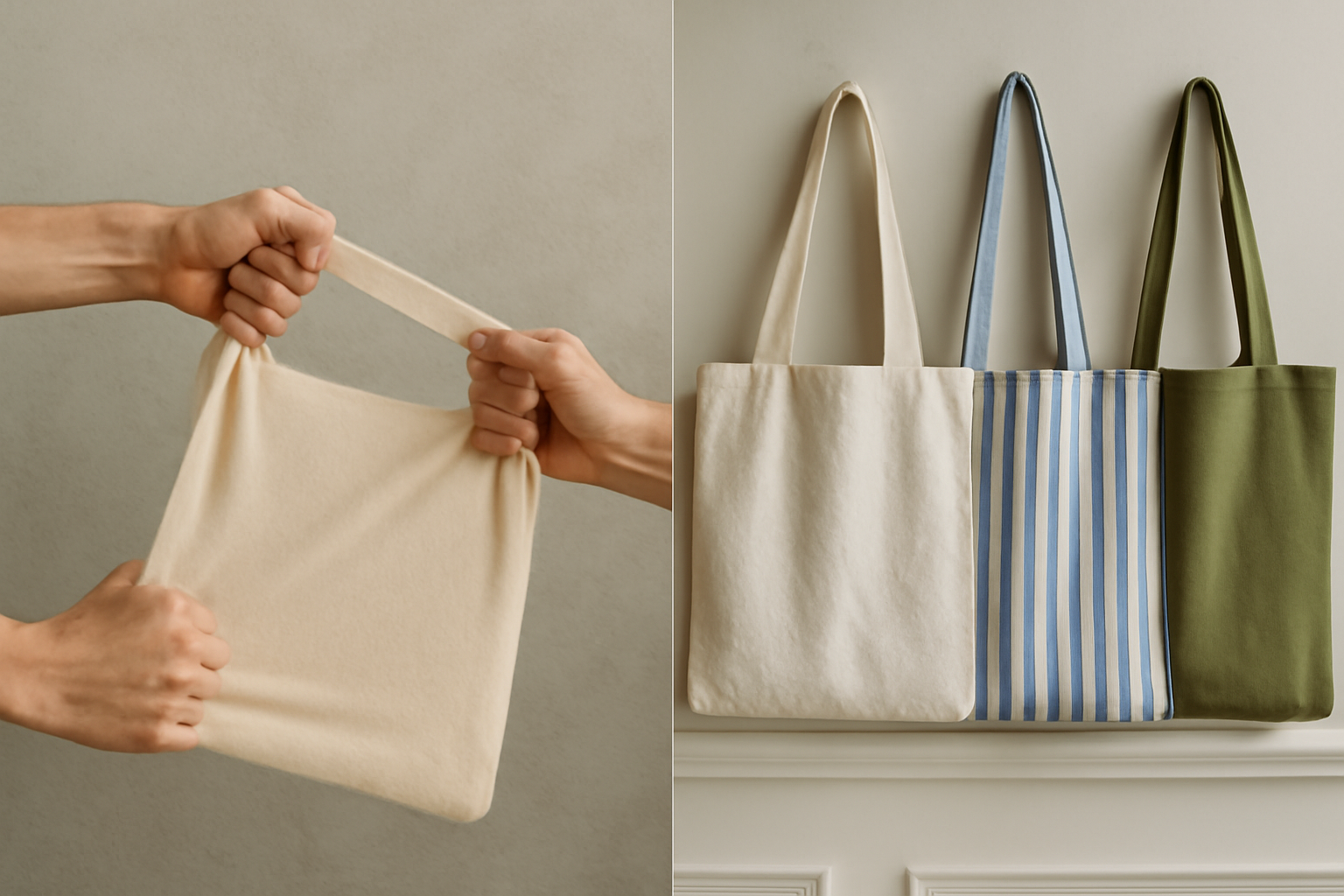
A fabric bag is a bag made from textile materials like cotton, polyester, jute, or canvas1, designed for carrying items sustainably.
Want to make smart sourcing decisions and avoid costly mistakes? Keep reading.
What is the fabric of a bag?
Confused by all the fabric choices? You’re not alone — picking the right material can feel overwhelming.
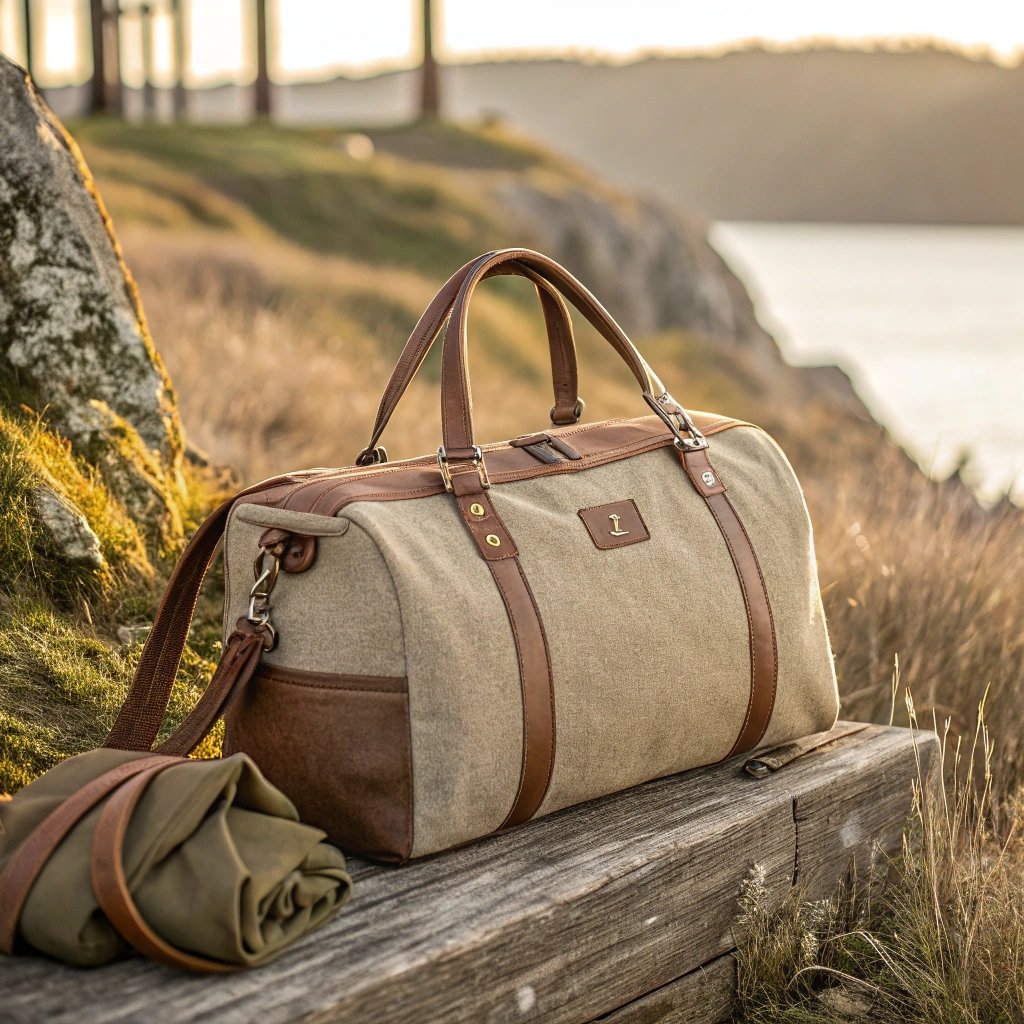
The fabric of a bag is the textile material, such as cotton, polyester, canvas, or jute, used in its construction.
Dive deeper: How do different fabrics affect bags?
Different fabrics change a bag’s look, strength, cost, and eco-impact2.
| Tipo de tejido | Características | Common Use Cases |
|---|---|---|
| Algodón | Soft, natural, biodegradable | Grocery, tote bags |
| Poliéster | Resistente y impermeable | Backpacks, gym bags |
| Yute | Eco-friendly, coarse texture | Promotional bags |
| Lienzo | Heavy-duty, stylish | Fashion totes, work bags |
I remember ordering cotton bags for a campaign, but they wore out faster than canvas — lesson learned!
What are cloth bags called?
Ever wondered what those simple fabric bags are officially called?
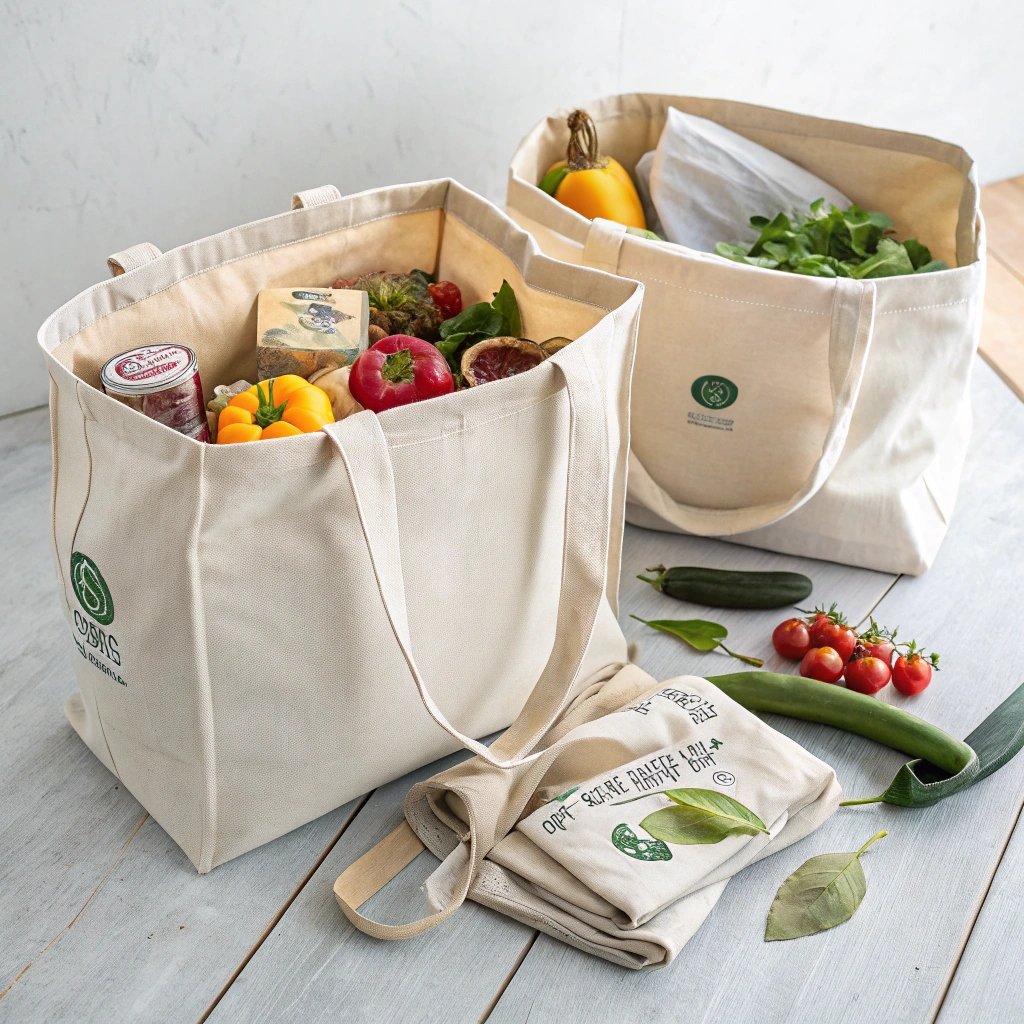
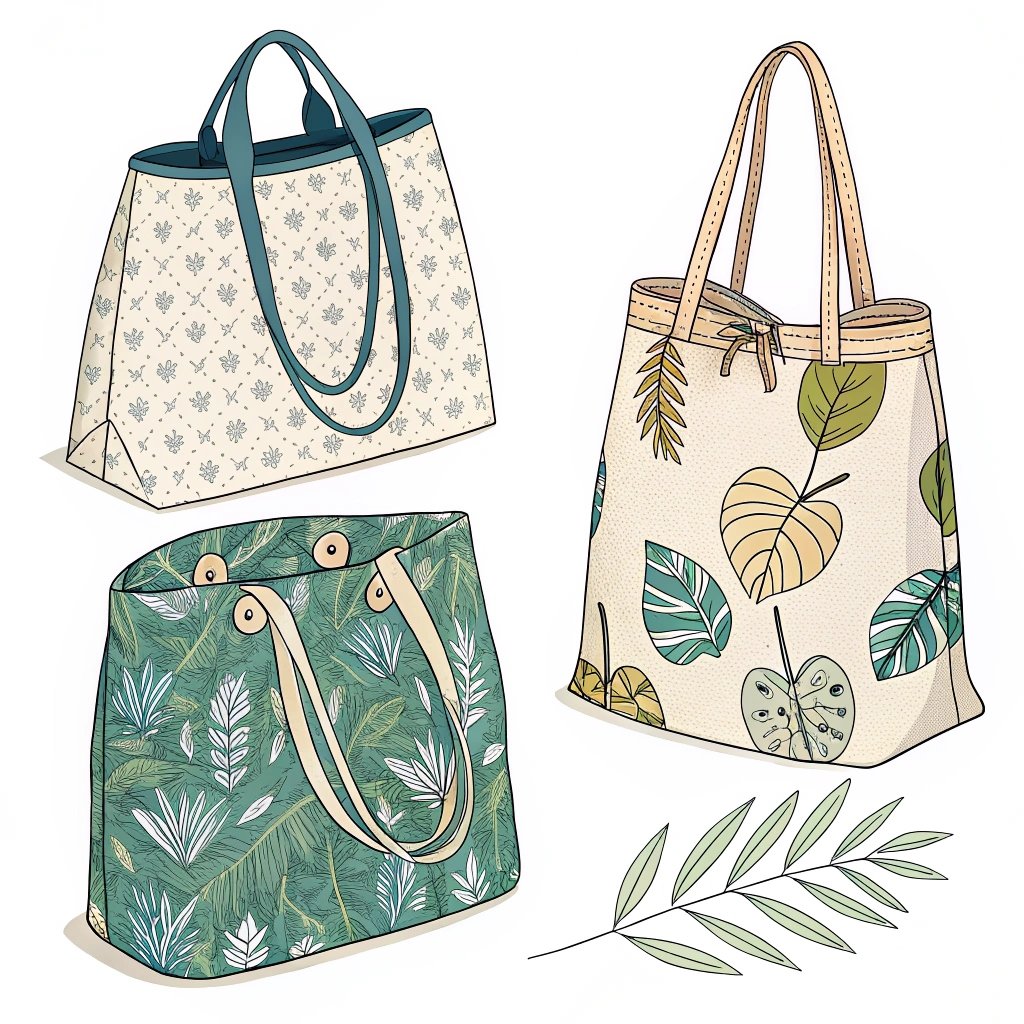
Cloth bags are often called tote bags, reusable bags, shopping bags, or drawstring bags3, depending on their design.
Dive deeper: Why do names matter?
Knowing the right name helps when sourcing or negotiating with suppliers.
| Name | Typical Use |
|---|---|
| Bolso de mano | Everyday shopping, branding |
| Cordón | Sports, casual use |
| Duffel | Travel, gym |
| Pouch | Accessories, makeup |
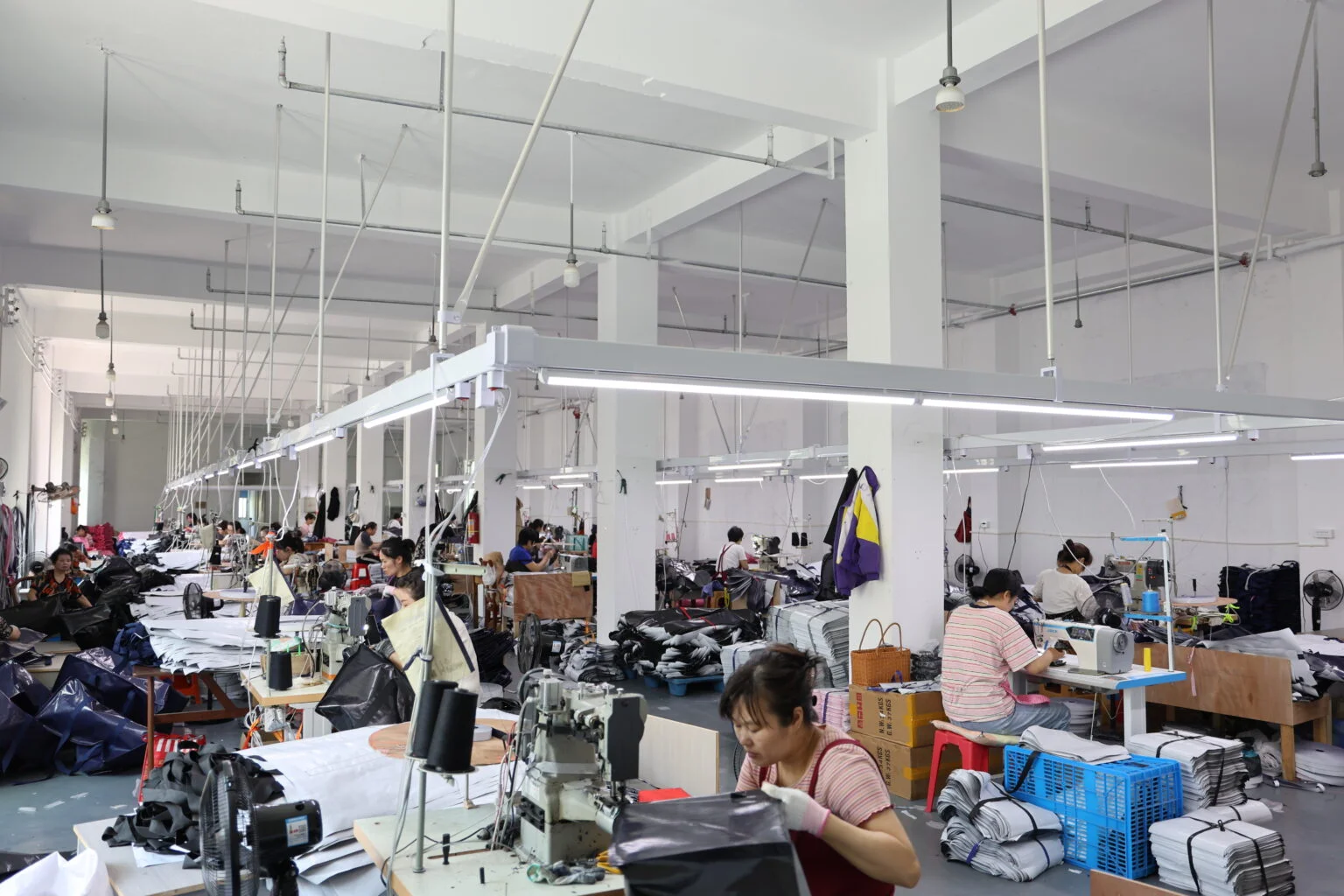
In my own factory experience, using precise names avoids costly mix-ups in production.
Why are cloth bags better than plastic bags?
Worried about the environmental impact of your packaging choices?
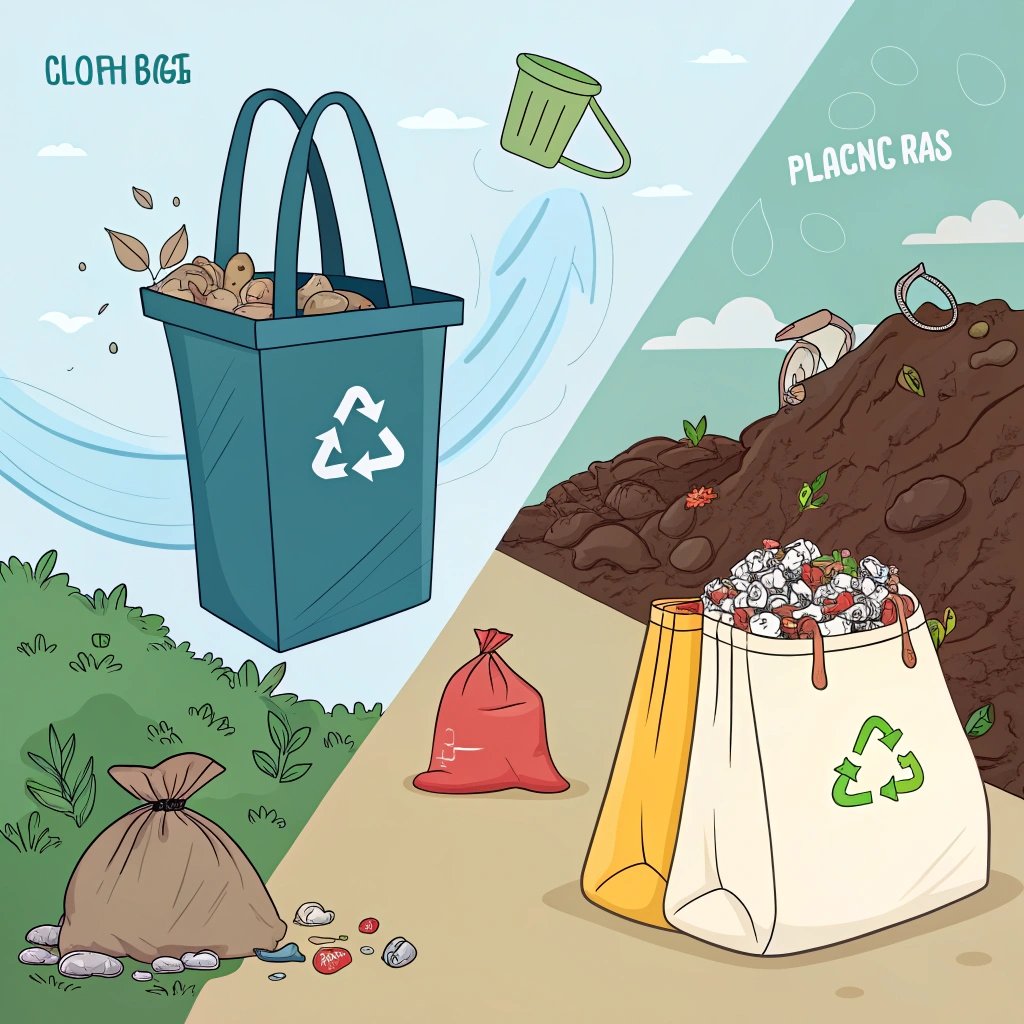
Cloth bags are better than plastic bags because they’re reusable, biodegradable, and have a lower environmental footprint4 over time.
Dive deeper: The sustainability debate
While cloth bags take more resources to produce, their reuse offsets this.
| Material | Impacto medioambiental |
|---|---|
| Plástico | High pollution, non-biodegradable |
| Cloth | Requires water, energy to produce, but reusable |
We once switched a client from plastic to RPET bags, and their brand reputation soared.
What material is woven fabric?
Not sure what “woven fabric” really means?
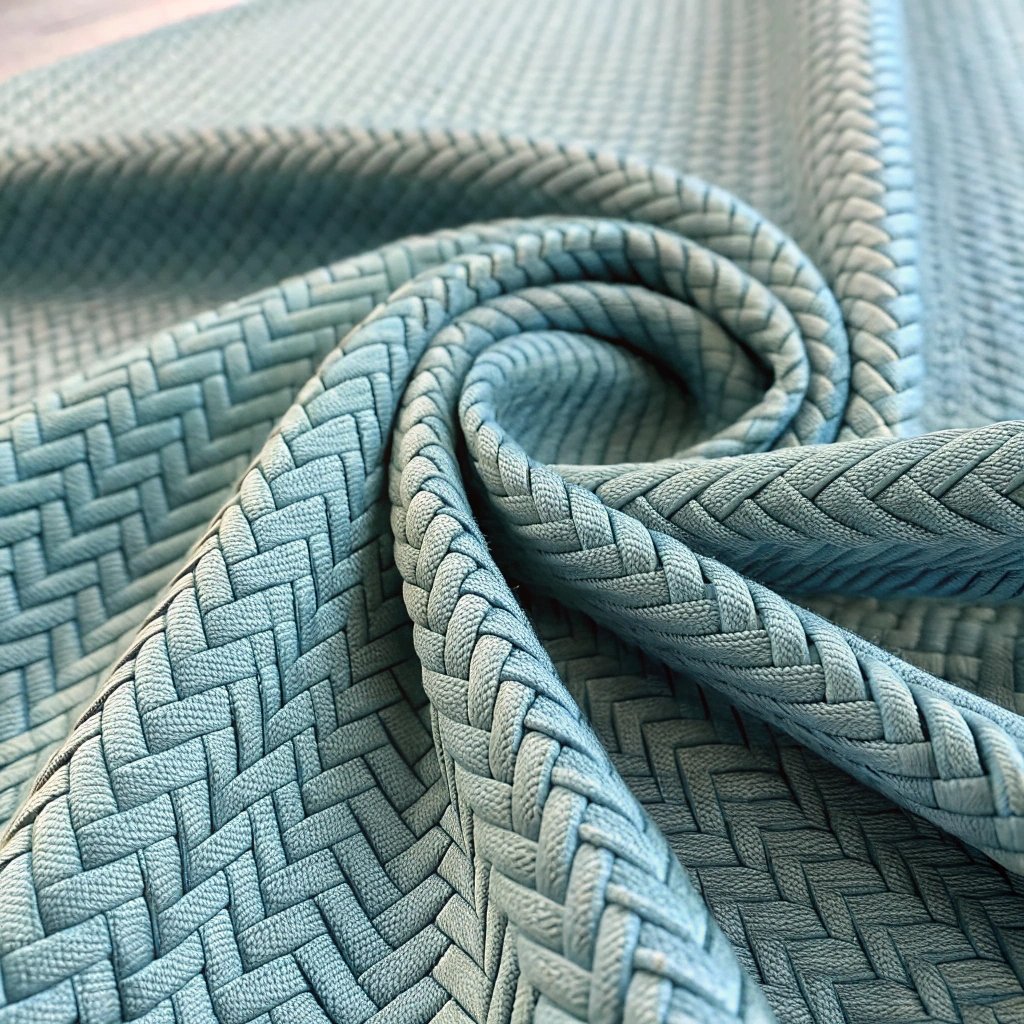
Woven fabric5 is made by interlacing two sets of yarns at right angles, creating a durable, structured textile.
Dive deeper: Why weaving matters
| Tejido | Características |
|---|---|
| Lona de algodón | Breathable, strong |
| Poliéster | Sturdy, wrinkle-resistant |
Understanding this helps me explain to buyers why woven bags last longer than non-woven ones.
What kind of fabric is used for tote bags?
Planning a new tote bag line?
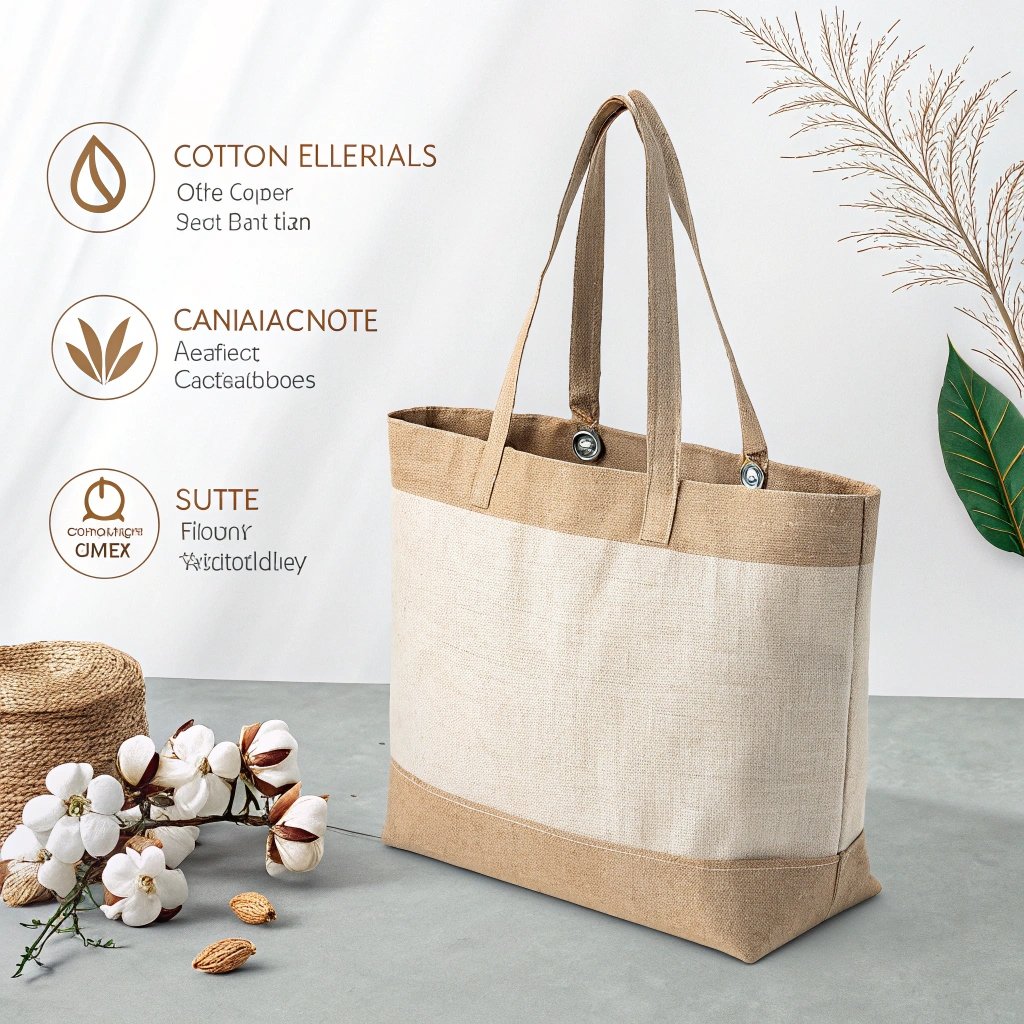
Most tote bags use cotton, canvas, or jute6, combining durability with a natural, stylish look.
Dive deeper: Balancing form and function
| Tejido | Pros | Contras |
|---|---|---|
| Algodón | Suave y respetuoso con el medio ambiente | Less durable when wet |
| Lienzo | Durable, trendy | Heavier, pricier |
| Yute | Rustic, sustainable | Rough texture |
I’ve worked with brands that customize canvas totes with logos — they fly off shelves!
What are handmade bags made of?
Curious about artisan-made bags?
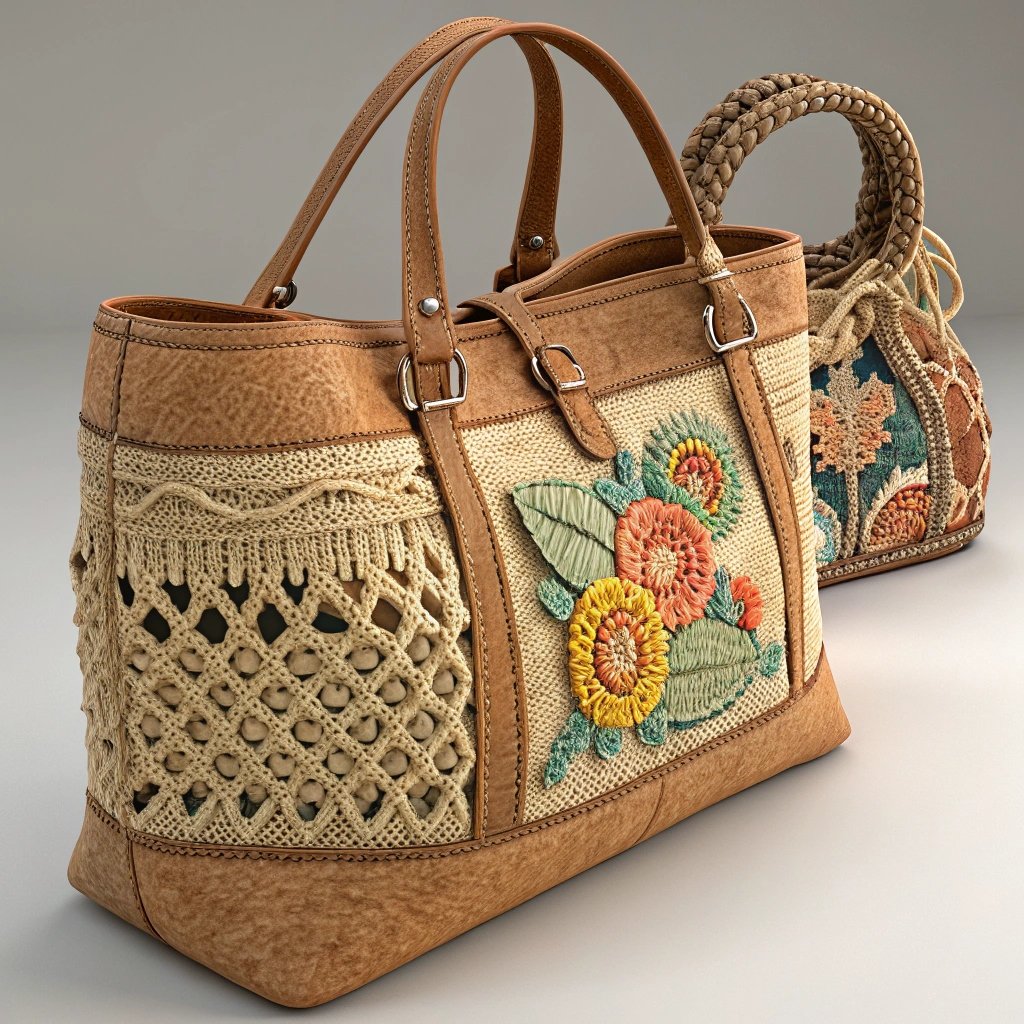
Handmade bags are often crafted from leather, canvas, jute, or crochet yarn7, giving them a unique, artisanal touch.
Dive deeper: Handmade appeal
| Material | Appeal |
|---|---|
| Piel | Lujoso y duradero |
| Lienzo | Rugged, casual |
| Crochet yarn | Artistic, delicate |
Some of our clients choose handmade jute bags for exclusive promotions — they stand out instantly.
What do you call the fabric inside a bag?
Ever peek inside a bag and wonder what that lining is?
The fabric inside a bag is called the lining8, often made of polyester, nylon, or cotton to protect the bag’s interior.
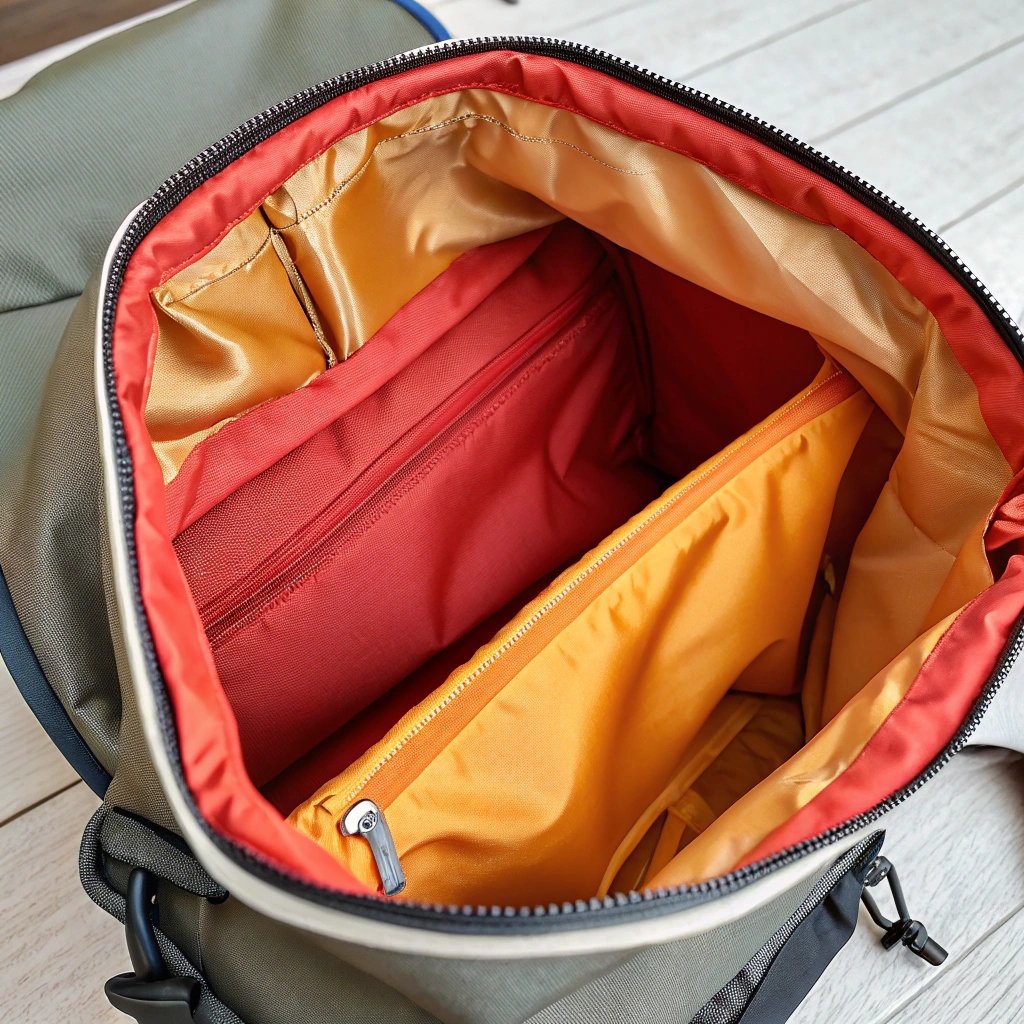
Dive deeper: Why lining matters
| Lining Fabric | Beneficios |
|---|---|
| Poliéster | Water-resistant, smooth |
| Nylon | Lightweight, tough |
| Algodón | Soft, natural feel |
When I advise buyers, I always stress how lining can boost perceived product quality.
What are woven bags made of?
Need clarity on woven bags?
Woven bags are made of interlaced materials like polypropylene, jute, or cotton, offering strength and reusability9.
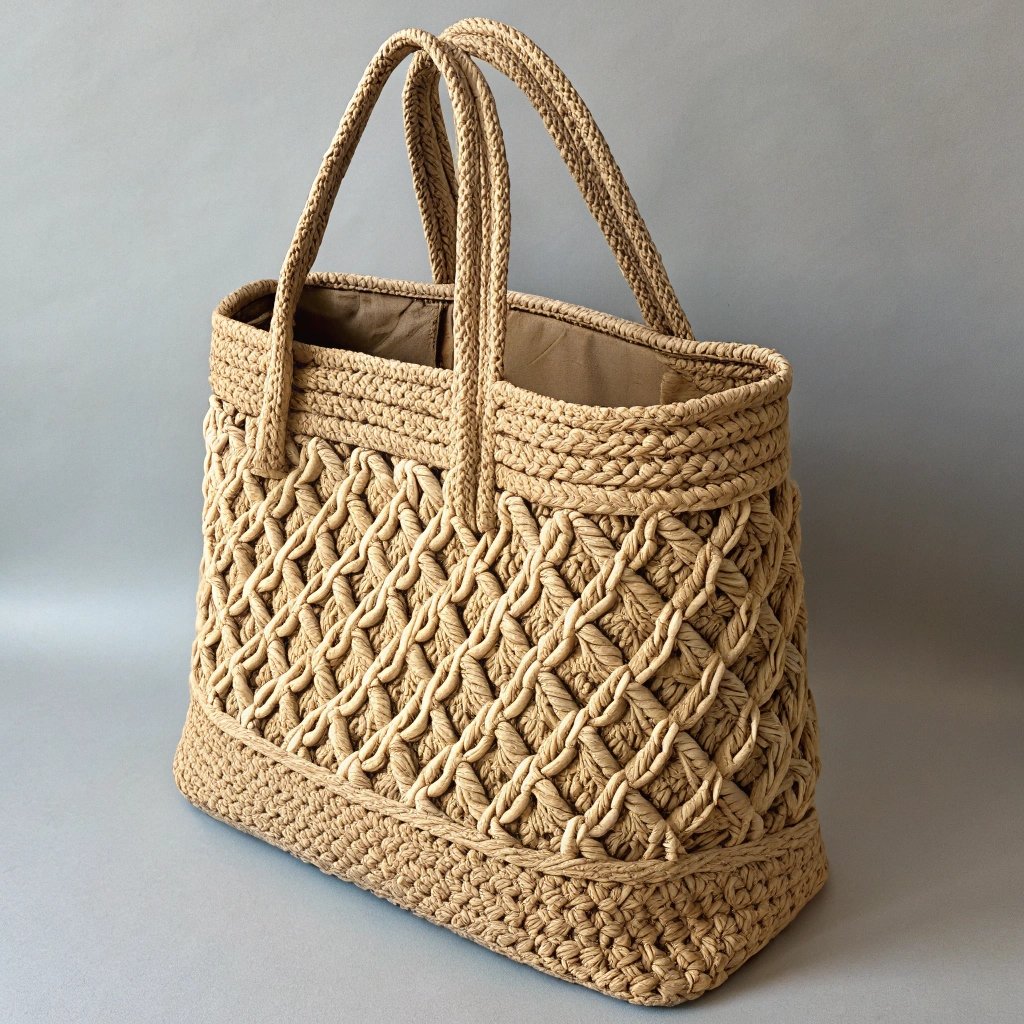
Dive deeper: Where woven bags shine
| Material | Use Cases |
|---|---|
| Polipropileno | Rice, grain sacks |
| Yute | Shopping, promo bags |
| Algodón | Fashion, groceries |
We helped a supermarket chain switch to jute woven bags — customers loved the eco-friendly vibe.
What is fabric bagging?
Heard the term “fabric bagging” but unsure what it means?
Fabric bagging is a sewing issue where fabric sags or puckers, creating a loose, ill-fitting appearance10.
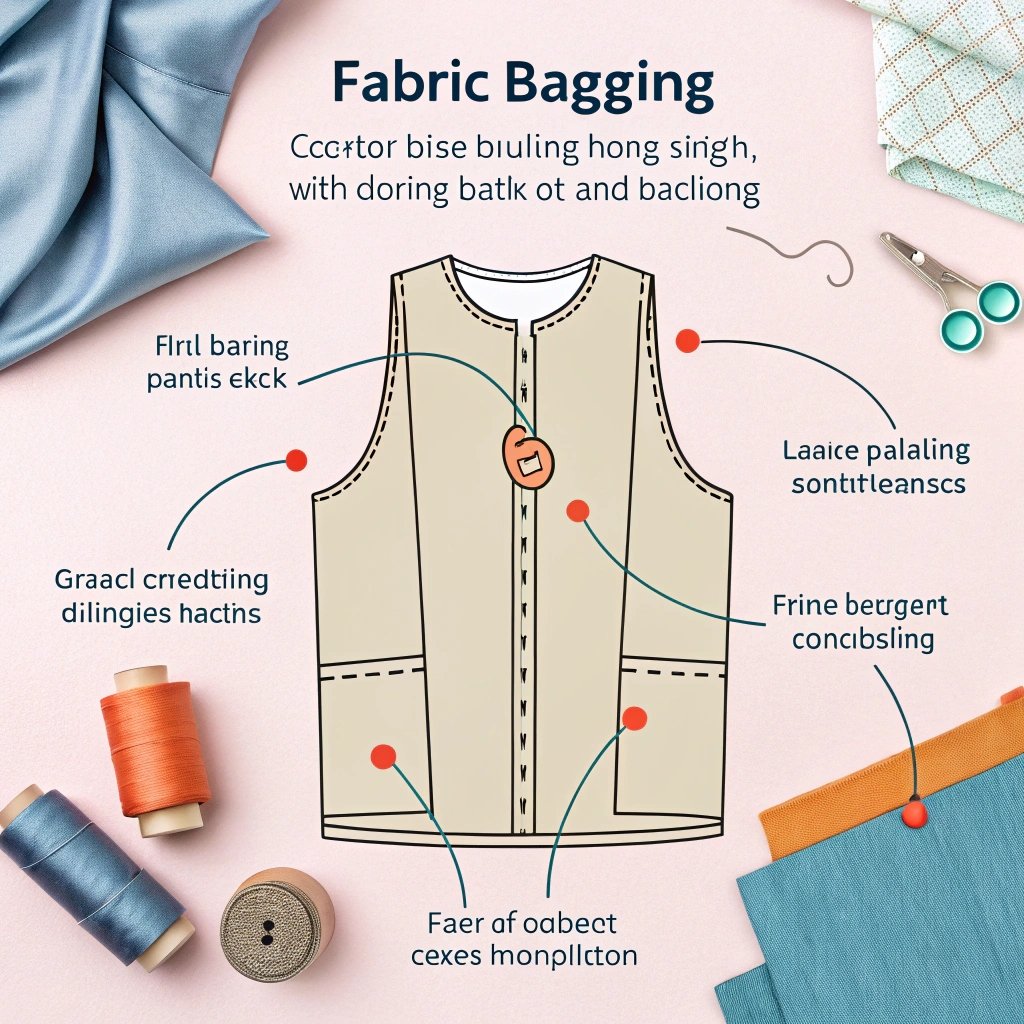
Dive deeper: Avoiding bagging in production
| Causa | Solución |
|---|---|
| Poor fabric choice | Select stable fabrics |
| Incorrect tension | Adjust sewing machines |
| Weak stitching | Use stronger thread |
During production runs, we monitor for bagging — it’s a top complaint from retailers if missed.
Conclusión
Fabric bags combine function, style, and sustainability, making them a smart choice for modern buyers.
-
Understand key fabric types and their unique properties. ↩
-
Learn how fabric choice impacts environmental sustainability. ↩
-
Know bag types to improve sourcing and communication. ↩
-
Understand why cloth beats plastic over the product life cycle. ↩
-
Discover how weaving increases fabric strength and lifespan. ↩
-
Learn why jute is valued for tote bag production. ↩
-
Explore why handmade materials create unique, premium bags. ↩
-
Understand the role of bag linings in durability. ↩
-
Learn why woven construction boosts bag strength. ↩
-
Understand fabric bagging issues and prevention in manufacturing. ↩

0 comentarios