



Quick answer: Woven bag fabric density is quoted as GSM and weave count, and the two must be ordered together. A 10 oz canvas at 339 GSM with a 12 by 12 weave holds 12 kg in a tote handle, while an 80 GSM PP woven body at 10 by 10 holds 20 kg only because the weave, not the weight, carries the load.
GSM Against Weave Count
Fabric weight alone does not set load. Two rolls can share a 300 GSM figure and differ by 30 percent in tear strength, because one uses coarser yarn at a looser sett and the other uses finer yarn at a denser sett. Buyers who quote only GSM receive inconsistent bags across repeat orders.
- GSM: grams per square metre, measured on a 100 square centimetre die cut sample.
- Weave count: warp and weft yarns per inch, written as 12 by 12 or 14 by 14.
- Yarn count: the thickness of the yarn itself, in denier or in cotton count.
- Cover factor: the ratio of yarn width to spacing, which decides how much light passes through.
- Tolerance: plus or minus 5 percent on GSM is the accepted band in woven textile orders.
Weight Bands And What They Carry
The table below covers the fabric weights most often ordered for retail, promotional and moving programmes, with the load each one handles in a sewn tote with a box X stitch at the handle root.
| Tejido | Weight oz | GSM | Weave count | Tensile warp by weft | Load at handle |
|---|---|---|---|---|---|
| Light cotton sheeting | 6 oz | 203 | 10 by 10 | 280 N by 240 N | 5 to 6 kg |
| Standard canvas | 8 oz | 271 | 12 by 12 | 380 N by 330 N | 8 to 10 kg |
| Lona gruesa | 10 oz | 339 | 12 by 12 | 470 N by 410 N | 12 kg |
| Duck canvas | 12 oz | 407 | 14 by 14 | 560 N by 490 N | 15 kg |
| Heavy duck | 16 oz | 542 | 14 by 14 | 690 N by 610 N | 20 to 22 kg |
| PP woven body | not used | 80 | 10 by 10 | broken strip 620 N | 20 to 25 kg |
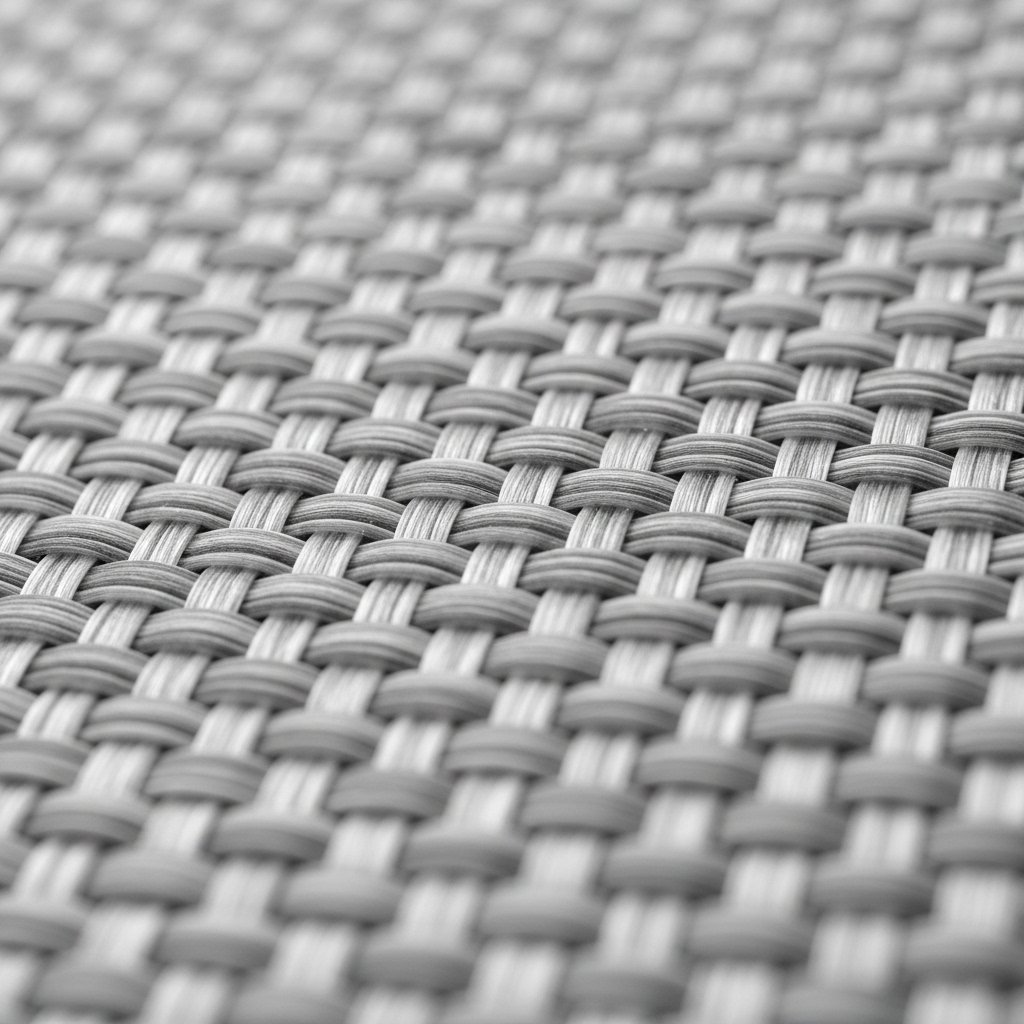
How Density Is Tested On The Line
A fabric check takes four steps and about 20 minutes, and it catches the mismatch that causes field failures later. A factory that runs it on every roll records the figures against the roll number so a complaint can be traced back to a batch.
- Cut three 100 square centimetre samples with a round die, 150 mm from the selvedge.
- Condition them at 20 C and 65 percent relative humidity for 4 hours.
- Weigh each sample on a 0.01 g balance and multiply by 100 for the GSM figure.
- Count yarns over 25 mm with a pick glass, then multiply by 1.016 for the count per inch.
- Pull warp and weft strips on a tensile frame to record break load.
A spread of more than 5 percent between the three samples means the loom was running uneven tension, and the roll should be held rather than cut.
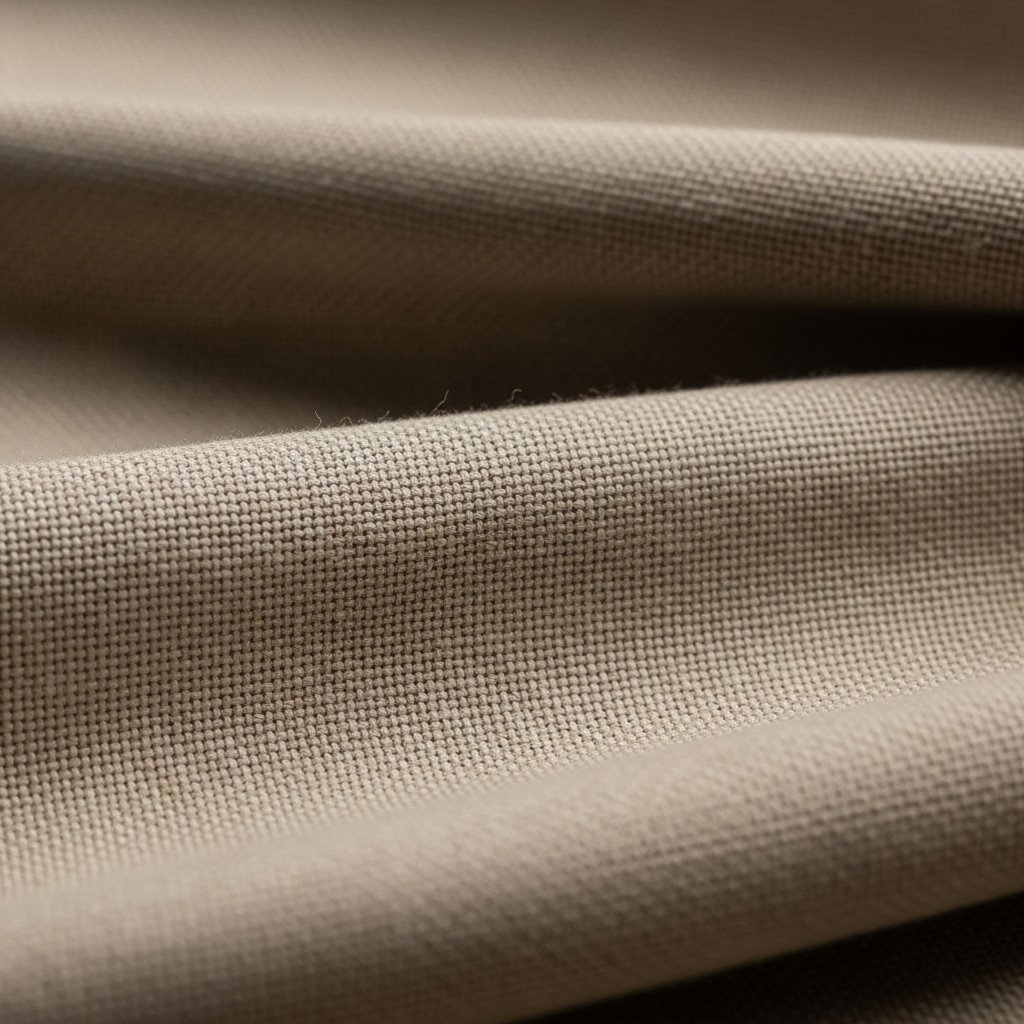
Where Density Decisions Go Wrong
Three faults repeat across woven bag programmes. The buyer upgrades GSM to solve a strap failure that originated at the stitch, the supplier substitutes a coated yarn to hit weight and loses tear strength, and the order ships at 8 percent below the quoted GSM with no test report to prove it.
A single upgrade from 8 oz to 10 oz adds around 25 percent to fabric cost and does not fix a handle that was only bar tacked. Move the fix to the handle root with a box X stitch and a 30 mm reinforcement panel first, and step up the fabric only when the load per handle exceeds 12 kg. Where weight matters more than tear, a 462 GSM recycled blend can be specified instead, and the fibre content then follows the recycled fibre route used across heavy duty bag ranges.
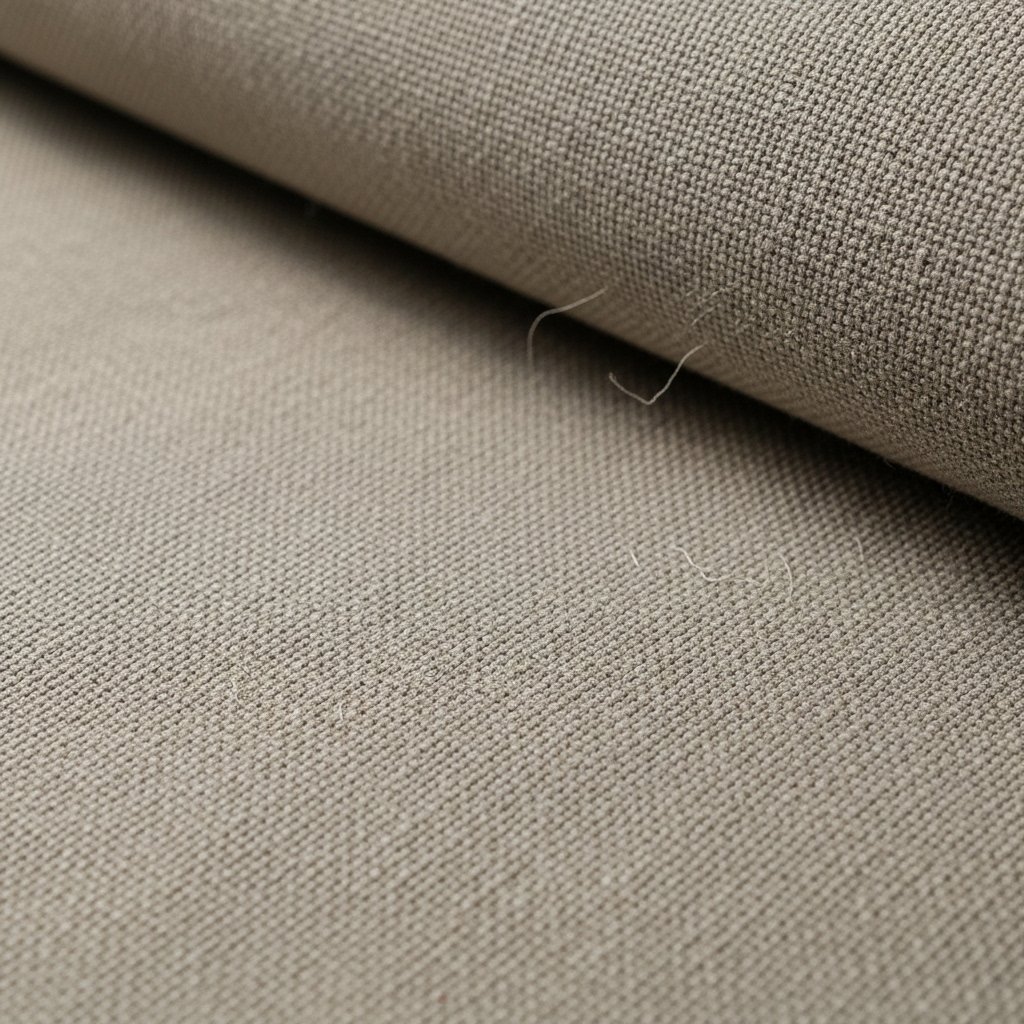
Writing The Fabric Line In A Purchase Order
A fabric line needs six values: weight in oz, GSM, weave count, yarn type, colour fastness grade and GSM tolerance. Leaving out the weave count is the most common gap, and it is the value that decides whether a repeat order matches the first one.
Ask for the mill test report with each roll lot and keep the first approved sample sealed. Stitch performance is the next variable once the fabric is set, and the picks per inch that match the fabric weight are set out in stitch density per inch for bags.
Preguntas frecuentes
What is GSM in woven bag fabric?
Grams per square metre, measured from a 100 square centimetre die cut sample. It is quoted with weave count because weight alone does not set tear strength.
What GSM is a 10 oz canvas bag?
A 10 oz canvas measures about 339 GSM. Standard 8 oz runs 271 GSM and 12 oz duck runs 407 GSM, each within a 5 percent band.
How much weight does a 12 oz canvas tote hold?
About 15 kg at the handle when the roots carry a box X stitch. A plain bar tack at the same fabric weight drops the figure to around 9 kg.
How do I verify fabric density on delivery?
Ask for the mill test report per roll lot, then cut three samples and weigh them. A spread over 5 percent between samples signals uneven loom tension.
Buyers setting a specification can review woven and non woven options on bag materials, and the fibre mix used on load bearing ranges sits in bolsas resistentes fabricadas con fibra posconsumo. Stitching values that pair with each fabric weight are covered in stitch density per inch for bags. Test methods for woven textile strength follow the standards published by ASTM International.

0 comentarios