...
Fábrica auditada por la BSCI | DDP Envío a EE.UU./UE/AU

AQL for Bag Orders: Choosing Levels, Limits, and Sample Sizes

Tiempo de lectura: ( Word Count: )

agosto 30, 2026

AQL for Bag Orders: Choosing Levels, Limits, and Sample Sizes

If you order bags in bulk, the day the container arrives you cannot check every bag. You check a sample, and from that sample you decide whether the whole batch passes. That decision is where AQL comes in. AQL (Acceptable Quality Limit) is a sampling standard that tells you how many bags to pull and how many defects are acceptable before a batch fails.

This guide explains AQL for bag orders, how to choose an inspection level, how to read a defect limit, and what sample size to specify so you are not guessing at the quality of your shipment.

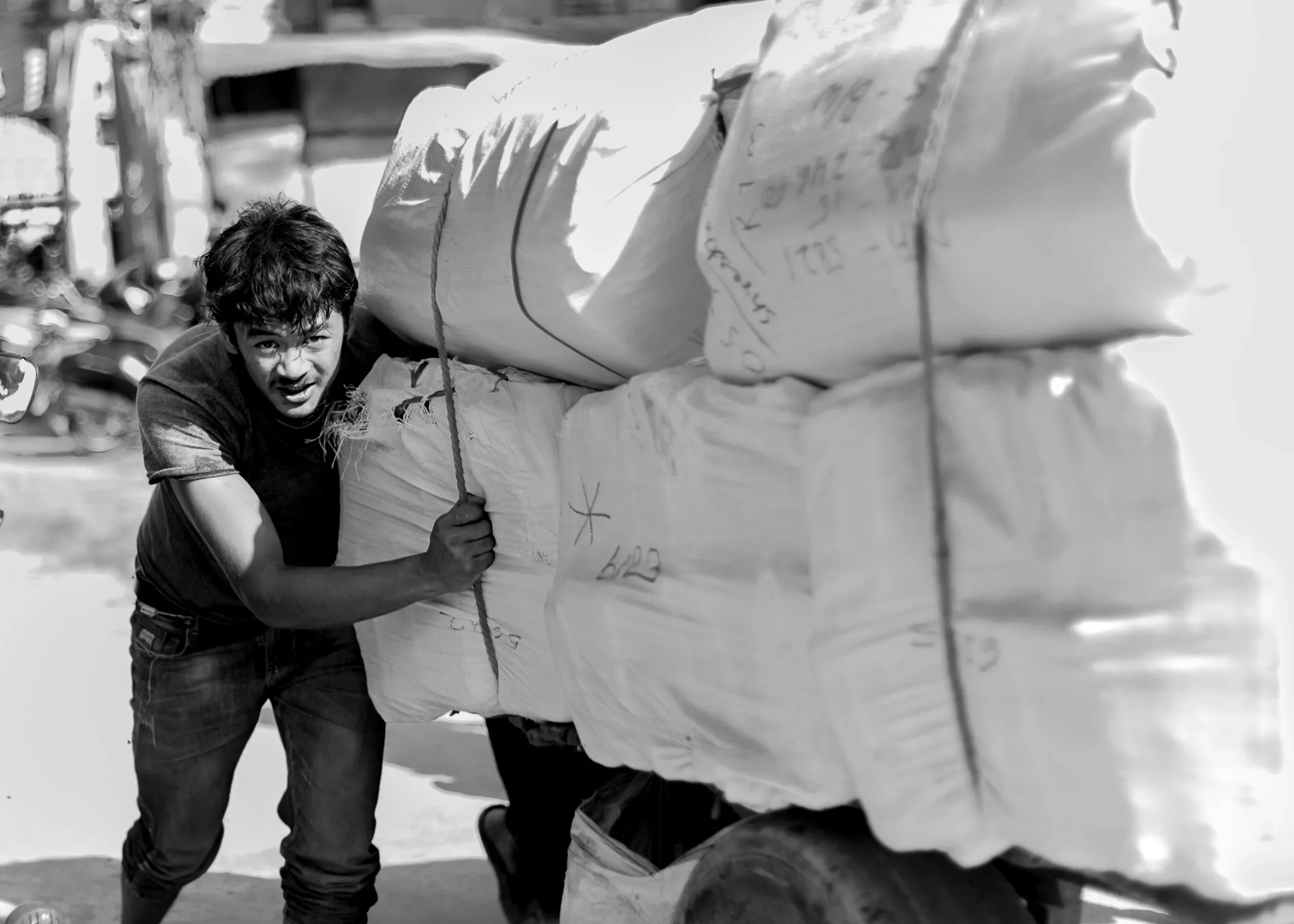
AQL quality standard logo for bag inspection

What AQL actually is

AQL is a sampling plan based on the idea that a small amount of defect is accepted rather than zero. In a large batch, pulling a sample and measuring its defects gives a statistical read on the whole batch. The AQL number is the maximum percent defect you are willing to accept. For bags, a common AQL is 2.5, meaning up to 2.5% of the batch may be defective and still pass. A tighter AQL like 1.0 is stricter and is used for higher-risk or higher-value items.

Choosing the inspection level

There are general inspection levels (I, II, III). Level II is the most common default for a general consumer product. Level I is lighter, used when you have a strong supplier history. Level III is tighter, used when the product matters more or the risk is higher. For a bag order, start at Level II and move tighter only if the bag is a premium or critical item.

Reading the defect limit

Each AQL plan gives a sample size and an accept/reject number. If the sample has fewer defects than the accept number, the batch passes; if it has more, it fails or needs a full re-check. The limit is set per defect type — a critical defect (broken handle, torn seam) is treated more strictly than a minor cosmetic one. That is why the AQL plan separates critical, major and minor defects.

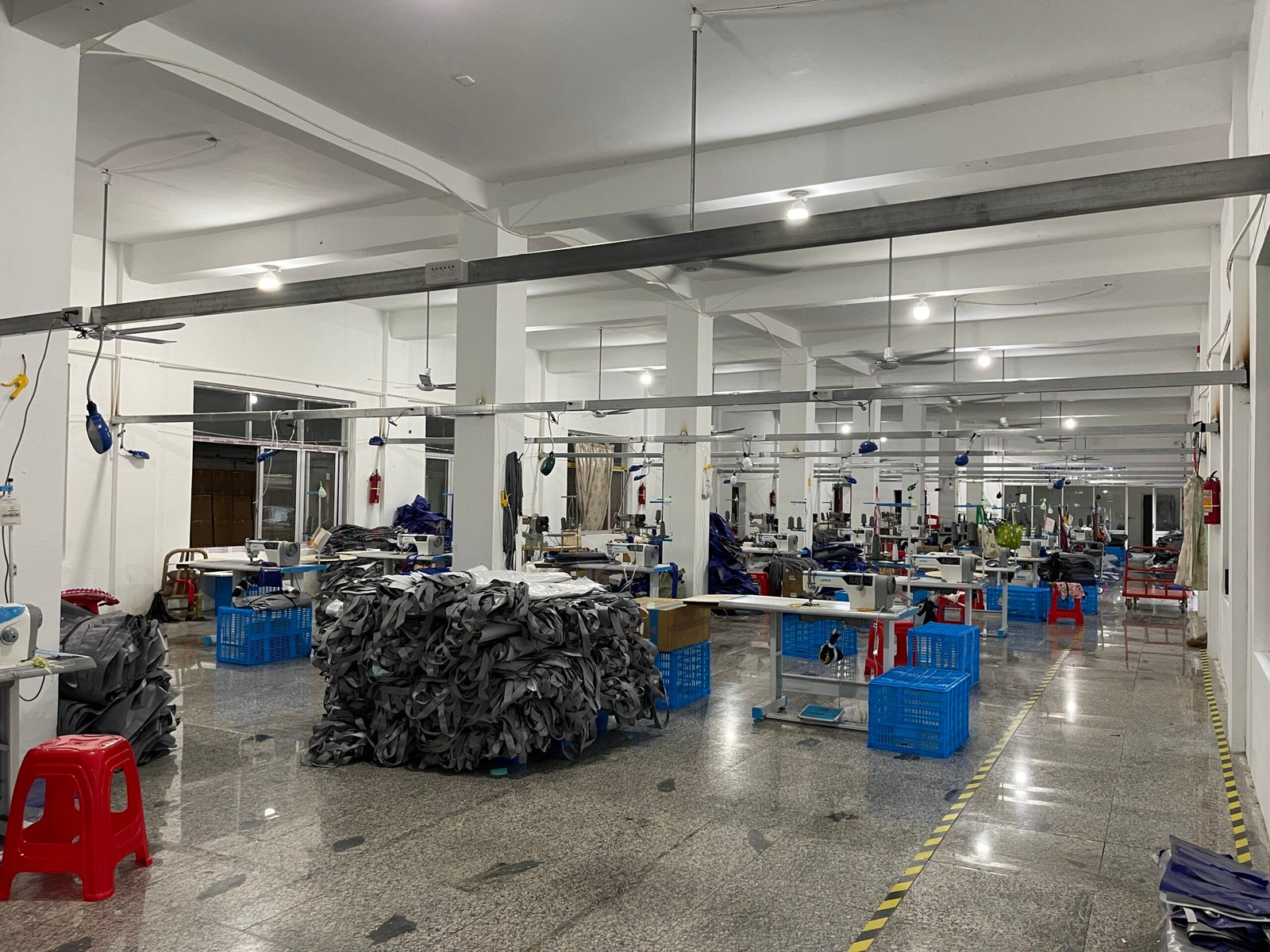
quality control inspection of bags before shipping

How to set the sample size

The sample size is pulled from the delivered quantity using the AQL table, at your chosen level. You do not pick a random sample size; the table tells you how many to inspect for a given batch and level. Setting it correctly gives a reliable read without inspecting the whole container. Our 5 pre-shipment inspections guide shows how the sampling fits into a bag QC workflow.

Why this matters for a bag order

Without an AQL plan, a buyer either inspects everything (expensive) or trusts the lot (risky). AQL gives a defensible middle. It lets you hold the supplier to a measurable standard and agree it up front, so there is no argument after the batch arrives. A factory audit checklist and a near-zero-defect audit show that a good factory makes meeting the AQL easier to begin with.

For a custom order, agree the AQL before production and confirm the quality checks that the supplier runs. For import context, the US International Trade Administration publishes useful reference data. When AQL is set up front, a bag order has a clear pass/fail standard instead of a post-shipment dispute.

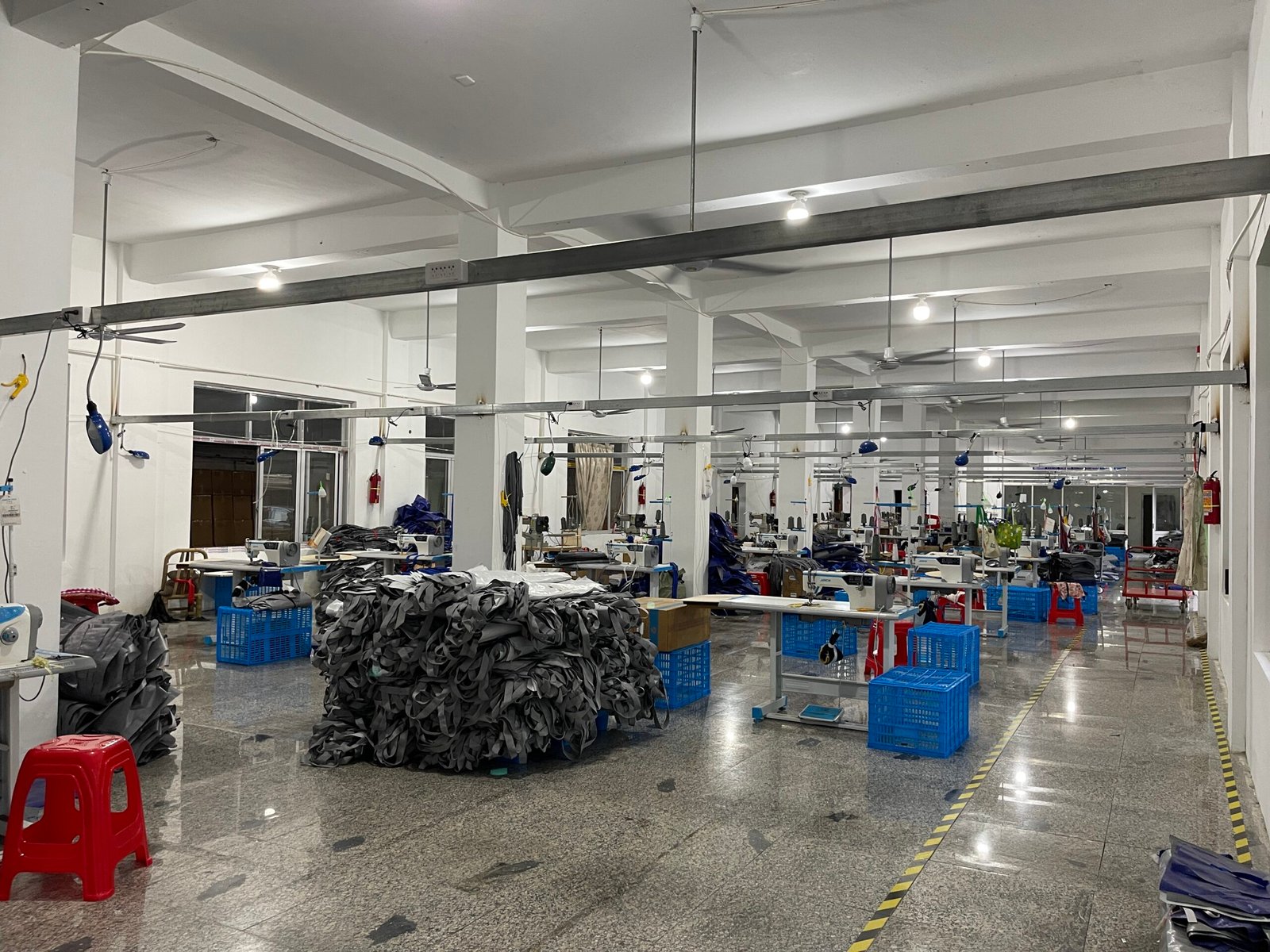
final quality control check on a bag production line

Conclusión

AQL turns a vague quality expectation into a measurable pass/fail standard for a bag order. Choose the inspection level, read the defect limit, and set the sample size from the table — and agree it with the factory before production. That single step removes the biggest source of argument on a bulk bag order, and gives you a defensible way to accept or reject a container.

YouTube Embedded Web Player 官方演示


En este puesto

    Nick

    Nick

    Autor

    Hola, soy Nick. Con más de 10 años de experiencia en el sector del embalaje, soy el puente entre las marcas minoristas globales y la fabricación directa de fábrica. En TIIO, ayudamos a las empresas de logística y a los minoristas suministrando bolsas de transporte de alta resistencia y soluciones térmicas sin los quebraderos de cabeza de las complejas cadenas de suministro.

    Nos encargamos de todo, desde el aprovisionamiento de materias primas hasta la logística DDP, para que usted pueda centrarse en ampliar su negocio. Ya no tendrá que lidiar con problemas de calidad o retrasos en los envíos: hacemos que el proceso de aprovisionamiento sea fluido y fiable.

    Mi pasión por esta industria es muy personal. Recuerdo una noche en la fábrica, supervisando la carga de bolsas ecológicas para un cliente. Mientras veía cómo se llenaban los contenedores, pensaba en mi hija pequeña, que esperaba en casa. Ella es mi inspiración para impulsar productos sostenibles y más ecológicos. Cada pedido que hacemos no es sólo un negocio, es un paso hacia un futuro más limpio para su generación.

    Siempre me entusiasma colaborar con socios que valoran la calidad y la sostenibilidad. Conectemos y crezcamos juntos.


    También te puede gustar...

    0 comentarios

    ¡Hola! Chatee con nuestro equipo de asistencia.