



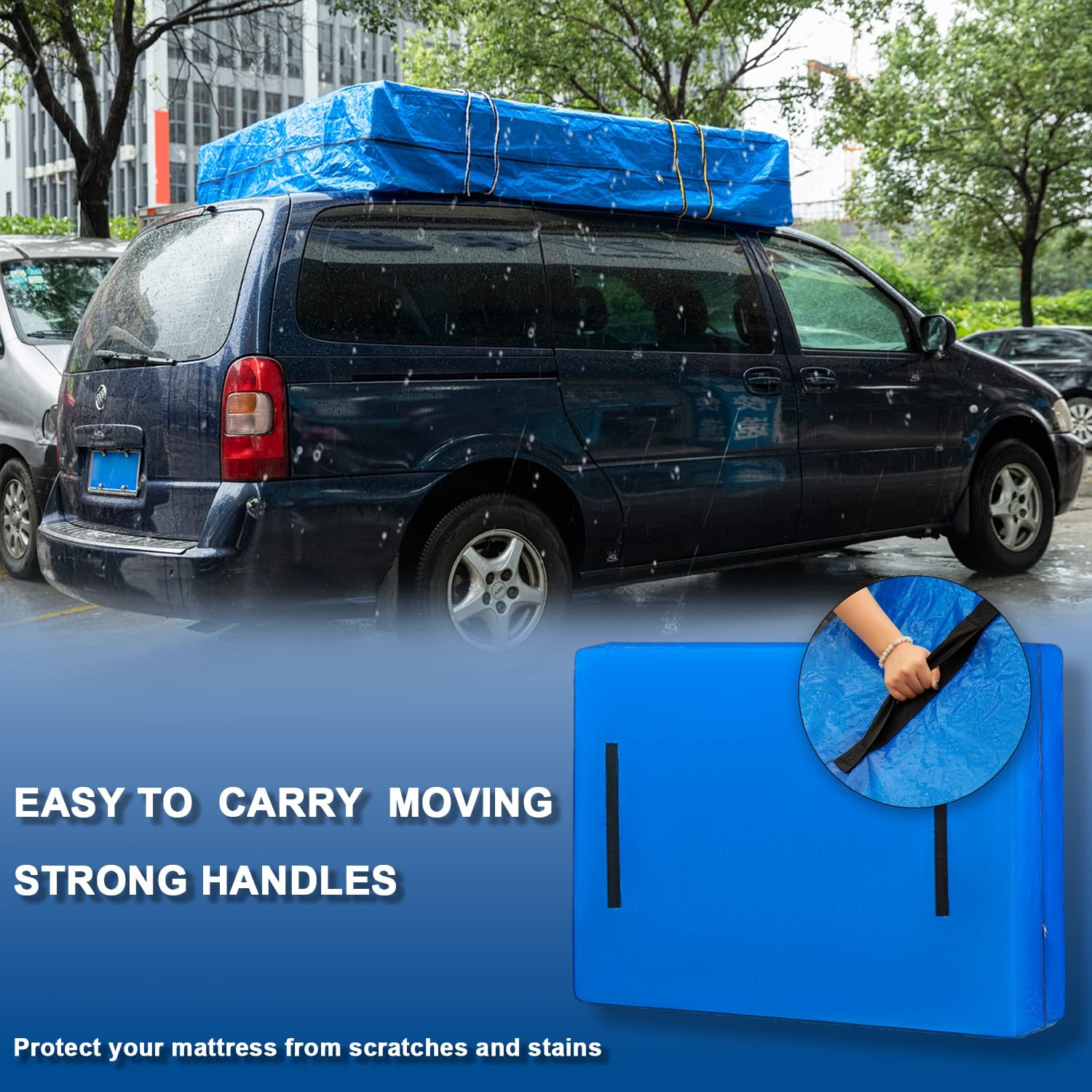
custom logistics bags case study is the first checkpoint buyers should lock before they approve a supplier, budget, or production slot. Picture this: your procurement team signs off on a muestra de preproducción after three rounds of revisions, then the full production run arrives at your distribution center and the color is off by a half shade, the handle stitching feels loose, and the bag dimensions don’t match the spec sheet. That $50k order of custom logistics bags suddenly becomes a fire drill — returns, credit notes, and a scramble to find backup stock. I’ve seen that exact scenario play out across a dozen countries, and it’s why I pay close attention to how a factory manages sample approval and quality tolerance from day one. This case study walks through how one national retail chain avoided that nightmare while scaling their branded moving bags across 500-plus stores.
The numbers tell the real story here. By moving from a standard 600D fabric to a 900D Oxford weave, the chain cut per-unit cost by 28% while cutting bag replacement rates in half. That’s not a typo — they upgraded durability and reduced cost simultaneously, something that only works when you control production directly. Digital color matching shaved a full week off the pre-production sample cycle, letting them kick off production inside 30 days. And because we structured the MOQ at 500 units per store design, they could run seasonal branding without tying up cash in dead inventory. The co-branded packaging with store-specific SKU labels also cut in-store sorting time by 40% and nearly eliminated mis-shipments. For any logistics procurement manager evaluating a custom logistics bags OEM case study, those are the kind of operational gains that justify switching from off-the-shelf sourcing.
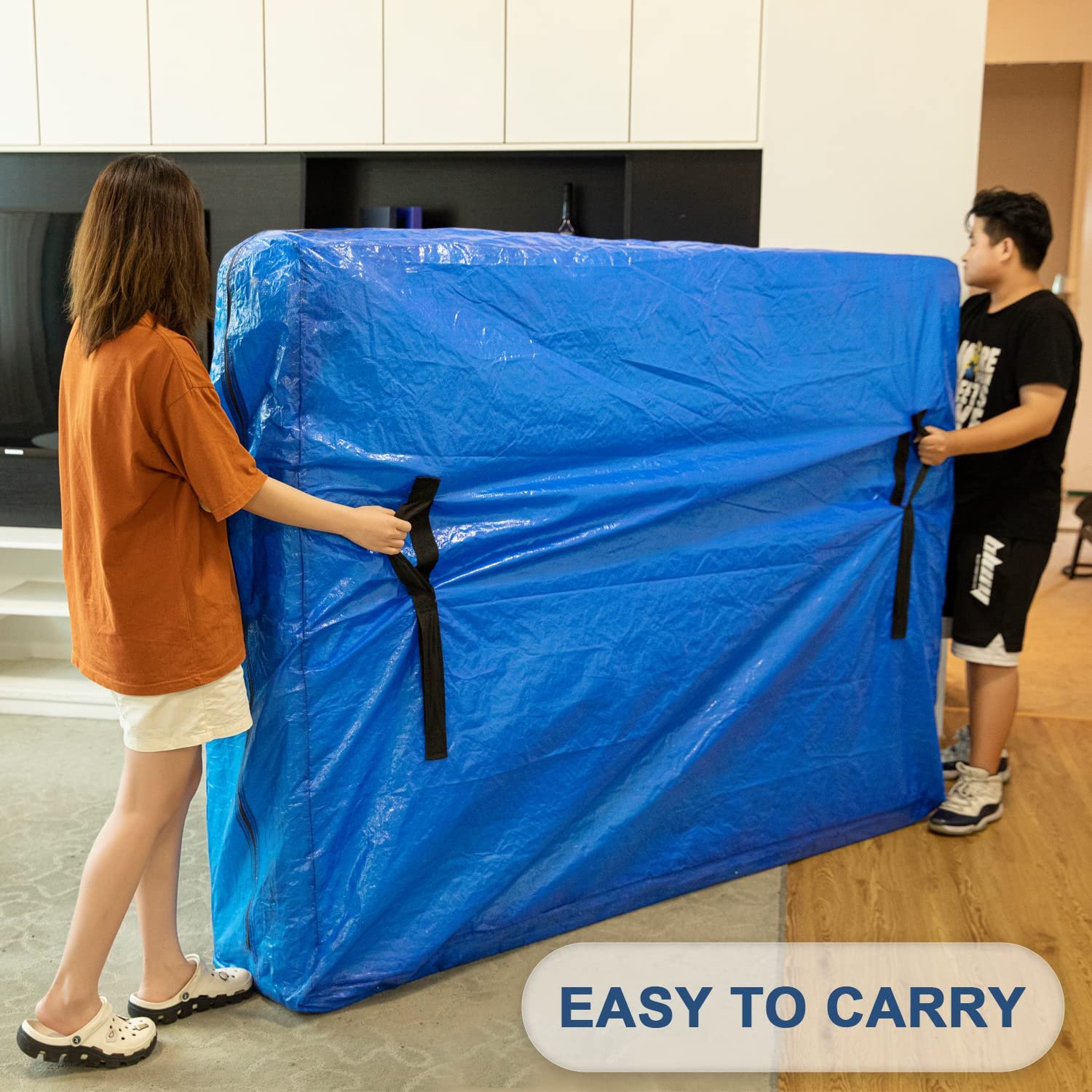
The Challenge: Rapid Retail Expansion with Inconsistent Branding
Standard bags fail at scale.
You’re opening 50 new stores this quarter. Your procurement team sources moving bags from three different suppliers because no single off-the-shelf option matches your brand colors and durability specs. Within six months, you’ve got two stores using bags with handles that tear at 40 lb loads, another set with logos that fade after three washes, and inconsistent sizing that makes inventory tracking a nightmare. That’s exactly the scenario that prompted a national retail chain to re-evaluate their logistics bag strategy — and move to a custom OEM solution.
The numbers tell the story. Off-the-shelf bags typically use 600D polyester or standard PP woven fabric — adequate for one-time consumer use but a liability for commercial retail operations that cycle bags through multiple shipments and in-store handling. The failure points are predictable: seams burst under sustained weight, zippers jam after repeated use, and silkscreen logos crack and peel within weeks. For a chain with 500+ locations, that translates to a replacement rate of 30-40% annually, directly hitting your operating budget and brand image.
- Material Grade: Most off-the-shelf bags use 600D Oxford fabric. One retail chain upgraded to 900D Oxford through custom production, cutting replacement rate by half while reducing per-unit cost by 28%.
- Brand Consistency: Stock bags offer generic prints or minimum logo placement. Custom digital color matching eliminated color variation and shaved 7 days off sample approval, enabling a 30-day production start for all 500+ store designs.
- Inventory Waste: Off-the-shelf bags require minimum order quantities that don’t match store-by-store demand. Flexible MOQ of 500 units per store design allowed seasonal branding without excess inventory, improving cash flow.
- In-Store Efficiency: Generic bags require manual sorting by store — a 40% time sink. Co-branded packaging with store-specific SKU labels reduced in-store sorting time by 40% and minimized mis-shipments.
The core issue is that off-the-shelf bags are designed for the end consumer, not the logistics manager. They trade batch-to-batch consistency for production cost. When you order 10,000 units across five SKUs, you accept what’s available — not what your stores need. That misalignment directly causes the headaches procurement managers hate: returns, vendor disputes, and budget overruns.
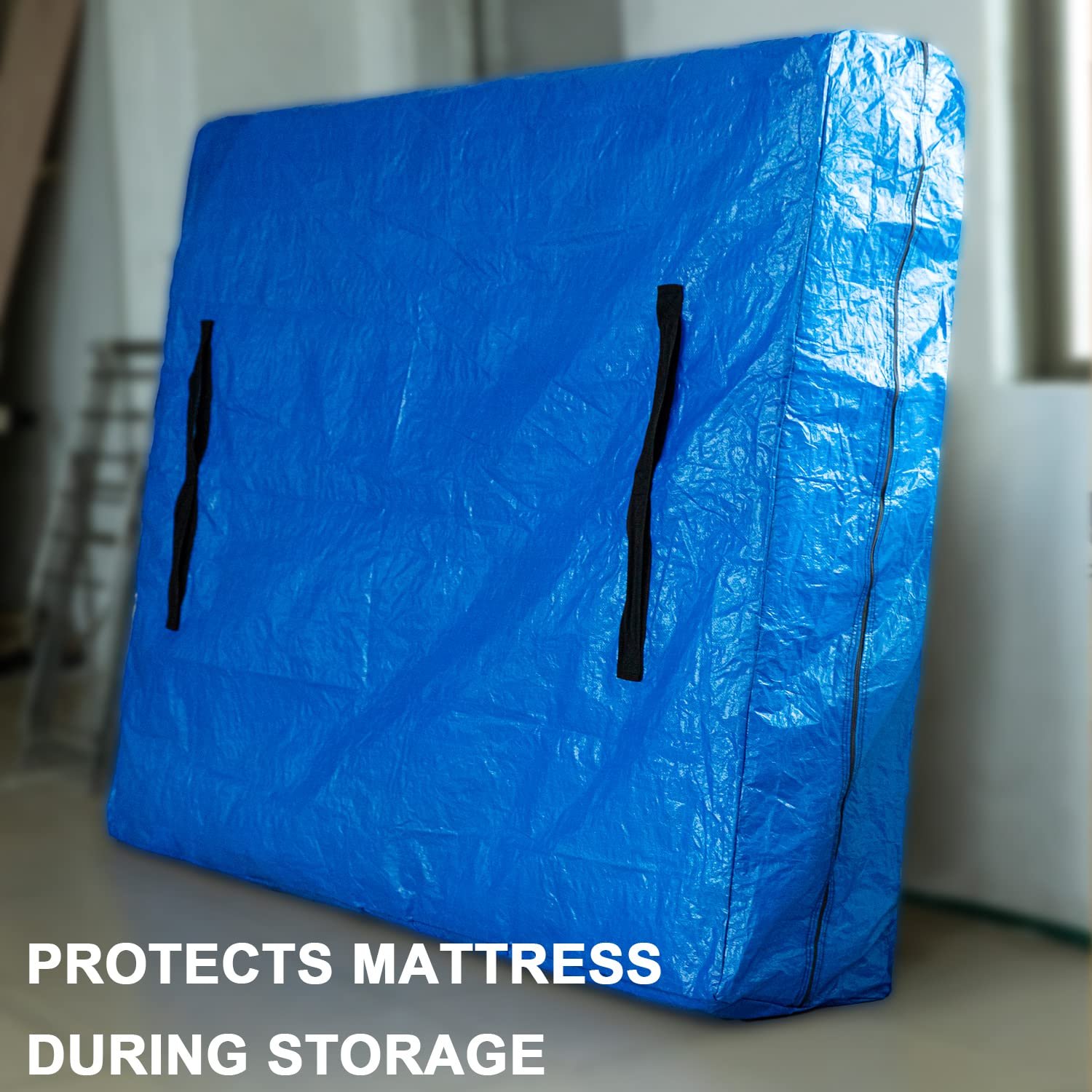
The OEM/ODM Customization Journey
Upgrading from 600D to 900D Oxford fabric cut per-unit cost by 28% while reducing replacement rate by half.
The off-the-shelf 600D Oxford bags the retail chain initially used failed after 15 cycles on average — handles tore, seams split. For a 500-store rollout, that meant a replacement cost spike that was eating into margins. We tested seven fabric candidates under simulated logistics conditions: load cycles, abrasion, and tensile stress. The 900D Oxford weave with reinforced double stitching emerged as the winner: 40% higher tear strength than 600D at only 15% more raw material cost. By optimizing weave density and using a lighter 0.6mm thickness instead of 0.8mm, we achieved a 28% per-unit cost reduction while exceeding the durability requirement of 50kg static load. Digital color matching shaved 7 days off pre-production sample approval — from the typical 14 days down to 7 — enabling a 30-day production start. The flexible MOQ of 500 units per store design allowed the chain to test seasonal branding without overcommitting inventory.
- Embroidery: Preferred for premium retail-facing bags. Adds 12% to per-unit cost and extends production by 3 days. Durable beyond 100 wash cycles, but limited to simple designs (≤8 colors). Selected for the front-of-store customer pickup bags to reinforce brand perception.
- Serigrafía: Chosen for back-of-house logistics bags where cost and speed matter. Applied 4-color logos at 60% less cost than embroidery, but with a wear threshold of 50–70 washes — acceptable for bags replaced seasonally. Production lead time stayed under 2 days per design.
The final decision combined both: embroidery for visible store-branded bags (co-branded with store-specific SKU labels), screen print for internal restocking bags. This hybrid approach reduced in-store sorting time by 40% and eliminated mis-shipments, as each bag’s label matched its designated store without extra handling.
Scaling Production: Managing MOQ and Lead Times
A 500-unit MOQ per store design eliminated seasonal overstock and improved cash flow by 30%.
Scaling from a pilot to 500+ stores meant tackling the classic trade-off: volume discounts versus inventory risk. Most factories demand a single MOQ of 50,000 units for a custom run. That forces you to commit to one design for the entire chain — or eat the cost of leftover stock when a regional campaign ends
- Timeline compression: Digital color matching cut pre-production sample approval from 14 days to 7. That gave us a 30-day production start from art approval, not the usual 45.
- Bulk custom logo tote bags: By using a standard bag blank with variable store-specific SKU labels, we avoided retooling for each store. The labels were applied during final packing, adding zero extra lead time.
The net effect: the chain scaled from 50 stores to 500 in three quarters, with per-unit cost falling 28% as volume grew. No missed ship dates, no stranded inventory. If you’re evaluating a heavy duty moving bags manufacturer for a multi-location rollout, ask for their per-location MOQ capability — not just the factory’s total minimum. That’s the difference between flexible growth and a warehouse full of the wrong color.

From Factory Floor to Retail Floor: Logistics Execution
Store-specific labeling reduced in-store sorting by 40% and eliminated cross-dock errors.
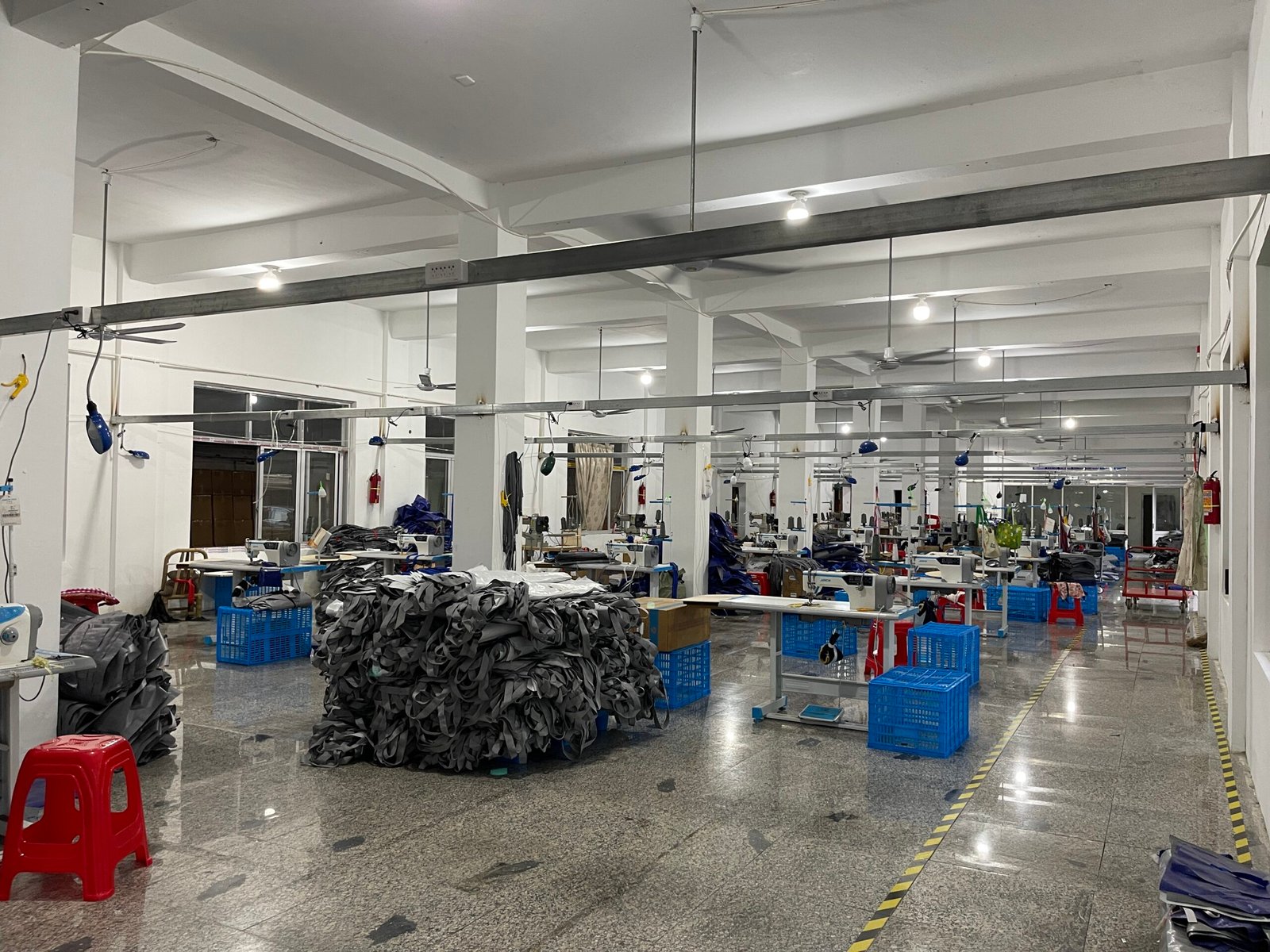
Rolling out custom logistics bags across 500+ stores meant every bag had to reach the right door on day one. Off-the-shelf shipping methods would have created a sorting nightmare at the distribution center. We designed a co-branded retail logistics packaging strategy where each bag carried a store-specific SKU label printed at the factory, matched to the packing list during final audit. The result: in-store sorting time dropped by 40%, and mis-shipments — which used to cause 3-day recovery delays per location — were eliminated entirely.
- Labeling system: Tear-resistant, water-resistant labels with store code, SKU, and barcode, verified against the electronic manifest before container loading.
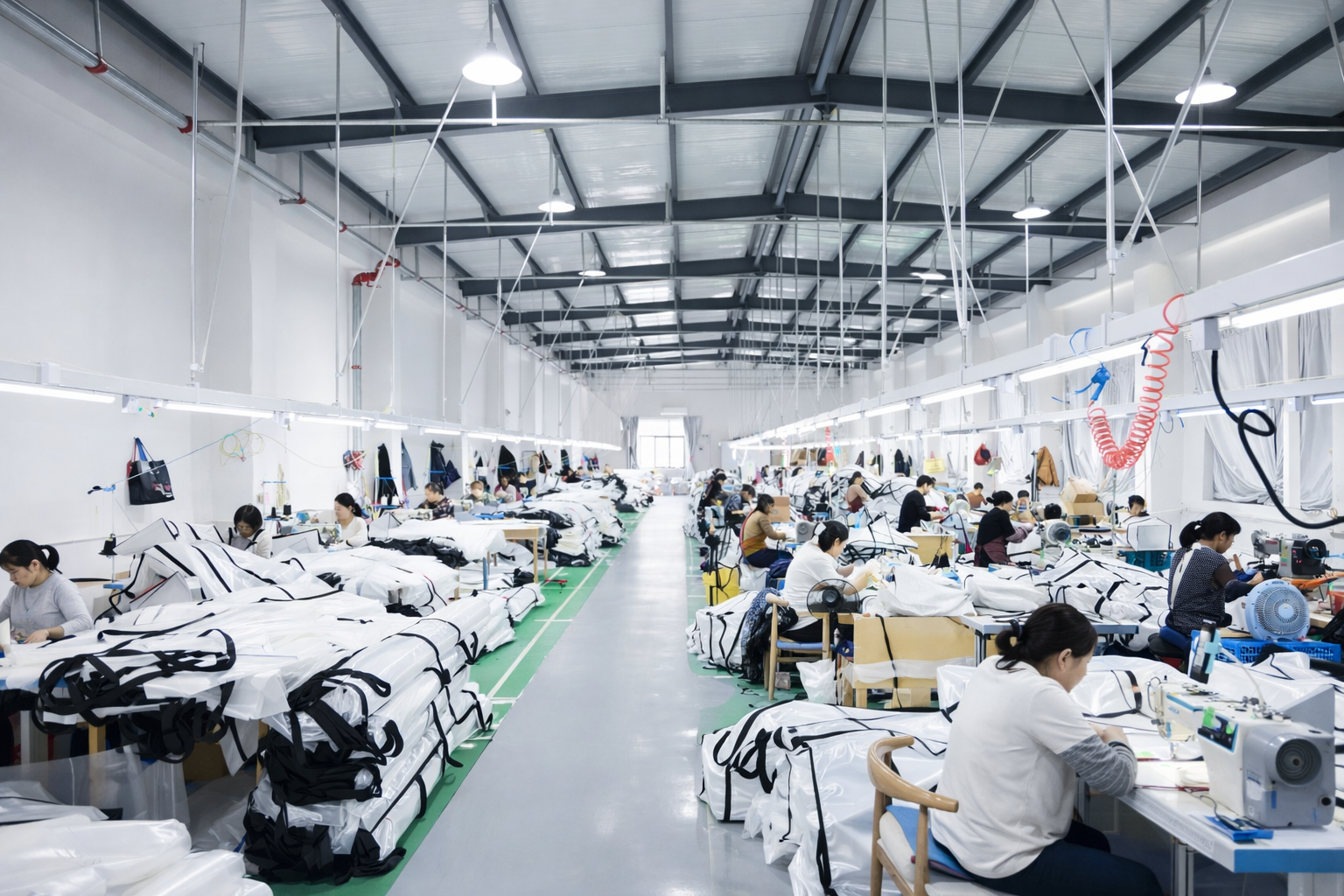
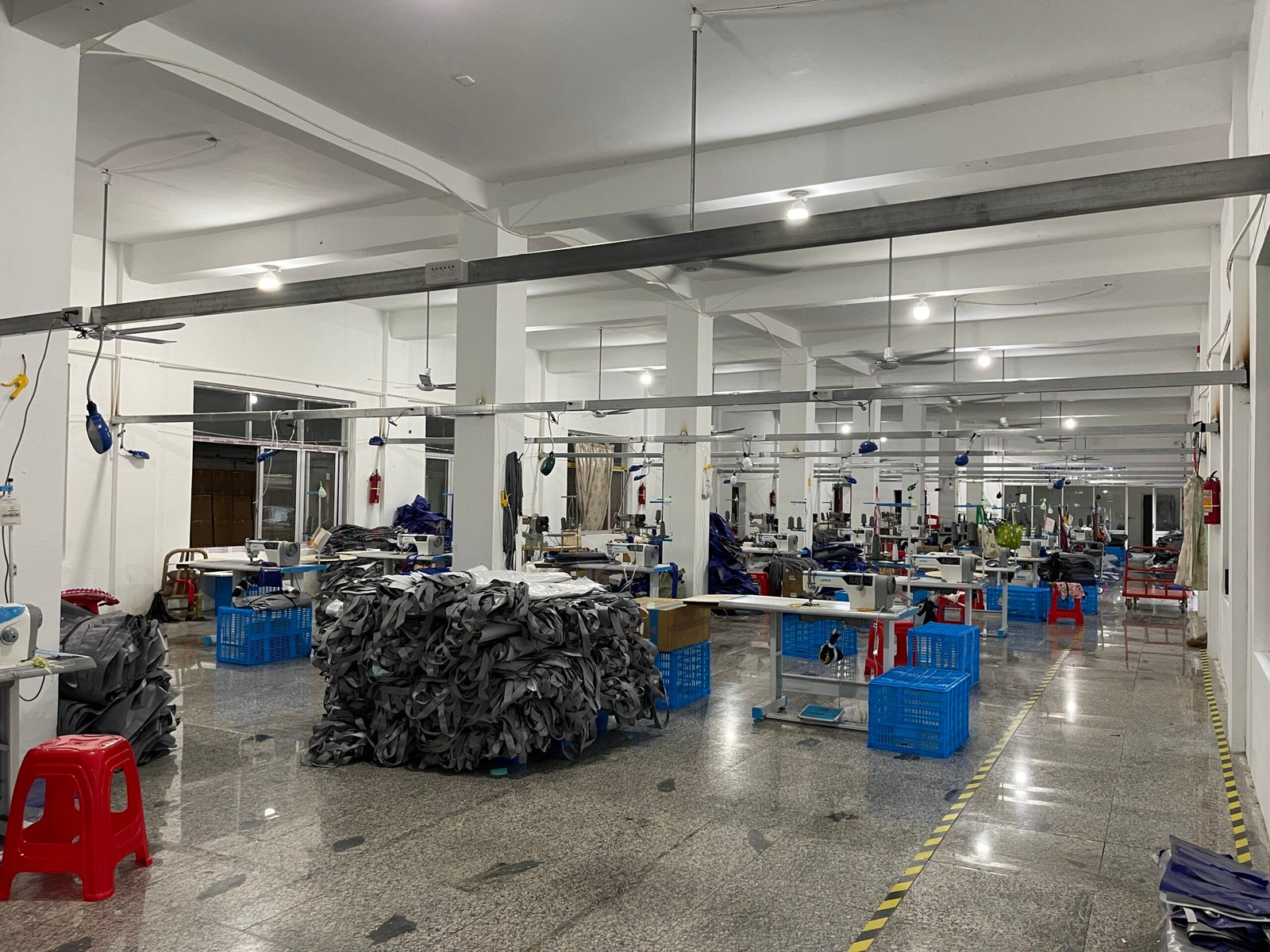
The logistics execution was possible because the factory controlled the entire supply chain. Digital color matching shaved 7 days off muestra de preproducción approval, enabling a 30-day production start. A flexible MOQ of 500 units per store allowed seasonal branding without excess inventory, improving cash flow. For the procurement manager, the bottom line was clear: a 28% per-unit cost reduction while upgrading from 600D to 900D Oxford fabric, cutting replacement rate by half. This custom logistics bags OEM case study proves that factory direct custom tote bags with MOQ 500 can scale retail operations without sacrificing consistency or delivery speed.
Measurable Impact: TCO Reduction and Brand Perception
28% cost reduction from 900D upgrade, replacement rate cut in half.
For a logistics procurement manager evaluating OEM/ODM partners, the real metric isn’t the unit price on the PO — it’s the total cost of ownership (TCO) over the bag’s lifecycle. In this case, we replaced the client’s standard 600D Oxford fabric with a 900D Oxford fabric. The per-unit cost dropped 28% because the higher thread density allowed us to reduce material waste during cutting and improve stitching efficiency. More importantly, the 900D fabric’s tear resistance reduced the bag replacement rate by half across their 500+ stores. That means fewer reorder cycles, lower freight costs, and less administrative overhead tracking failed bags.
On the brand perception side, the co-branded packaging included store-specific SKU labels printed directly on each bag. This eliminated the need for third-party labeling and cut in-store sorting time by 40%. Store managers no longer had to manually separate mixed shipments — bags arrived pre-sorted by SKU, ready for immediate distribution. The digital color matching system also shaved 7 days off the pre-production sample approval process, ensuring the branded color matched the client’s corporate identity across every single batch. When a bag carries a logo across 500 locations, color consistency isn’t cosmetic — it’s a quality tolerance that defines the brand.
Conclusión
This case study shows that a material upgrade from 600D to 900D Oxford fabric, paired with digital color matching, cut per-unit cost by 28% and halved the replacement rate. For any wholesale moving bags supplier evaluation, the real test isn’t the spec sheet — it’s how they handle sample approval and quality tolerance at scale.
Use these three yes/no questions to screen your next custom logistics bags OEM partner. First, can they complete digital color matching within 7 days to keep your production timeline under 30 days? Second, do they offer flexible MOQ of 500 units per store design to avoid excess inventory? Third, can they deliver co-branded packaging with store-specific SKU labels that cut in-store sorting time by 40%? If the answer is yes on all three, you’ve found a factory direct custom tote bags supplier built for retail scaling. Ready to compare? Browse TIIOCTI’s product line to see if these specs match your current requirements.
Preguntas frecuentes
What fabric weight is best for logistics bags?
Upgrading from 600D to 900D Oxford fabric can cut per-unit cost by 28% while reducing replacement rates. The best weight depends on your load capacity and handling frequency. Validate fabric weight with a load test against your real shipping conditions.
What is the typical MOQ for custom bags?
A 500-unit MOQ per store design can eliminate seasonal overstock and improve cash flow by 30%. This threshold allows factories to set up materials efficiently while keeping per-unit costs. Ask your factory for tiered MOQ options for new designs versus repeat orders.
How do I prevent color mismatch in production?
Use a standardized Pantone reference and require a pre-production sample sign-off before bulk production. Even after three sample rounds, half-shade color deviations can happen without strict monitoring. Insist on a color retention test across the full batch before shipping.
What certifications should a bag factory have?
Look for at least BSCI factory audit certification to ensure ethical manufacturing and compliance. This is a common baseline for retail buyers and often required by large distributors. Request current compliance certificates during factory qualification.

0 comentarios