



Checkout bag policy used to be a two-line decision – paper or plastic – and it is now a strategy question with fee models, quota models, customer psychology and a compliance calendar attached. Retailers choosing a checkout bag strategy are choosing how they look on three fronts at once: the invoice, the street and the regulator’s desk. Here is how the models compare and how to pick.
The three models
Paid bags: the retailer charges per bag, keeps a margin on the sale, and customers adjust within weeks – reuse rates climb, bag volumes drop, and the bag becomes a small profit line instead of a cost line. Free bags: the retailer absorbs the cost as a customer-experience expense, which works while regulations allow and erodes as fees spread. Quota models: customers buy a durable bag once – a thicker reusable, often branded – and the retailer stops issuing single-use options entirely. Each model has a customer segment it suits and a regulation tail it must outlive, and the models are not mutually exclusive: the common hybrid charges for basic bags while selling a premium branded durable at the counter.
The regulation calendar is the real driver
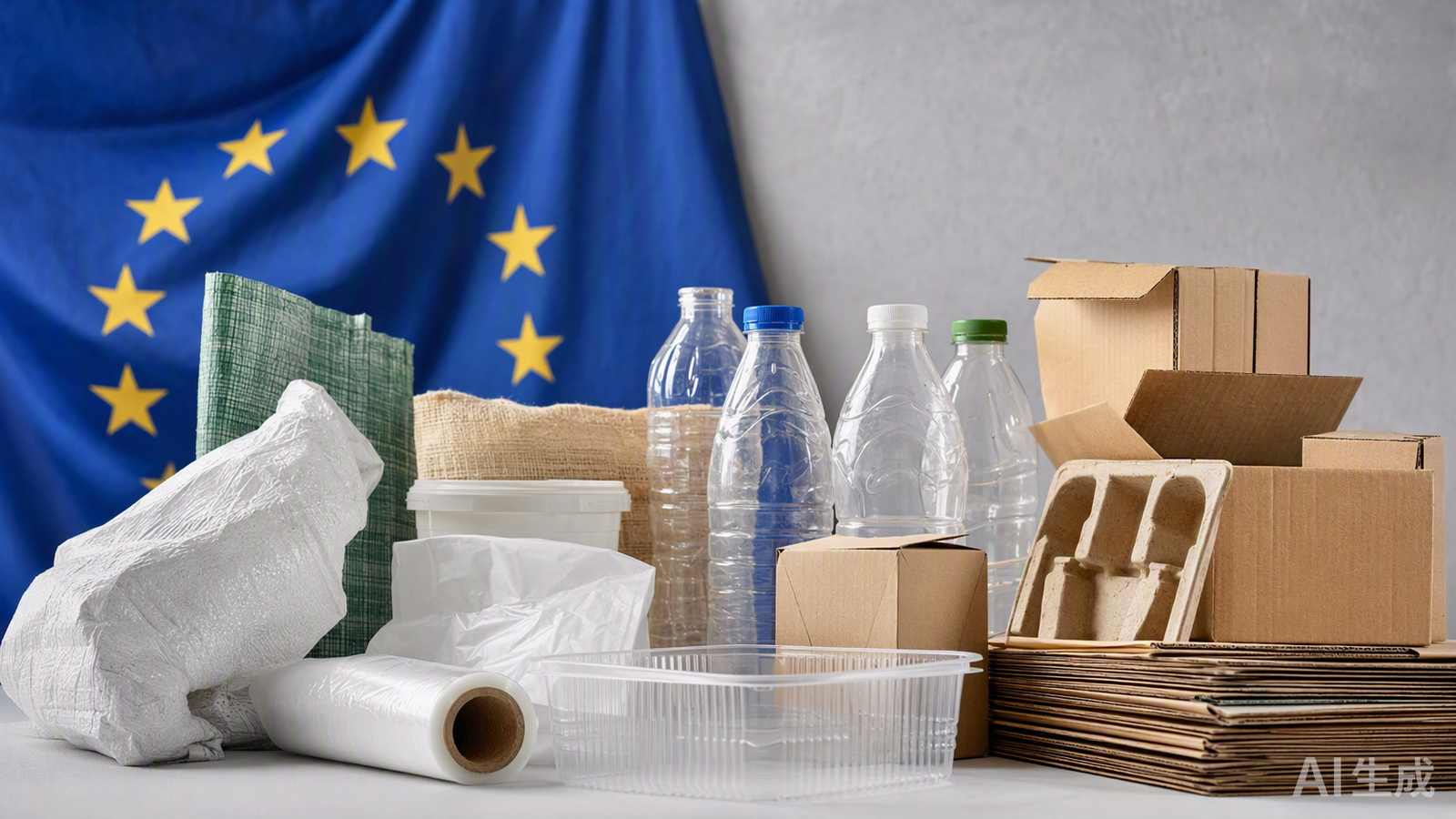
Bag fee and ban rules now vary by state, county and city, and the direction is one-way. Retailers operating across jurisdictions face the compliance version of the problem: different fee minimums, different allowed materials, and different signage requirements, all changing on different dates. The EU’s packaging rules are moving in the same direction – our overview of the PP woven and material options touches the compliance angle for imported bags. The strategic conclusion for multi-site retailers: build the bag program on the strictest jurisdiction you operate in, so one program covers every counter instead of ten programs fragmenting the brand. Environmental policy summaries from regulators such as the US EPA track where the rules are heading, which is more useful for planning than the rule in force today.

Communication: the half of the program retailers skip
Whatever the model, signage does half the work. Customers accept bag fees when the sign explains why in one sentence – the local rule, the environmental reason, or both – and they resent silent fees at double the rate. Quota-model launches need a transition window where both options coexist, so the customer who forgot the durable bag is not stranded at the register. The retailers with the smoothest transitions briefed cashiers with a script and posted the notice a month early; the bag program succeeded or failed at that counter conversation before the bag specification mattered at all.
The customer conversation that decides the model
The best bag model for a retailer depends less on regulation than on who walks through the door. Grocery and convenience shoppers: paid basics, because the trip is frequent and the bag is functional. Bookstores, boutiques and gift shops: the branded durable given free above a threshold, because the purchase is occasional and the bag is part of the treat. Destination and tourist retail: the quota-model durable sold outright, because the customer wants the souvenir and will pay for it happily. Retailers who match the model to the shopper type convert the bag program from a compliance cost into a brand choice, and the material options across our PP woven, canvas and organic cotton ranges cover all three shopper types from one supplier.
Choosing the bag for the model
The bag specification follows the model. Paid single-use: the lightest compliant material, because the customer pays the fee and the margin lives in the gap. Branded durable: heavier woven or canvas construction that survives months of reuse, because the customer carries the brand as long as the bag lives – which turns the bag into a marketing line, and our retail branding program exists for exactly that decision. Quota-model durable: the thickest spec, printed boldly, because the customer bought it as a statement and will use it as one. The mistake retailers make is running one bag spec across all three models, overpaying on the disposable end and underdelivering on the durable end.
Video: retailer bag fee strategy
Paid, free or quota is a channel-and-regulation decision first and a bag decision second – and the program built on the strictest jurisdiction always scales. Send us your store footprint and the jurisdictions you operate in, and we will return a bag model comparison with specification options inside two working days.
Related reading: Co-Branded Bag Programs

0 Comments