



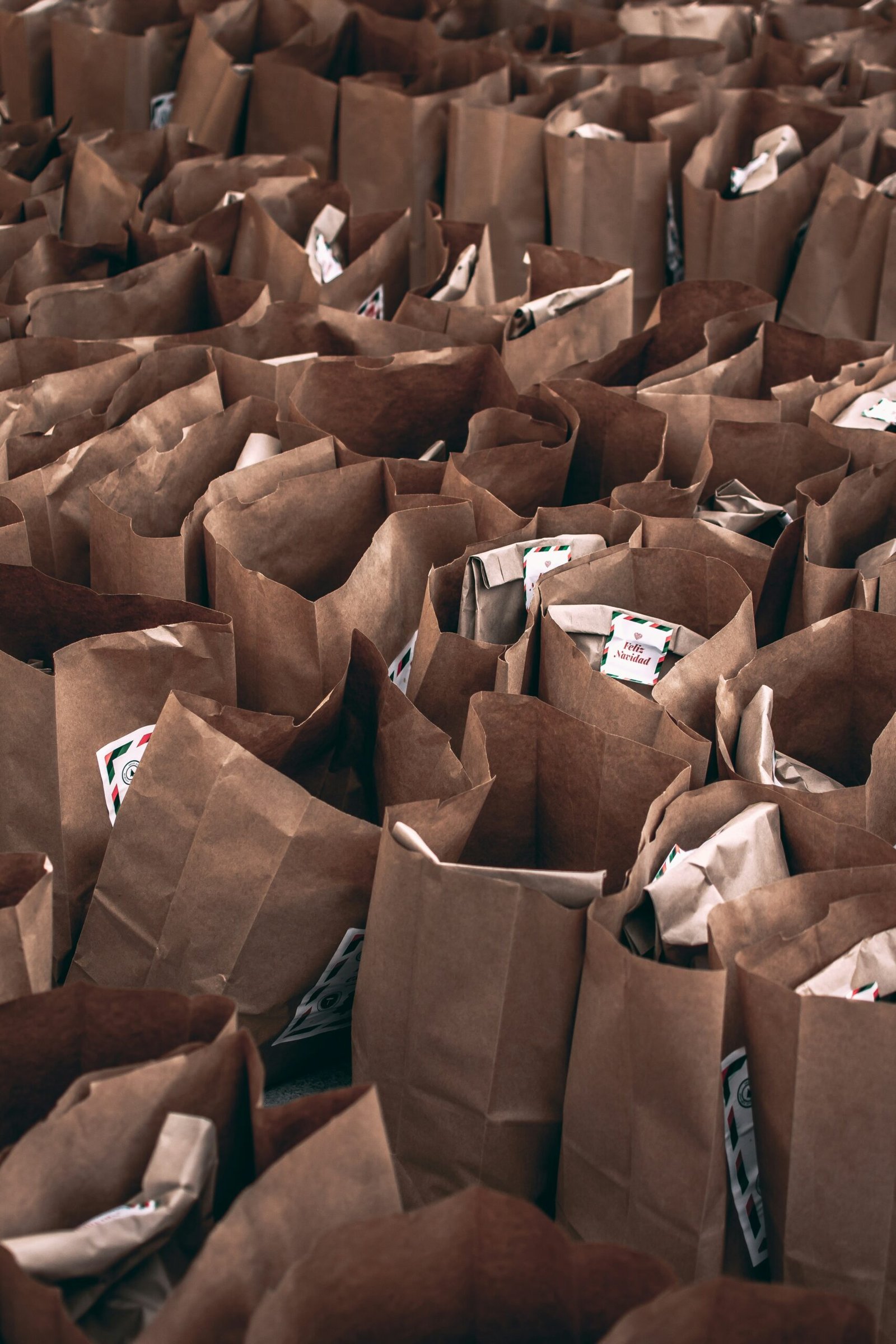
When you sit down to write a tote bag material guide for your next retail collection, the first question isn’t about color or handle length. It’s about the fabric itself—canvas or non-woven—and how that choice translates into your brand’s unboxing experience, print quality, and the actual cost per use over a season. Most merchandisers start with unit price, but the real math changes once you factor in how many times a customer will carry that bag before it hits the trash or the wash.
Here’s the split you need to know: a 10 oz cotton canvas tote costs 2–4x more upfront than an 80 gsm non-woven polypropylene bag. But canvas lasts 10–20x longer, dropping your cost per use to roughly $0.15 versus $0.50–1.00 for non-woven. More importantly, canvas holds a screen print with 95% detail retention even at 15pt font sizes, while non-woven’s dimpled surface causes ink to skip on fine lines below 16pt. That detail alone can kill a logo’s sharpness on a bag you hand to a customer at checkout.
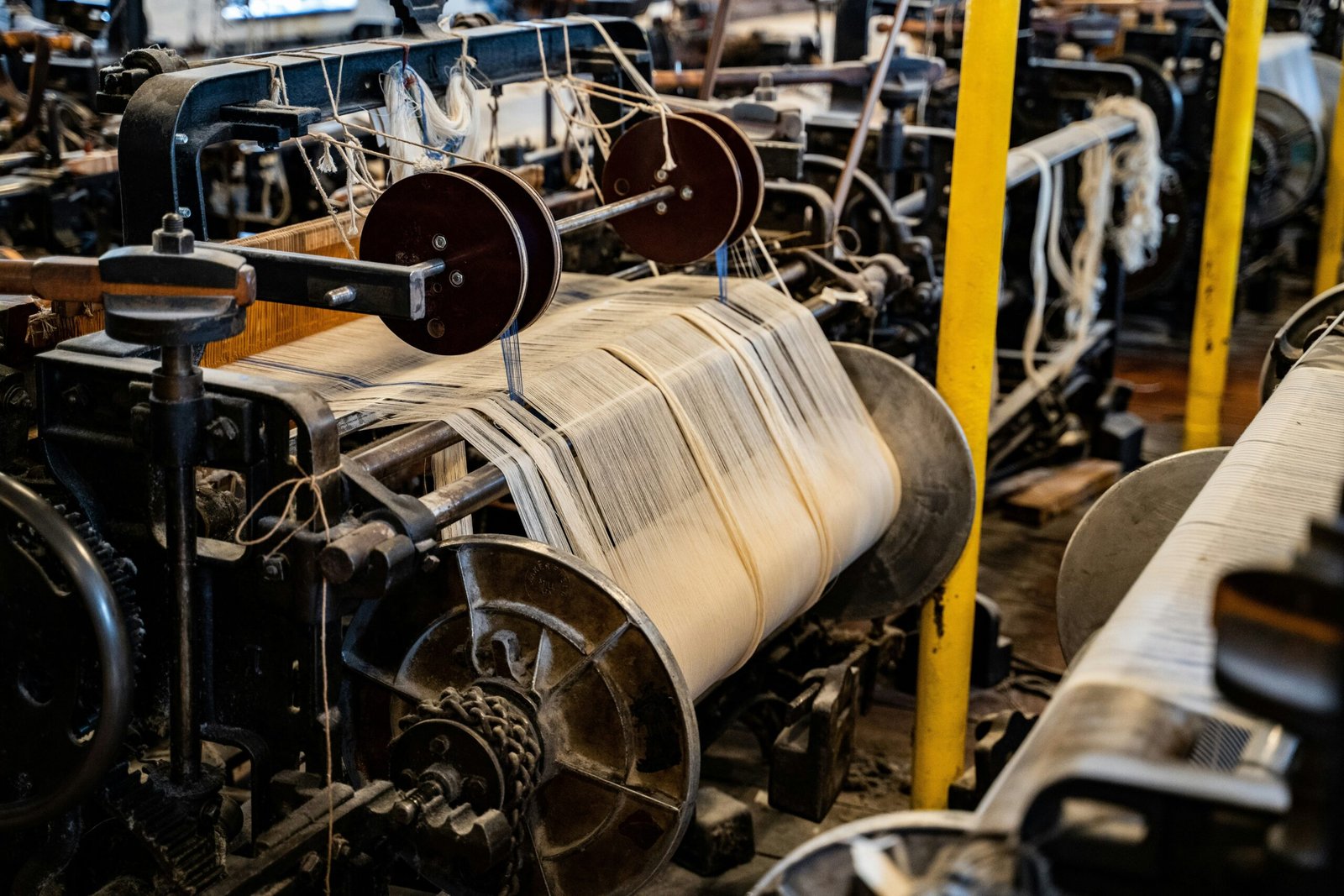
Why Most Retailers Choose the Wrong Tote Bag Material
Price per unit is a trap.
Most retail merchandisers default to the lowest unit price when sourcing tote bags. That instinct kills brand equity faster than a misaligned logo. The real decision isn’t canvas vs. non-woven — it’s whether your bag will survive the first checkout counter interaction without making your customer cringe.
- The print trap on non-woven: Non-woven polypropylene (80–120 gsm) has a dimpled, fibrous surface. Screen printing on this substrate requires low-cure inks and cannot reliably reproduce fine lines below 16pt font size. If your logo includes thin serifs, small text, or detailed artwork, expect ink skip and registration drift. Canvas (10 oz or heavier) provides a smooth, uniform weave that captures 95% of design detail even at 15pt fonts.
- Color accuracy: undyed vs. white canvas: Cotton canvas in its natural undyed state mutes printed colors — a warm beige undertone shifts your brand’s PMS values. White canvas gives the truest color reproduction. Many suppliers don’t flag this difference, leaving you with a bag that looks nothing like your approved proof. Always specify white or pre-treated canvas for color-critical branding.
- The unboxing cost of cheap material: A non-woven bag costs $0.80–$1.50 per unit at 500 MOQ. A 10 oz canvas bag runs $3.50–$5.00 per unit. But the non-woven bag is not washable, degrades after 10–15 uses, and its dimpled surface makes even a simple one-color logo look fuzzy. Canvas lasts 100+ uses and retains print clarity through 50+ wash cycles. The cost per use for canvas is $0.10–$0.20; for non-woven it’s $0.50–$1.00. The cheaper bag actually costs more per impression.
- Consumer trust is on the line: According to the PPAI Product Power 2026 report, 68% of consumers say recycled or reusable materials impact their trust in a brand. A flimsy non-woven bag signals disposable — the opposite of the sustainability message your marketing team is trying to send. Canvas, especially when sourced with recycled content or OEKO-TEX certification, reinforces brand values at every touchpoint.
- The hidden engineering failure: Many suppliers claim 50 kg capacity for canvas totes, but the static load test often fails on handle stitching. Reputable manufacturers use double-needle bar tack stitching with a minimum of 12 stitches per inch for tear resistance. If your supplier can’t provide stitch count or tensile test data (ASTM D5034), assume the handles will pull out under moderate weight. That’s not a material failure — it’s a construction failure that cheap material selection enables.
The wrong material doesn’t just waste your budget. It wastes the one chance you have to make a lasting impression on a customer walking out of your store. Canvas vs. non-woven is not a cost decision. It’s a brand decision.
| Feature | Common Mistake | The Hidden Cost | Why It Fails for Branding | PPD&G / Tiiocti Solution |
|---|---|---|---|---|
| Material Choice | ||||
| Fabric Weight | Choosing 80 gsm non-woven for lowest unit cost | Cost per use skyrockets to $0.50–$1.00; bag fails after 10–15 uses | Dimpled surface causes fine ink lines (<16pt) to skip; print fades immediately | 10 oz canvas (premium) or 120 gsm non-woven (durable budget option) |
| Print Detail & Durability | Selecting non-woven for intricate logo designs | Setup fees wasted on misregistered prints; brand image damaged by blurry logos | Screen printing on non-woven cannot capture fine lines; ink bonds poorly | Canvas screen print captures 95% detail at 15pt fonts; lasts 50+ washes |
| Sustainability Perception | Assuming all non-woven is eco-friendly | Recycled PP (RPET) weakens fiber strength; bag breaks faster, increasing waste | 68% of consumers judge brand trust by material; a flimsy bag signals low quality | Cotton canvas composts in 1–5 months; virgin PP for strength when needed |
| Structural Integrity | Accepting standard handle stitching on canvas | Static load test fails at 50 kg; handles tear off, causing returns and liability | Single-needle stitching unravels under daily retail use | Double-needle bar tack stitching with 12+ stitches per inch (ASTM D5034 tested) |
| Color Accuracy | Using undyed cotton canvas for vibrant prints | Natural canvas mutes colors; brand colors appear dull and washed out | Undyed fabric absorbs ink unevenly, reducing perceived value | White canvas base ensures truest color reproduction for your logo |
| MOQ Flexibility | Locking into high MOQ for non-woven to save per-unit cost | Overstock of 10,000+ bags that don’t align with brand refresh or seasonal campaign | Non-woven MOQs start at 500–100,000+ units; inflexible for small launches | Canvas MOQ as low as 100 units; non-woven as low as 200 units |
| Water Resistance | Choosing canvas for outdoor events or wet environments | Canvas absorbs moisture, causing ink bleed and bag deformation | Wet bags look cheap and can stain customer clothing | Non-woven is hydrophobic; canvas can be treated with water-resistant coating |
Real Cost Breakdown of Tote Bag Materials in 2026
Canvas costs 3x more upfront but lasts 10x longer—the math favors canvas for any brand using bags beyond a single trip.
Let’s kill the myth that non-woven polypropylene is always the cheaper choice. On a per-unit basis, an 80 gsm non-woven tote runs $0.80–$1.50 for a 500-unit order, while a 10 oz cotton canvas bag lands at $3.50–$5.00. That 3–4x gap makes procurement managers instinctively reach for the non-woven option. But that comparison ignores the real metric: cost per use. A canvas tote survives 100+ trips, while a non-woven bag typically disintegrates after 10–15 uses. That brings canvas down to $0.10–$0.20 per use, versus $0.50–$1.00 for non-woven. The premium material is actually cheaper over the bag’s lifecycle.
- Landed cost components: Unit price is only half the story. Setup fees for screen printing on canvas run $75–$150 per color; non-woven requires low-cure inks and specialized screens at $100–$200 per color. Shipping from Asia adds $0.20–$0.40 per unit for canvas (heavier) and $0.10–$0.20 for non-woven. At 10,000 units, the gap narrows: canvas drops to $2.80–$3.50/unit, non-woven to $0.60–$0.90/unit.
- Order size impact: Non-woven MOQs start at 500 units, but the real savings kick in above 5,000 units. Canvas MOQs typically begin at 100 units, making it accessible for smaller brands. At 500 units, canvas costs ~$4.50/unit; at 10,000 units, that drops to ~$3.00/unit—a 33% reduction. Non-woven at 500 units is ~$1.20/unit; at 10,000 units, it falls to ~$0.70/unit.
- Hidden costs most guides omit: Handle stitching failures are the #1 warranty claim for canvas totes. Suppliers claiming 50 kg capacity often use single-needle stitching that tears at 15 kg. Reputable manufacturers use double-needle bar tack stitching with a minimum of 12 stitches per inch—this adds $0.15–$0.25/unit but prevents returns. For non-woven, the hidden cost is print failure: its dimpled surface causes fine ink lines (below 16pt font) to skip, forcing reprints at $0.30–$0.50/unit.
The cost-per-use analysis flips the decision. For a retail brand handing out 5,000 totes at a trade show, the non-woven bag costs $0.70/unit and lasts one day—$0.70 per use. A canvas bag at $3.00/unit that gets reused 100 times costs $0.03 per use. Over a year of daily carry by a customer, the canvas bag delivers 97% more value per dollar spent. That’s the math that matters for brand perception and sustainability reporting.
| Material | Cost Per Unit (500 qty) | Cost Per Use (Lifetime) | Lifespan / Uses | Hidden Cost Factor |
|---|---|---|---|---|
| 10 oz Cotton Canvas | $3.50 – $5.00 | $0.10 – $0.20 | 100 – 200+ uses | Higher setup fees; premium print detail |
| 80 gsm Non-Woven PP | $0.80 – $1.50 | $0.50 – $1.00 | 10 – 15 uses | Print detail limited; not washable |
| 100 gsm Non-Woven PP | $1.00 – $1.80 | $0.40 – $0.80 | 15 – 25 uses | Slightly better feel; still low brand impact |
| 12 oz Cotton Canvas | $4.50 – $6.50 | $0.15 – $0.30 | 200+ uses | Heaviest weight; best for luxury retail |
| Recycled RPET (Non-Woven) | $1.20 – $2.00 | $0.60 – $1.20 | 10 – 20 uses | Weaker fiber strength; sustainability trade-off |
Canvas vs Non-Woven: Which Delivers Better Brand Impact?
Non-woven’s texture limits fine print to 16pt; canvas holds 95% detail at 15pt.
Most material guides gloss over a critical fact: non-woven polypropylene (80–120 gsm) has a dimpled, fibrous surface that causes ink to skip on thin lines. Screen printing on non-woven requires low-cure inks and cannot reliably reproduce logos with fine lines below 16pt font size. That means your brand’s detailed wordmark or intricate icon will appear broken or fuzzy — a risk no retail merchandiser can afford.
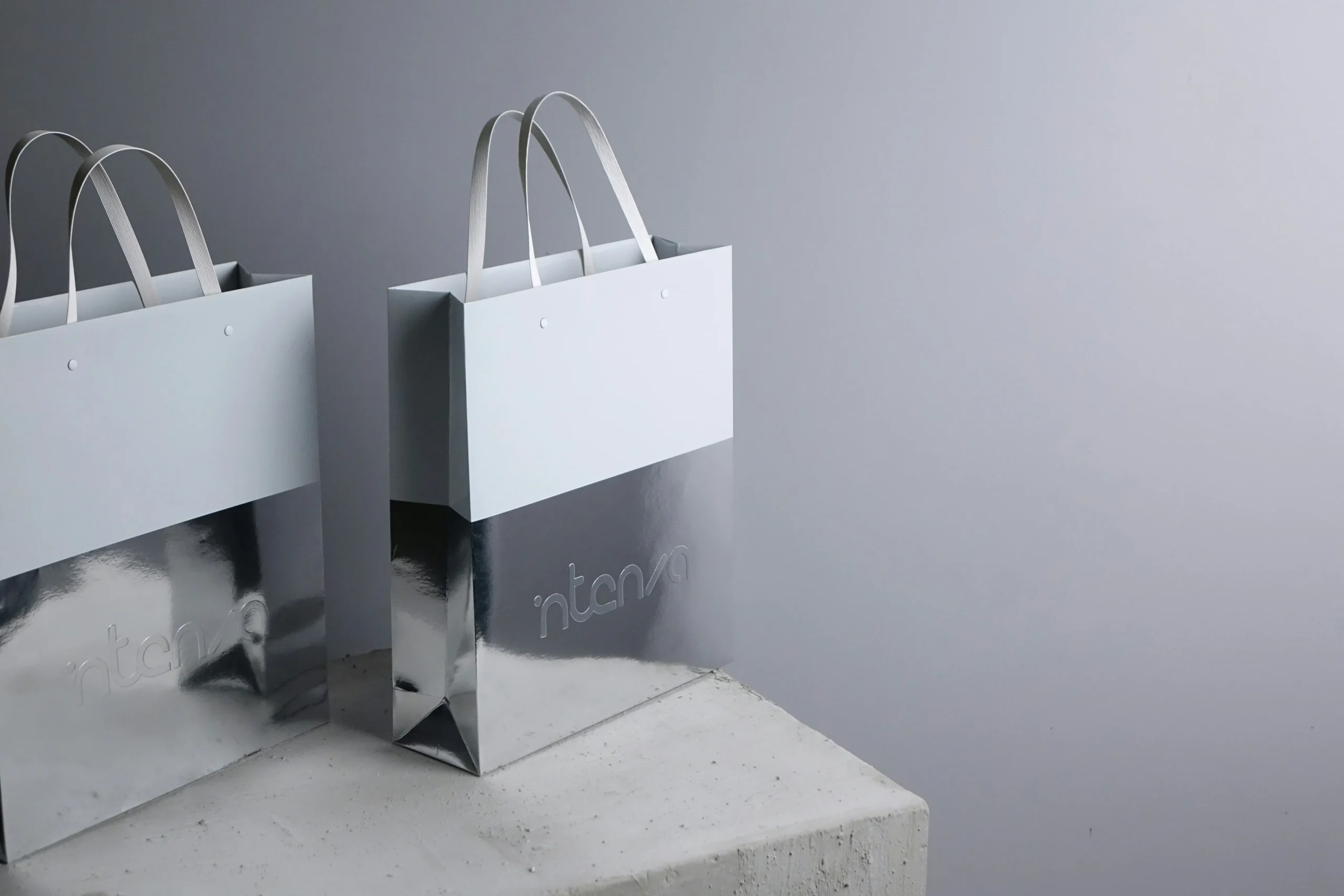
Canvas, on the other hand, presents a smooth, tightly woven surface. Screen printing on 10 oz cotton canvas captures 95% of design detail even at 15pt fonts. The ink absorbs into the fibers rather than sitting on top, resulting in a bonded image that won’t crack or peel. For premium tote bag fabric for logo printing, canvas is the clear winner.
- Color vibrancy: Canvas (undyed natural) mutes colors slightly; white canvas gives the truest color reproduction. Non-woven relies on surface bond — colors appear flat and can rub off under friction.
- Washing durability: Canvas screen prints survive 50+ machine washes with minimal fading. Non-woven is not washable — the ink and fabric degrade after a single cycle. For reusable retail bags, that’s a dealbreaker.
- Perceived value: Canvas feels substantial, drapes well, and communicates quality. Non-woven feels like a disposable giveaway — it rustles, lacks structure, and signals low cost. 68% of consumers say reusable material quality impacts brand trust (PPAI Product Power 2026).
Decision matrix: Choose canvas for retail stores, client gifts, and sustainability campaigns where brand perception drives repeat purchases. Choose non-woven only for high-volume giveaways where budget is the primary constraint and the bag will be used once. For durable tote bag material for retail stores, canvas delivers the brand impact your merchandising team needs.
How to Source the Perfect Tote Bag Material for Your Brand
Screen printing on non-woven skips fine lines below 16pt — a detail most material guides omit.
Start by defining the bag’s real job. A tote that lives in a customer’s car for daily grocery runs needs 10 oz or heavier canvas with double-needle bar tack stitching at every stress point — minimum 12 stitches per inch. A one-time event bag handed out at a trade show can get away with 80 gsm non-woven, but only if your logo uses bold shapes and no text under 16pt. The dimpled surface of non-woven polypropylene causes ink to skip on thin lines, so fine art or small type will look broken.
Fabric weight is your first real decision point. For canvas, 10 oz is the sweet spot for retail branding — it holds shape, takes screen ink cleanly, and survives 50+ washes. Drop to 6 oz and the bag feels flimsy; prints crack after a few cycles. For non-woven, 80 gsm is the standard budget option, but 100 gsm or 120 gsm gives better structure and a slightly smoother print surface. The trade-off: heavier non-woven costs more per unit and still cannot match canvas for detail or durability.
- Print method: Screen printing on canvas captures 95% of design detail even at 15pt fonts. Non-woven requires low-cure inks and cannot hold fine lines below 16pt. Heat transfer works on both but adds $0.15–$0.30 per unit and can peel on non-woven after a few folds. Embroidery is only viable on canvas or heavy cotton — non-woven’s bonded fibers tear under needle penetration.
- MOQ reality check: Canvas custom orders typically start at 200–500 units. Non-woven runs from 500 units up to 100,000+. If you need only 200 bags with a full-color logo, canvas is the more accessible option. Non-woven suppliers often require higher minimums to justify screen setup costs.
- Certification: For sustainability claims, request OEKO-TEX Standard 100 for canvas (ensures no harmful chemicals in the dye) or GRS certification for recycled content. Non-woven can be made from recycled polypropylene (RPET), but the recycling process weakens fiber strength — virgin PP is recommended for premium branding despite higher cost. 68% of consumers say recycled or reusable materials impact brand trust (PPAI Product Power 2026), so certification matters.
Always request free samples before committing to bulk. Print your actual logo on the exact fabric weight and color you plan to use. Undyed natural canvas mutes colors significantly — white canvas gives truest color reproduction. For non-woven, test a proof at your intended font size; if the text looks fuzzy or broken at 16pt, you need to either simplify the design or switch to canvas. Most reputable factories, including direct manufacturers like Tiiocti, offer sample approval with a quick turnaround. Use that step to catch print alignment issues before they hit your shelf.
| Material Type | Weight & Feel | Print Quality | Best For |
|---|---|---|---|
| 10 oz Cotton Canvas | Heavyweight, premium texture | Vivid, 95% detail at 15pt font, 50+ washes | Retail stores, client gifts, sustainability campaigns |
| 80 gsm Non-Woven PP | Lightweight, dimpled surface | Bold designs only, ink skips below 16pt, not washable | High-volume giveaways, budget-constrained events |
| 100 gsm Non-Woven PP | Medium weight, slightly smoother | Improved solid coverage, still limited fine lines | Trade shows, convention bags with simple logos |
| 12 oz Cotton Canvas | Ultra-heavy, structured shape | Excellent, supports embroidery and screen print | Luxury retail, heavy-duty carryout, premium unboxing |
| RPET (Recycled Polyester) | Light to medium, soft hand feel | Good, but recycled fibers can mute colors | Eco-conscious branding, sustainable retail programs |
Conclusion
Choosing between canvas and non-woven for your custom tote bags comes down to brand strategy, not just unit cost. Canvas delivers a premium feel, sharp print detail down to 15pt fonts, and a cost per use as low as $0.15 over hundreds of carries. Non-woven works for high-volume giveaways where washability and fine-line artwork are not required.
Review your print specs and budget against the material data points in this guide. If your logo demands intricate detail or your brand relies on sustainable materials, request a sample of our 10 oz cotton canvas tote to verify color accuracy and stitch quality before committing to bulk production.
Frequently Asked Questions
What is the best material for tote bags?
For retail branding and durability, 10 oz. cotton canvas is the best material because it holds vivid prints for 50+ washes and feels premium. Choose canvas for brand impact; non-woven only for low-cost giveaways.
What is a non-woven tote bag?
A non-woven tote bag is made from bonded polypropylene fibers, not woven threads, creating a lightweight, low-cost material typically 80–120 gsm. It is water-resistant but has a dimpled surface that limits fine print detail. Best for short-term promotions, not long-term brand use.
What are the different types of custom tote bags?
The main types are canvas (cotton, 8–12 oz), non-woven polypropylene (80–120 gsm), and recycled cotton/poly blends. Canvas offers premium print quality and durability, non-woven is the cheapest, and recycled blends balance eco-appeal. Match the type to your order size and brand goals.
What is the difference between a tote and a canvas tote?
A tote is a general category of open-top bag, while a canvas tote specifically uses woven cotton fabric, typically 8–12 oz, for superior durability and print quality. Non-woven totes are lighter and cheaper. Canvas totes are the premium choice for repeated use.
Which is better, woven or non-woven?
Woven canvas is better for any application requiring durability, print detail, and repeated use, lasting 100+ uses versus 10–15 for non-woven. Non-woven is only better when absolute lowest unit cost is the priority. Choose woven for quality; non-woven only for disposable budgets.
Related reading: Canvas Tote Weight Explained: What 8oz, 12oz and 16oz Mean for Durability

0 Comments