



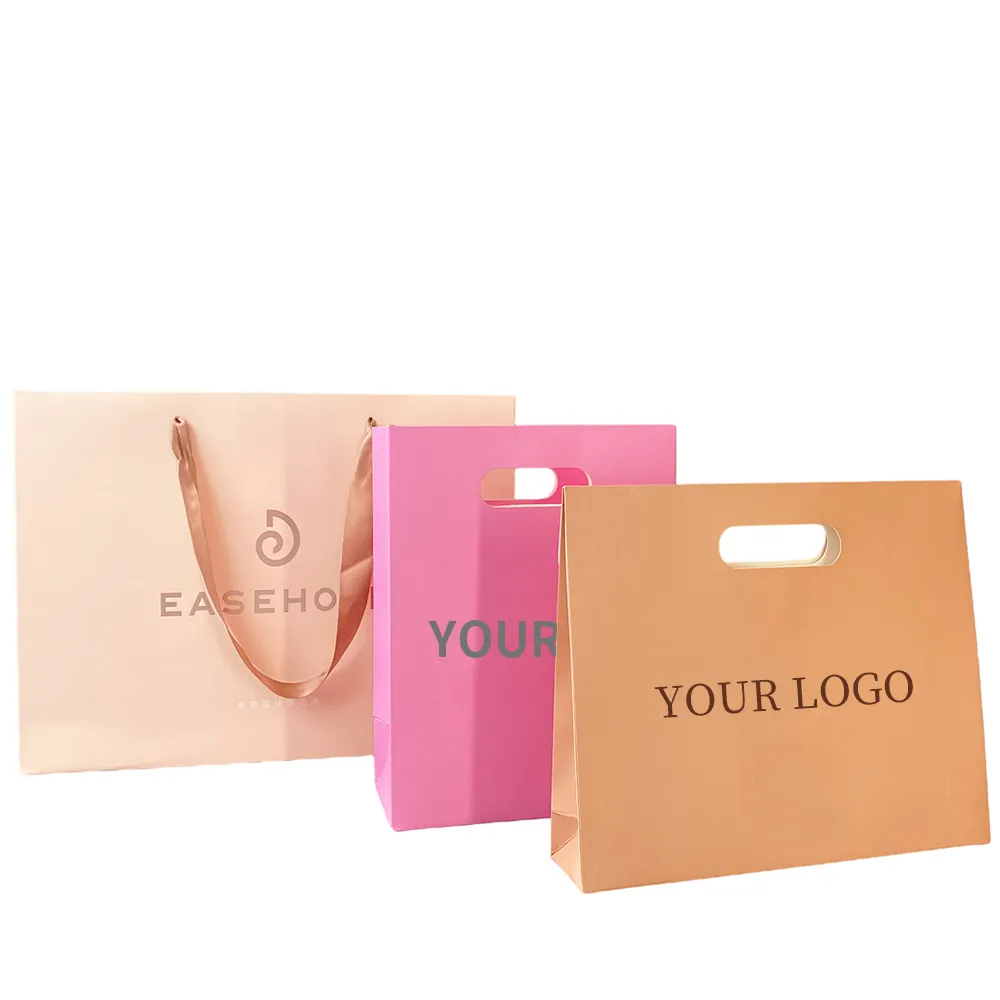
custom bags corporate events is the first checkpoint buyers should lock before they approve a supplier, budget, or production slot. Ordering custom bags for corporate events often comes down to a single question: Can you get 500 premium totes with spot-on PMS color matching delivered in two weeks without blowing the budget? That’s the real-world challenge for most event organizers, especially when the last-minute approval chain eats up days you didn’t have. The margin for error is thin — wrong fabric weight, misaligned print, or a late shipment can derail an entire event kit program.
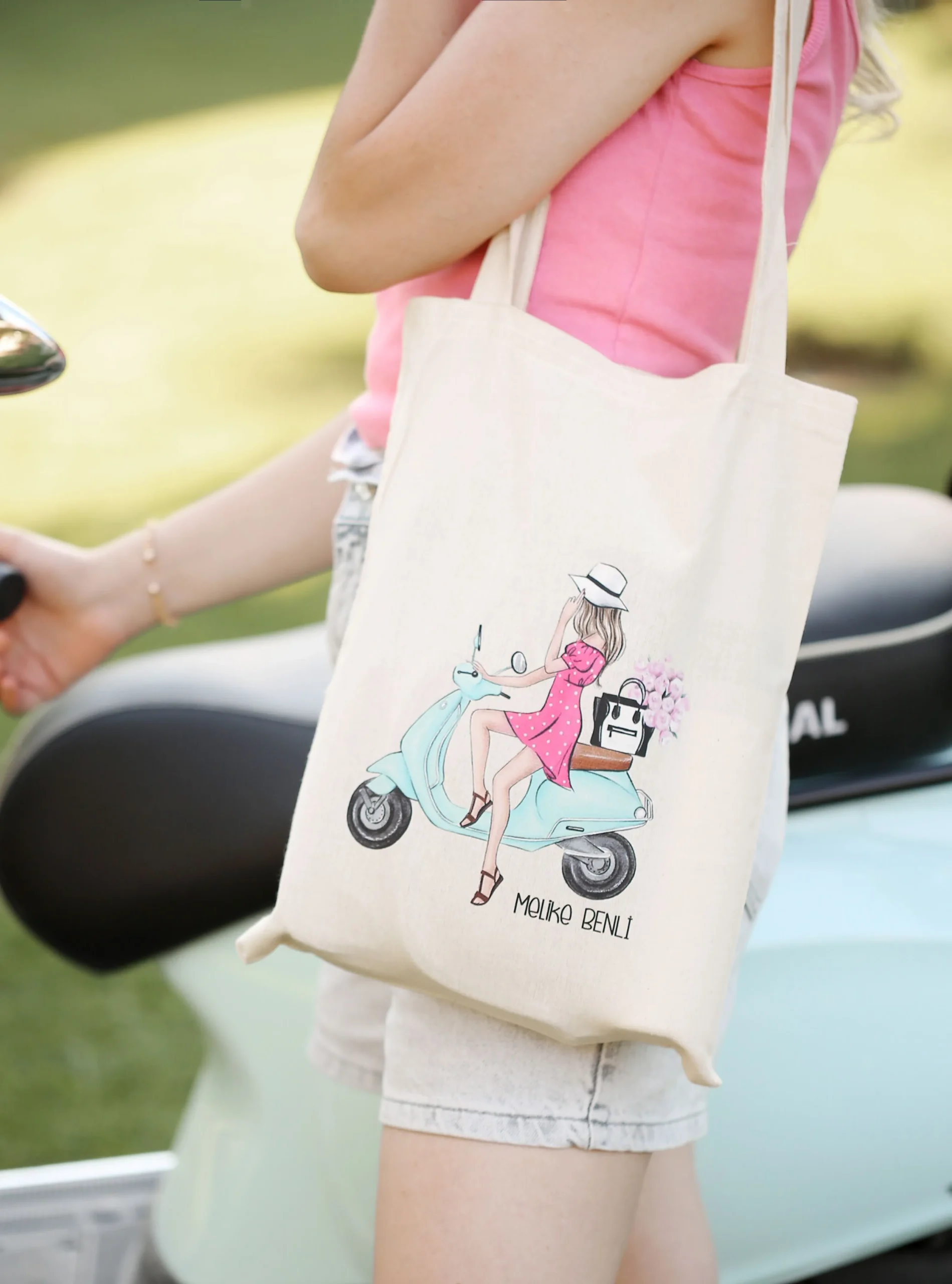
Working with a factory that produces both industrial-grade moving bags and custom retail packaging flips the equation. You’re not just buying swag; you’re buying a direct line to the manufacturing floor, which means lower MOQs (typically 200-500 units), faster turnaround on rush orders, and a single point of accountability for material quality and print accuracy. The difference between a decent event bag and one that reinforces brand credibility starts with how you source it — not just what you put in it.
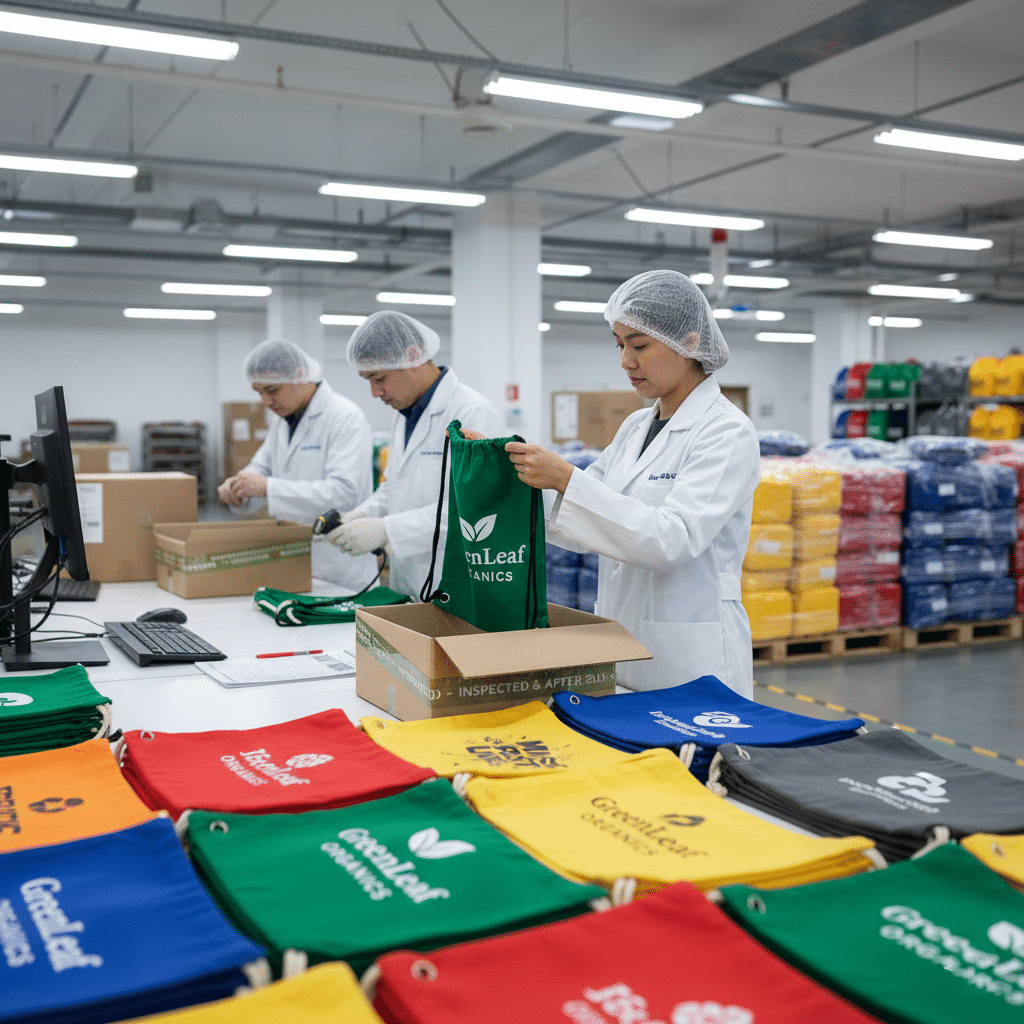
Custom Bags Corporate Events: The Full Workflow
Define event scope first, then match bag style, artwork, color, and fabric — in that order.
Start by classifying the event: conference swag bag vs. VIP welcome kit vs. retail-style partner gift. This decision dictates the bag style, material, and budget. For high-volume giveaways, a 200-unit minimum on custom tote bags for corporate events low moq is typical. For premium events, expect a 500-unit minimum for custom woven polypropylene or canvas totes.
- Bag Style Selection: Tote bags for brand visibility, backpacks for utility, drawstring bags for budget. Each style has a different durability threshold. A standard tote should hold at least 15 kg (33 lbs) using double-stitched handles.
- Artwork & Proof Approval: Submit vector artwork (AI/EPS) with PMS color codes. Suppliers typically provide a digital proof within 24 hours. Insist on a physical pre-production sample before bulk manufacturing — this catches color mismatches and logo misalignment early.
- PMS Color Matching: Color deviation of more than 2 Delta E is visible to the eye. Reputable factories use spectrophotometer checks. If a supplier hides PMS matching fees, they likely cut corners on ink quality — always request a CMYK-to-PMS conversion test.
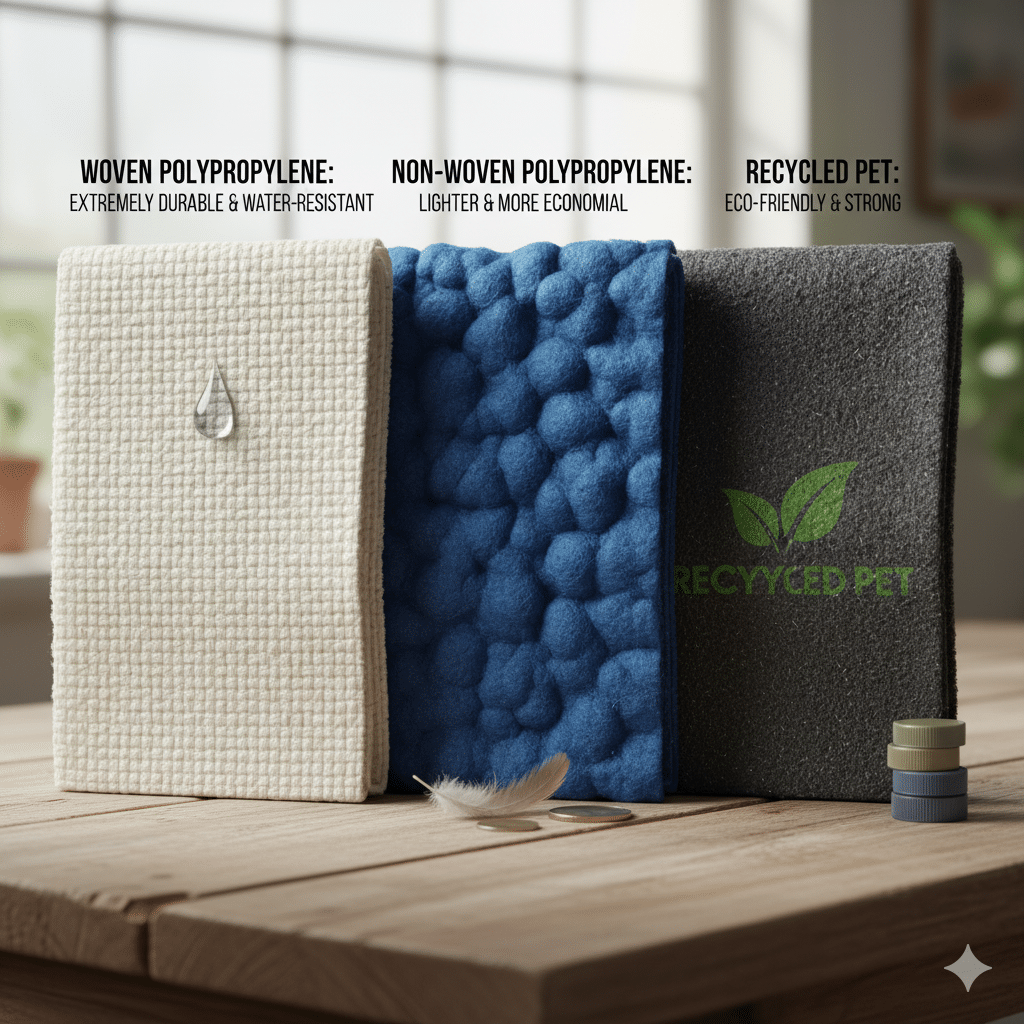
- Fabric GSM Verification: For non-woven polypropylene, 80 GSM is the minimum for a decent feel; 100 GSM+ provides retail-grade durability. For woven polypropylene, aim for 120-150 GSM. Always request a fabric swatch and verify the GSM with a digital scale — 10% below spec means flimsy bags that tear during distribution.
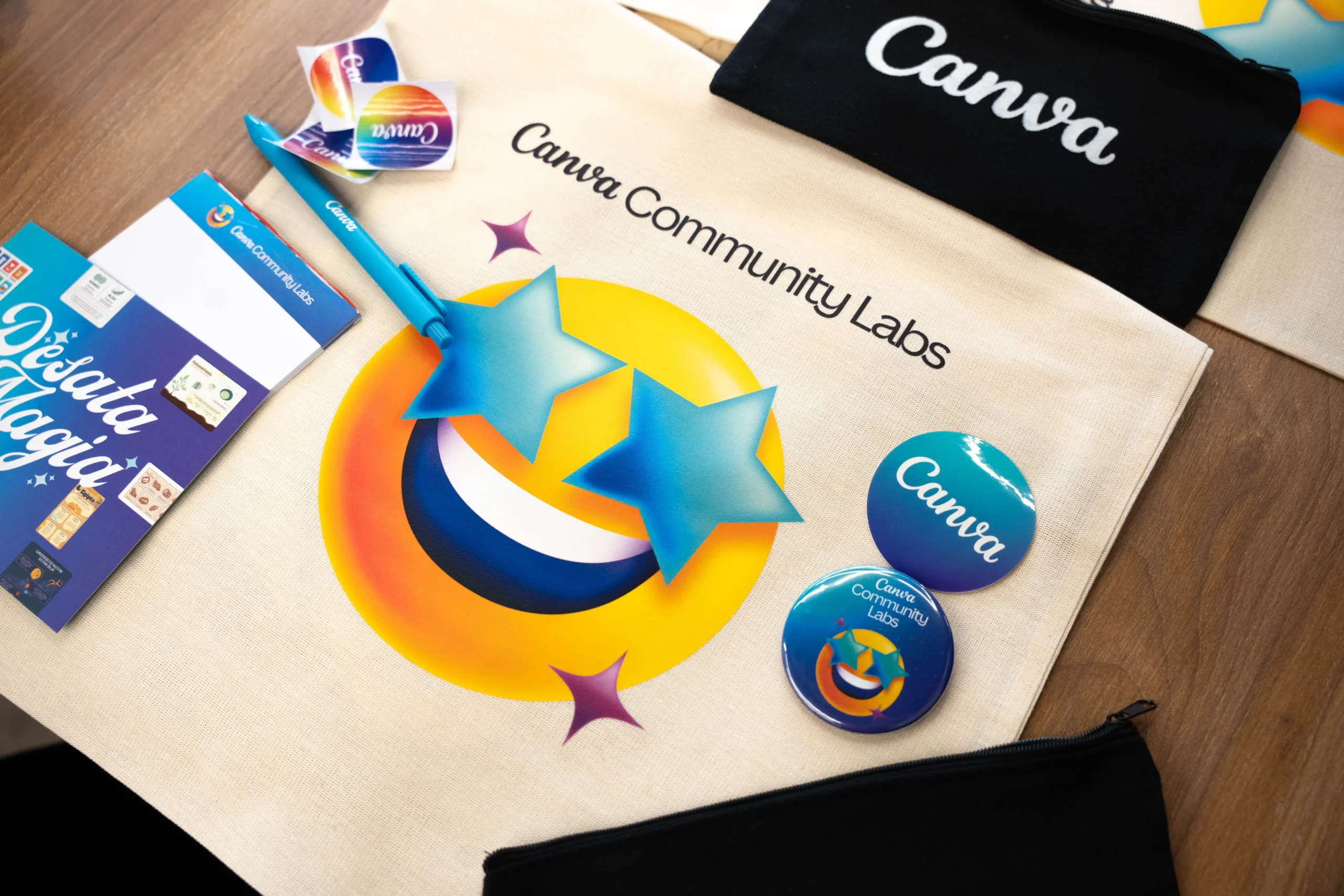
Factory-direct sourcing eliminates middleman markups and gives you control over these four steps. Ordering branded swag bags for conferences with 200-500 units and a 10-15 day lead time is feasible if you approve the proof within 24 hours and accept a 3% overrun allowance. For rush orders, confirm that the supplier offers split shipments — receiving 50% early covers unexpected attendee spikes.

Material Selection: Canvas vs. Non-Woven vs. Polyester
The material you choose determines 70% of perceived value and 90% of durability at corporate events.
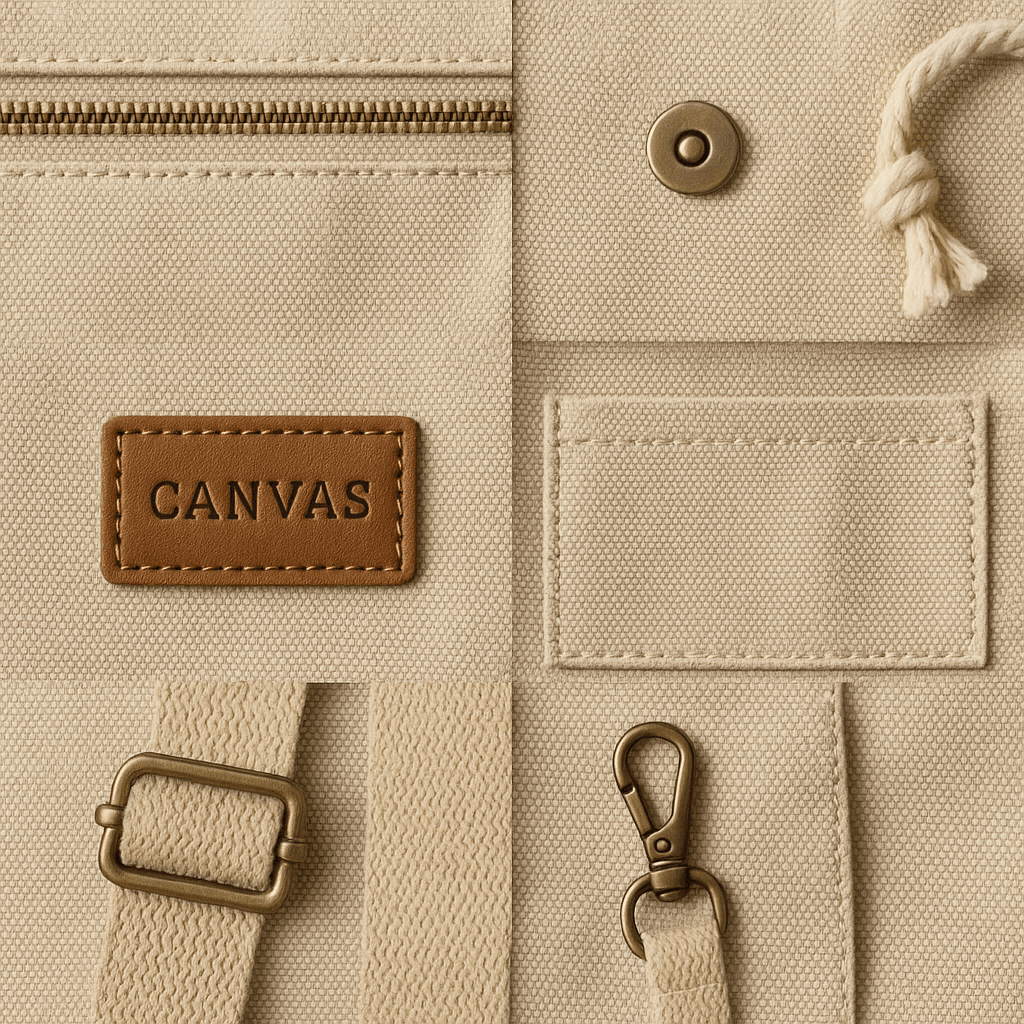
For corporate event bags, material selection isn’t about personal preference — it’s about aligning perceived value, event budget, and post-event utility. For premium brand alignment, 12oz to 16oz cotton canvas (340–450 GSM) delivers the highest quality feel, holds PMS-matched dyes consistently, and withstands repeated use. For high-volume giveaways, non-woven polypropylene is cost-effective, but below 80 GSM the bag looks flimsy and handles tear within a single use — a common risk when suppliers quote low prices without disclosing GSM. Polyester (210D to 600D) or canvas-polyester blends offer a durable middle ground with better print clarity than non-woven at a unit cost between canvas and budget options.
- 12oz–16oz Cotton Canvas: 340–450 GSM, tear-resistant, best for premium custom tote bags for corporate events low MOQ runs of 200–500 units. Unit cost $4.50–$7.00 at 500 MOQ. Requires 15–20 day lead time.
- Non-Woven Polypropylene (80–100 GSM): Cheapest option, $1.20–$2.00/unit at 1,000 MOQ. Risk: below 80 GSM handles fail under 5 kg load. Always request a GSM verification swatch. Suitable for single-day conference swag, not long-term brand carriers.
- Polyester (210D–600D) or Canvas Blend: Middle ground at $2.80–$4.00/unit. 600D polyester offers 30% more tear strength than 80 GSM non-woven. Blends (50/50 poly-cotton) combine canvas texture with lighter weight — ideal for rush order custom tote bags for events needing 10–12 day production.
- Sustainability Options: Recycled cotton canvas, RPET polyester, and biodegradable non-woven are available. Certification documentation (GOTS, GRS) ensures your premium custom gift bags for trade shows meet corporate ESG goals.
- Factory-Direct Advantage: As a direct factory manufacturer, we adjust GSM, handle reinforcement, and provide tear-resistance data (ASTM D5034) without middleman markups. This lets you order custom promotional bags with logo wholesale at true mill pricing — and still hit $10/unit target budgets.
- Decision Framework: For one-day giveaway: 100 GSM non-woven with fused handles. For multi-use conference bag: 12oz canvas or 600D polyester. For eco-conscious corporate retreat: recycled canvas with water-based screen print. Review your after-event lifespan requirement before ordering.
A hard truth: non-woven polypropylene at 80 GSM is the default for budget giveaways, but we’ve seen event organizers lose brand credibility when bags tear before attendees leave the venue. If your event expects attendees to carry brochures and water bottles, specify 100 GSM or switch to a polyester blend. For eco-friendly alignment, ask about recycled PET (RPET) canvas or recycled polypropylene — both compliant with REACH and RoHS, and they add a sustainability story without inflating cost by more than 10–15%.
| Material Type | Weight (GSM / Denier) | 12–16 oz (400–540 GSM) | Durability Rating | Print Quality & Customization |
|---|---|---|---|---|
| Canvas (Cotton/Poly Blend) | Weight (GSM / Denier) | 12–16 oz (400–540 GSM) | Durability Rating | Print Quality & Customization |
| Canvas (Cotton/Poly Blend) | Weight (GSM / Denier) | 12–16 oz (400–540 GSM) | Durability Rating | Print Quality & Customization |
| Canvas (Cotton/Poly Blend) | Weight (GSM / Denier) | 12–16 oz (400–540 GSM) | Durability Rating | Print Quality & Customization |
Production Timelines: Rush Orders vs. Standard Lead Times
Standard 15-25 days; rush 7-10 days with dedicated account manager.
For standard orders, production runs 15-25 days after final artwork approval. That clock starts only when you sign off on a PMS-matched digital proof and the pre-production physical sample. Any revision cycle adds 3-5 days. We’ve seen the most common delay come from last-minute color changes — lock your Pantone numbers before submitting the purchase order. This timeline applies to custom tote bags for corporate events low MOQ runs of 200-500 units; higher volumes may require an additional 5 days for material procurement.
- Rush order conditions: 7-10 day turnaround is available with a 20% surcharge on the unit price. The catch: artwork must be approved within 24 hours of submission, and the production queue is fast-tracked by assigning a dedicated account manager who monitors every stage — from cutting to packing. If your design needs more than one revision, the rush guarantee is voided. This service is ideal for rush order custom tote bags for events where you need bags in hand in under two weeks.
- Split shipment triggers: To cover attendee spikes — say your VIP list grows by 20% after the initial order — we can split the shipment. Standard split is 50% at the original timeline, the balance 7-10 days later. No additional setup fee, but the second batch incurs the standard production rate. Confirm split requests no later than 5 days before the first shipment to avoid material reallocation delays. This is a common need for event organizers sourcing custom promotional bags with logo wholesale and needing to adjust headcount.
Quality Control: Avoiding Print Defects and Damaged Goods
Skip the pre-production sample and you’re gambling with your brand’s reputation.
Every defect I’ve seen in custom event bags traces back to one of three failures: no physical sample, wrong decoration method, or skipped overrun allowance. A digital proof shows colors, not construction. You need a physical pre-production sample in hand — feel the fabric, test the handle stitch, measure logo placement to within ±2mm. I’ve watched a client approve a digital proof only to receive bags with the logo 15mm off-center. That sample cost 0.1% of the order and would have caught it.

For full-color logos on premium custom gift bags for trade shows, heat transfer delivers sharp detail at a lower setup cost — about $0.50 per bag versus $1.25 for embroidery at 500 units. But heat transfer peels after about 50 washes. Embroidery lasts the life of the bag but can’t reproduce gradients. If you’re ordering rush order custom tote bags for events and need a premium look, specify embroidery for handles and heat transfer for complex artwork. Never mix the two on the same bag unless the supplier guarantees no color bleed between methods.
- Overrun allowance: Contract a 3% overrun (extra bags) to cover defects from manufacturing or distribution. Without it, a 3% defect rate kills 3 out of every 100 bags — and you still pay full price. Industry standard is 3% overrun at no charge; any supplier charging extra is cutting corners.
- Inspection checklist: Before shipment, check a random 10% of the batch for: misaligned logos (>2mm deviation), color bleeds (blur at edges), broken handles (pull test with double the labeled weight), and zipper function (must open/close 50 times without jamming). Reject any lot with more than 2% defects in the sample.
- Handle vulnerability: Broken handles are the #1 failure point. For custom promotional bags with logo wholesale, demand double-stitched crossbars and a minimum of four rivet anchors at each attachment. Ask for a handle pull test report showing 50kg static load for 10 minutes without deformation.
When sourcing custom tote bags for corporate events low moq, don’t let a low minimum order volume let you skip these controls. One event organizer I worked with approved a 200-bag run without a sample. The bags arrived with the logo printed upside down on 30 units. The supplier blamed the artwork file, but a pre-production sample would have caught the orientation error. That’s the difference between a professional and a commodity broker.
Sourcing Strategies: Factory Direct vs. Trading Companies
Bypassing intermediaries cuts costs by 15–25% and gives you direct control over material and production quality.
When sourcing custom bags for corporate events, the choice between a factory-direct manufacturer and a trading company directly impacts your margin, lead time, and customization fidelity. A factory-direct supplier owns the production line, meaning you pay for raw materials and labor only—no middleman markup. Trading companies pool orders from multiple factories and add a margin for coordination, but they often cannot provide transparent sourcing records or on-site audit reports. For an event organizer with a fixed budget of $10 per unit, that 15–25% premium paid to a middleman could fund a heavier fabric or a custom interior pocket.
- Factory audit reports: A legitimate factory will share ISO 9001 certification, a current social compliance audit (e.g., BSCI or SMETA), and batch-specific material test reports. Trading companies typically cannot produce these documents because they don’t control the factory floor. Without them, you risk receiving bags with lower GSM than specified or incorrect PMS color matching.
- Customization capability: Adding inner pockets, zippers, or custom lining requires direct communication with the sewing department. Factory-direct suppliers can prototype a sample in 3–5 days and adjust construction details (like reinforced stitch density for zipper attachments) without subcontracting. Trading companies often batch these requests to a third workshop, losing traceability and adding 7–10 days to the sample cycle.
- Cost transparency: Factory-direct pricing breaks down raw materials (fabric weight, thread type, hardware), labor, and overhead. Trading companies quote a flat unit price that lumps margin, warehousing, and logistics. For a 500-unit run of custom totes, the difference can be $1.50–$2.00 per bag—enough to upgrade from 80gsm non-woven to 160gsm woven polypropylene.
- Risk of hidden fees: Trading companies may charge separate fees for artwork setup, color matching proofs, or rush production that are included in a factory-direct quote. Always ask: ‘Is the PMS color proof included? Are sample shipping costs covered?’ An experienced factory-direct partner will provide a single all-in quote with 3% overrun allowance and DDP shipping terms.
Conclusion
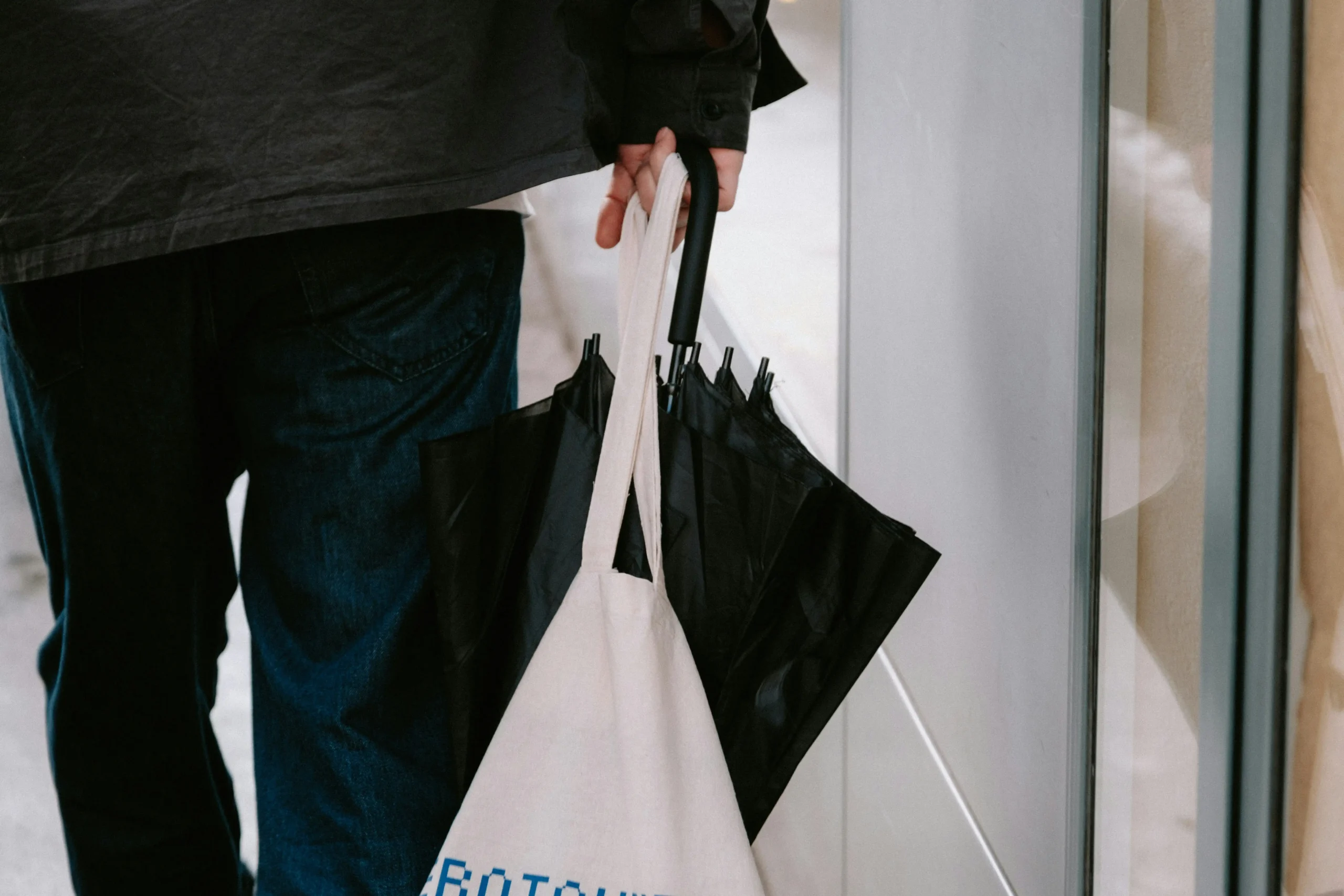
Following a structured ordering process ensures your custom bags meet brand standards and arrive on time. Proper material selection and color matching prevent costly errors. A reliable factory partner delivers consistent quality across thousands of units.
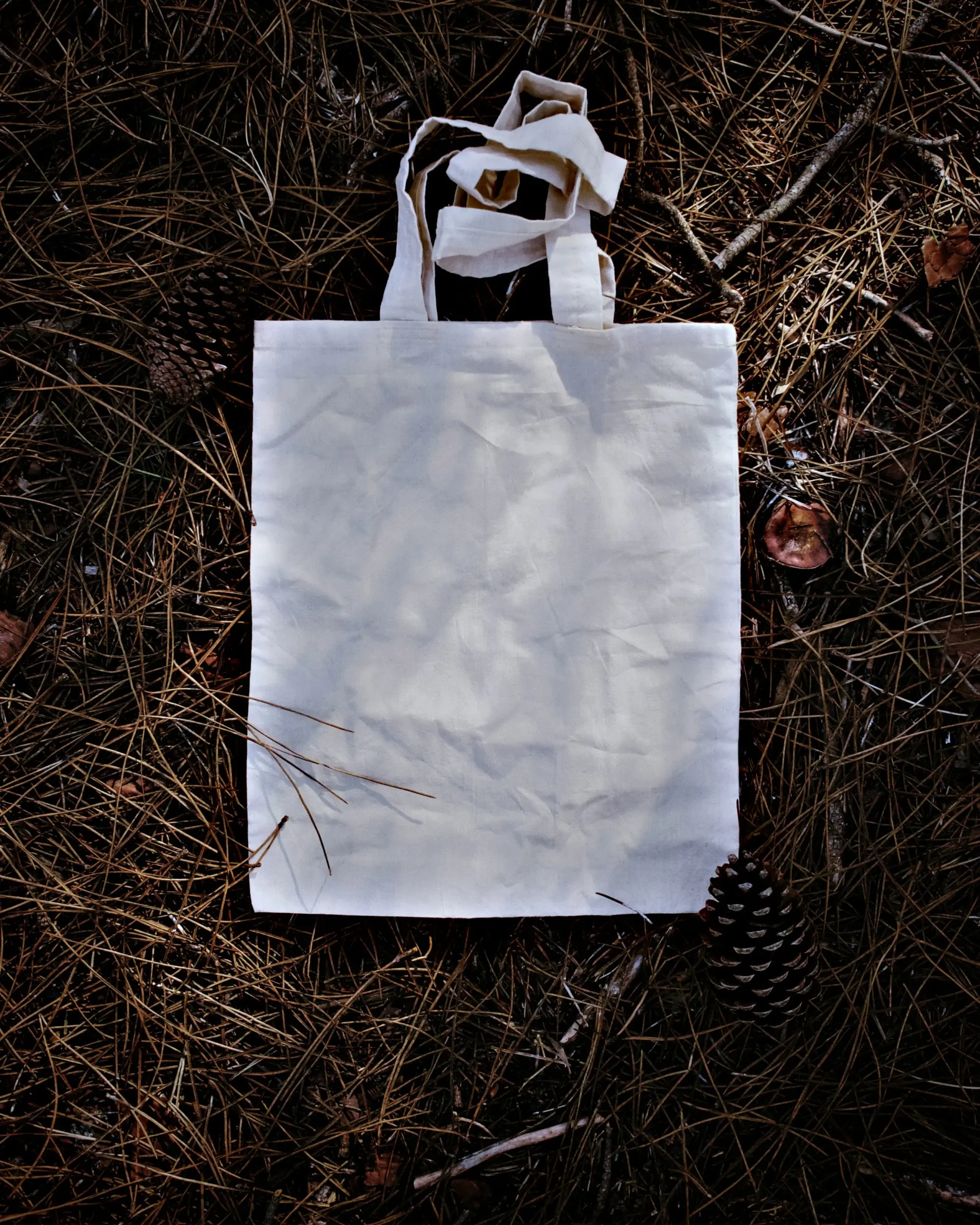
Compare your event requirements against available MOQs and lead times. Request a pre-production sample to verify print accuracy before the full run.
Frequently Asked Questions
What’s the minimum order for custom event bags?
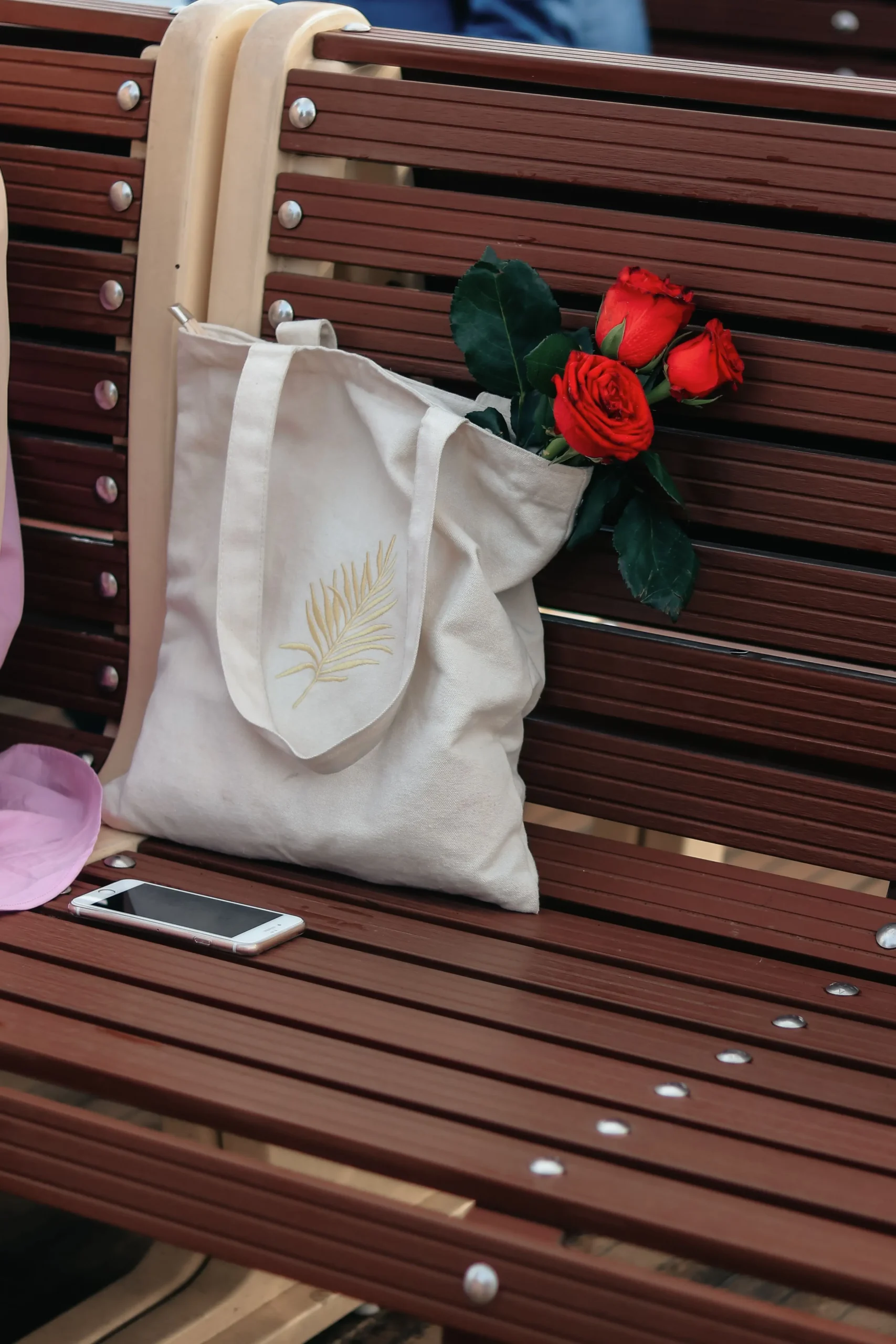
For custom corporate event bags, MOQ typically starts at 200 to 500 units depending on bag style and complexity. Lower MOQs may be possible for stock items, but custom color. Confirm the exact MOQ once you finalize bag style and customization level.
Can you match our exact brand color?
Yes, we use PMS color matching to ensure your logo prints in the exact brand shade across thousands of units. A pre-production sample is provided for approval before full. Always request a PMS-matched proof and physical sample before committing to full run.
How long does production take for custom bags?
Standard production runs 15–25 days from approved proof, while rush orders with a dedicated account manager can ship in 7–10 days. Rush availability depends on current factory capacity and material. Request a calendar check at quote stage to lock in your deadline.
What bag material is best for corporate events?
For premium brand alignment, 12–16 oz cotton canvas is best; for high-volume giveaways, non-woven polypropylene at 80+ GSM works well. Polyester or canvas blends offer a durable middle ground with good. Match the material to your event’s perceived value and volume budget.


0 Comments