



A regional courier fleet ran the math every delivery operation eventually runs: poly mailers by the million, a litter complaint routing through city hall, and a sustainability pledge with no line item behind it. The program that followed replaced single-use mailers with heavy-duty reusable delivery bags across the fleet, and twelve months of data make a case study worth reading for any courier, logistics or e-commerce operation weighing the switch. The numbers below are from that program, shared with the operational details that made the savings real.
The Starting Point: 1.4 Million Single-Use Mailers a Year
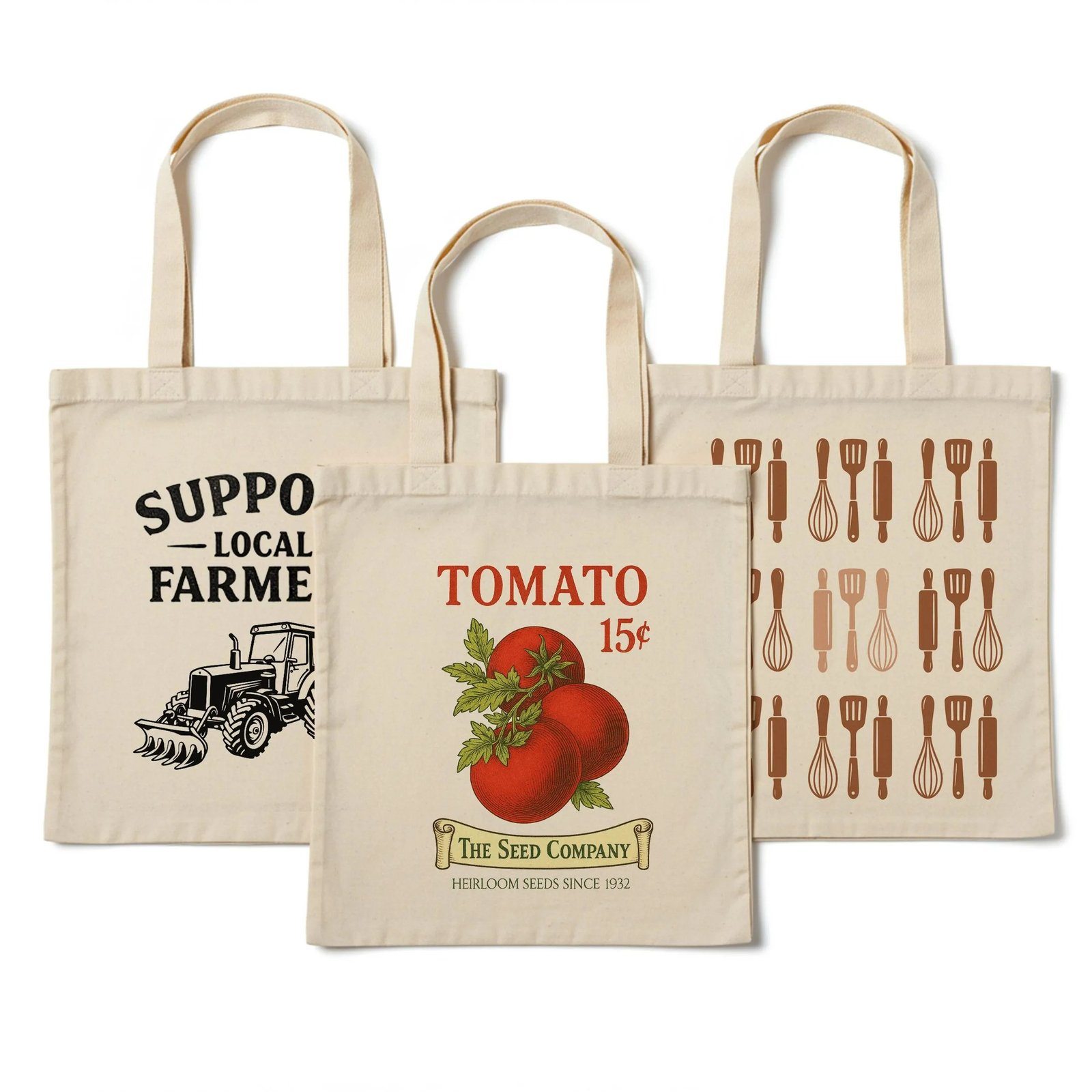
The fleet’s baseline: roughly 1.4 million single-use poly mailers consumed annually across its route network, at a supply cost that looked small per unit and enormous per year, plus the disposal-side friction, customer complaints about torn mailer litter along delivery corridors, and a corporate ESG report with nothing credible to say about packaging. The reusable alternative had to clear three bars: survive 50+ cycles in real route conditions, carry the fleet’s branding visibly enough to be a marketing asset, and cost out against the mailer spend within a defined payback window. That specification process is where reusable programs succeed or die; the bag itself, heavy-duty woven polypropylene with reinforced handles and a security closure, is the easy part. Our reusable shopping and delivery bag line is built to exactly this class of duty cycle, with load testing behind the cycle rating.

The Rollout: Pilot, Ratio, and Reverse Logistics
The program ran in three moves. Pilot: 5,000 reusable bags on two urban routes for ninety days, tracking cycle counts, damage rates and driver feedback before the fleet committed. The pilot answered the make-or-break question, the reuse ratio: bags came back through the depot system at 40-plus cycles average, well above the break-even the finance model needed. Ratio design: the fleet ordered bags at roughly one reusable bag per forty mailers replaced annually, a 35,000-bag first order, sized so that even with attrition the fleet never bought single-use again. Reverse logistics: the depot system already moved empty totes back to the sorting hub nightly, so bags rode existing backhauls with no new logistics, the single most important operational finding of the pilot. Buyers modeling their own switch can run the same three moves; the failure mode is skipping the pilot and finding the reverse logistics gap after the full order lands.
The Numbers After Twelve Months
Twelve months in: single-use mailer consumption fell by roughly 85 percent (the remainder covering outlier shipments where reusables could not return), the litter complaints that reached the city stopped, and the supply-cost math landed where the pilot predicted, with the reusable program’s first-year total cost slightly below the mailer baseline and every subsequent year running well below it as the bag fleet’s replacement rate settled at single-digit percentages annually. The unplanned gains mattered as much: drivers reported fewer repacks (the reusable bags survived handling that shredded mailers), the branded bags generated route-level visibility the fleet had never bought with mailers, and the ESG report finally carried a packaging line with numbers behind it.
What Made It Work, Transferably
Four program elements transfer to any fleet or delivery operation. One: a duty-cycle specification (50+ cycles, load-rated, weather-resistant) written before sampling, so quotes compare capability instead of price-per-bag. Two: a pilot sized to answer the reuse-ratio question on real routes. Three: reverse logistics mapped before ordering, because bags that cannot ride back never cycle. Four: replacement-rate tracking from day one, which turns the annual reorder from a guess into a forecast. Certification plays the supporting role on the sustainability claim: recycled-content bags carry the Global Recycled Standard (GRS) certification with chain-of-custody documentation, and our GRS-certified bag lines ship those documents per order, alongside the branding and customization that turned this fleet’s bags into rolling billboards, an option covered on our canvas and tote programs.

Frequently Asked Questions
How many cycles does a reusable delivery bag need to break even?
It depends on the mailer it replaces and the bag’s unit cost, but the pilot’s job is to measure the actual return ratio; this fleet’s bags averaged 40-plus cycles, clearing break-even with room to spare.
What is the hardest part of switching a fleet to reusables?
Reverse logistics: bags must ride existing backhauls or the cycling cost erases the savings. Map the return path before ordering.
How is a sustainability claim documented?
Through certification: GRS for recycled content with chain-of-custody documents per order, which survives an audit rather than an ad campaign.
What size should the first order be?
Pilot-sized to the routes being tested, then the ratio-based fleet order (roughly one bag per forty mailers replaced annually in this case).
Running delivery fleets or customer programs that still burn single-use mailers? Describe the route network through our contact page, and our team will size a reusable pilot with the break-even model included.


0 Comments