



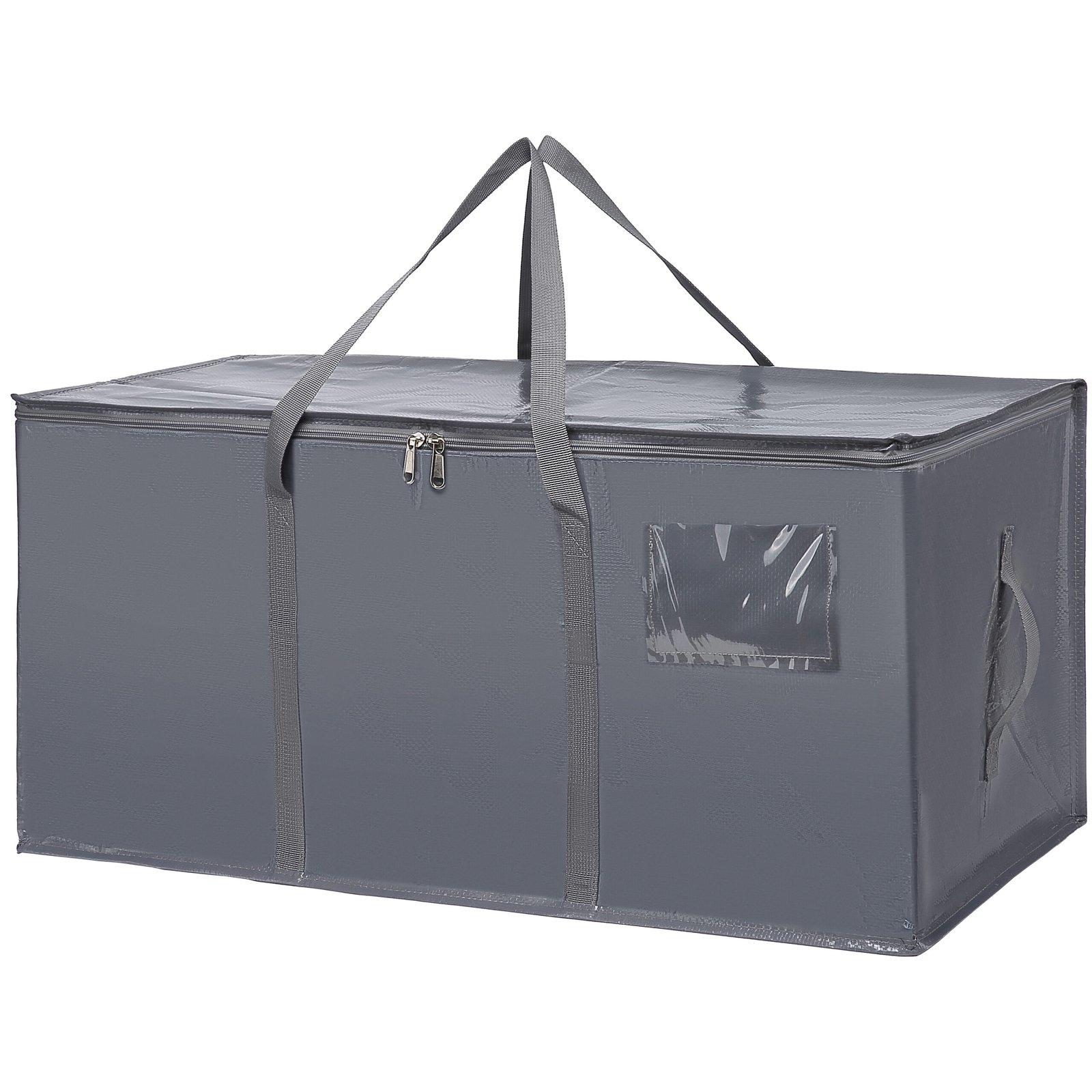
Poly bags are the least glamorous item in a bag order and the one most likely to cause a compliance problem. A bag that holds a product on a retail shelf, or that protects a product during fulfilment, can fall under warning label requirements, and the details are specific: the message, its size, the material it is printed on, and where it is placed.
This guide covers what to verify on poly bag packaging before a shipment leaves, and how to write those requirements into an order so they are produced rather than assumed.
Why Poly Bags Are Regulated
The concern is suffocation risk, particularly for children, and the regulatory response is a warning and a physical design requirement. Bags in scope carry a warning message, and some also require holes or a specified film thickness so that a bag over a face is less likely to seal.
The requirements vary by application and by market, and they attach to the packaging rather than to the product. That means the same bag can be compliant in one use and out of scope in another, and the buyer has to know which case applies to their shipment.
The practical starting point is the labelling rules published in the electronic Code of Federal Regulations, checked for the specific application and confirmed with the destination market’s requirements before the artwork is approved.
The Details That Get Missed
Four items cause most compliance gaps on poly bag packaging. The warning text itself, which must match the required wording rather than a paraphrase. The print colour and contrast, because a warning that cannot be read does not satisfy the requirement. The placement, which is specified to be visible without opening the packaging. And the vent holes, where required, including their number, diameter and position.
The fourth item is the one that most often gets lost, because holes are a production step rather than a printed element. A bag that was printed correctly but not perforated arrives non-compliant, and the fix is a rework rather than a reprint.
Label durability also matters. A warning on a sticker that falls off in transit fails the same requirement, so the specification should state the method: printed on the film, or a label with a specified adhesive.
Where This Meets Retail Packaging
Retail bag packaging combines three requirements in one item: the warning where applicable, the product information and barcode, and the brand presentation. Each has its own rule about placement and legibility, and they compete for the same surface.
The practical approach is to lay the panel out once, with the mandatory elements positioned first and the brand elements placed around them. Programs that design the brand first and add compliance later usually end up with a crowded panel and a warning that is technically present but visually buried.
Barcode scannability adds a technical constraint: quiet zones, contrast and print quality. The combination of a barcode, a warning and a logo on one small panel is a layout problem worth solving at the artwork stage, as covered in our notes on barcode and label placement.
Verifying Before Shipment
Verification is a short checklist: the warning text against the requirement, print contrast, panel placement, hole specification where applicable, and a photograph of a packed unit rather than a flat bag. Packed photographs matter because placement is judged in the assembled state.
For programs that ship to several markets, keep a compliance sheet per market and per bag specification. The sheet names the requirement, the evidence and the approval date, and it turns a recurring question into a lookup.
Related labelling obligations for the bag itself, rather than its packaging, are covered in our notes on care labels and fibre content and on California Proposition 65 warnings. The two often appear on the same shipment and are inspected together.
Writing It Into the Order
The order should state the warning requirement with its source, the print method and colour, the placement, the hole specification and the label durability method. Add the acceptance check and the evidence required in the inspection report.
Where a program supplies packaging for several product lines, the same discipline applies per line, because the application decides whether the requirement is in scope at all.
If you want compliance elements designed into the packaging rather than added at the end, our solutions team can lay out the panel with the mandatory elements positioned first and the brand elements around them.
FAQ
Do all poly bags need a warning?
No. Requirements depend on the application and market. Check the specific rules for the use case before approving artwork.
What is most often missed?
Vent holes, because they are a production step rather than a printed element. A printed bag that is not perforated is non-compliant.
Does warning placement matter?
Yes. It must be visible without opening the packaging, which is judged in the assembled state rather than on a flat bag.
Can a sticker be used?
Sometimes, provided durability is specified. A warning label that falls off in transit fails the same requirement.
How should multi-market programs handle this?
Keep a compliance sheet per market and per bag specification, naming the requirement, the evidence and the approval date.
Video: Inspection and Quality Control in Manufacturing
If your packaging needs compliance elements built into the layout rather than added afterwards, our solutions team can design the panel with mandatory elements placed first and evidence documented per market.




0 Comments