



Checkout bag legislation keeps moving, and retailers who stock reusable and carryout bags now track state rules alongside color and weight. Several US states restrict single-use plastic checkout bags, some restrict paper fees, and preemption fights change the map almost every legislative session. This guide explains the shape of the current rules, what a compliant retail bag program looks like across states, and how to build an assortment that survives the next legislative session without a warehouse rebuild.
The authoritative source for any state is the state itself: California’s recycling and waste agency, CalRecycle, publishes the state’s carryout bag requirements including the reusable bag standard, and each restricting state maintains a comparable page. Retail compliance starts from those primary pages rather than from supplier summaries.
The shape of the current rules
Three rule families cover the map. Restriction states ban single-use plastic checkout bags and typically require a fee or byo-credit structure on paper and reusable bags, with reusable bags defined by construction: handles, minimum thickness and reuse-count standards written into the rule. Fee states keep plastic legal but mandate a charge per bag, which changes the checkout economics more than the product. Preemption states restrict local governments from imposing their own rules, keeping statewide consistency. The practical consequence for a multi-state retailer: the strictest standard in the operating footprint effectively becomes the program standard, because running one compliant bag set across states costs less than running per-state variants.
What a compliant reusable bag actually is
Restriction-state definitions usually require reusable bags to be constructed for at least a stated number of reuses, carry handles, and meet material and labeling requirements, with some states adding recycled-content minimums that rise over time. The reusable-bag definition is where non-compliant stock fails: a heavier plastic bag with no durability standard does not qualify, and certification or test documentation supporting the reuse claim belongs in the compliance file, the same document discipline described in our reusable bag program guide. Labeling rules may also require the bag’s recycled content and the manufacturer’s identification printed on the bag.
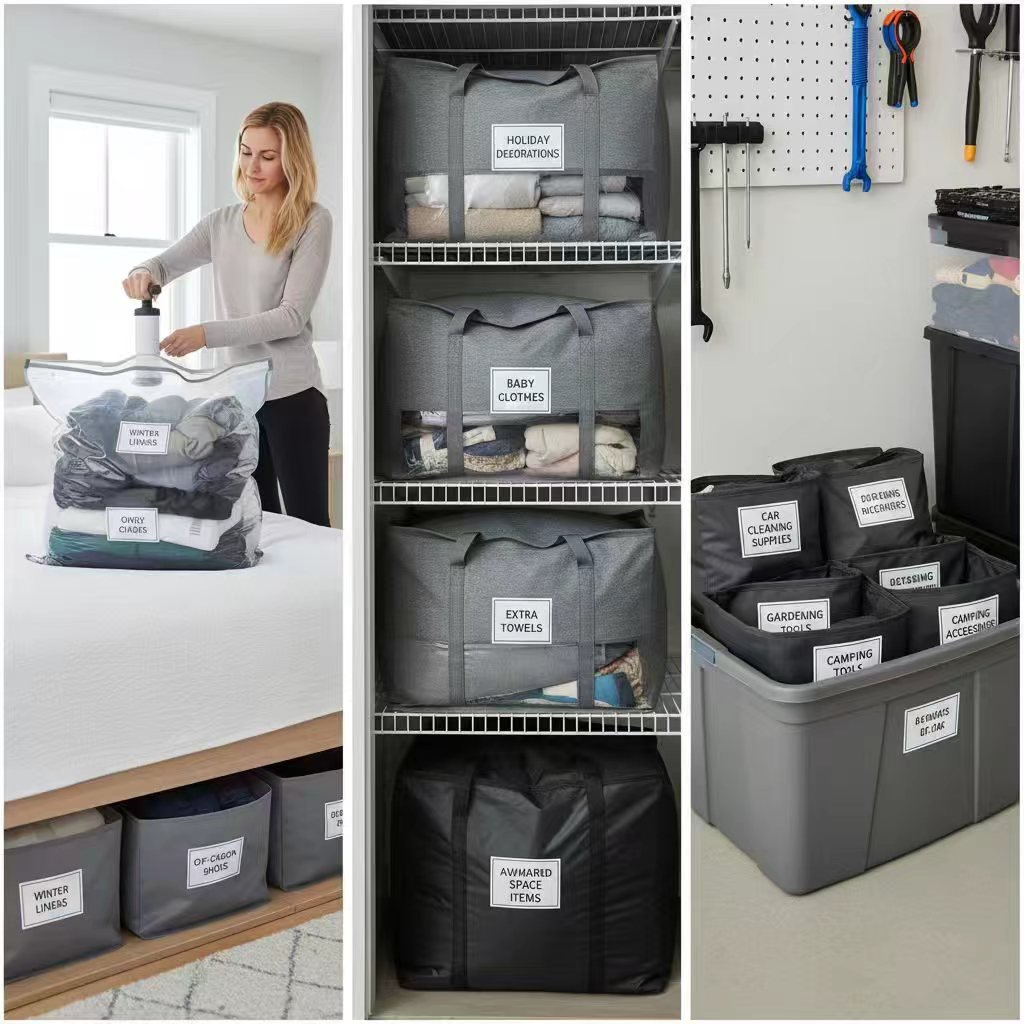
Building an assortment that survives legislation
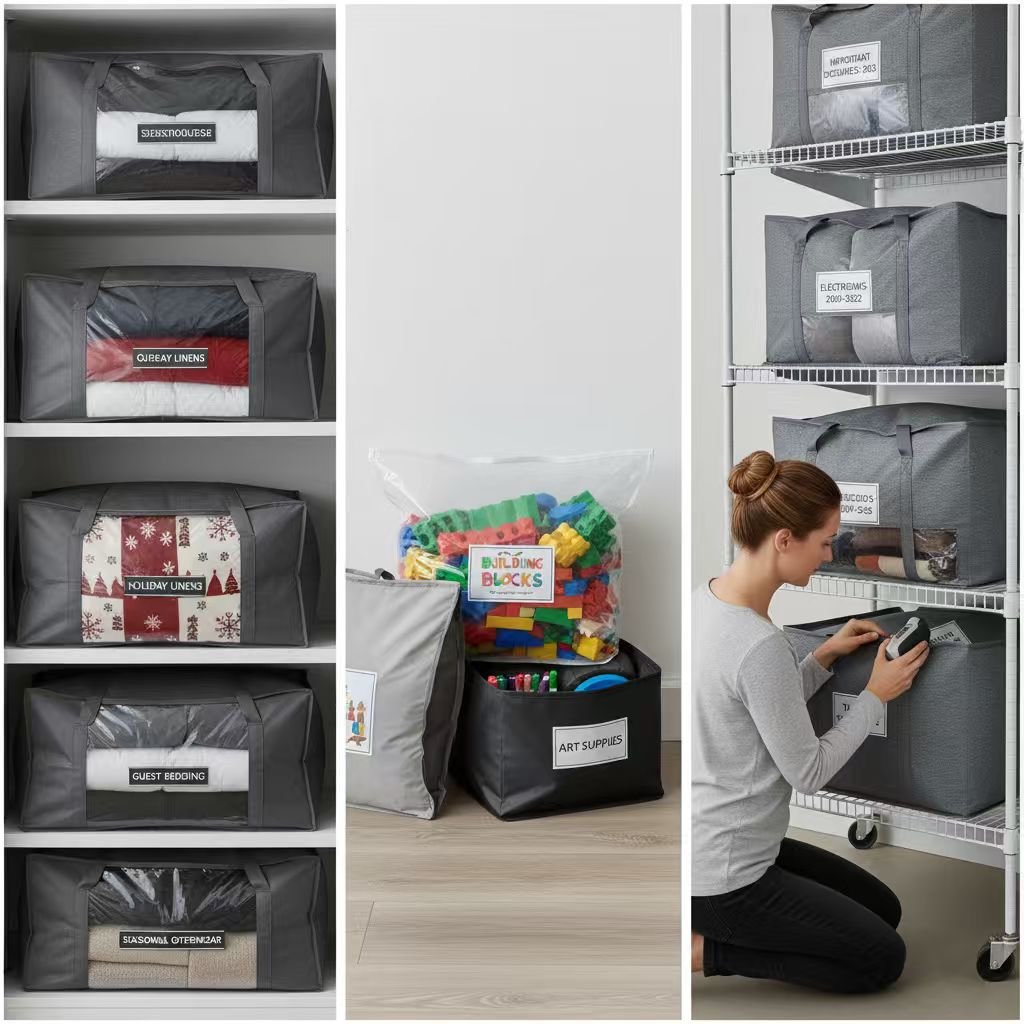
The resilient assortment is modular. Core: a compliant reusable tote that meets the strictest state standard in the footprint, stocked in neutral colors, which is legal everywhere and brands well. Middle: paid paper or heavier reusable options where fees apply, priced to the state’s fee structure. Edge: promotional and event bags that live outside checkout rules, where branded and decorative designs are unrestricted. This structure lets a legislative change re-price or re-label rather than rebuild, and it maps to the checkout strategy models in our checkout bag strategy guide, where paid, free and quota systems determine how many bags per store the program actually consumes.
Tracking the map without drowning in it
Legislation moves in sessions, so the tracking rhythm is seasonal: review the state pages after each legislative session, re-verify the reusable bag standard and fee levels, and hold a compliance file per state with the primary source page, the current bag specification and its test documentation. Suppliers participate by keeping bag constructions that meet multiple state definitions and by flagging specification changes, which is standard practice in our retail bag program work and is scoped through our logistics and moving bag solutions.
Video: bag manufacturing overview
The clip shows reusable bag production, the construction standards behind the compliance definitions above.
Frequently asked questions
Do all states ban the same bags?
No. Rules differ on which bags are restricted, fee structures, reusable bag definitions and recycled-content minimums. The strictest state in a retail footprint usually becomes the program standard.
What makes a bag legally reusable?
State definitions typically require durable construction, handles, a stated reuse capability and labeling, with some adding recycled-content minimums; the definition is written in the state rule, not in the supplier catalog.
Are promotional giveaway bags restricted too?
Checkout restrictions generally target carryout bags at the point of sale; promotional and event bags sold or given outside checkout usually fall outside them, which is why the modular assortment works.
How often should a retailer re-verify compliance?
After each legislative session and before major program reorders, re-checking the state’s primary source pages and updating the compliance file per state.



0 Comments