



Rejected cartons after a QC failure are the lot that fails the inspection, and the buyer has three commercial options: rework at the factory, negotiate an allowance or a credit, or scrap the affected pieces. The short answer for a buyer is this: the right option depends on whether the defect is fixable, whether the lot can be salvaged and how much the delay costs, so the decision has to be made against a cost, not a feeling.
Why a QC Failure Needs a Cost Decision
A failed inspection is a cost, and the choice between rework, allowance and scrap is a cost decision. Rework is cheapest per piece but delays the shipment and only works if the defect is fixable. An allowance or credit keeps the lot and takes a price hit, which works when the defect is cosmetic and the buyer can still sell the bag. Scrapping is the clean option but loses the whole value and hurts the delivery. The decision weighs the fix, the salvage value and the time.
| Option | When It Fits | Cost |
|---|---|---|
| Rework | Defect is fixable | Labor, plus delay |
| Allowance / credit | Cosmetic defect, still sellable | Price hit on the lot |
| Scrap | Defect is structural or unsafe | Full loss plus replacement time |
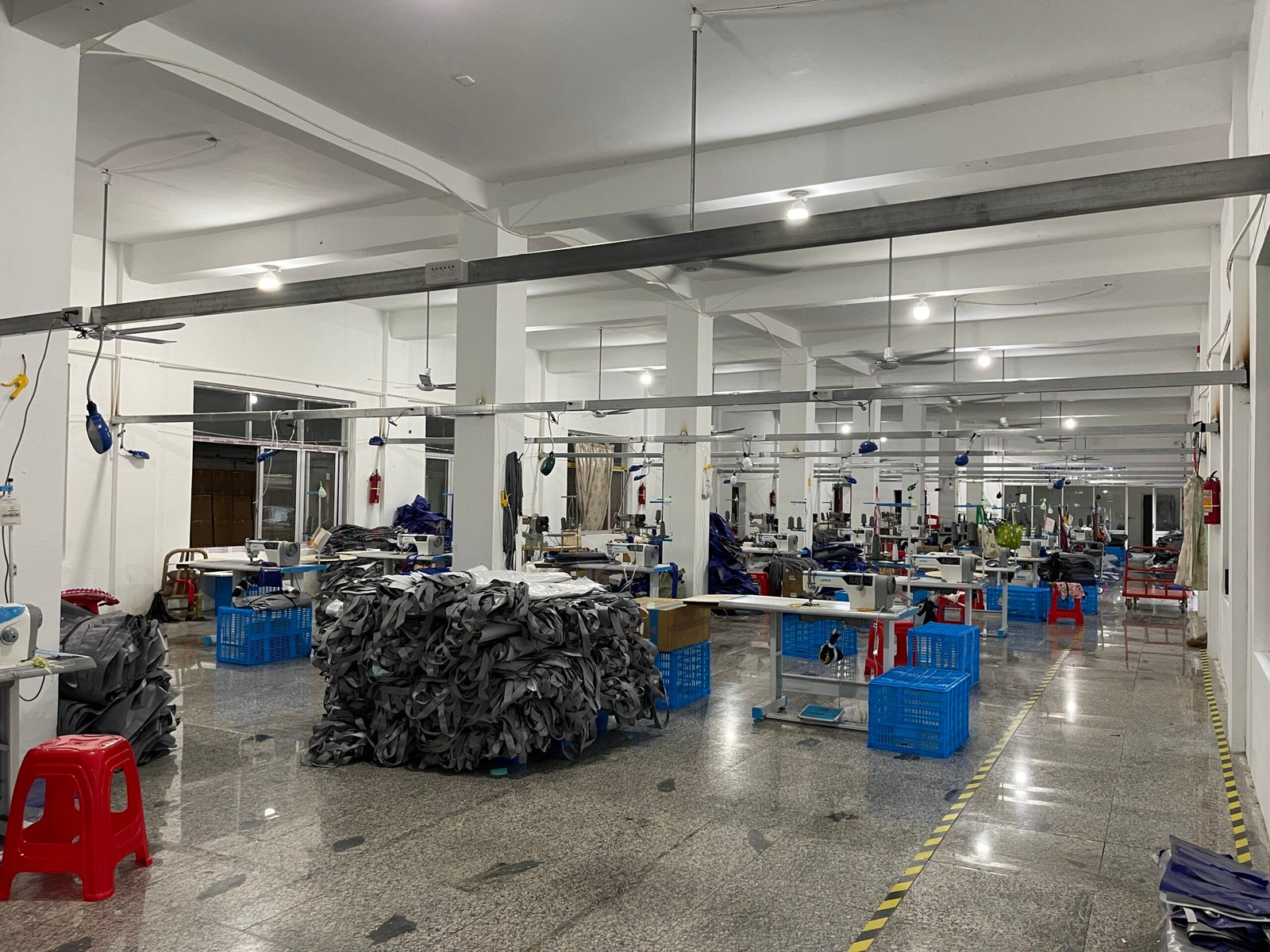
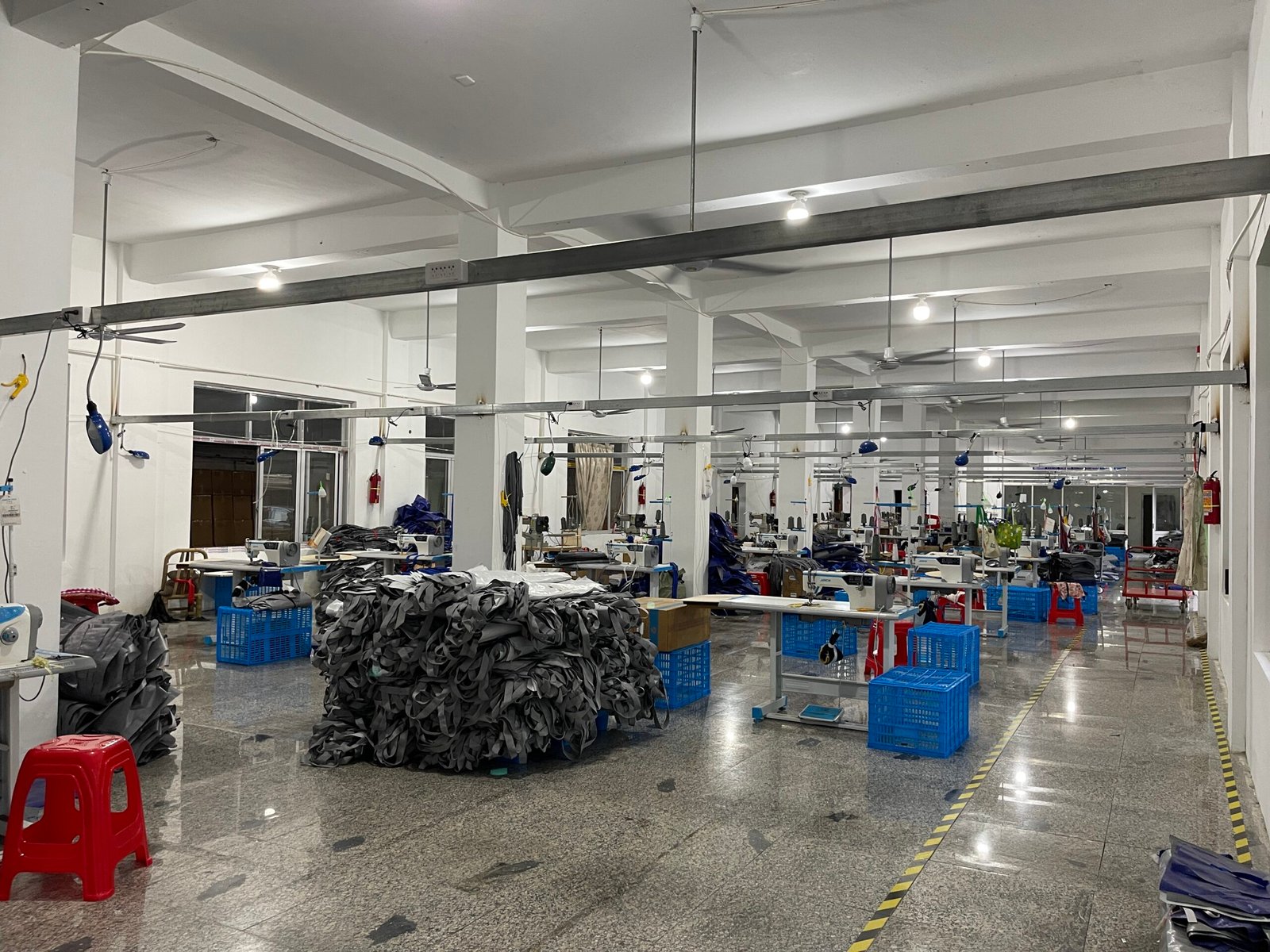
To build the spec around your use, see the a factory tour of the QC line before you place the order.
What the AQL Line Tells You
Whether a carton is “rejected” is set by the AQL sample, which is why the inspection level and the accept/reject number are agreed before the order. A lot that fails the sample is the one that triggers the decision. Because the AQL standard is the basis of the pass/fail and the defect class, the buyer should have the agreement with the QC terms and the remedy in place before the shipment, not after a refusal. See how the consumer product safety framework and the defect classification apply to a refused lot.
The Dispute Should Have a Defined Path
The cleanest outcome is a resolution path that is already agreed. A buyer who has a remedy clause in the purchase contract can move to rework, an allowance or a replacement without a renegotiation. A buyer without one is negotiating from the loading dock, which is exactly where a margin disappears. The pre-shipment inspection that TIIOCTI supports lets a buyer catch a problem before it is on a container, which is a better position than arguing after the fact.
Prevent It at the Line
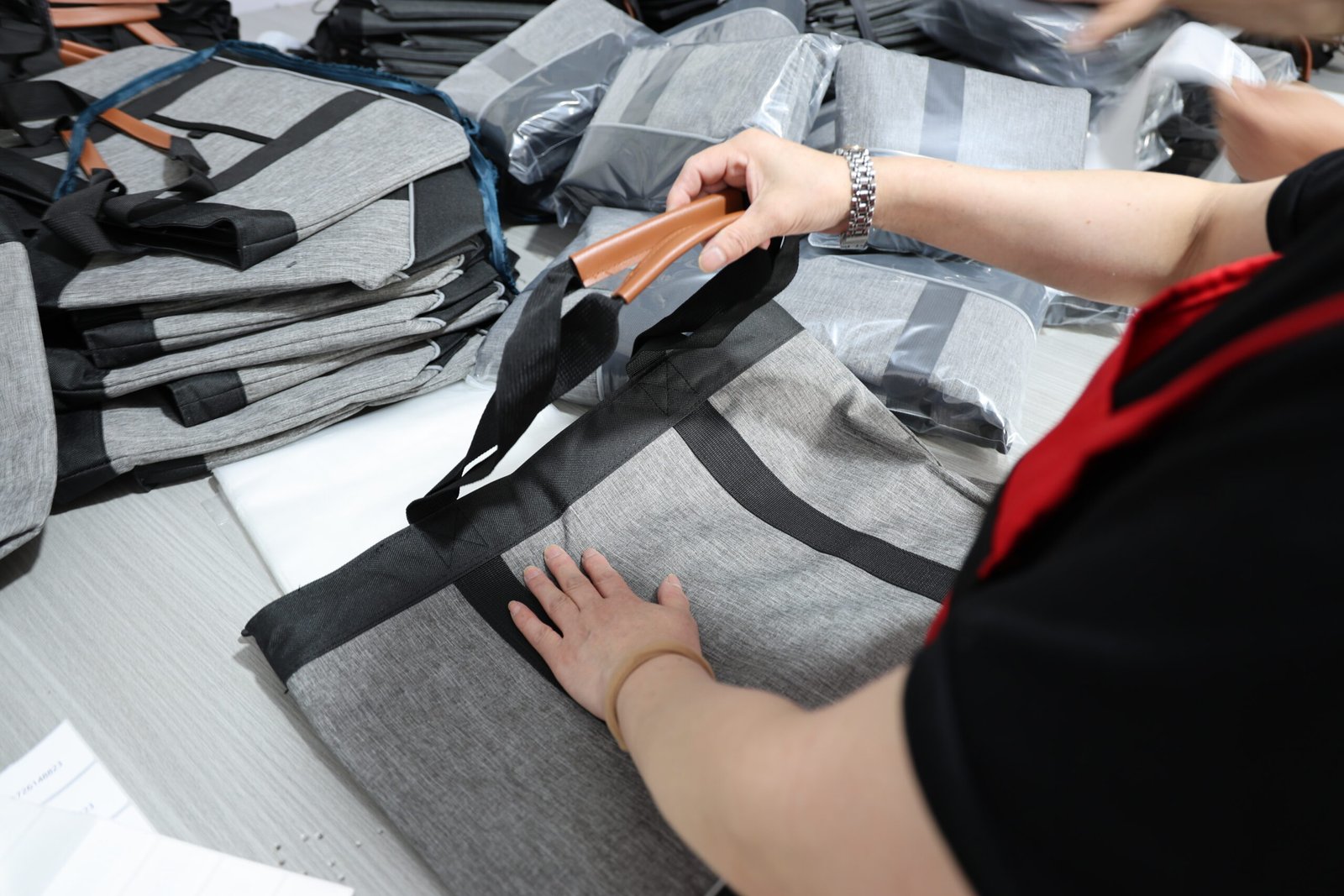
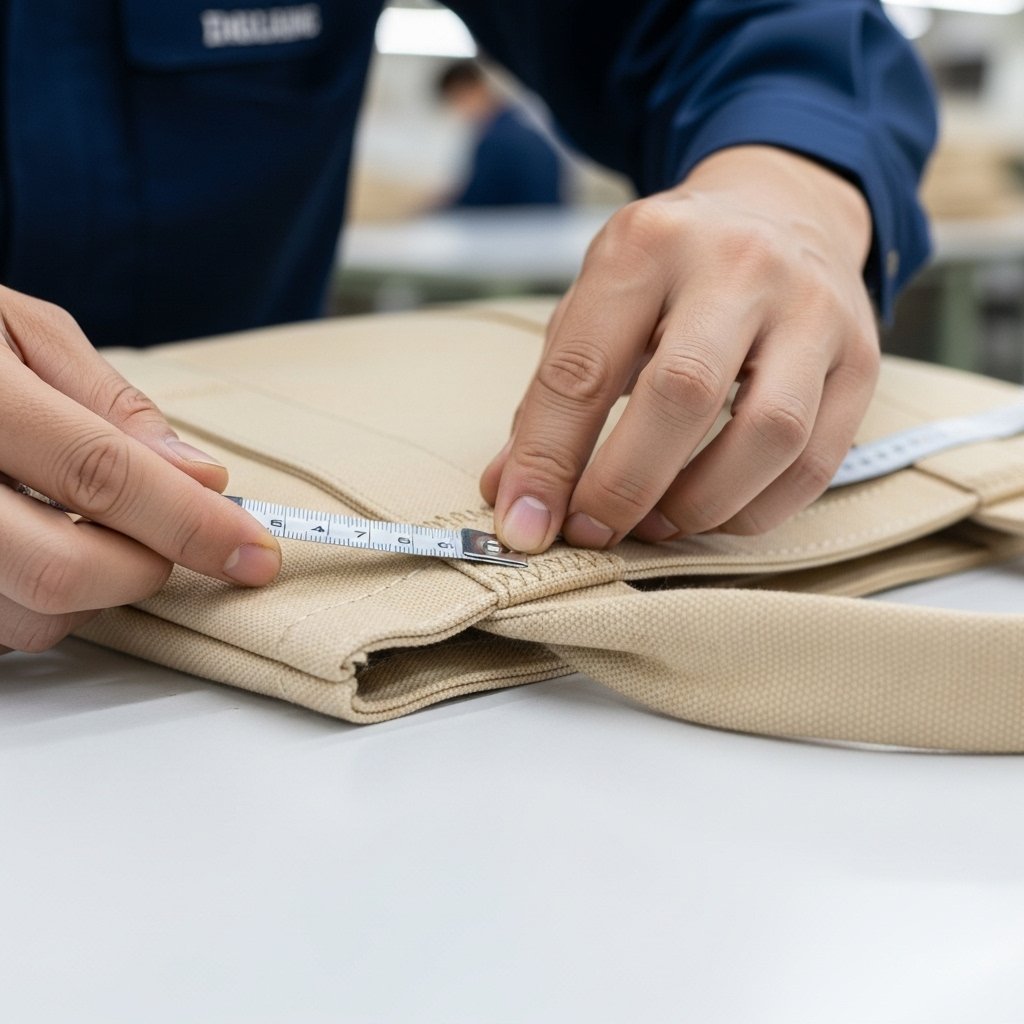
The best way to handle a rejected carton is to reject fewer in the first place. TIIOCTI runs strict AQL 2.5 quality control during mass production and provides pre-shipment inspection photos for approval, which catches a defect at the line rather than on the dock. The QC terms and the material weight are aligned before production, so a buyer sees the standard before the container is sealed. See the moving bag manufacturer program and the factory tour to review the QC line.
For more context, read our related guides on reading AQL tables for defect classes, inline versus final inspection, and destructive versus non-destructive bag testing.
FAQ
What are the options for a rejected carton? Rework at the factory, an allowance or credit, or scrap, depending on whether the defect is fixable and sellable.
When does an allowance make sense? When the defect is cosmetic and the buyer can still sell the bag, so the lot is kept at a price adjustment.
How do I avoid a rejected carton? Agree the AQL level and the remedy before the order and use pre-shipment inspection so a defect is caught at the line.
Related reading: Woven Bag Fabric Density: GSM, Weave Count and Load Ratings


0 Comments