



Two inspections protect a bag order, and they are not interchangeable. Inline versus final inspection is the question of when you look – during production or after packing – and the answer determines which defects you can still fix and which you can only document. Here is what each catches, what each misses, and how the pros run both.
Inline inspection: catching problems while they are cheap
inline versus final inspection
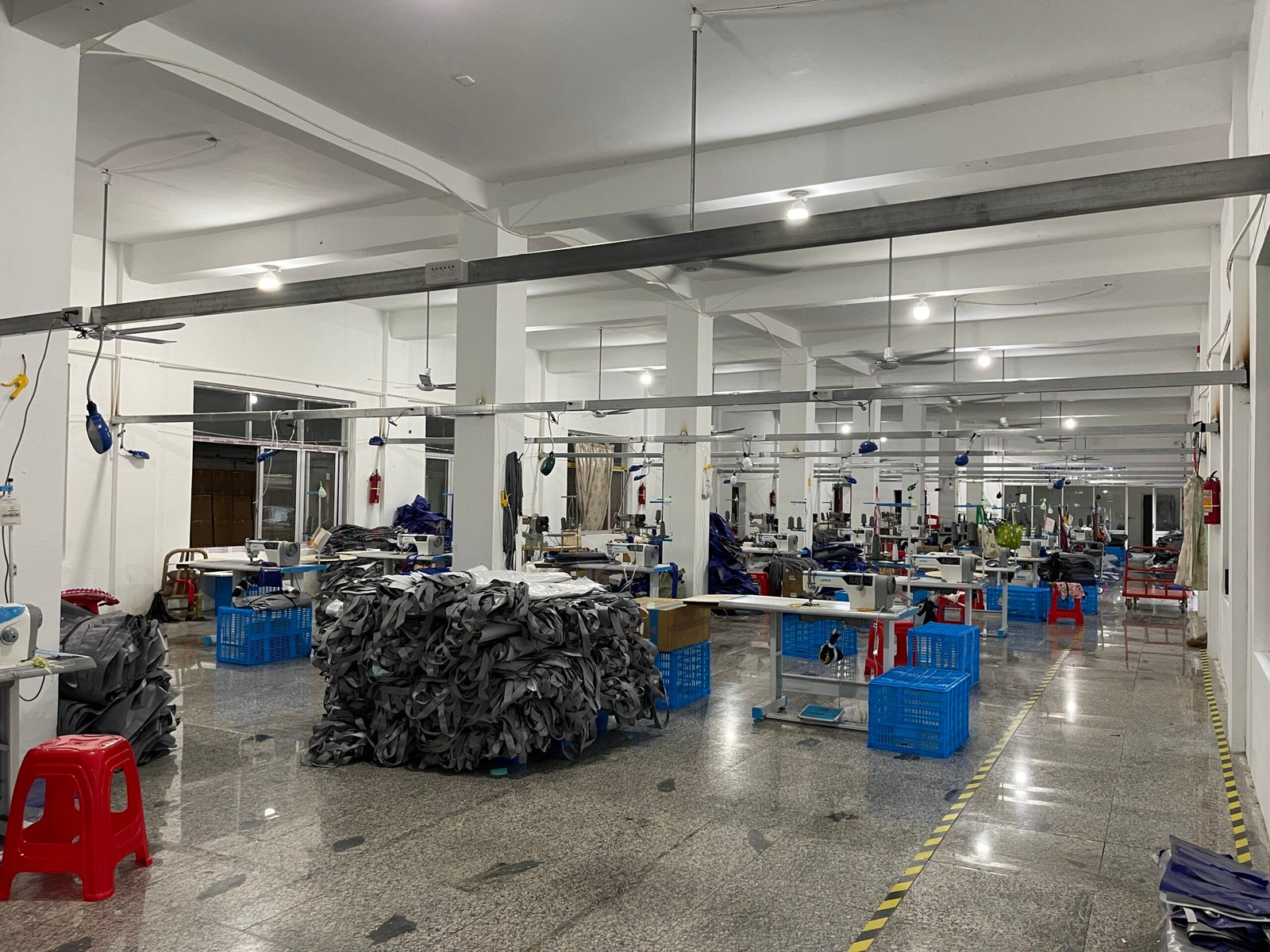
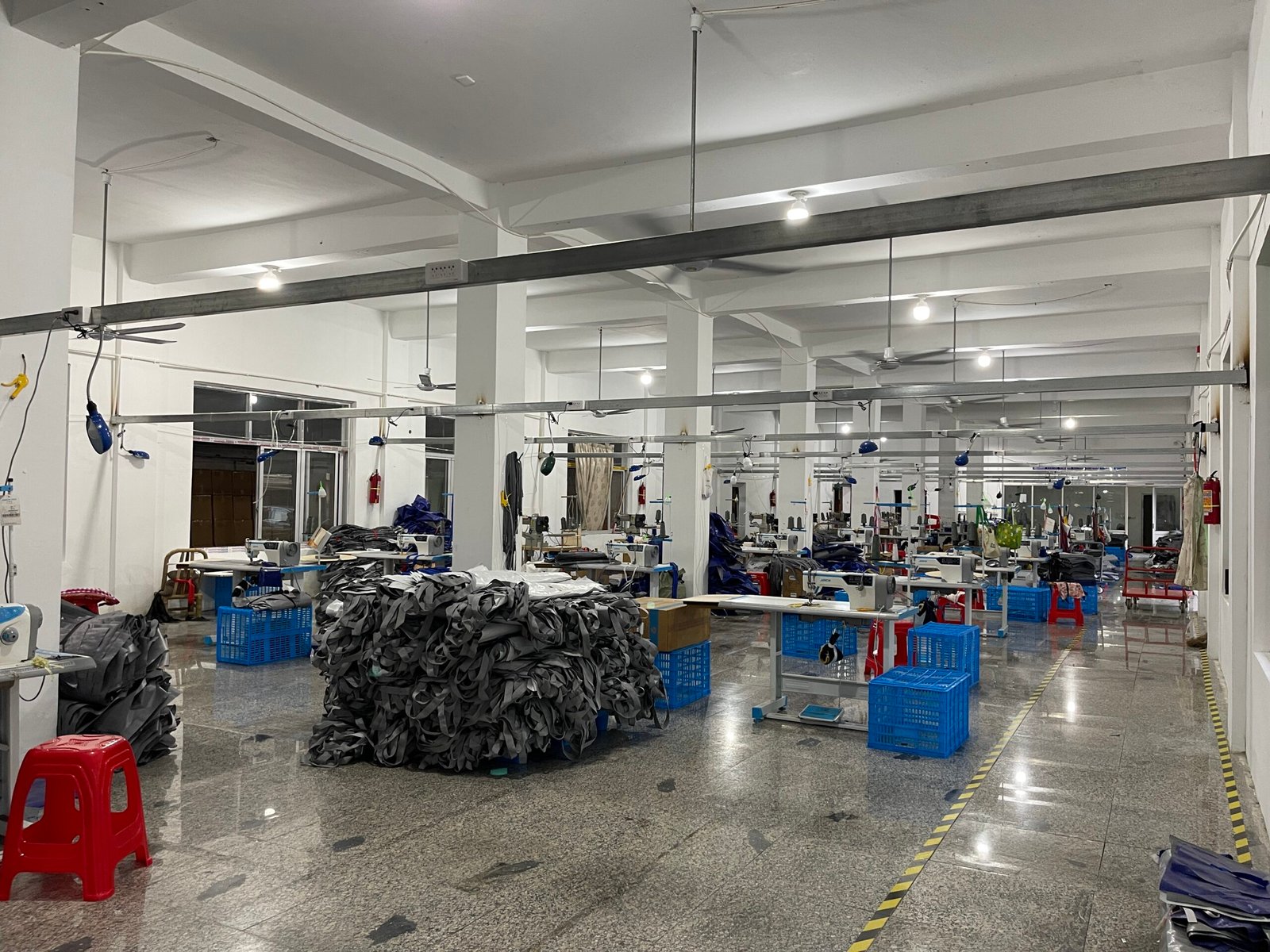
Inline inspection samples products on the production line – after printing, after cutting, after the first sewing operation – while the batch is still open. It catches process drift early: a print colour shifting across the run, a stitching density wandering, a cut dimension creeping. Those defects, caught at inline stage, cost a setup adjustment; caught at final, they cost a rework of thousands of finished bags or a claim. The statistical basis comes from the same AQL logic used at final, applied earlier – our guide to reading AQL tables covers the sampling maths that both gates share. Inline is where the factory saves its own money, which is why good factories run it without being asked.
Final inspection: verifying the shipment, not the process
Final inspection samples packed goods against the approved sample and the specification: dimensions, weight, colours, accessories packed, carton marks, and the function checks – zips, seams, handles under load. It is the gate that produces the report a buyer can act on before shipment: accept, reject, or rework with a deadline. What final inspection misses is everything upstream – it sees the symptom, not the cause, and a defect present in thirty percent of the batch is a process problem that no amount of final sampling will solve at acceptable cost. That is why the two gates pair: inline fixes causes, final verifies outcomes, and our own line runs both with the factory tour showing buyers where each station sits.

What the reports should contain to be useful
Inspection reports earn their keep when they are actionable. An inline report names the operation checked, the sample size, the defects found by class, and the corrective action taken on the spot. A final report adds the measurement table against the specification, the photos of any defect claimed, and a clear accept-reject statement against the agreed AQL level. Reports of the “quality is good, please ship” variety protect nobody, and buyers should say so in the PO – naming the report format is as important as naming the inspection level, because the format is what makes the gate auditable a year later if a claim surfaces.
Writing the two gates into the purchase order
The inspection program only protects the buyer when the PO names it. Two lines do the work: “inline inspection at [percentage] completion, report with photos at [milestones]” and “final inspection against approved sample [reference], AQL [level], report before balance payment”. With those lines, the buyer can request the inline report mid-production and act on it while there is still time; without them, the inline check becomes a favour the factory performed or skipped, discoverable only after the container sails. The sampling levels and defect classes come straight from the AQL tables, and our walkthrough of reading AQL tables pairs with the factory tour for buyers who want to see the gates before writing them into the first order.
What each one misses, honestly
Inline misses what happens after it: packing damage, carton mixing, and the defects introduced by the final packing crew itself – which is why a container-level check accompanies final inspection. Final misses process drift between sampling points: a batch can pass final sampling while containing a sub-lot of defective units the sample did not touch, which is the statistical limit of any sampling plan. Buyers closing the gaps add three practices: a first-article approval before production starts, documented inline reports at defined intervals rather than on request, and a pre-shipment inspection against the sealed reference sample. The sampling standards used across all gates follow the AIAG-style production part approval logic the automotive industry standardized, adapted to soft goods. Our materials and QC guides list the defect classifications each gate uses.
Video: inline vs final QC inspection bags
Inline catches causes, final verifies shipments, and the buyer’s protection is running both with documented reports at each gate. Specify the two gates in your next order – with sampling levels and report formats in the PO – and the inspection conversation becomes a schedule item instead of a dispute. Contact us to see both gates running on a live order.
See also our reorder streamlining guide.

0 Comments