



Reading AQL Tables in 10 Minutes: Defect Classes and Accept/Reject Decisions
An AQL table is the small chart that decides whether a bag shipment is accepted or rejected, and it reads in minutes once you know the three numbers. Most quality disputes are really a disagreement about the sampling plan, and the AQL is the plan. Here is how to read the table, sort the defects and make the accept or reject call.
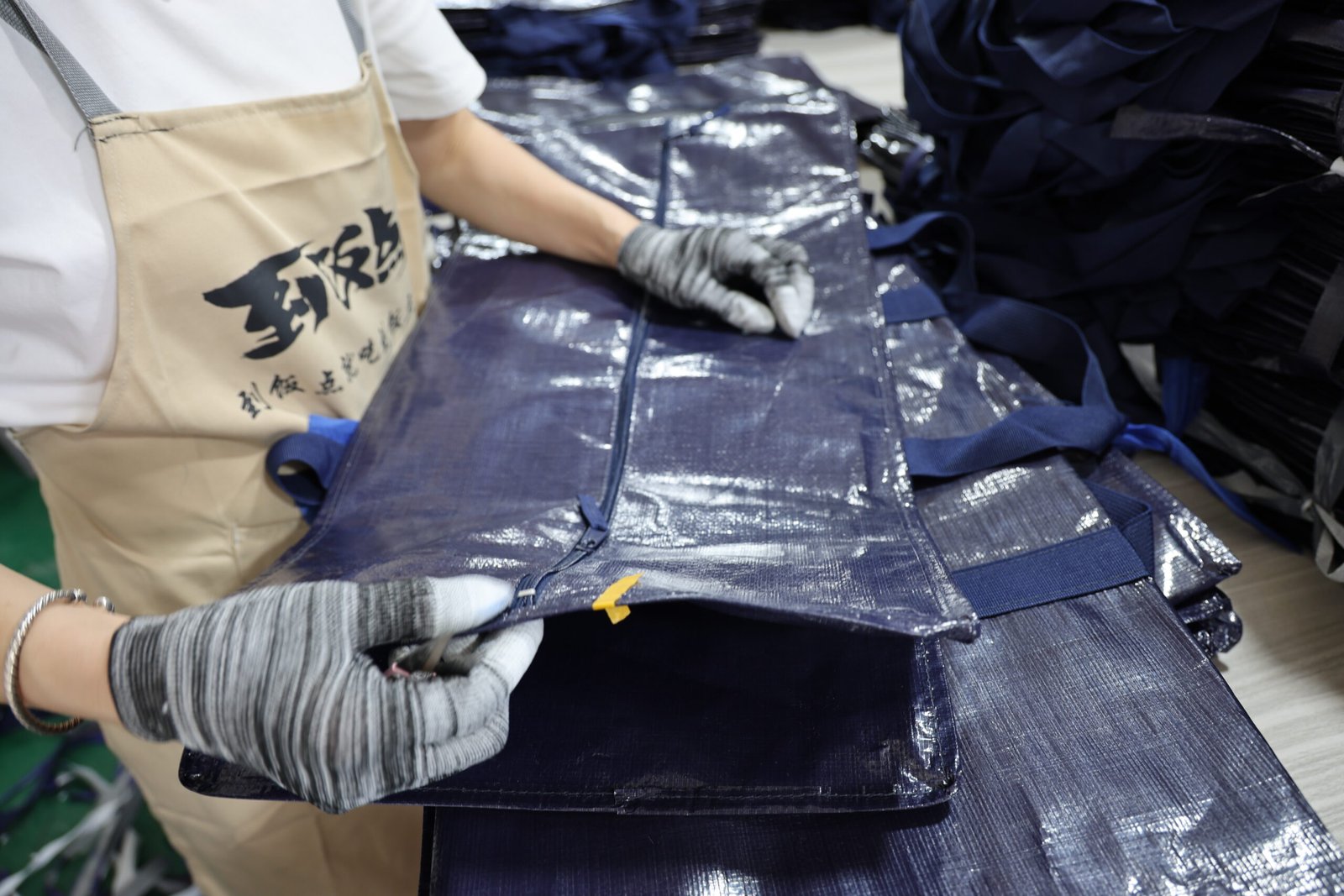
The three numbers that decide
An AQL plan is set by three things: the lot size, the inspection level, and the AQL value. The lot size tells you which row to use, the inspection level tells you how many to check, and the AQL value is the maximum percentage of defects you accept. A common plan for a bag order is AQL 2.5 for major defects and AQL 4.0 for minor ones, and the table gives the sample size and the accept and reject counts for each. The ASQ acceptance-sampling reference explains how a sampling plan sets the risk on both sides.
Sort the defects first
Before you read the table, sort the defect into a class. A critical defect is a safety issue or a total failure, a major defect is one that affects function or appearance, and a minor defect is a small cosmetic fault. A bag with a broken handle is major; a bag with a small thread end is minor. The class decides which AQL value it falls under, and two different classes can run on the same shipment.
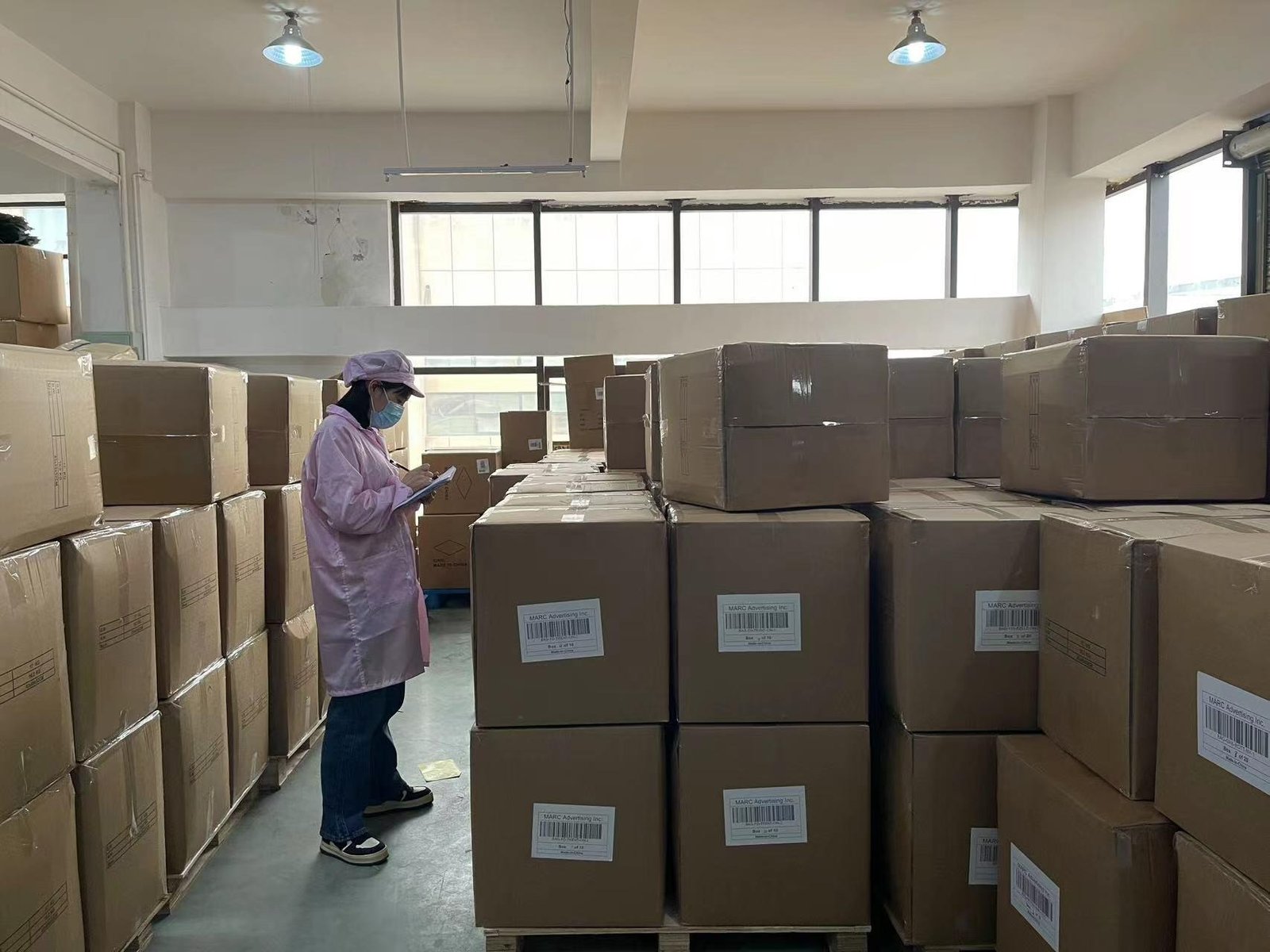
Reading the accept and reject
Once you have your sample size and your class, find the row for the AQL value and read the two numbers: accept and reject. If the defect count in your sample is at or below the accept number, the lot passes. If it reaches the reject number, the lot fails. For a large bag order, the sample is a fraction of the lot, so the plan is a gamble that stays within a defined risk.
Where the disagreement comes from
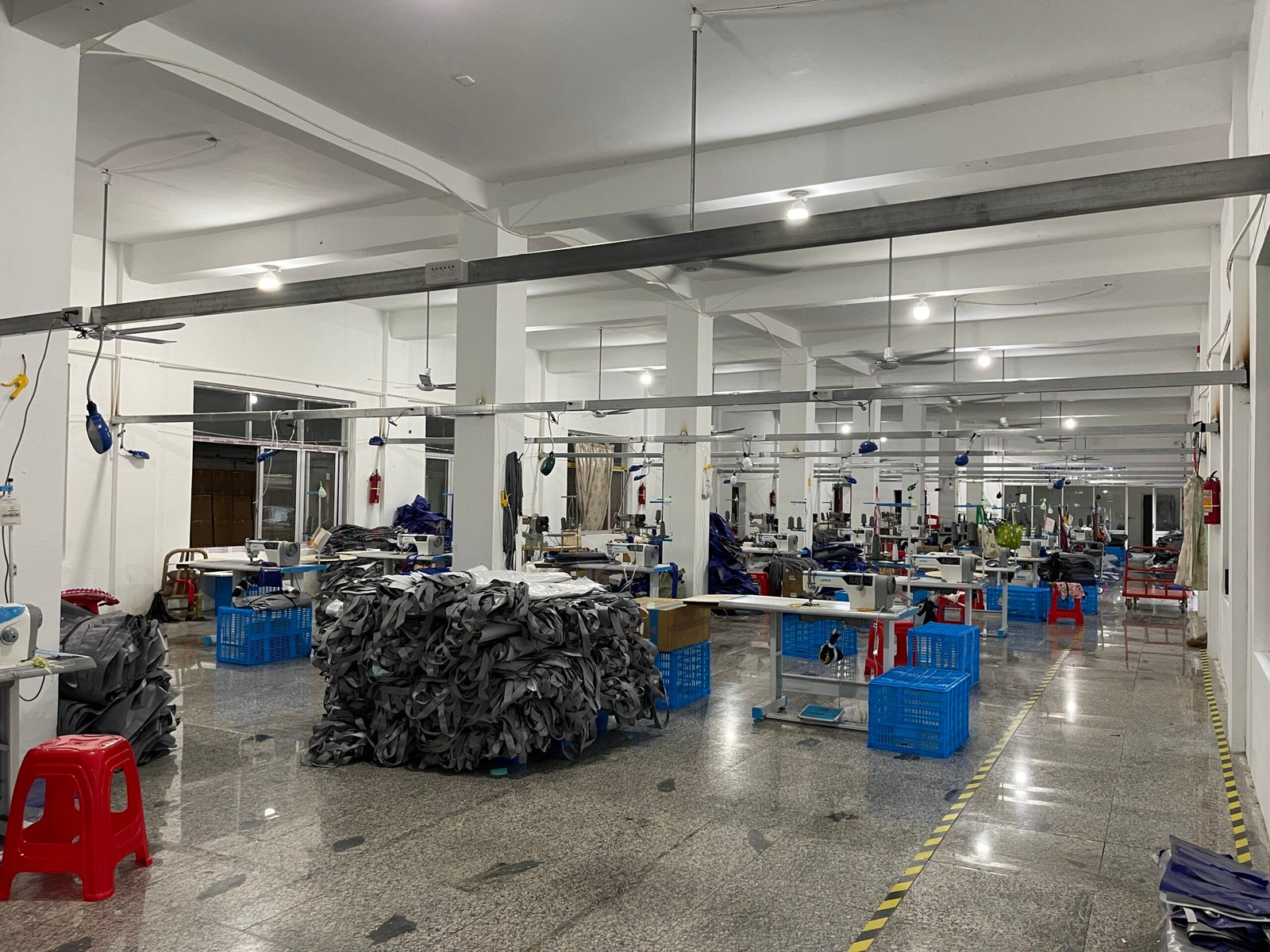
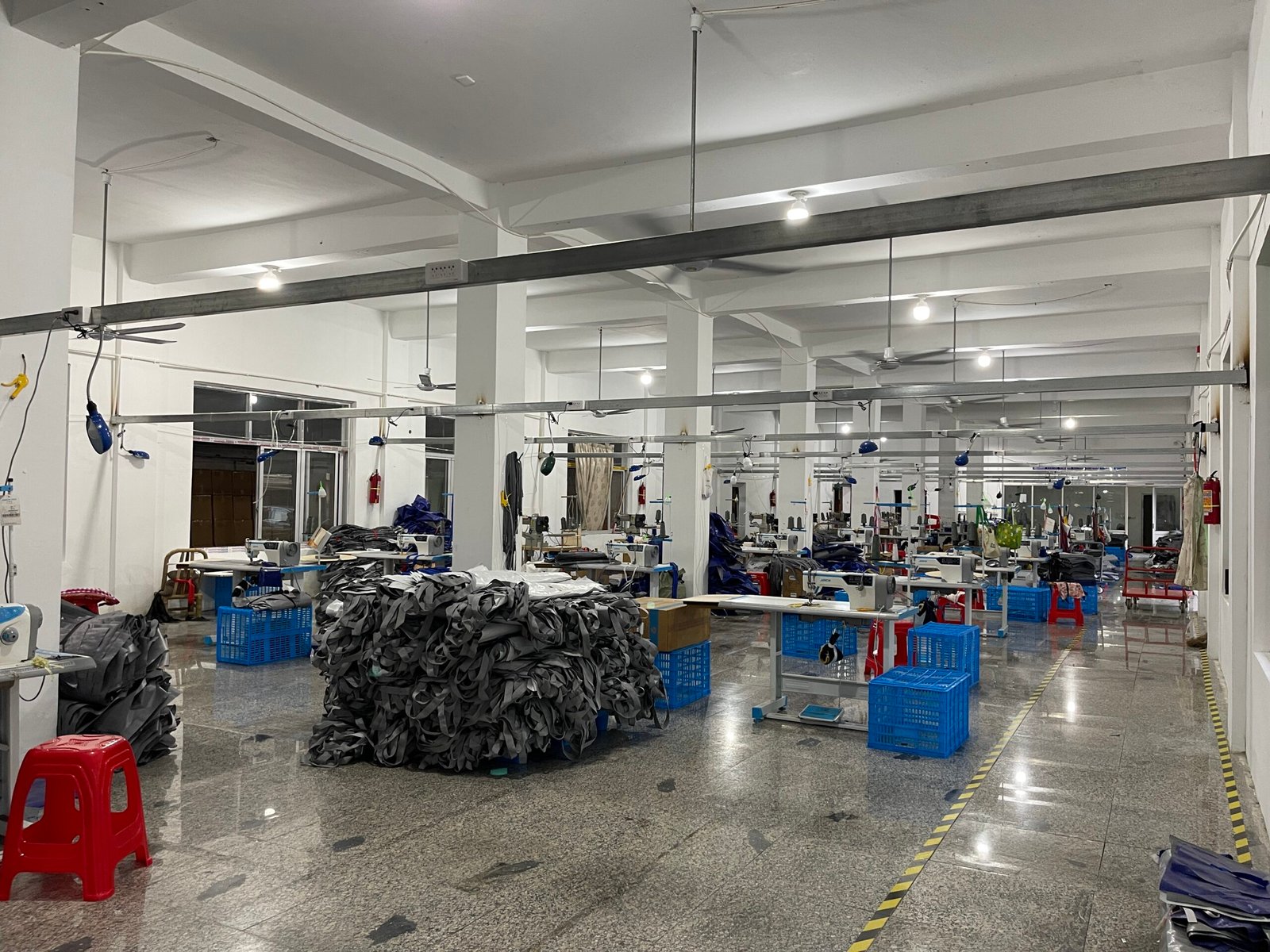
Most AQL disputes come from a factory and a buyer using different levels or values. Confirm the inspection level and the AQL value in the order, and confirm the defect definition before the inspection. A factory that runs a QC process with clear check points, as TIIOCTI does on its bag line, is easier to inspect because the standard is written. See our AQL levels and seam strength guides for the testing that sits behind the plan.
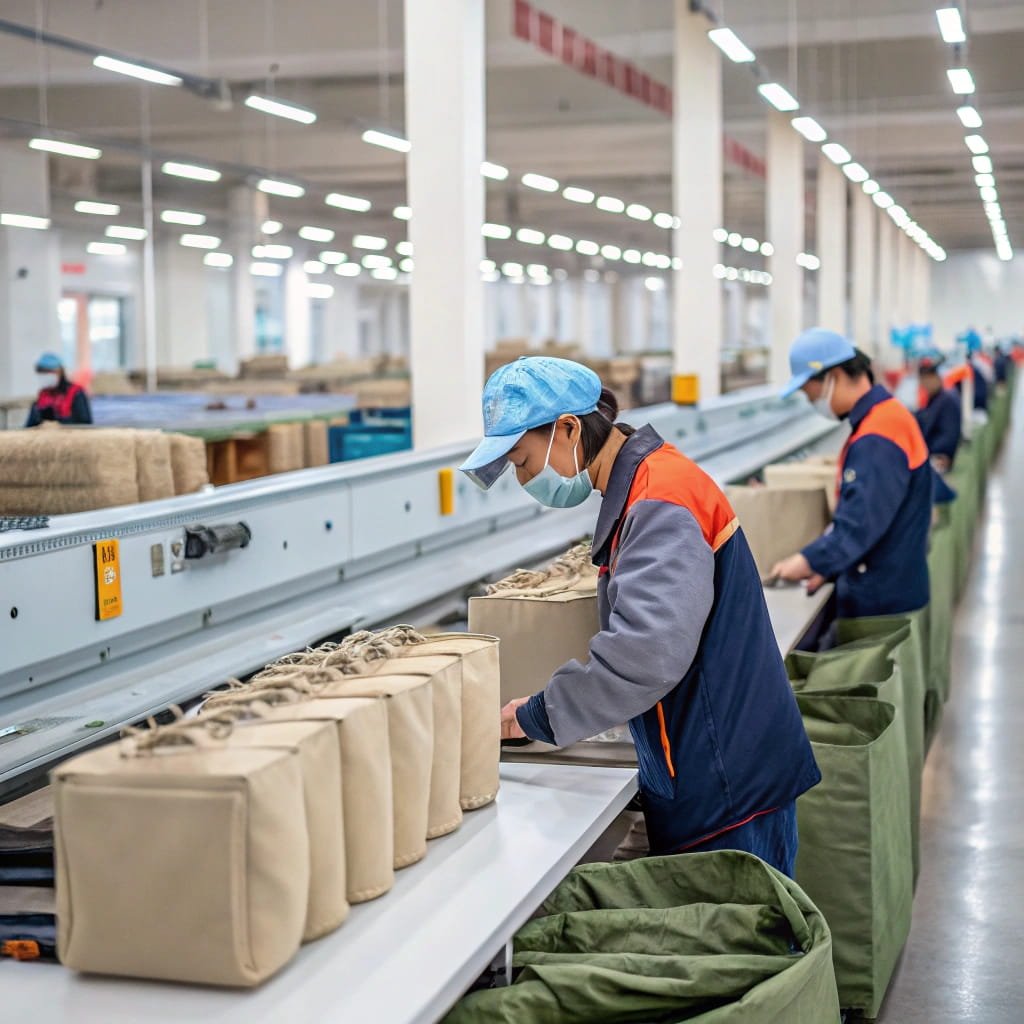
An AQL table is a ten-minute read once you know the lot size, the level and the value. Sort the defect, find the row, and read the accept and reject counts, and the call is made. For a factory that writes the standard and inspects against it, TIIOCTI builds canvas totes and custom bags with a QC process you can inspect.
Video: how a sampling plan works
FAQ
How do I read an AQL table?
Find the row for your lot size and inspection level, then read the accept and reject counts for your AQL value. If the defect count is at or below accept, the lot passes; if it reaches the reject number, it fails.
What are major and minor defects in AQL?
A major defect affects function or appearance, like a broken handle. A minor defect is a small cosmetic fault, like a loose thread. Each class falls under its own AQL value and can run on the same shipment.
What AQL value should I use for a bag order?
A common plan is AQL 2.5 for major defects and 4.0 for minor ones. Confirm the level and the defect definition in the order so the factory and the buyer use the same plan.
Related reading: inline vs final inspection what each catches
Related reading: Destructive vs Non-Destructive Testing

0 Comments