



A regional coffee roaster in the Pacific Northwest was shipping wholesale orders to roughly 300 independent cafés and grocery shelves, six to eight bags per order, dozens of times a month. The coffee was arriving at the right freshness for most accounts, but 30,000 wholesale orders a year through the mail meant a steady trickle of complaints about temperature and damage, especially in summer. The roaster moved the same 200kg batch the same week regardless of destination, and it needed the shelf life of the beans to survive the last 500km, not just the first.
This case study follows that roaster from a cardboard-box-and-bubble-wrap workflow to an insulated reusable bag across a full retail season, and the numbers below are from the pilot measurement and the final production spec rather than from a marketing table.
The problem: cardboard shippers that could not hold a summer’s heat
Each wholesale order left the roaster in a cardboard box lined with foam sheeting. On a 18x14x12 inch box that meant a bag of single-origin coffee sat inside two layers of single-use protection that the cafés threw out within a minute of opening. During a heat wave the box did nothing to hold the beans near the 21 degrees Celsius the roaster wanted, and the roaster was writing off about 4 percent of wholesale orders as damaged or returned for freshness. Across the 30,000 wholesale orders a year, that represented real cost and real rework.
The roaster also had no reusable packaging to give its cafés, so every box was a one-way cost on top of the labor to pack it. The goal was a bag that held temperature, could be returned and reused, and looked like a brand asset on a café counter.
The spec: an insulated bag that holds the route
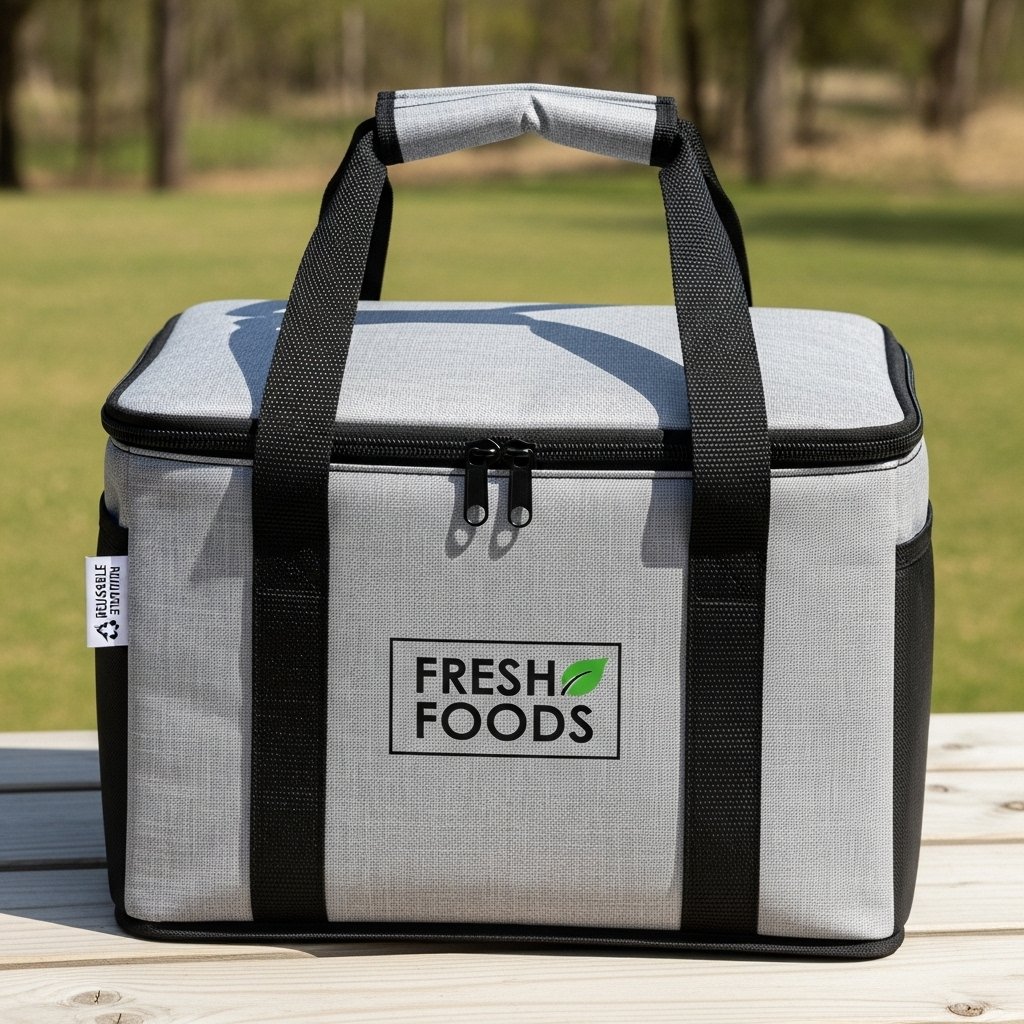
The replacement was a woven PP insulated tote with a 5 mm PE foam core and a reflective inner liner, sized at 18x14x12 inches to take the same six-to-eight-bag load as the box it replaced. A reinforced base carried the weight, and the bag closed with a full-width flap to cut air movement at the top. The roaster tested three foam thicknesses across a simulated 500km route and read the internal temperature at the far end. The 5 mm core held the coffee within 4 degrees of the target over a 6-hour drive, which was the pass line the roaster set.
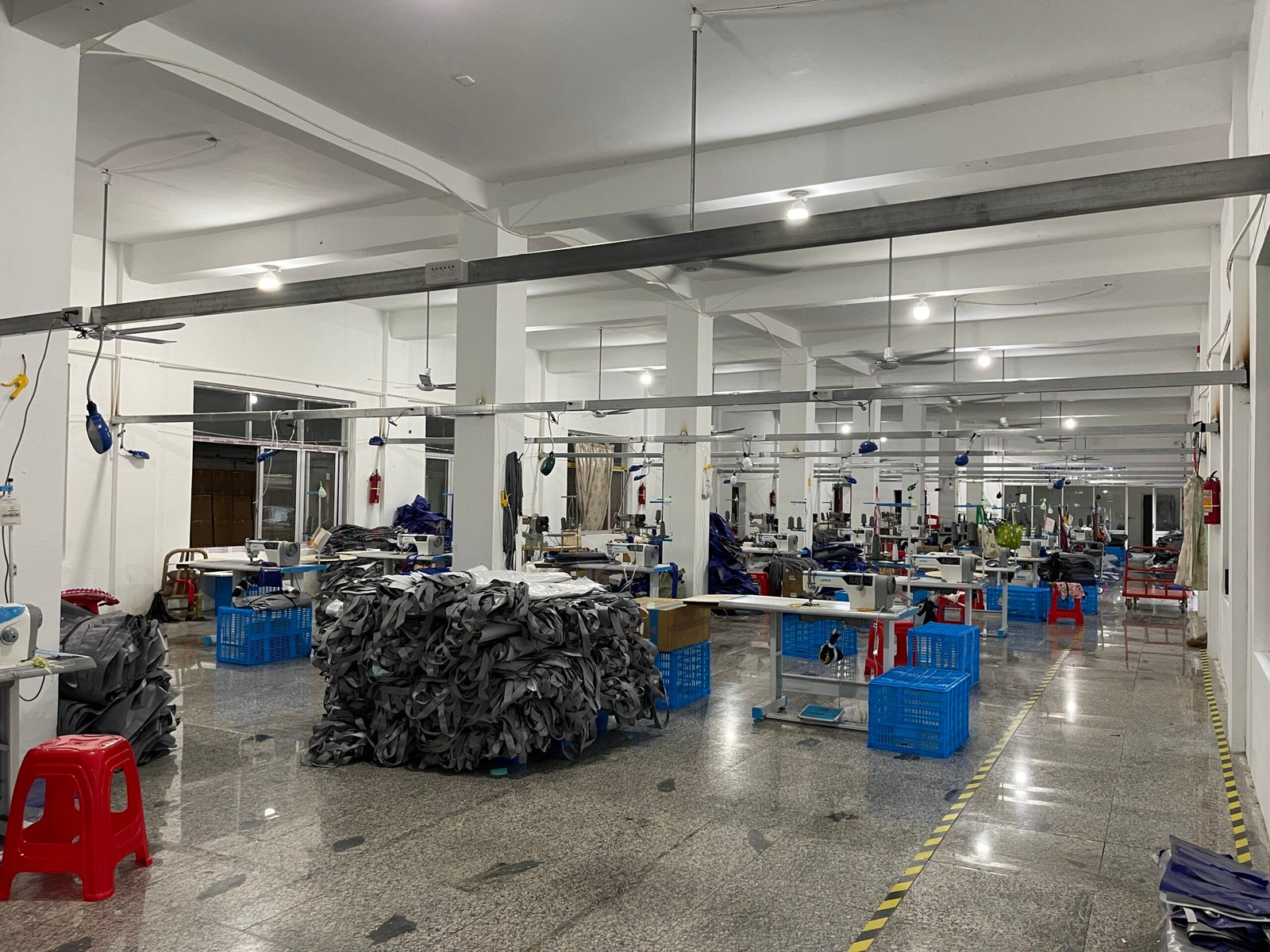
The handle rating and seam strength had to hold the load’s weight without stretch over many reuse cycles, so the bag was built on the same production line as the heavy-duty logistical totes in the insulated and cooler bag range rather than on a retail tote line.

The economics: a per-bag cost the roaster could defend
The roaster paid 1.30 to 1.70 dollars per insulated bag at the quantity ordered, against a cardboard-and-foam shipper that cost about 0.70 to 0.90 dollars each. On the surface, the insulated bag looked 60 percent more expensive. But the shipper was single-use, while the bag was rated for 80 reuse cycles. Over 80 orders the per-order packaging cost fell to roughly 0.02 dollars, and the labor to line a box with foam disappeared. The roaster also printed its logo on the bag, so the cafés kept them, and a kept bag became a standing advertisement for the roaster at the counter.
Adding to the math, the damage rate dropped from about 4 percent to under 1 percent, and the roaster stopped paying to re-ship the write-offs. On 30,000 wholesale orders a year, the reduction in returns covered the higher unit price of the bag within a single season.
Operations and safety on the return leg
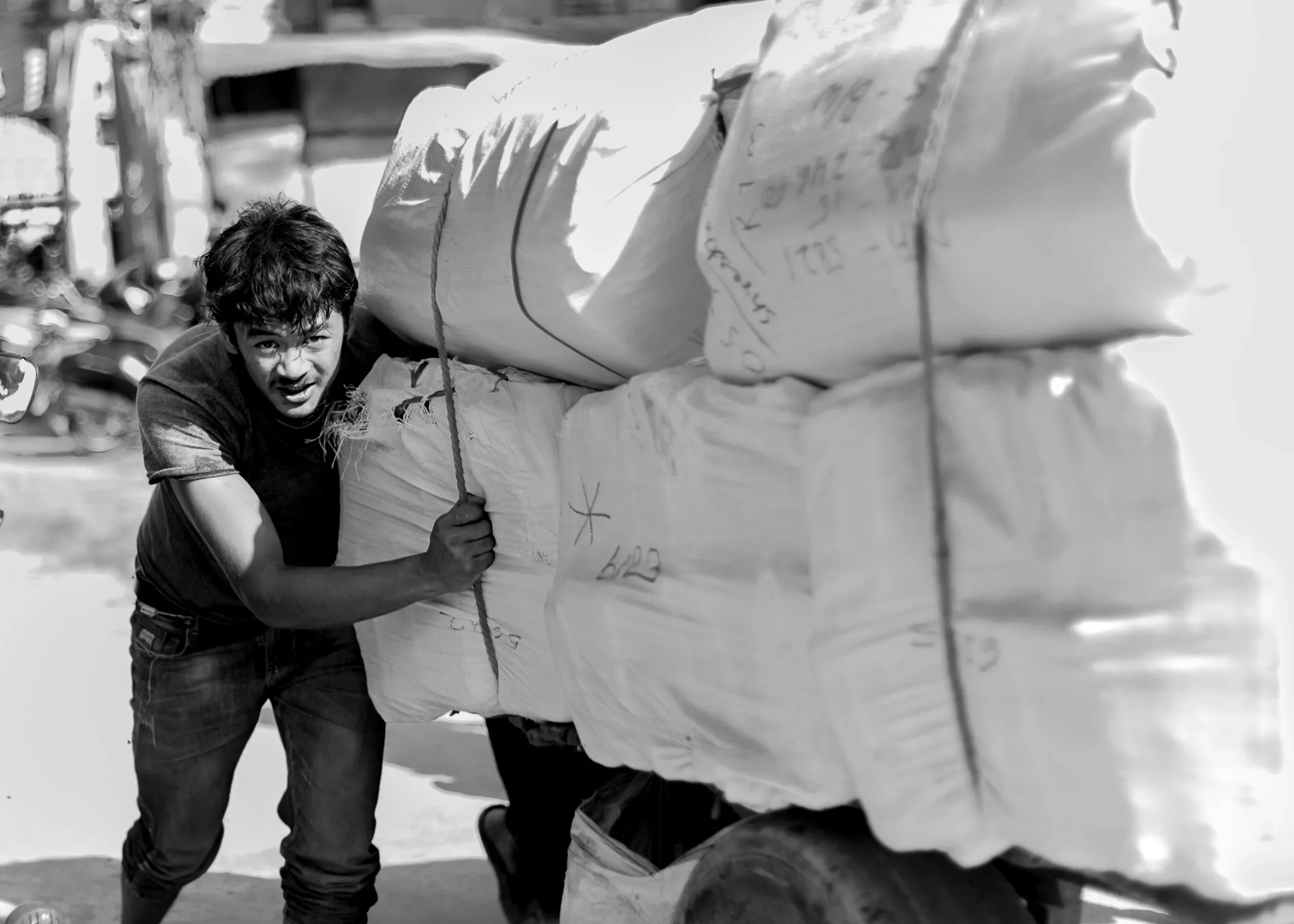
The bag fleet had to move back to the roaster to keep the reuse count. The roaster asked cafés to stack the empty bags for the next delivery, then ran a collection route on the days it already drove. The extra volume was small because the bags folded flat, and the trucks already had spare space. The warehouse crew handled heavier insulated loads, and the ergonomics and safety of that manual handling follow the guidance the US Occupational Safety and Health Administration publishes at osha.gov.
For the accounts the roaster served by parcel rather than by truck, the folded bag shipped back the same way and the shipping-rate rules that apply to large, dimension-based parcels are the ones the US Postal Service publishes at usps.com/business.
Frequently asked questions
How long does an insulated cooler bag hold coffee at temperature?
With a 5 mm foam core and reflective liner, a 500km route held the internal temperature within about 4 degrees of target over a 6-hour drive in the pilot test.
Is an insulated bag cheaper than a cardboard shipper?
Per use, yes. At 1.30 to 1.70 dollars a bag over 80 reuse cycles, the per-order packaging cost falls to roughly 0.02 dollars against a 0.70 to 0.90 dollar single-use shipper.
How many times can an insulated delivery bag be reused?
The bags in this program were rated for 80 reuse cycles, and the reusable replacing a single-use box is where the cost advantage comes from.
What is the best material for an insulated bag liner?
A reflective inner liner over a foam core, sized to the load and sealed with a full-width flap, is what holds temperature. The foam thickness and setup are covered by the production spec on the cooler bag line.
What the roaster learned
Insulated bags are not an upgrade to a cardboard box; they are a different way of running a distribution route. The roaster ended the season with a lower damage rate, a packaging cost that dropped over the reuse count, a reusable brand asset sitting on café counters, and a collection route that piggybacked on existing trucks. The unit price was higher, and the 80-cycle rating made it the cheaper option before the second order. The same production line and reusable totes are available in the canvas tote range for programs that want a reusable bag without the insulation layer.
See also our cooler bag insulation spec guide.
For more detail, see our Case Study.

0 Comments