



A 40-foot container carrying 2,480 moving bags can clear woven PP customs in under a day when the paperwork is right, or sit at the port for a week when it is not. The difference is rarely the goods themselves; it is the export documents that travel with them. Importers who ship repeatedly from China learn that the packing list, the commercial invoice, and the certificate of origin matter as much as the price per bag.
This guide runs through the export documents a bag order needs, the role each one plays in clearing customs, and the costs that appear when one of them is missing or inconsistent. Household terms below are working ranges from import and freight practice; every shipment should be confirmed against the carrier and the destination port rules.
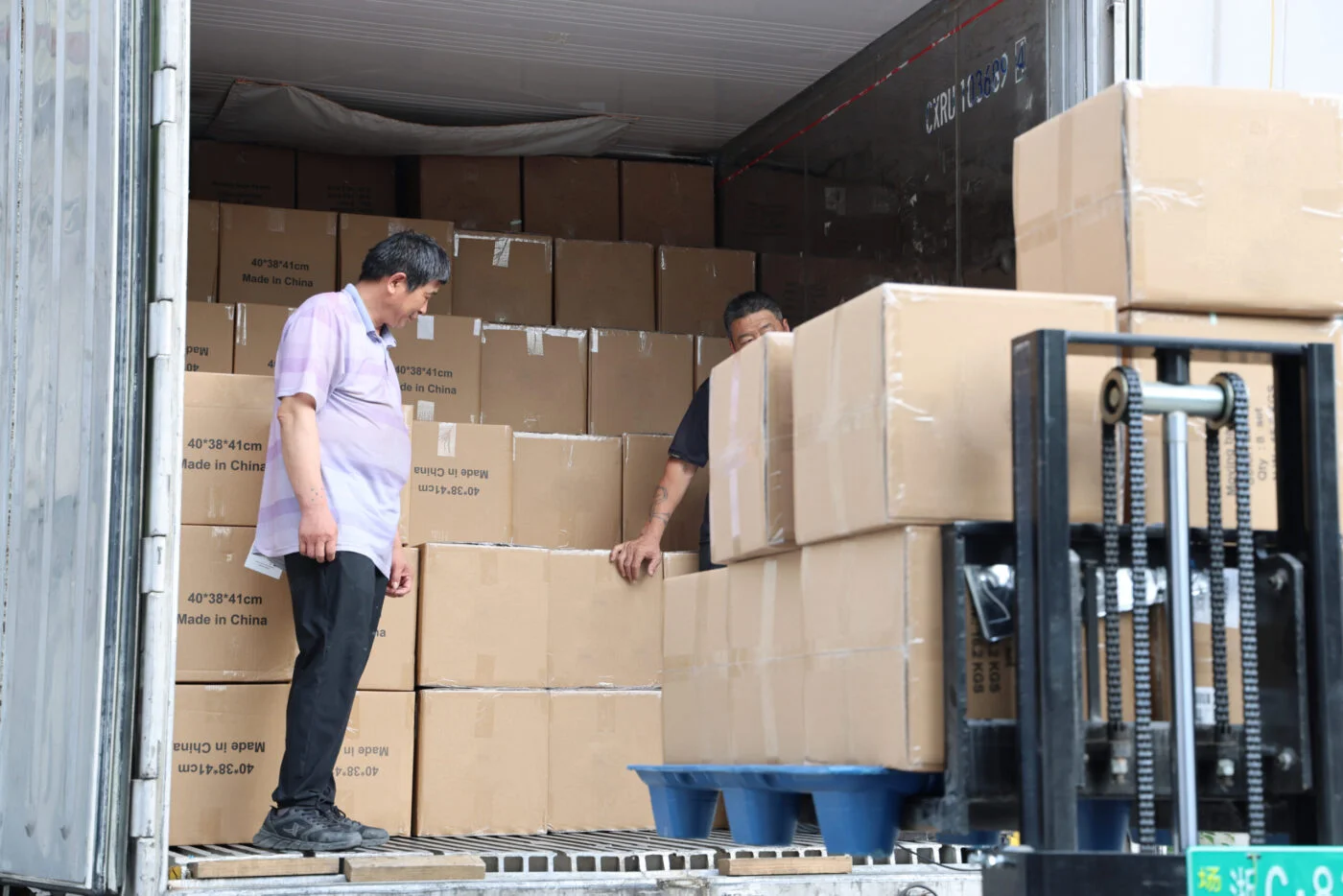
The export document set that decides customs speed
Five documents make up the standard export pack for a textile bag order: the commercial invoice, the packing list, the bill of lading, a certificate of origin when one applies, and any inspection or testing certificate the destination market requires. Each one answers a different question. The invoice says what the goods are worth. The packing list says what is actually in the container. The bill of lading says who owns the goods in transit. The certificate of origin says where the goods were made, which decides whether a preferential tariff rate applies. The inspection certificate says the goods meet the agreed specification.
Misalignment between these documents is the single most common cause of customs holds. If the packing list reports 2,480 cartons but the bill of lading says 2,500, customs treats the shipment as a discrepancy and may hold the container for verification. The World Trade Organization publishes the guidance on preferential rules of origin that tariff preference programs rely on, and the rules live at wto.org.
Commercial invoice: the number customs taxes on
The commercial invoice is what the destination customs authority uses to assess duty. For a bag order it must carry the correct Harmonized System code for the product, the unit value in the agreed currency, the number of units, and the total amount. The HS code is what makes or breaks the duty rate. Woven polypropylene bags, canvas totes, cotton drawstring bags, and insulated bags all sit under different headings, and using the wrong one changes the duty percentage and the rate of customs examination. The US Harmonized Tariff Schedule, maintained by the US International Trade Commission, is the official lookup for these codes and is published at hts.usitc.gov.
The invoice amount must match the agreed contract value. An invoice understated by even 5 percent to lower duty is a customs violation, and it creates a permanent compliance record for the importer. When the invoice is in a currency other than the destination currency, the exchange rate on the invoice date becomes part of the duty calcution, so keep that rate consistent across the invoice and the customs declaration.
Packing list and bill of lading: the two that must agree
The packing list is the physical manifest of the shipment. It states the total number of pieces, the gross and net weight per carton and for the whole container, and the carton dimensions. The bill of lading, issued by the carrier, records the same totals to confirm what was loaded. On a mixed container of custom bags, a packing list that separates each SKU by carton lets the customs broker and the receiving warehouse reconcile the shipment against the purchase order without opening every carton.
These two documents must agree on the three numbers that matter: carton count, gross weight, and total value. When a discrepancy appears, the standard resolution is a correction request, which adds 3 to 7 days to the transit and can trigger storage charges. E-commerce programs that ship in partial lots face the same rule per lot.
Certificate of origin: where the tariff preference comes from
For imports from China, a certificate of origin is what lets the buyer claim a preferential or reduced tariff rate where a trade agreement applies, and it is also the document that proves the goods are not subject to a specific trade remedy measure. The type of certificate depends on the destination. A full certificate of origin is issued by a chamber of commerce; specific preference schemes use their own forms, such as Form E under the ASEAN-China agreement or the relevant form under a bilateral agreement. The origin rules themselves are set by the World Trade Organization framework, published at wto.org.
The certificate must describe the goods in the same terms as the invoice and the packing list. A bag order where the certificate names a different product line than the invoice will fail the origin verification, and the importer can lose a preferential rate of 0 to 7.5 percent for the whole consignment.
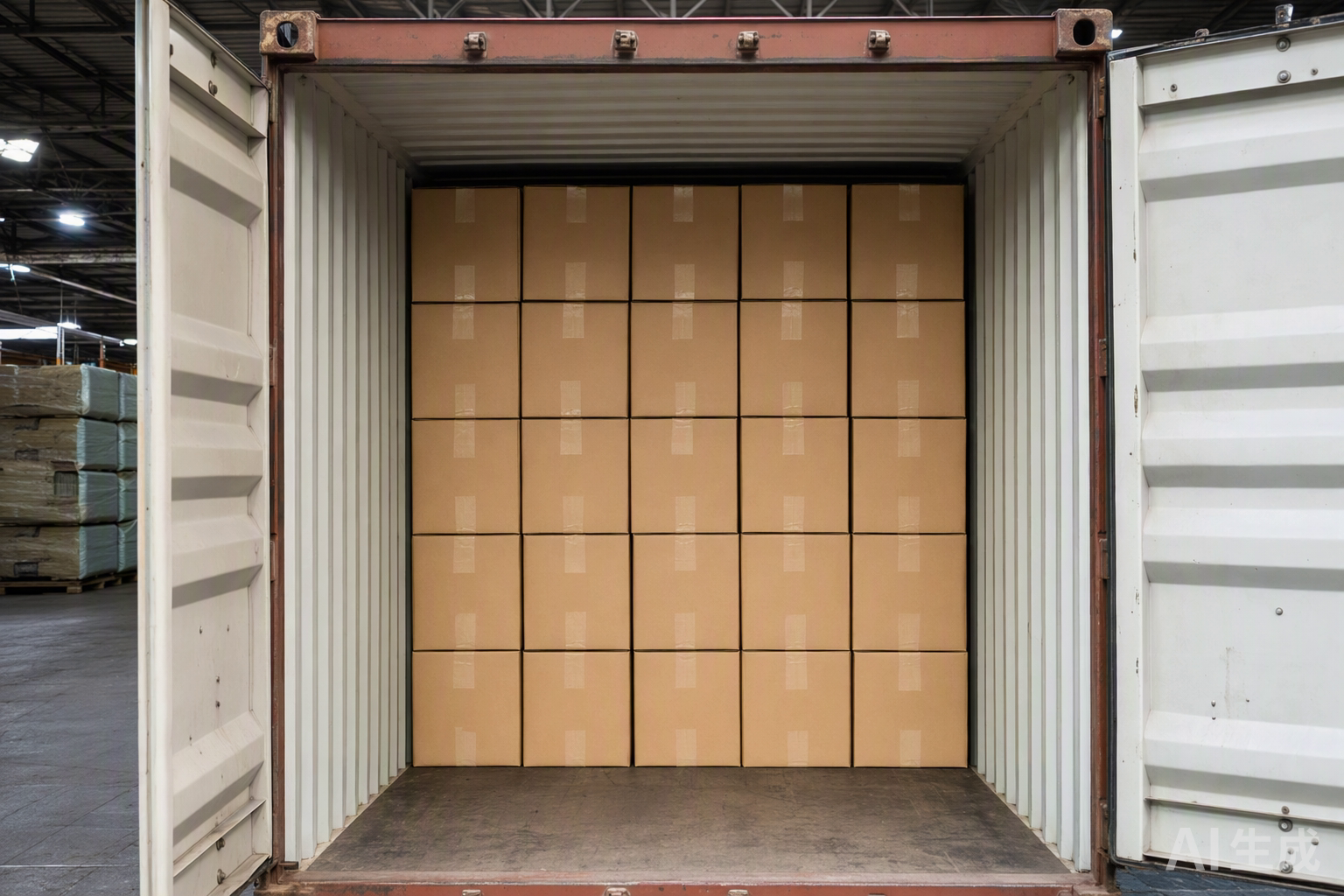
What a missing or inconsistent document actually costs
The most expensive document in the export pack is usually the one that is missing. A bag shipment held for a packing list mismatch or a certificate discrepancy can clear in a few days once corrected, but each day in the terminal accrues demurrage, and each day out of the container before return accrues detention. On a containerized bag order these charges commonly run 150 to 250 dollars per day after the free window. The moving bag range and woven PP range are shipped with a complete document pack so the order is not delayed at the port.
Beyond the port, a discrepancy becomes a payment dispute. A buyer who receives fewer total pieces than the packing list states will hold the balance, and the supplier then spends weeks proving the invoice was right. Getting the packing list correct on the first pass is cheaper than resolving it after shipment.
Frequently asked questions
What documents are needed to export bags from China?
The standard five are the commercial invoice, the packing list, the bill of lading, a certificate of origin where a tariff preference applies, and any inspection or testing certificate the destination market requires.
What is the difference between a packing list and a commercial invoice?
The invoice states the value and the HS code that customs taxes; the packing list states the physical contents, including carton count, weights, and dimensions.
Which HS code applies to moving bags?
Woven polypropylene moving bags fall under a plastic or textile heading depending on material and construction, and the correct code is the one that matches the actual fabric and finish. The US Harmonized Tariff Schedule is the reference at hts.usitc.gov.
How long can a documentary error delay a shipment?
A packing list or certificate mismatch can hold a container for several days to a week while it is verified, and each additional day in the terminal adds demurrage.
Build the document pack before the container does
Every bag program that ships repeatedly benefits from a standing document template. Confirm the HS code against the destination tariff schedule, keep the packing list aligned to the actual carton count, and issue the certificate of origin in the same terms as the invoice. Importers who do this clear customs within 24 hours rather than over several days, and they avoid the port charges that turn a good price into a bad one.
For more detail, see our Dimensional Weight for Flat-Packed Bags.



0 Comments