
Choosing a heavy-duty bag requires looking past marketing claims to the technical specs that define extreme durability. For industrial use, a material’s performance against physical stress and environmental exposure is critical for preventing on-site failure and protecting assets.
This guide examines the core data, from tensile strength and UV resistance to standardized abrasion testing. We compare 500D PVC with other fabrics to help you make an informed purchasing decision based on real-world performance.

Decoding Fabric Specs: What is 500D PVC?
💡 500D PVC is an industrial-grade composite fabric made from a 500 denier polyester base coated with polyvinyl chloride (PVC). This construction gives it excellent tensile strength, waterproofing, and durability for heavy-duty applications like tarpaulins and equipment covers.
The Core Composition of 500D PVC
The performance of 500D PVC fabric comes from its multi-layer construction. Each component plays a specific role in delivering the material’s signature strength and resilience.
- Base Fabric: At its core is a tightly woven 500 denier (500D) polyester. This high-density weave provides the foundational tensile strength and resistance to tearing needed for demanding jobs.
- Coating: A thick layer of polyvinyl chloride (PVC) is bonded to the polyester base. This coating creates an impermeable barrier that is waterproof and resistant to many chemicals.
- Structure: The final material is a 3-ply composite. This layered design delivers superior performance compared to single-layer fabrics, ensuring it holds up under physical stress and environmental exposure.
Key Technical Specifications
When evaluating 500D PVC for industrial use, specific data points help determine its suitability for an application. These are the typical benchmarks we see in high-quality production:
- Weight Density: Usually specified around 550 GSM (grams per square meter), providing a balance of toughness and manageability.
- Temperature Range: Engineered to operate reliably in extreme conditions, from -30°C to +70°C (-22°F to 158°F).
- Service Life: Designed for a long service life, often exceeding 8 years with normal use and care.
- Maximum Width: Available in wide rolls up to 5.1 meters (200 inches), allowing for the creation of large, seamless products like machinery covers and tarps.
Engineered for Industrial Performance
Beyond its core strength, 500D PVC includes specialized properties that make it ideal for tough outdoor and industrial settings. These features ensure reliability and safety.
- ✅ Weather Resistance: The PVC formula contains additives for strong UV protection and mildew resistance, preventing degradation from sun and moisture.
- ✅ Safety Compliance: It can be manufactured with flame retardant properties to meet B1 or NFPA 701 standards for use in environments where fire safety is critical.
- ✅ Physical Toughness: The material offers exceptional resistance to abrasion, tearing, oil, and acid, protecting assets in harsh conditions.
- ✅ Low Maintenance: Many variants feature a smooth, self-cleaning surface finish that resists peeling and makes upkeep simple.
UV Resistance: Why Cheap Bags Fade and Crack
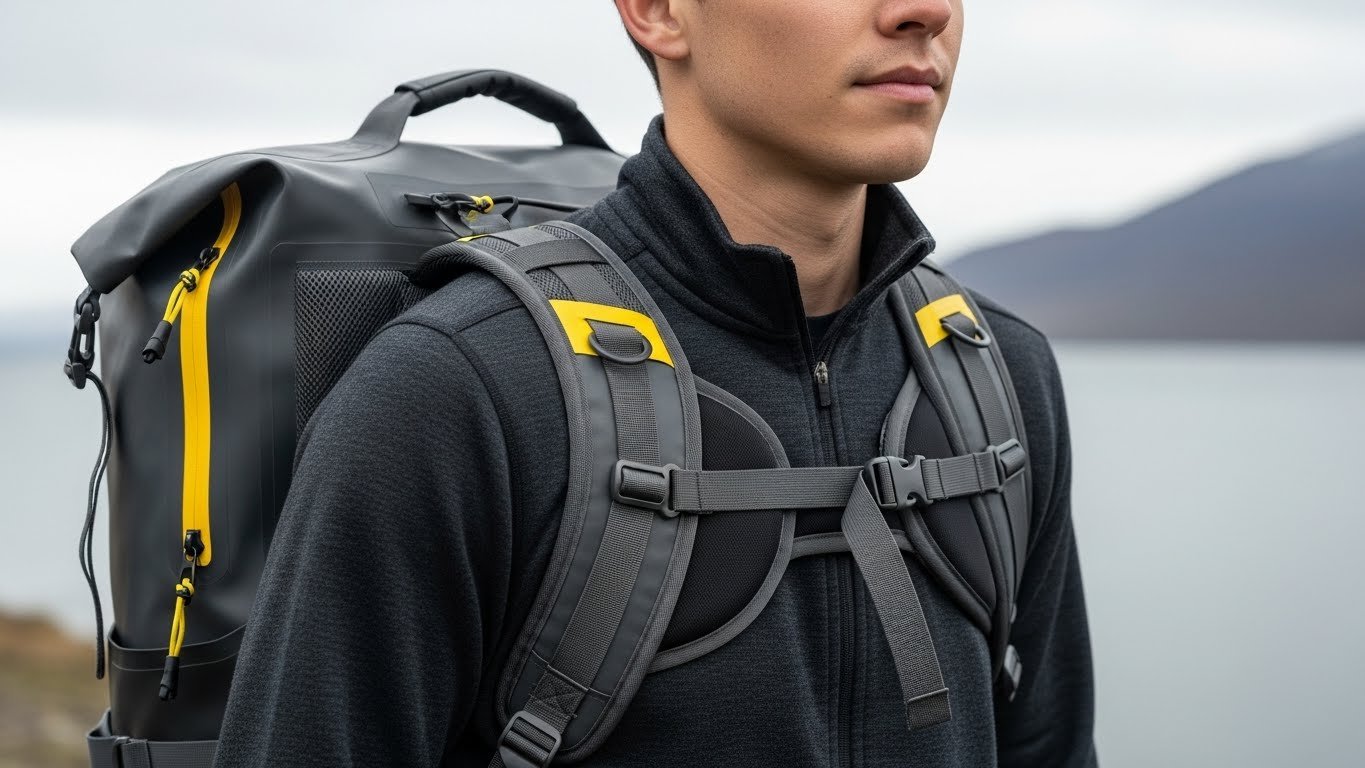
Cheap bags fade and crack because they are often made from low-grade synthetic materials without adequate UV protection. Ultraviolet radiation breaks down the fabric’s polymer chains, causing discoloration, loss of strength, and cracking—a degradation process that premium materials with built-in or specialized UV treatments resist.
The Science of UV Damage in Fabrics
When a bag is left in the sun, it’s exposed to a constant barrage of ultraviolet (UV) radiation. This energy is powerful enough to penetrate synthetic fabrics like nylon and polyester, where it attacks the long polymer chains that give the material its structure and strength.
This chemical breakdown, known as photodegradation, directly causes two problems. First, it alters the chemical bonds responsible for color, leading to visible fading. Second, it shortens the polymer chains, which severely reduces the fabric’s tensile strength. Over time, the weakened material becomes stiff, brittle, and eventually cracks under routine stress, rendering the bag unusable.
Material Quality: The Deciding Factor in Durability
Not all materials react to sunlight the same way. The durability of a bag in outdoor or high-exposure environments comes down to its core material composition and any protective treatments applied during manufacturing.
- Standard Materials: Budget-friendly options like basic nylon and polyester have only moderate inherent UV resistance. Without special additives, they are highly susceptible to photodegradation.
- Premium Fabrics: Advanced materials like Dyneema® Composite Fabric (DCF) have a molecular structure that naturally blocks UV radiation, offering exceptional durability without extra coatings.
- Protective Additives: To improve UV resistance in more common materials, manufacturers can add UV stabilizers like Hindered Amine Light Stabilizers (HALS). In our experience, these additives are often minimized or completely omitted in low-cost bags to reduce production expenses.
Cost vs. Performance: The Long-Term Trade-Off
Choosing a low-cost bag for applications involving sun exposure often creates a false economy. The initial savings are quickly offset by increased maintenance, a shorter lifespan, and the risk of failure at a critical moment. For industrial and commercial use, evaluating the long-term performance is key.
The trade-off between upfront cost and lasting durability becomes clear when comparing material choices.
| Feature | Low-Cost Bags (e.g., 30D-70D Nylon) | Premium Bags (e.g., X-Pac, Cordura) |
|---|---|---|
| Upfront Cost | ✅ Low initial investment | ❌ Higher upfront cost |
| UV Resistance | ❌ Poor; prone to fading and cracking | ✅ Superior; built-in or treated for sun exposure |
| Durability & Lifespan | ⚠️ Short lifespan, frequent replacement needed | 🚀 Long-term reliability reduces total cost of ownership |
| Maintenance | Requires storage away from sun; may need aftermarket UV sprays | Minimal maintenance required for UV protection |

Abrasion Test: Dragging Bags on Concrete
The “dragging bags on concrete” test is not a recognized, standardized method for measuring abrasion. Instead, industries rely on established tests like ASTM C779 and the Taber Abrasion Test to get reliable, repeatable data on material durability.
❌ Is ‘Dragging Bags on Concrete’ a Standard Test?
No, there is no documented, standardized abrasion test method called ‘Dragging Bags on Concrete’ within established organizations like ASTM (American Society for Testing and Materials) or BSI (British Standards Institution).
While someone might use this as an informal, “real-world” durability check, it lacks the controlled variables needed for scientific results. Factors like the roughness of the concrete, the weight inside the bag, and the dragging speed all change, making it impossible to get repeatable data. Professional material validation depends on quantifiable, industry-accepted testing protocols that produce reliable metrics.
✅ How Professionals Actually Test for Abrasion Resistance
To get objective data, material engineers and quality assurance teams use highly controlled and standardized methods. These tests provide the numbers we use to select fabrics and coatings that can withstand the rigors of transport and handling.
- ✓ASTM C779: A primary method for testing concrete surfaces, it uses rotating steel balls or discs to measure wear over time.
- ✓Taber Abrasion Test (ASTM D4060): Widely used for coatings, plastics, and fabrics. This test measures wear created by a weighted, rotating abrasive wheel, giving a clear indicator of a material’s surface durability.
- ✓Los Angeles Abrasion Test: Specifically designed to test the toughness and degradation resistance of aggregates used in concrete and asphalt.
These methods provide the hard data needed to engineer heavy-duty moving bags that perform reliably under stress. By using materials proven through standardized testing, we ensure every bag meets commercial-grade durability standards.
Your Source for Wholesale, Custom-Engineered Moving Bags
Outfit your logistics, moving, or storage operations with our heavy-duty bags. Engineered from tear-resistant materials to hold up to 25 kg, they can be fully customized with your brand’s logo and colors. We offer low MOQs and provide a free digital mockup within 12 hours to streamline your order.

Maintenance: How to Repair a Puncture in PVC
Repairing a PVC puncture requires a specialized kit with adhesive and patches. The key to a durable repair is meticulous surface preparation, proper patch application, and allowing a full curing time of 24-48 hours before the item is put back into use.
Essential Tools and Materials for PVC Repair
A professional-grade repair hinges on using the right materials. From our experience manufacturing heavy-duty bags, we know that the quality of the components directly impacts the final strength. Your repair kit should be built for performance.
- ✅ Commercial-Grade Vinyl Patches: These should be thick and flexible to match the original material’s durability.
- ✅ Heavy-Duty PVC Adhesive: A specialized glue designed to create a chemical bond with the PVC surface for a permanent, waterproof seal.
- ✅ Surface Preparation Tools: You’ll need an abrasive cloth or fine-grit sandpaper for scuffing and rubbing alcohol to clean and degrease the area completely.
- 🚀 For Maximum Strength: For high-stress areas or larger tears, consider using reinforced repair wrap or fiberglass tape along with steel epoxy putty to restore structural integrity.
Step-by-Step PVC Puncture Repair Process
Following a precise process ensures the patch bonds correctly and maintains the material’s integrity. A rushed job will fail under load, so take the time to do it right.
- Prepare the Surface: Thoroughly clean the damaged area, extending several inches beyond the puncture. Use rubbing alcohol to remove any dirt, grease, or residue. Once dry, lightly scuff the surface with an abrasive cloth to help the adhesive grip.
- Cut and Shape the Patch: Cut a patch that is several centimeters larger than the hole. Critically, round the corners of the patch. Sharp corners are prone to peeling and catching, which compromises the repair.
- Apply the Adhesive: Apply a thin, even layer of PVC adhesive to both the back of the patch and the prepared area on the bag. A consistent coat is more effective than a thick, clumpy one.
- Set the Patch: While the glue is still wet, press the patch firmly onto the surface. Start from the center and work your way out to eliminate all air bubbles. A smooth, flat application is essential for a strong bond.
Post-Repair Care: Ensuring a Lasting Bond
The steps you take after applying the patch are just as important as the repair itself. This final stage is what guarantees a long-lasting fix that can withstand industrial use.
⚠️ The single most critical step is allowing the adhesive to cure fully. Rushing this process is the most common reason for premature repair failure.
- Curing Time: Let the repaired item sit for a minimum of 24-48 hours before subjecting it to any stress, weight, or moisture. This allows the chemical bond to reach maximum strength.
- ✅ Proper Cleaning: For future cleaning, use mild soap and a soft brush.
- ❌ Avoid Harsh Methods: Do not use aggressive chemicals, solvents, or high-pressure washers near the patched area, as they can weaken the adhesive and lift the patch.
Frequently Asked Questions
What is 500D PVC tarpaulin?
500D PVC tarpaulin is a highly durable and completely waterproof fabric. It’s made with a 500 denier polyester base fabric that is coated in PVC, creating a strong three-ply structure. This material is built to withstand temperatures from -30°C to +70°C and has a typical service life of over 8 years. Its high tensile strength makes it a popular choice for industrial applications like truck covers, outdoor tents, and heavy-duty bags.
Are PVC bags toxic?
⚠️ Yes, PVC (polyvinyl chloride) is considered a hazardous plastic because of the toxic chemicals used in its production and released during its lifecycle. It can leach chemicals such as vinyl chloride, a known carcinogen, and phthalates, which are linked to reproductive and developmental health issues. Disposing of PVC, especially through incineration, releases highly toxic pollutants known as dioxins, which can accumulate in the food chain.
How strong are dry bags?
Dry bags are exceptionally strong. They use high-denier materials like 500D to 1000D PVC or nylon for excellent tear and abrasion resistance. Their strength is also a result of their construction, which often features high-frequency (HF) welded seams. These seams create a molecular bond that is stronger and more waterproof than traditional stitching. A key strength metric is the hydrostatic waterhead rating; heavy-duty dry bags can achieve ratings of 10,000mm, allowing them to withstand significant water pressure.
Can you patch a dry bag?
✅ Yes, most dry bags are repairable. You can use self-adhesive patches specifically designed for waterproof materials or apply a flexible adhesive sealant. The repair process involves cleaning the damaged area, applying the patch or sealant evenly, and letting it fully cure for 4 to 24 hours. This ensures the waterproof seal is completely restored.
Is nylon or PVC better for dry bags?
The best material depends on the use case. For extreme industrial durability and maximum abrasion resistance, PVC is generally the better choice. It is tougher and more rugged.
Coated nylon offers a lighter and more flexible alternative, making it easier to pack and carry. Its durability, however, relies on the coating remaining intact. PVC is significantly heavier; a 20L PVC bag weighs around 300-400g, while a 20L coated nylon bag is closer to 120-180g.
What is the best heavy-duty waterproof bag?
For demanding industrial job sites, bags from brands like Veto Pro Pac are a top choice due to their 1800D PVC-impregnated fabric and 5-year warranties. Other highly-rated options include Klein Tools for electricians and RUX Gear Totes for overlanding, which often use materials like 840D TPU-coated nylon.
💡 Key features to look for in any heavy-duty bag include:
- High-denier fabrics (1680D or higher)
- Reinforced polypropylene bases
- RF-welded seams for a truly waterproof seal

Final Thoughts
Choosing the right heavy-duty bag goes beyond a single material spec. True industrial performance comes from understanding the trade-offs between a fabric’s tensile strength, its resistance to UV degradation, and its ability to withstand abrasion. Whether you opt for the superior strength of 500D nylon or the cost-efficiency of polyester, the decision should be based on standardized test data and the specific demands of the job site, not just marketing claims.
This technical approach ensures the equipment you select is an asset, not a liability. Investing in a bag engineered for your specific environment reduces replacement costs, prevents failures, and protects valuable contents. Aligning with a supplier who prioritizes these performance metrics is the most effective way to secure a solution that delivers long-term reliability and a lower total cost of ownership.