Skip to content

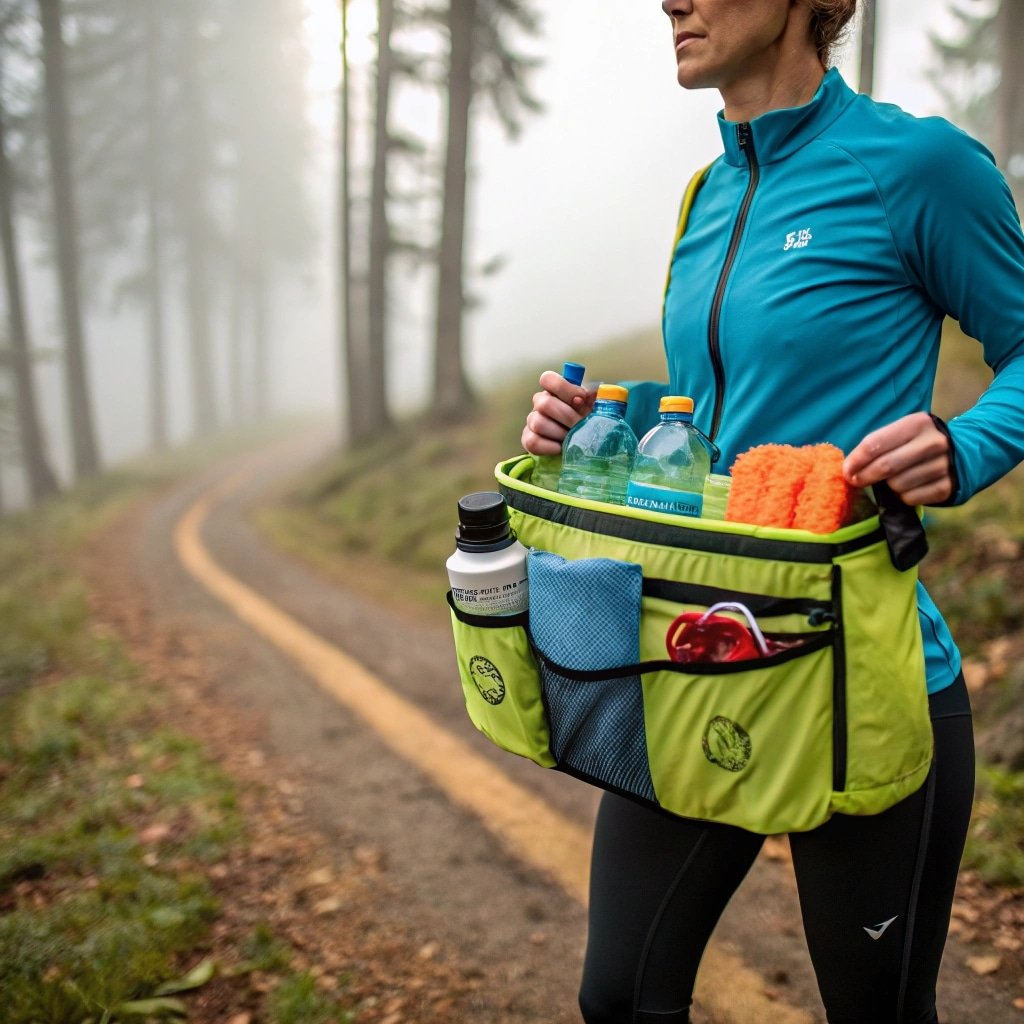
Tired of juggling keys, water, and snacks on a run? A running bag keeps essentials secure, comfortable, and within reach.
A running bag provides hands-free storage for water, snacks, and personal items1, improving convenience and comfort during runs.
Wondering if it’s really necessary? Let’s explore why a running bag can level up your training.
Are running bags worth it?
Thinking of investing in a running bag but not sure it’s necessary? It depends on your distance and needs.
Running bags are worth it for runners covering longer distances or needing to carry hydration, nutrition, or safety gear on the go2.
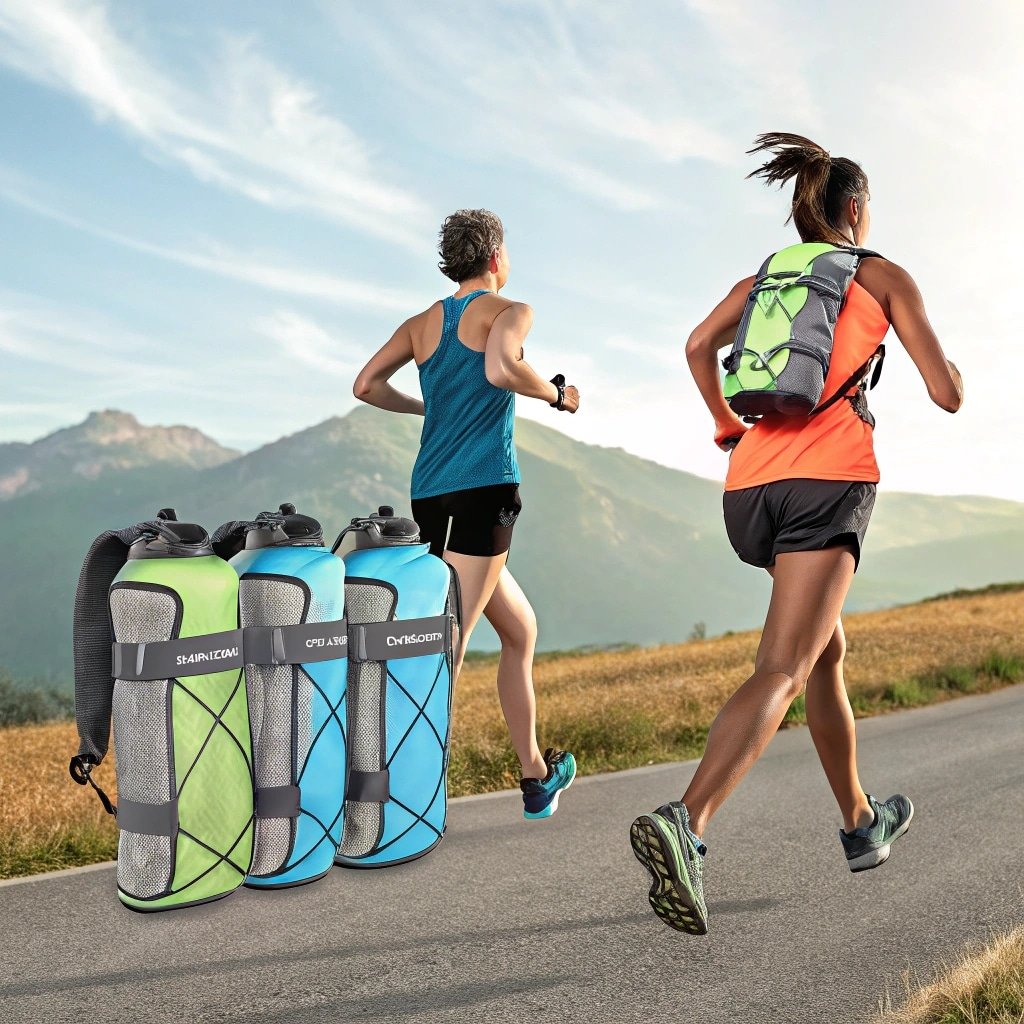
When I trained for my first half marathon, I didn’t use a bag at first—and regretted it. Once I switched to a lightweight hydration pack, I ran longer without stopping for water or feeling weighed down.
Why do they matter?
They free your hands, balance weight, and prevent uncomfortable bouncing of items in pockets.
| Benefit | Impact |
|---|---|
| Hydration access | Stay fueled mid-run |
| Secure storage | Avoid losing items |
| Weight balance | Reduce fatigue |
Should I wear a bag while running?
Wondering if carrying a bag will slow you down or feel awkward? It depends on the type of run.
Wearing a running bag is recommended for long-distance runs, trail running, or races requiring self-support3, but not necessary for short runs.

On short runs under 5K, I skip the bag. But for trail runs or any distance over 10K, my hydration vest is a lifesaver. The key is fit—a good running bag shouldn’t bounce or chafe.
When is it optional?
You might skip it if running loops near home or routes with frequent water stops.
What are good running backpacks?
Shopping for a running pack? Look for lightweight, breathable, and secure-fitting designs.
Good running backpacks include models from Salomon, Nathan, CamelBak, and Osprey4, known for comfort, hydration integration, and minimal bounce.

I tested a few brands before settling on one. Salomon’s vests hugged my body without shifting, while Nathan’s models offered better pocket access for snacks.
Features to prioritize:
| Feature | Why It Matters |
|---|---|
| Adjustable straps | Prevent bouncing |
| Breathable mesh | Reduces sweat buildup |
| Hydration-ready | Built-in water bladder |
Is a crossbody bag good for running?
Wondering if a small sling bag can double as a running pack? It’s possible, but not ideal.
Crossbody bags can work for casual or short runs but are less stable and ergonomic than running-specific backpacks or vests5.
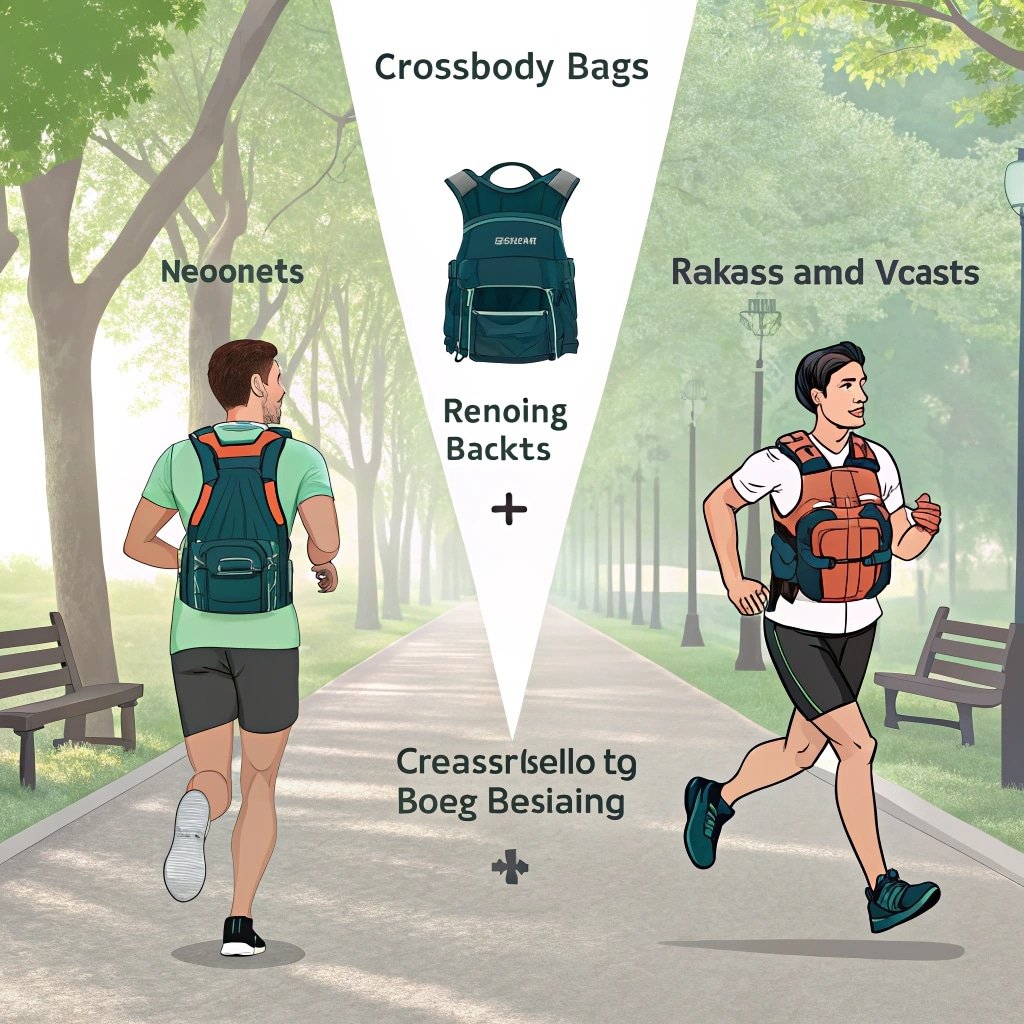
I tried using a crossbody for a 5K once—it kept swinging side to side. Not fun. They’re fine for walks or errands, but not designed for high-impact movement.
When does it work?
If carrying only a phone and keys on a light jog or walking intervals.
Are Cobra bags worth it?
Heard the buzz about Cobra bags? They’re more style-focused than sport-specific.
Cobra bags are fashionable tactical-style bags; while durable, they’re not optimized for running or endurance sports6.
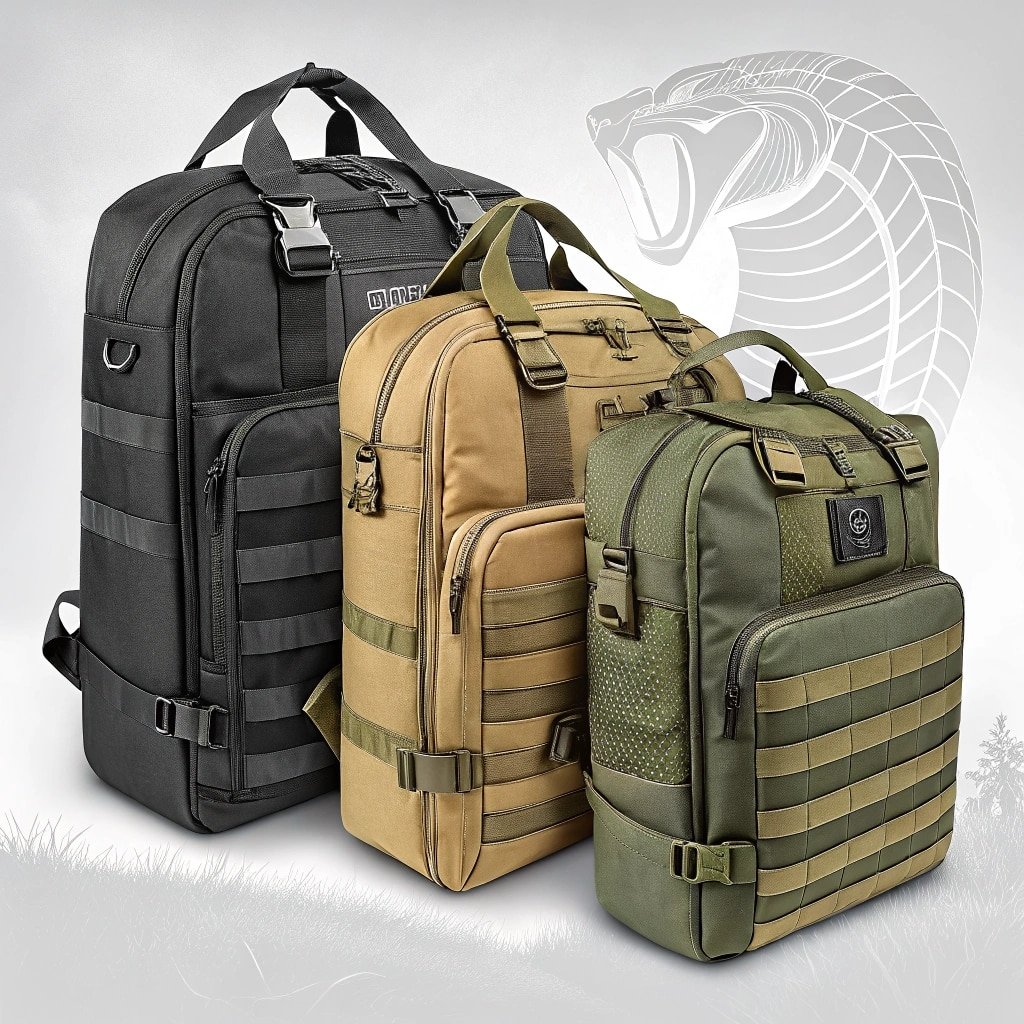
I’ve seen some runners use them for urban runs—but they’re bulkier and heavier than streamlined running vests. Better suited for casual wear or tactical training.
Why skip for running?
They prioritize durability and aesthetics over weight savings and movement comfort.
Why do runners wear backpacks?
Noticed runners with small packs or vests? It’s more than a fashion choice.
Runners wear backpacks to carry hydration, nutrition, safety gear, and personal items needed for longer runs or trails7.
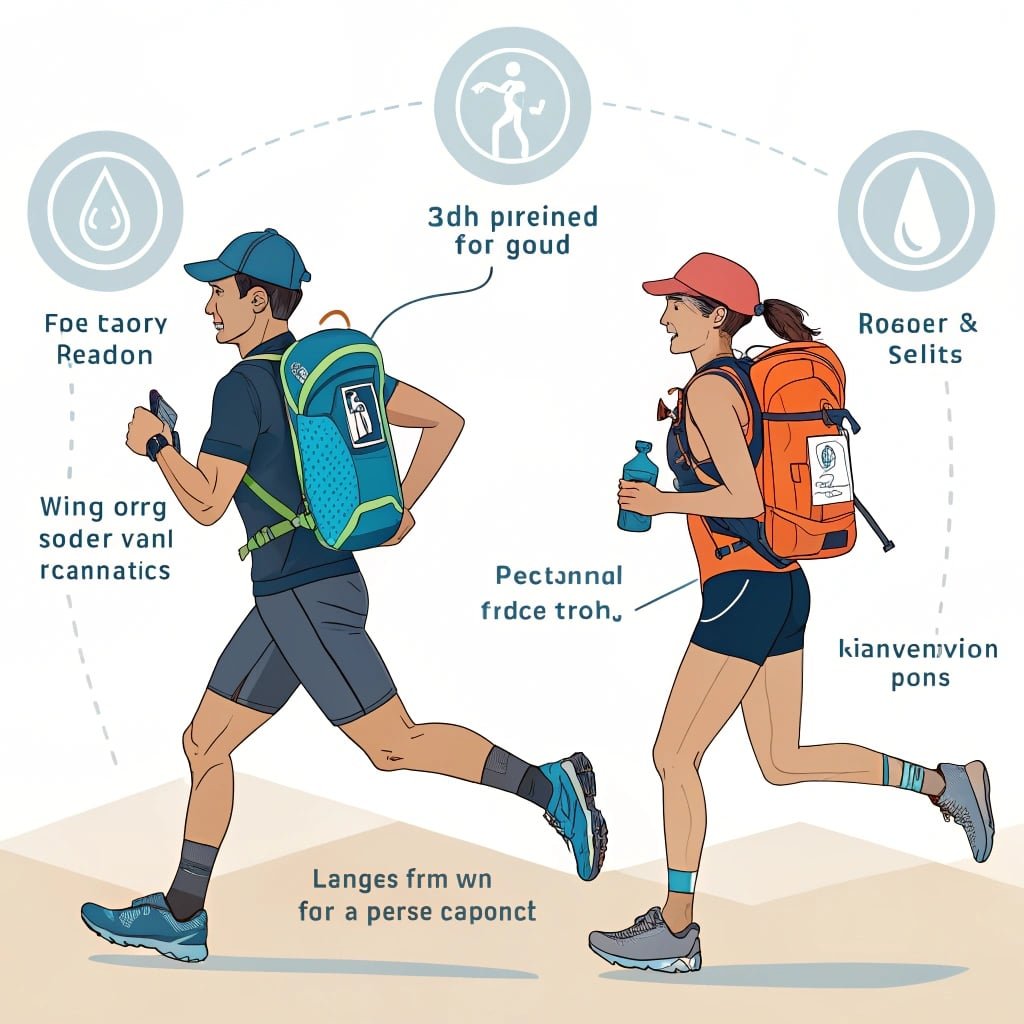
On my first trail race, the mandatory gear list included a water bladder, whistle, jacket, and phone—impossible without a running backpack.
Why not pockets?
Regular shorts or jackets can’t fit everything securely without bouncing or discomfort.
What size running pack do I need?
Confused by liters and capacity? Size depends on distance and gear requirements.
A 5-10 liter running pack is ideal for most long runs or races; larger 12-20 liter packs suit ultramarathons or self-supported trails8.
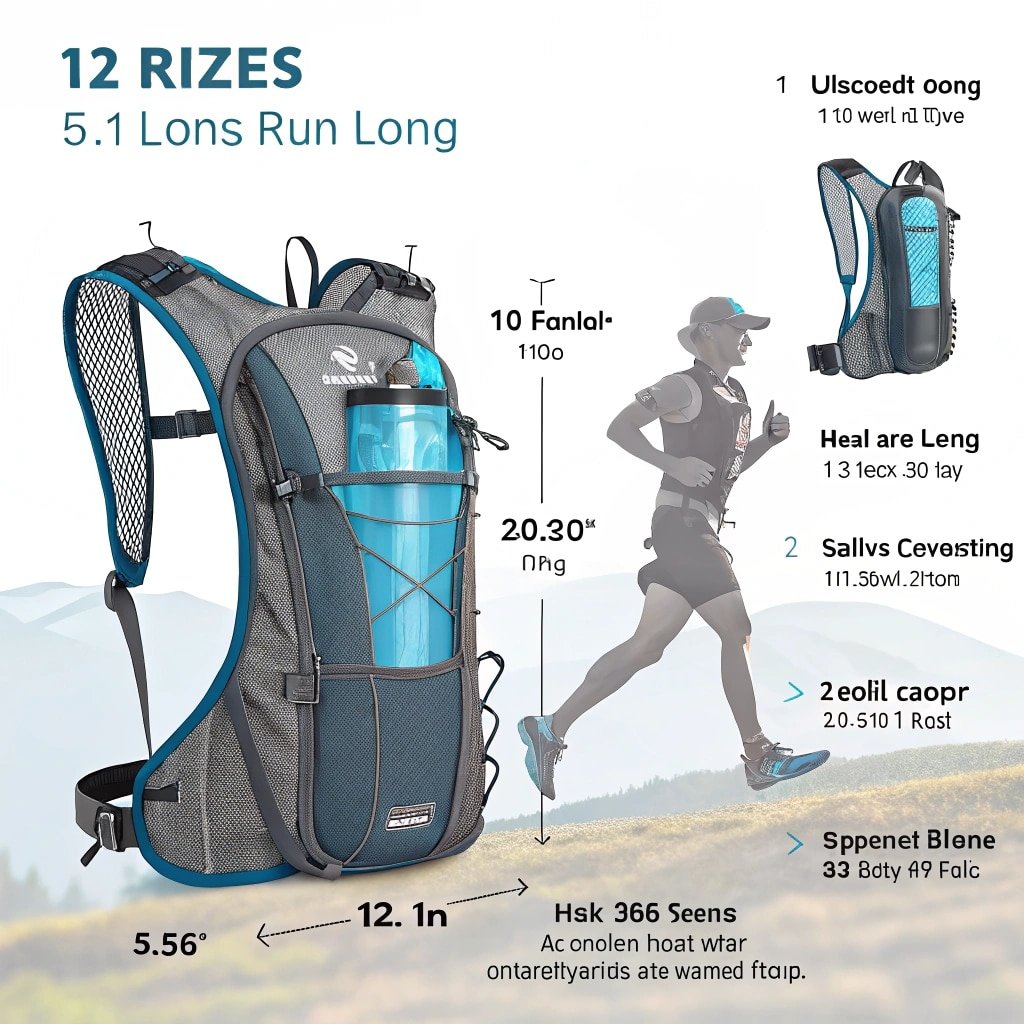
I use a 5L vest for half marathons—it fits water, a snack, and my phone. But on a 50K trail, I needed 12L for a jacket, extra food, and first aid.
How to choose?
Consider the longest run you plan, mandatory gear, and climate needs.
| Distance | Recommended Size |
|---|---|
| <10K | Belt or handheld |
| 10K–20K | 5–8 liters |
| 20K–50K | 8–12 liters |
| Ultra distance | 12–20 liters |
Are Osprey bags good for running?
Thinking of Osprey for your next running bag? It’s a solid option with some caveats.
Osprey makes high-quality running packs, particularly for trail running, offering durability, comfort, and hydration integration9.
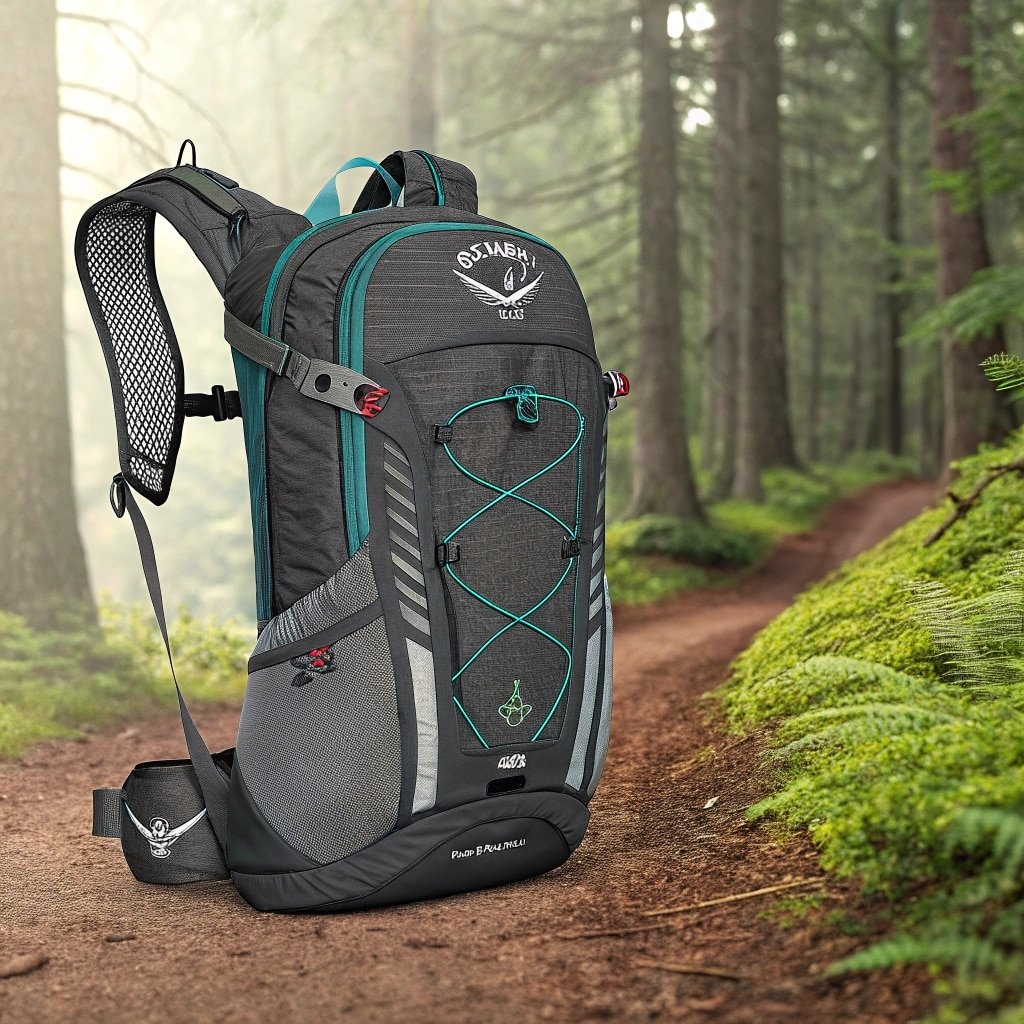
I’ve used Osprey’s Dyna series—it fits well for women, distributes weight evenly, and has accessible front pockets. They’re slightly heavier than some ultralight brands but extremely reliable.
Why choose Osprey?
Great for longer adventures, hikers turned runners, or those needing durability beyond racing.
Should you run in leggings?
Wondering if leggings are practical for running? They’re a popular choice for comfort and support.
Leggings are recommended for running in cooler weather or for runners seeking compression, chafing prevention, and muscle support10.
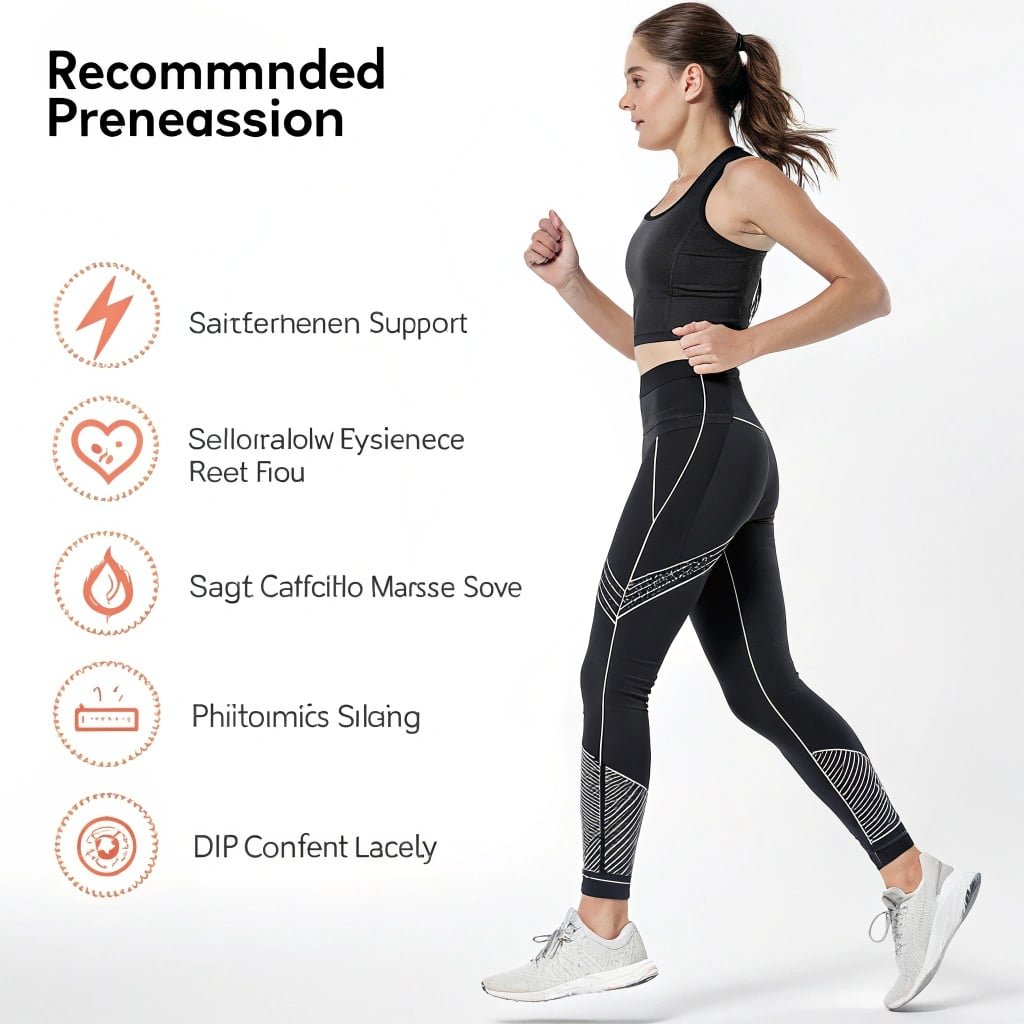
I prefer leggings on chilly mornings or long runs—they prevent thigh chafing and feel streamlined. In hot weather, shorts work better.
How to choose?
Opt for moisture-wicking fabrics and a snug fit to avoid sliding down mid-run.
Conclusion
A running bag balances storage, comfort, and hydration, empowering runners to train longer, safer, and with greater freedom.
-
Learn why running bags keep essentials hands-free and accessible. ↩
-
Discover when a running bag is worth using. ↩
-
Understand when to wear a running bag. ↩
-
Explore the best running backpack brands. ↩
-
See if crossbody bags work for running. ↩
-
Learn about Cobra bags and their use. ↩
-
Understand why runners wear backpacks or vests. ↩
-
Find out how to choose running pack size. ↩
-
Evaluate Osprey bags for running. ↩
-
Learn if leggings are good for running. ↩