Skip to content


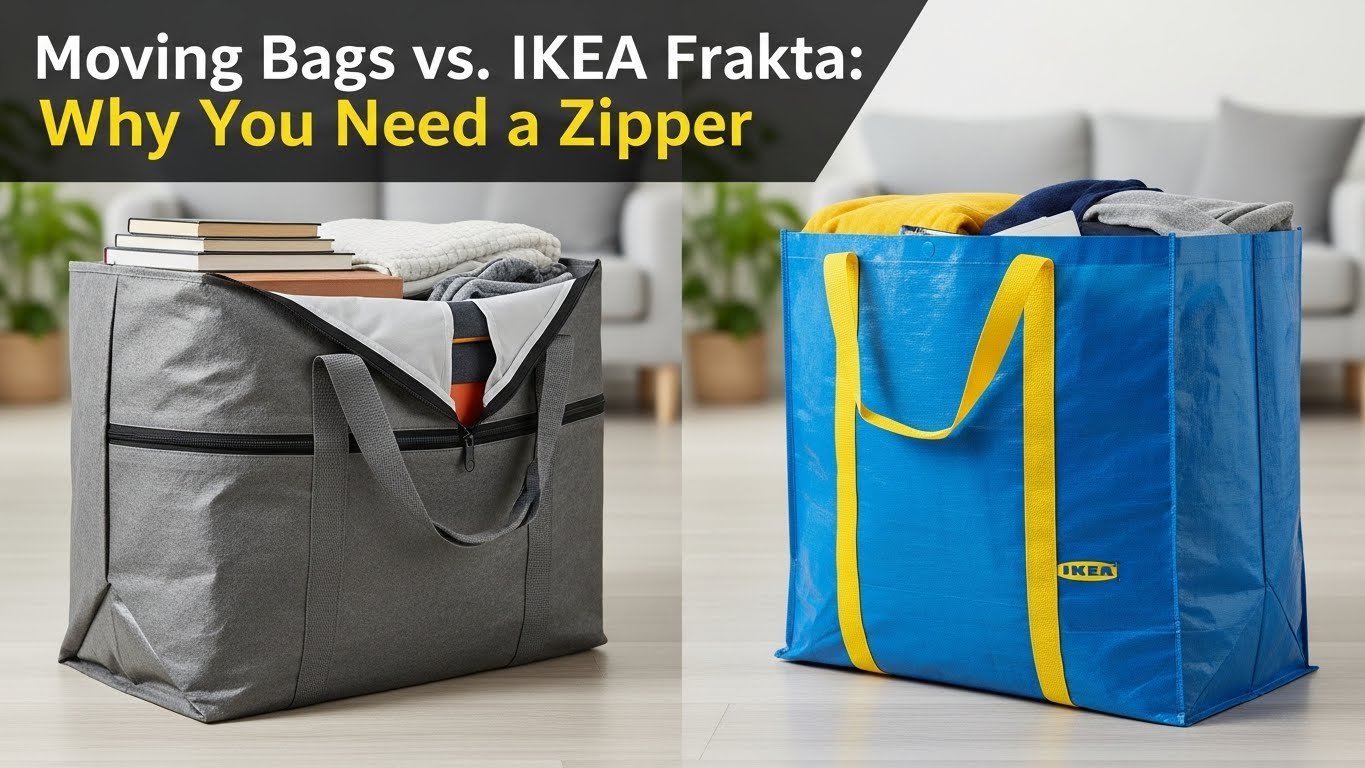
When preparing for a move, the right packing materials can make all the difference in ensuring that your belongings stay organized and safe. Moving bags1 are one such solution, offering a versatile alternative to traditional boxes. In this article, we’ll explore what moving bags are, why they’re a practical option, and how they compare to other packing methods like boxes and bins.
Snippet paragraph: Moving bags are durable, flexible bags designed for storing and transporting personal items during a move. They offer a space-saving and efficient way to pack.
Moving bags are more than just an alternative to boxes—they provide flexibility, ease of use, and can be reused multiple times. Let’s explore their features and how they stack up against other moving options.
What Are Ziplock Bags Called?
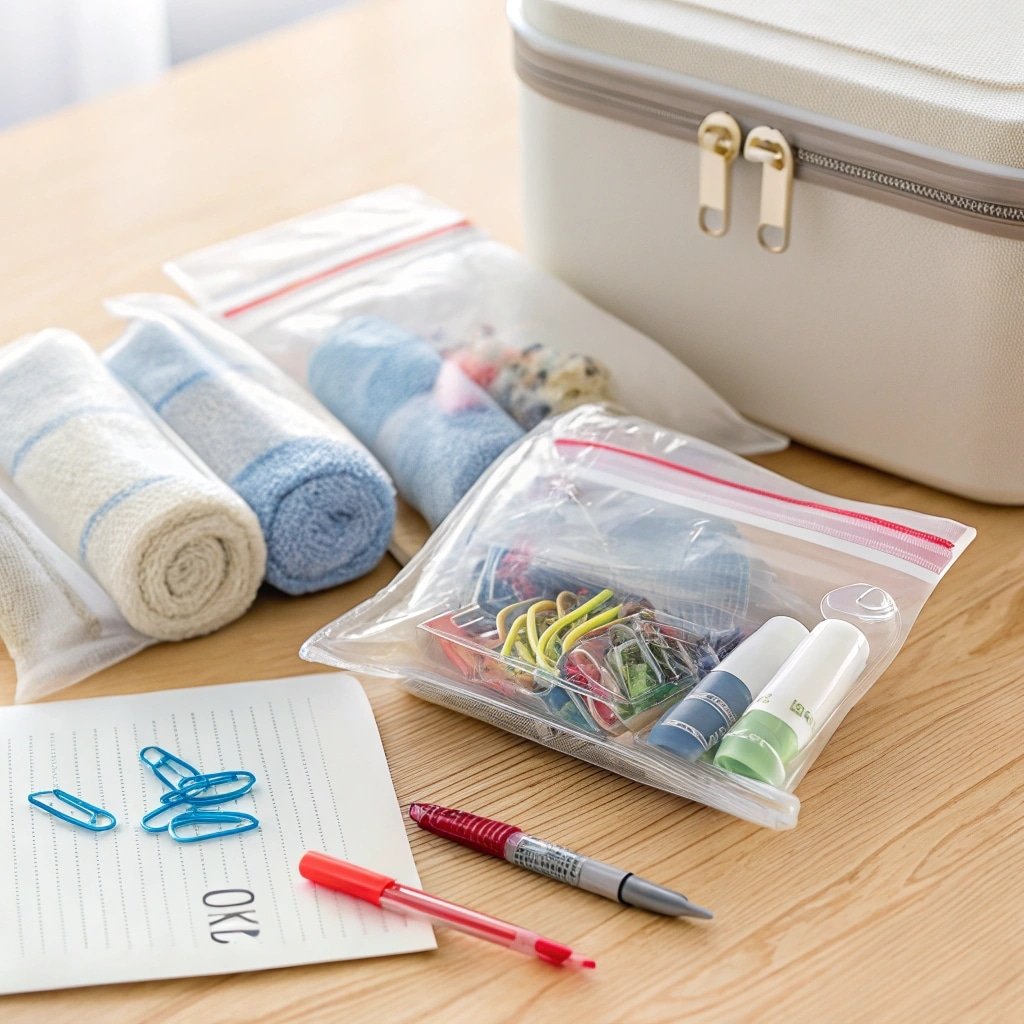
Ziplock bags2, often used for smaller items during a move, are a convenient way to store essentials like toiletries or small clothing items. But do they have another name?
Snippet paragraph: Ziplock bags are commonly called resealable plastic bags, and they are used for storing a variety of items during a move, from clothes to office supplies.
Ziplock Bag Uses
Ziplock bags are known for their airtight sealing mechanism. This makes them ideal for storing items you want to protect from dirt, dust, or moisture. Moving companies often use them for organizing small, loose items like screws, jewelry, or cables.
- Other Names: Resealable bags, slider bags, or sandwich bags (depending on size).
- Best Use: Storing small or delicate items like toiletries, jewelry, or office supplies.
Advantages of Ziplock Bags for Moving
- Space-saving: Ziplock bags help compress clothing and linens, allowing for easier packing and reducing the number of bags needed.
- Organization: You can easily label them and store them in larger bags or boxes for convenience.
Are Moving Bags or Boxes Better?
One common question when preparing to move is whether to use moving bags or traditional boxes. Both packing options have their pros and cons, depending on the type of items being moved and the size of the load.
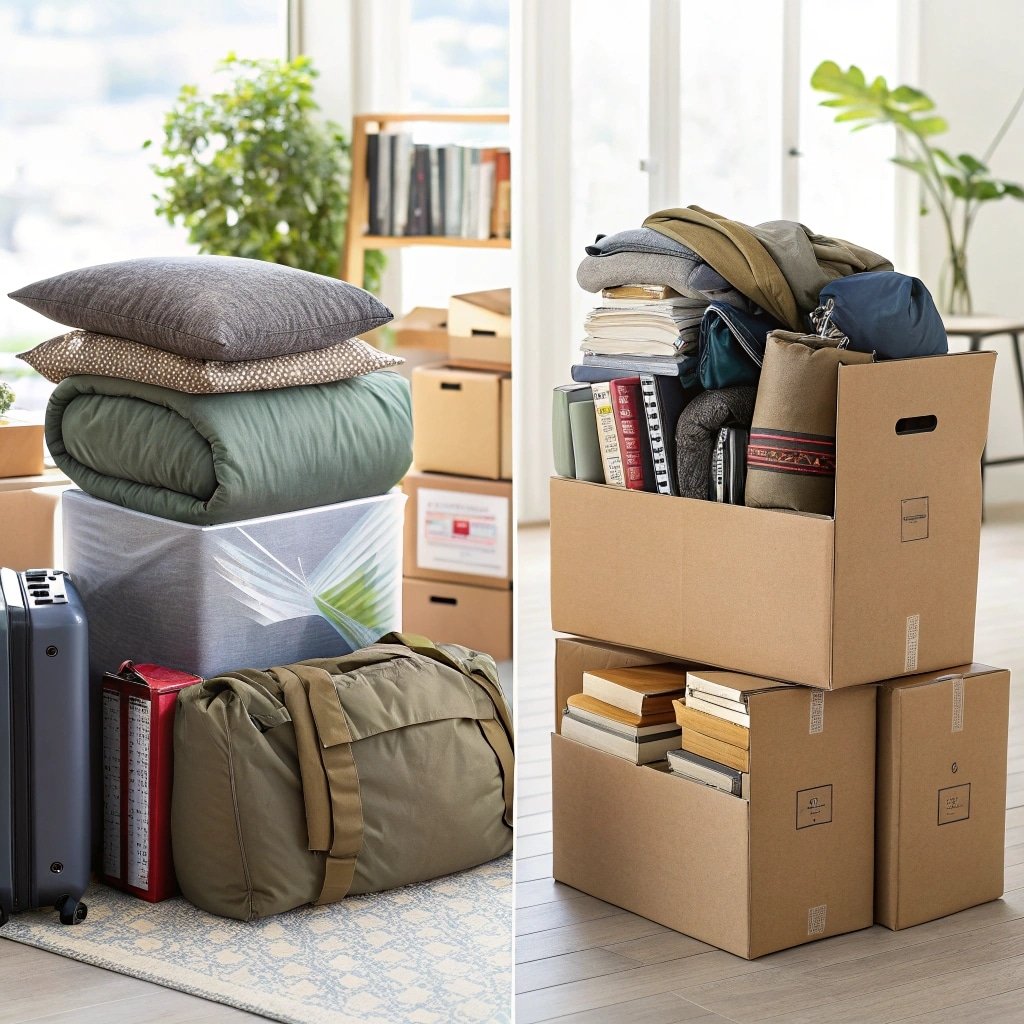
Snippet paragraph: Moving bags are better for soft goods, like clothes or linens, while boxes are more suited for fragile or heavy items.
Benefits of Moving Bags
- Flexible and Lightweight: Moving bags are easier to carry and can be squeezed into tight spaces, such as closets or the back of a car.
- Reusable: They can be used multiple times for various purposes after the move.
Benefits of Moving Boxes
- Rigid and Protective: Boxes are more protective for fragile items like electronics, dishes, and glassware.
- Stackable: Boxes are easier to stack and arrange in a moving truck, making efficient use of space.
Which Is Better?
- For Soft Goods: Moving bags are a great option for items like clothing, bedding, and towels.
- For Fragile Items: Boxes are the way to go if you need to protect delicate items during the move.
What Are Moving Bins?
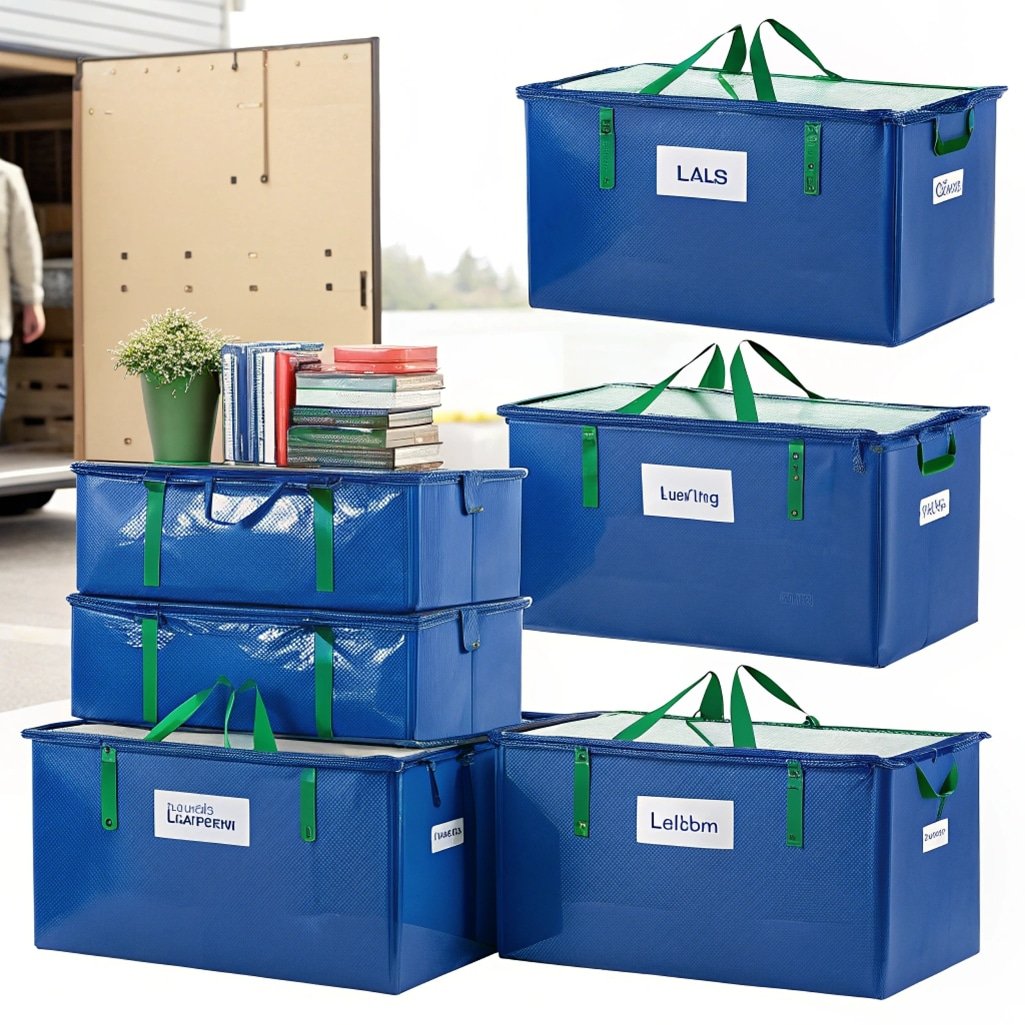
Moving bins3 are sturdy, plastic containers designed to hold and transport items during a move. Unlike cardboard boxes, moving bins are reusable, which can be a major advantage for long-term storage or multiple moves.
Snippet paragraph: Moving bins are durable plastic containers that provide a reusable, organized solution for transporting goods during a move.
Advantages of Moving Bins
- Durability: Made of hard plastic, moving bins are far more durable than cardboard boxes, protecting your items from damage during the move.
- Water-resistant: Many moving bins are water-resistant, which can help protect your items from rain or spills.
- Stackability: Moving bins are easy to stack, making the loading and unloading process simpler.
Disadvantages of Moving Bins
- Bulkier: Moving bins can take up more space than bags, and they might be harder to squeeze into small spaces.
- Cost: Renting or purchasing a set of moving bins can be more expensive than using cardboard boxes.
What Are the 3 Types of Bins?
There are several types of bins available for moving, but generally, they fall into three categories: storage bins, utility bins, and specialty bins.
Snippet paragraph: The three main types of bins used for moving are storage bins, utility bins, and specialty bins, each serving a different purpose during the move.
Storage Bins
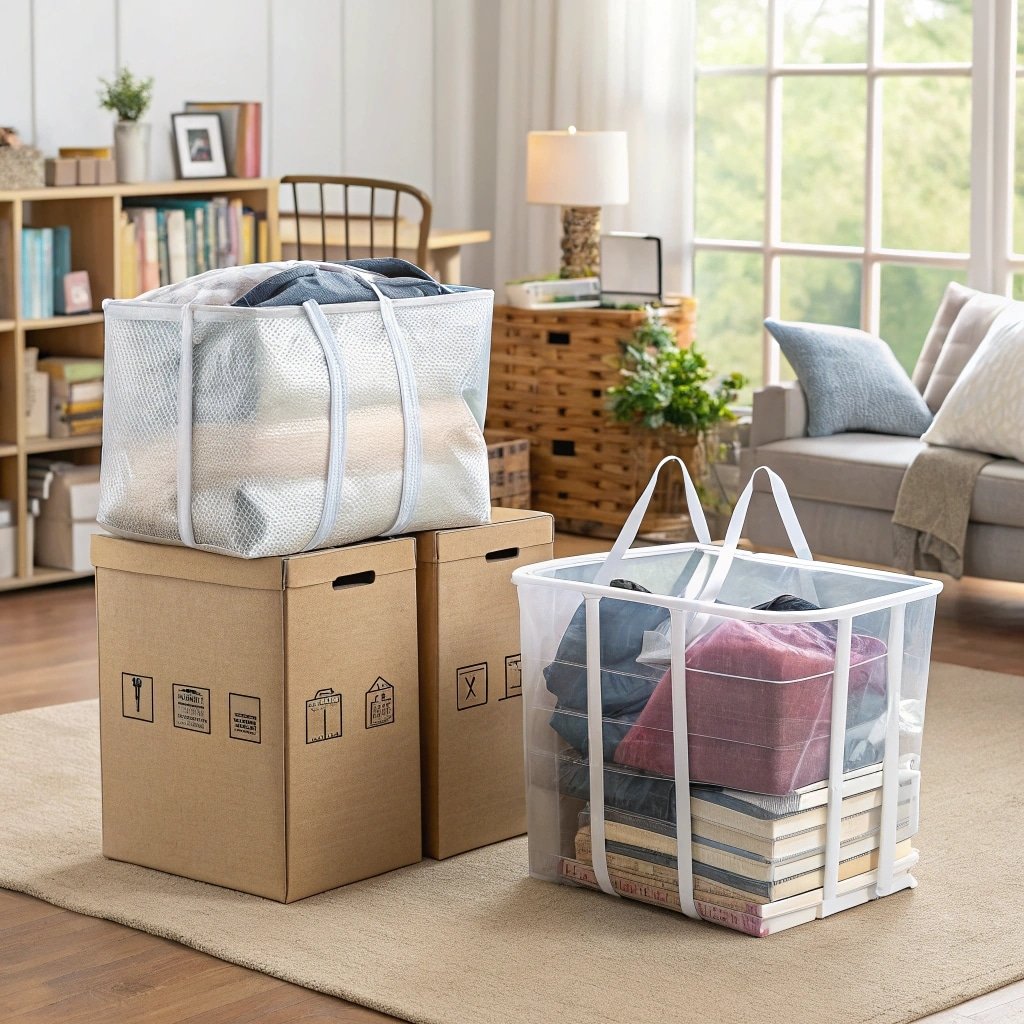
Storage bins are typically large, clear plastic containers that can be used to pack clothing, bedding, or even non-fragile kitchen items. They offer good protection against dust and moisture.
- Best Use: Storing household goods like clothing, linens, or books.
Utility Bins
Utility bins are smaller, more versatile plastic containers. They’re usually used for items like cleaning supplies, kitchenware, and toys. Utility bins are a good choice for organizing and protecting miscellaneous items.
- Best Use: Packing non-fragile items, such as cleaning products, toys, or small kitchen appliances.
Specialty Bins
Specialty bins are designed for specific purposes, such as protecting fragile items or organizing tools. These bins often come with padding or partitions to separate delicate objects during transport.
- Best Use: Storing and transporting fragile items like electronics or glassware.
Are Reusable Moving Boxes Worth It?
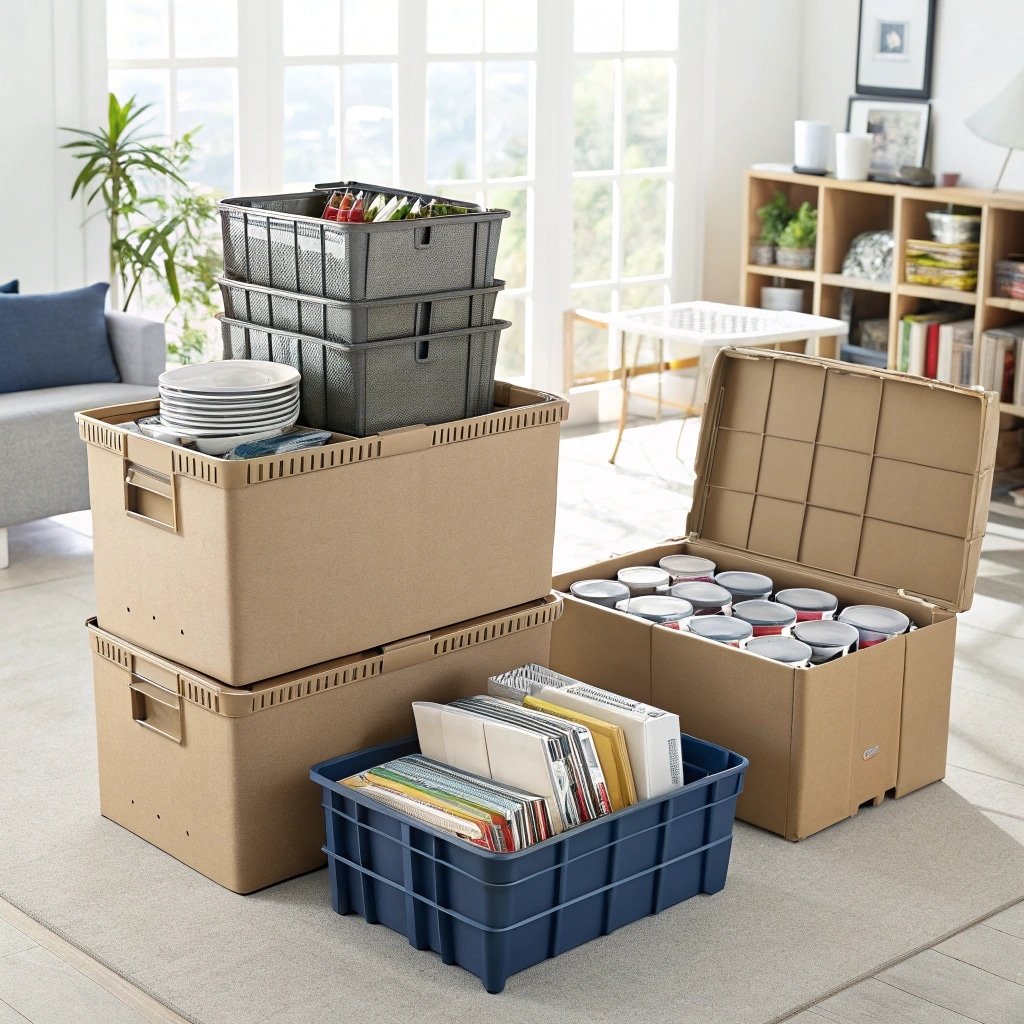
Reusable moving boxes are a popular alternative to traditional cardboard boxes. These plastic containers are designed to be rented or purchased and used multiple times.
Snippet paragraph: Reusable moving boxes are durable, eco-friendly, and cost-effective for people who move often, but they may not be necessary for a one-time move.
Benefits of Reusable Moving Boxes
- Eco-friendly: Unlike cardboard boxes, which are often discarded after a single use, reusable moving boxes can be used repeatedly, making them a more sustainable option.
- Durability: They are typically sturdier and more resistant to wear and tear than traditional boxes.
- Easy to Handle: Many reusable boxes have handles, making them easier to carry and move.
Are They Worth It?
- Frequent Movers: Reusable boxes are a great investment for people who move frequently or have multiple moves planned.
- One-time Movers: For those who are moving only once, renting or buying reusable boxes may not be cost-effective.
Should I Put Clothes in Boxes or Bags When Moving?
When moving clothes, choosing between boxes and bags is a common dilemma. Both options work, but there are advantages and disadvantages to each.
Snippet paragraph: Clothes can be packed in either boxes or bags, but bags are more space-efficient, while boxes provide better protection for delicate fabrics.
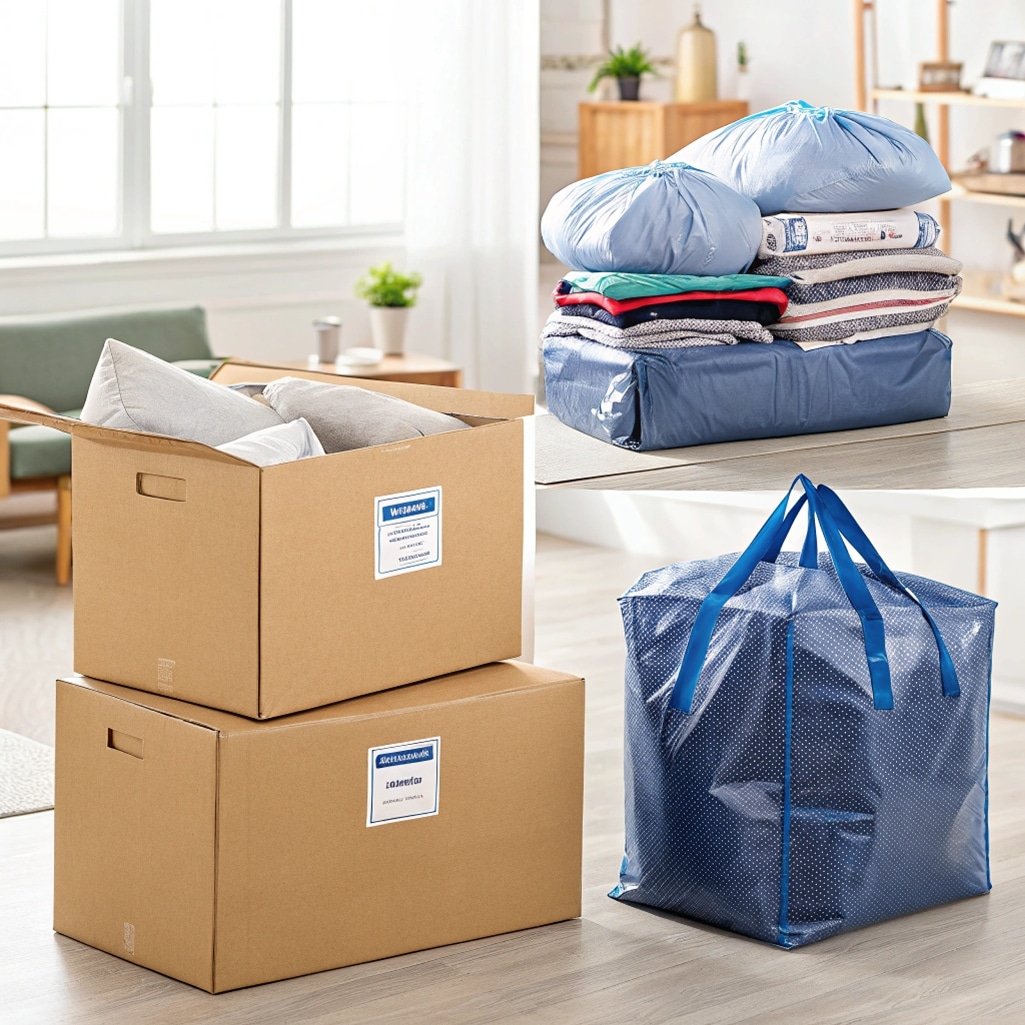
Packing Clothes in Bags
- Benefits: Bags can be compressed to save space, and they’re flexible, making them easier to fit into tight spaces. They are great for storing clothes, bedding, and linens.
- Best Use: When you need to pack a large volume of soft goods like clothes or blankets.
Packing Clothes in Boxes
- Benefits: Boxes offer better protection for delicate or fragile items, such as suits, dresses, or coats. They also make it easier to stack clothes in an organized way.
- Best Use: For more valuable or delicate items that need extra protection.
Do Moving Boxes Attract Bugs?
One concern when using cardboard boxes for moving is whether they can attract bugs. While it’s true that cardboard can be a breeding ground for pests, this is generally avoidable with a few simple precautions.
Snippet paragraph: Cardboard moving boxes can attract bugs if left in humid or damp environments, but taking proper precautions can prevent this.
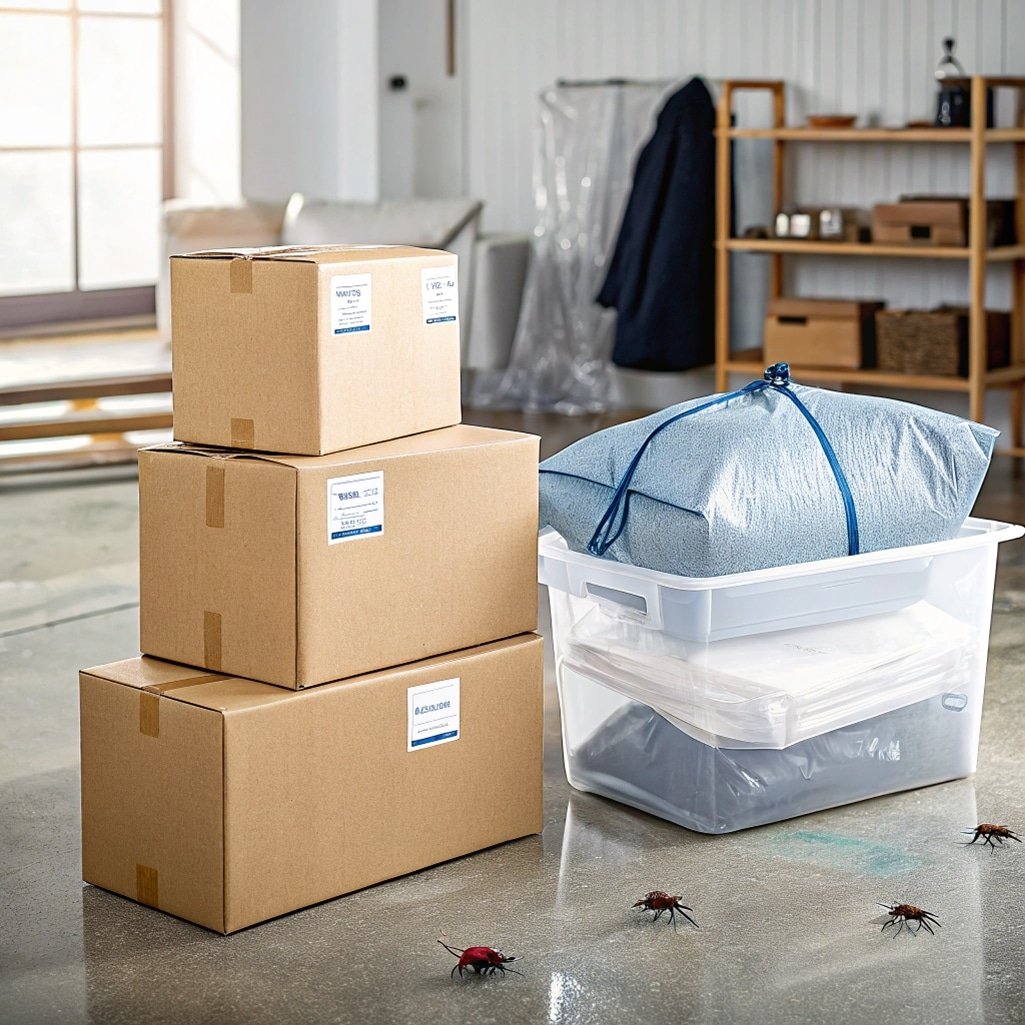
How to Prevent Bugs in Moving Boxes
- Seal Boxes Immediately: Close boxes as soon as they are packed to prevent pests from entering.
- Store Boxes in Dry Areas: Keep boxes in dry, clean areas during the move to minimize the risk of bugs.
- Clean Items Before Packing: Make sure to clean clothes and items before packing them to reduce the chance of pests hitching a ride.
What Is the Best Thing to Pack First When Moving?
When it comes to packing, starting with the right items can make the entire process more organized and manageable. The key is to pack items you won’t need right away.
Snippet paragraph: The best things to pack first are items you won’t need immediately, such as seasonal clothing, books, or decor.
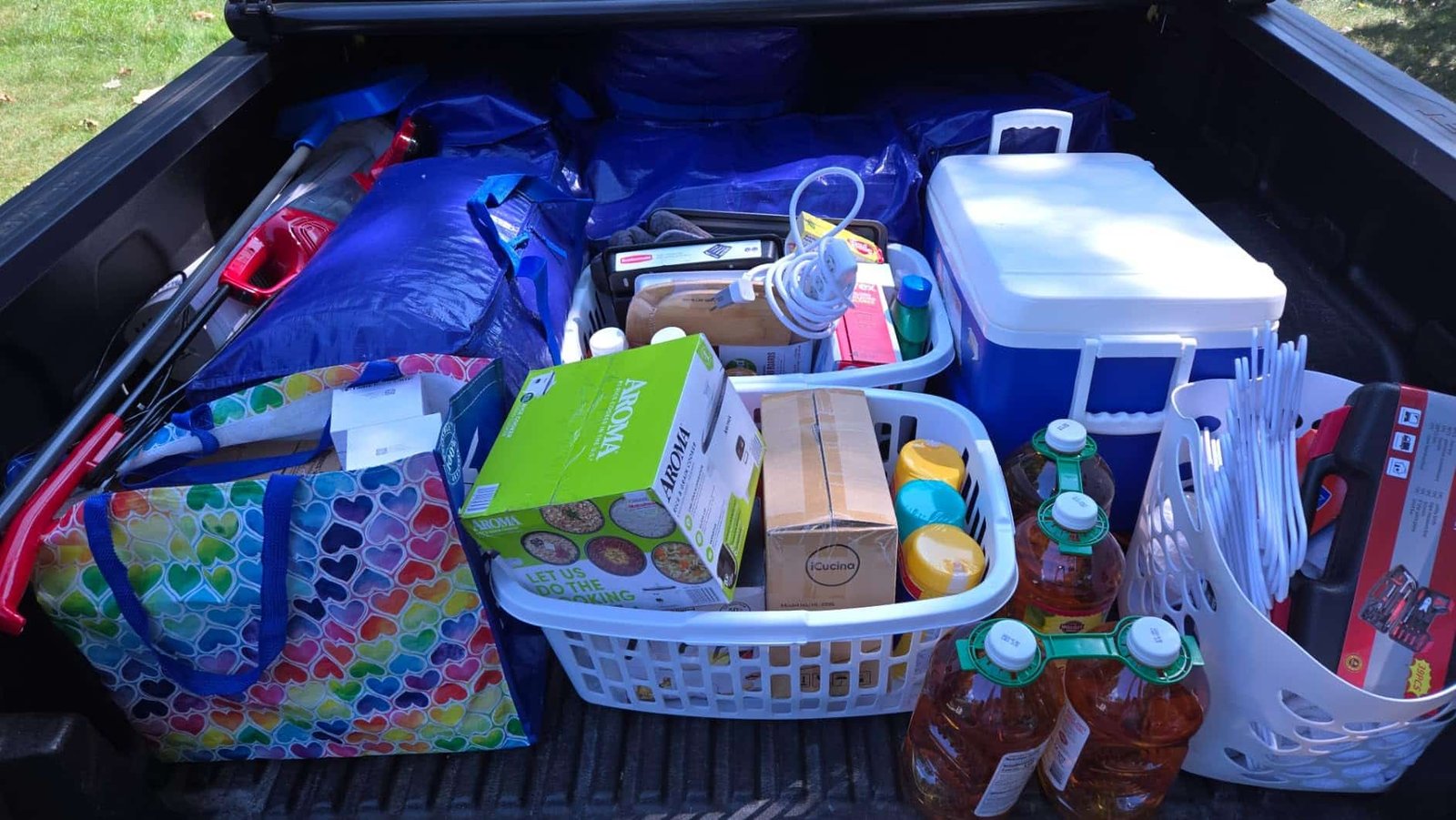
Non-Essential Items
- Seasonal Items: If you’re moving in the winter, pack your summer clothes first and vice versa.
- Books and Decor: These items are easy to pack and don’t need to be accessed until after the move.
Room-by-Room Approach
Start with rooms that are least used, like guest bedrooms or storage spaces, and gradually move towards packing everyday essentials.
Conclusion
Moving bags are a great solution for packing soft goods and essentials during a move, and they are especially useful for people who want to save space and time. Ziplock bags are perfect for smaller items, and reusable moving bins can offer a more durable and eco-friendly option. When deciding between bags and boxes, it’s important to consider what types of items you are packing. Each option has its advantages, so choose accordingly.
Finally, remember that being organized and prepared is key to making your move as smooth and stress-free as possible.
-
Discover the versatility of moving bags and how they compare to other packing options like boxes and bins. ↩
-
Understand the multiple uses of Ziplock bags during a move, including their space-saving and organizational benefits. ↩
-
Learn the advantages and disadvantages of using boxes versus bags when packing for a move. ↩