



Trade show bag orders usually follow the event calendar: a rush order in January for the spring show, another in June for the autumn show, each with a new design, new screens, new freight and a higher per-bag cost. This case study follows an exhibition services company that inverted the model: one reusable tote design, ordered once, printed with event-specific inserts that changed per show. The result was ten events on one bag program and a 32 percent cut in per-bag cost across the year.
The Problem the Program Solved
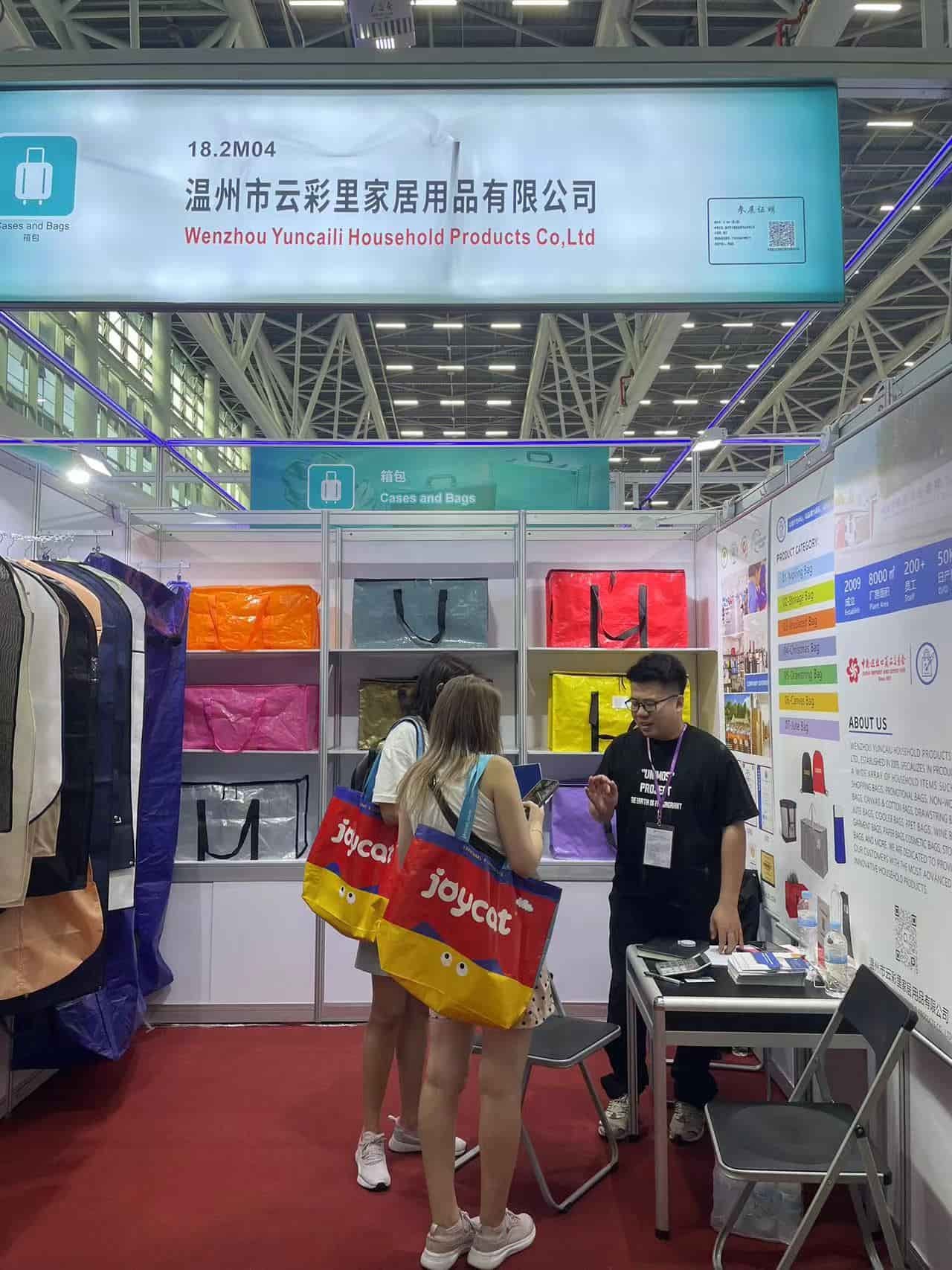
The company ran ten client events a year: five trade shows, three conferences and two roadshow activations. The old pattern bought 2,000 to 4,000 printed totes per event at USD 1.60 to USD 2.20 per bag, with a new design every time. The design change forced new screen printing setups, minimum re-order quantities that always exceeded the event need, and leftover stock that sat in a warehouse between shows. Over a year the company spent roughly USD 68,000 on bags and stored more than 6,000 unused pieces.
The exhibition industry’s own research supports the waste problem: trade show organisers consistently rank giveaways and promotional items among the largest single-event budget lines, and the CEIR, the Centre for Exhibition Industry Research, tracks how exhibit marketing budgets split across display, print and giveaway spend. Giveaway bags that survive one day of use and then sit in a hotel room are the category’s least efficient spend.
The One-Design Model
The new program ordered 5,000 bags in one production run: a 12 oz natural cotton tote with a single-colour brand print on one face and a clear PVC front pocket on the other. The pocket held the variable: a printed card insert, 30 cents each, swapped per event with the client’s name, booth number and a QR code. The bag itself never changed, which meant one screen setup, one production run, one freight booking and one quality inspection for the whole year.
The insert changed the economics. The bag cost landed at USD 1.28 per unit at 5,000 pieces, against USD 1.85 average under the old per-event orders. The insert added 30 cents per event, and the per-event delivered cost dropped from USD 1.85 to USD 1.58 with the print included. Over ten events the program saved USD 12,000 on the bag line alone, and the leftover problem disappeared: the bag is the same for every event, so surplus stock rolls into the next one instead of becoming dead inventory.
The Ordering Calendar That Made It Work
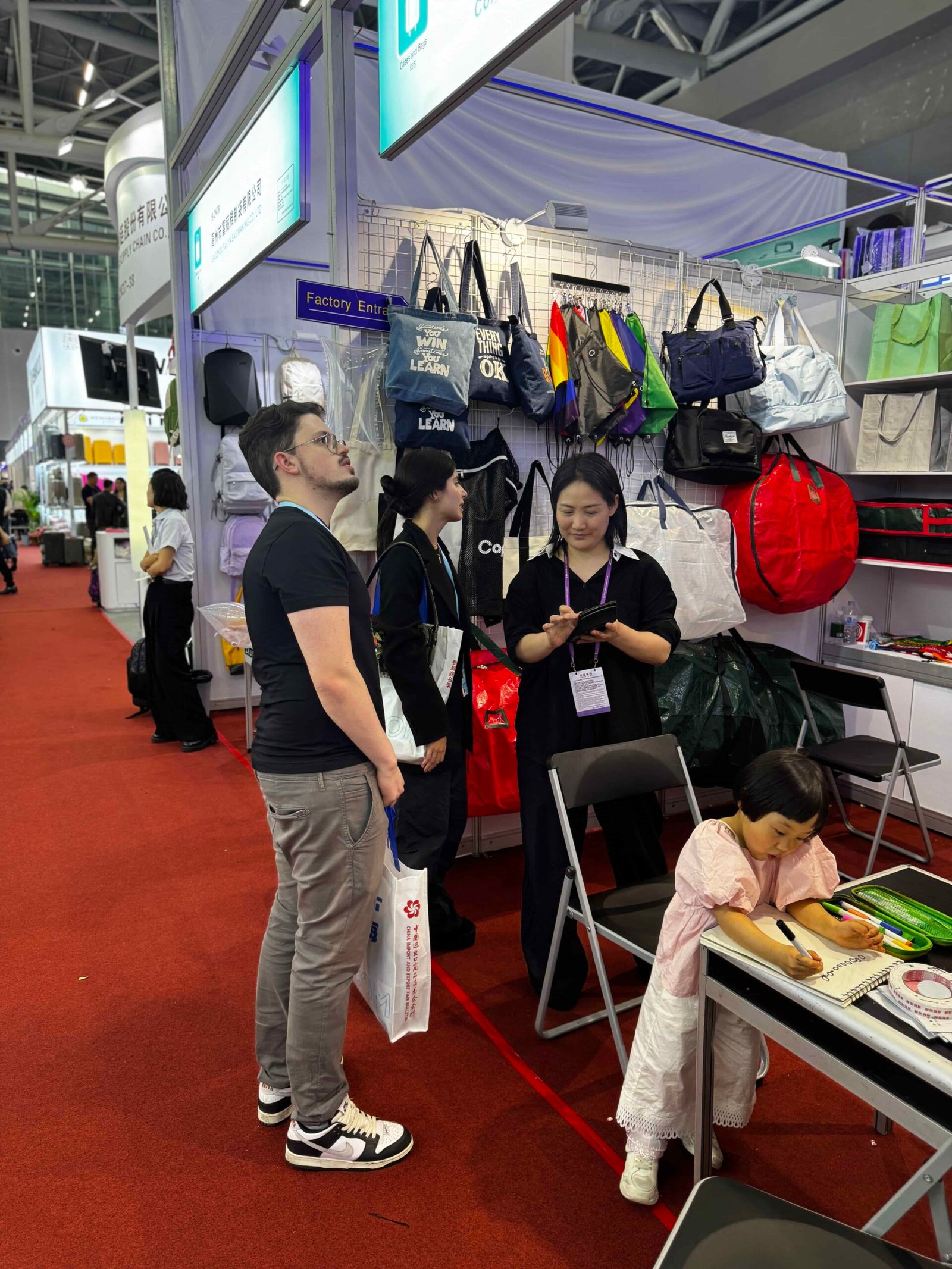
The program ran on a single production order in November, with the 5,000 bags delivered in January. The insert orders ran monthly, 500 to 2,000 cards at a time, printed locally in five working days. The freight logic flipped: one consolidated ocean shipment of 5,000 bags replaced ten separate air and courier shipments, and the per-unit freight cost dropped from 38 cents to 14 cents.
Retail and event demand timing validated the single-order model. The National Retail Federation publishes the seasonal retail calendar that event budgets follow, and the trade show season peaks in the first and fourth quarters, which is exactly when the program’s pre-printed stock was already on the shelf. The inserts carried the seasonality instead of the bags, and the printing risk moved from the factory to a local printer that could reprint in days.
What Transferred to Other Programs
Three lessons transfer to any promotional bag program. First, separate the reusable part from the variable part: the bag is the reusable asset, the insert or hang tag is the variable. Second, consolidate production into one annual order and let the insert calendar absorb the event schedule. Third, count the dead stock as a program cost, because the 6,000 unused bags under the old model cost more than the insert printing under the new one. For buyers planning similar programs, the materials guide covers the canvas and print options that make a single-design program durable across a full event year.
Frequently Asked Questions
How much did the one-design program save?
The per-event delivered bag cost dropped from USD 1.85 to USD 1.58, saving USD 12,000 across ten events, with the per-unit freight cost falling from 38 cents to 14 cents.
How did the inserts work?
Each bag carried a clear PVC front pocket holding a 30-cent printed card with the client’s name, booth number and QR code, swapped per event while the bag itself never changed.
What bag specification suited the program?
A 12 oz natural cotton tote with a single-colour print and a clear front pocket, ordered at 5,000 pieces to land at USD 1.28 per bag against USD 1.85 for small per-event orders.
Why order once a year instead of per event?
One production run removes repeated screen setups, minimums and freight bookings, and surplus stock rolls into the next event instead of becoming dead inventory.
Material weight ranges by family are tabulated in our bag fabric GSM guide.
The pet food program model for branded tote packaging is detailed in our branded tote packaging case study.



0 Comments