Reorganised from the archived supplier checklist, with product spec details kept and commercial terms left out.
The carton label said 13 by 13 by 13 in, the polybag inside said 33 by 33 by 13 in, and the buyer had already approved a sample in a third size. That mismatch sat on a warehouse floor for two days before anyone opened the box. She had spent three weeks comparing suppliers on price and two minutes on the label, and the label was the part that would have told her whether the factory could hold a spec.
She called with one question and left with six. The call is worth reconstructing, because the questions a buyer asks in the first ten minutes tell you more about a supplier than any brochure. What follows is the sequence that actually separates a factory from a trader with a good website.
Can you show me a batch, not a sample?

The first request is almost always a sample, and the sample is the least useful object in the conversation. A sample is made by the person who wants your order. A batch is made by whoever is on the line that week, on a Tuesday, with the material that arrived on Monday.
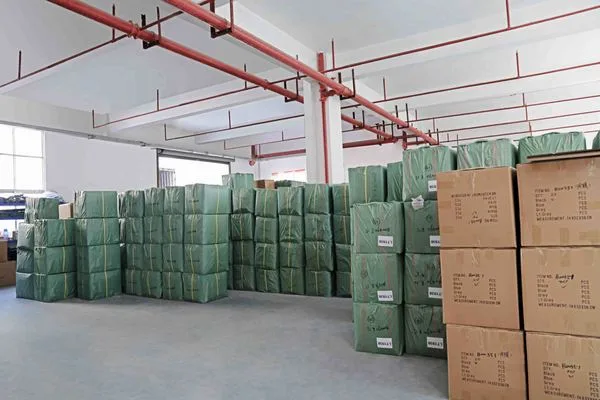
Ask for photographs of a finished batch in its cartons, with the packing list visible. Ask how many pieces were in the run and whether any were pulled. A supplier who can only show styled samples on a white background is showing you a marketing department, not a production floor.
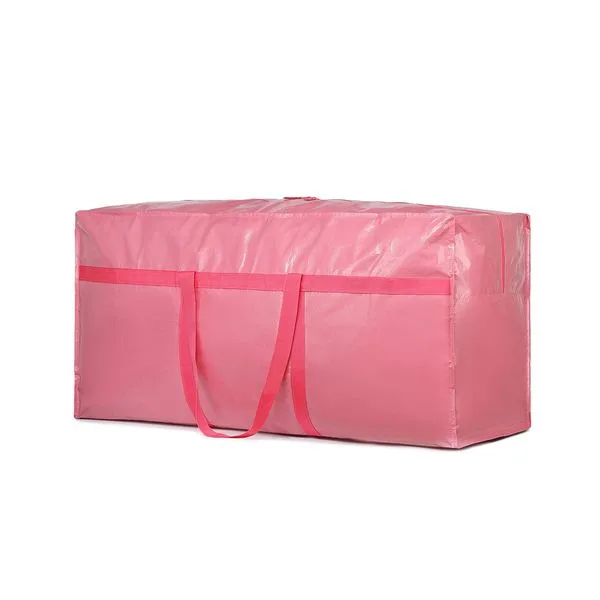
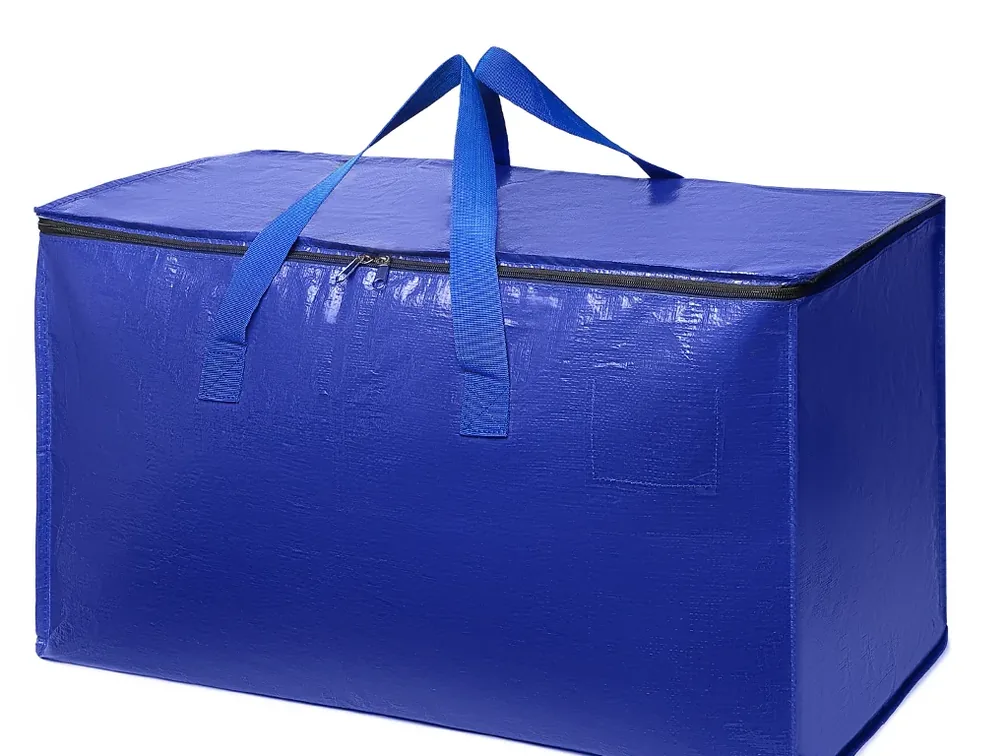
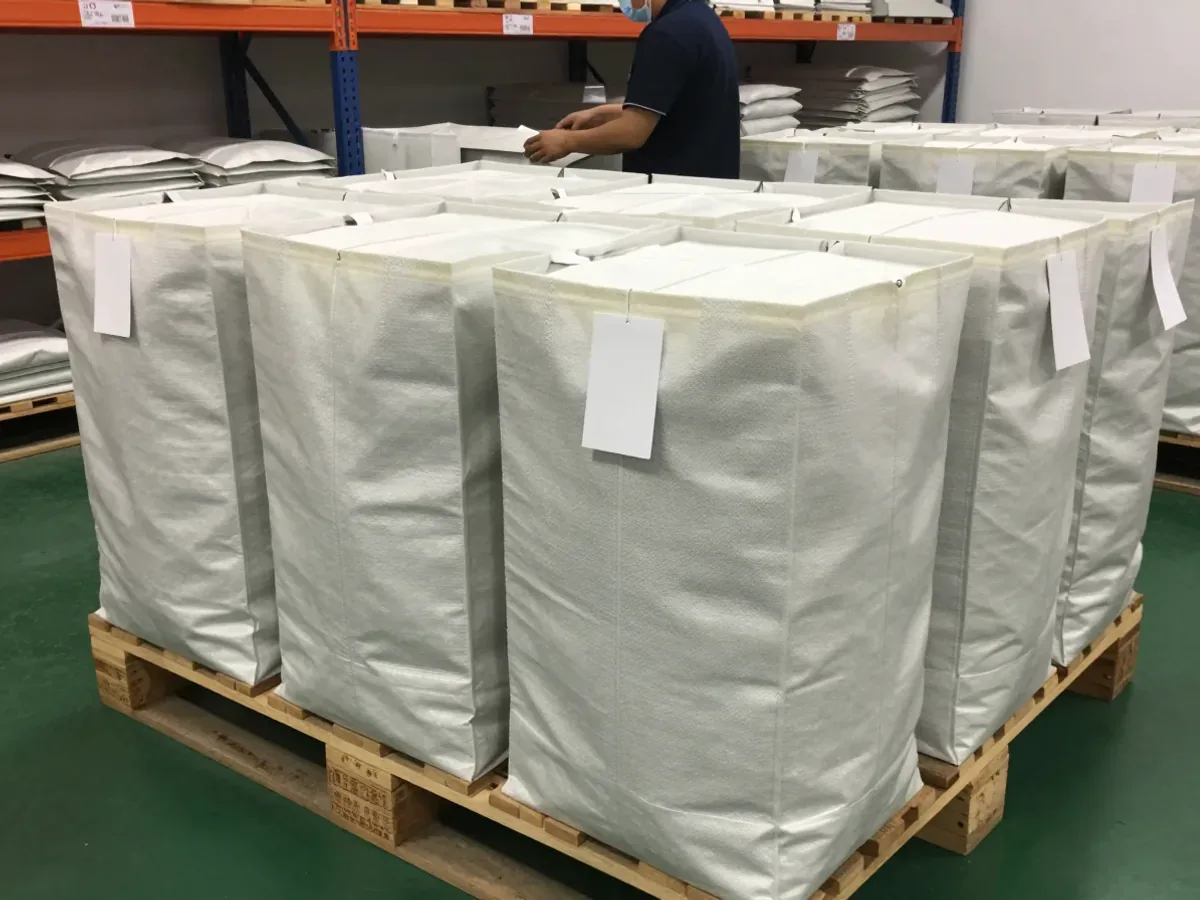
The useful evidence is boring: carton counts, a dated packing list, a photo of the same style in two colourways. A non-woven shell folds flat for storage between seasons and prints well for retail, so a factory that runs this material regularly will have finished cartons to photograph. If nobody can find one, the order may be going somewhere else.
How does the buyer know the fabric and fittings match what was approved?
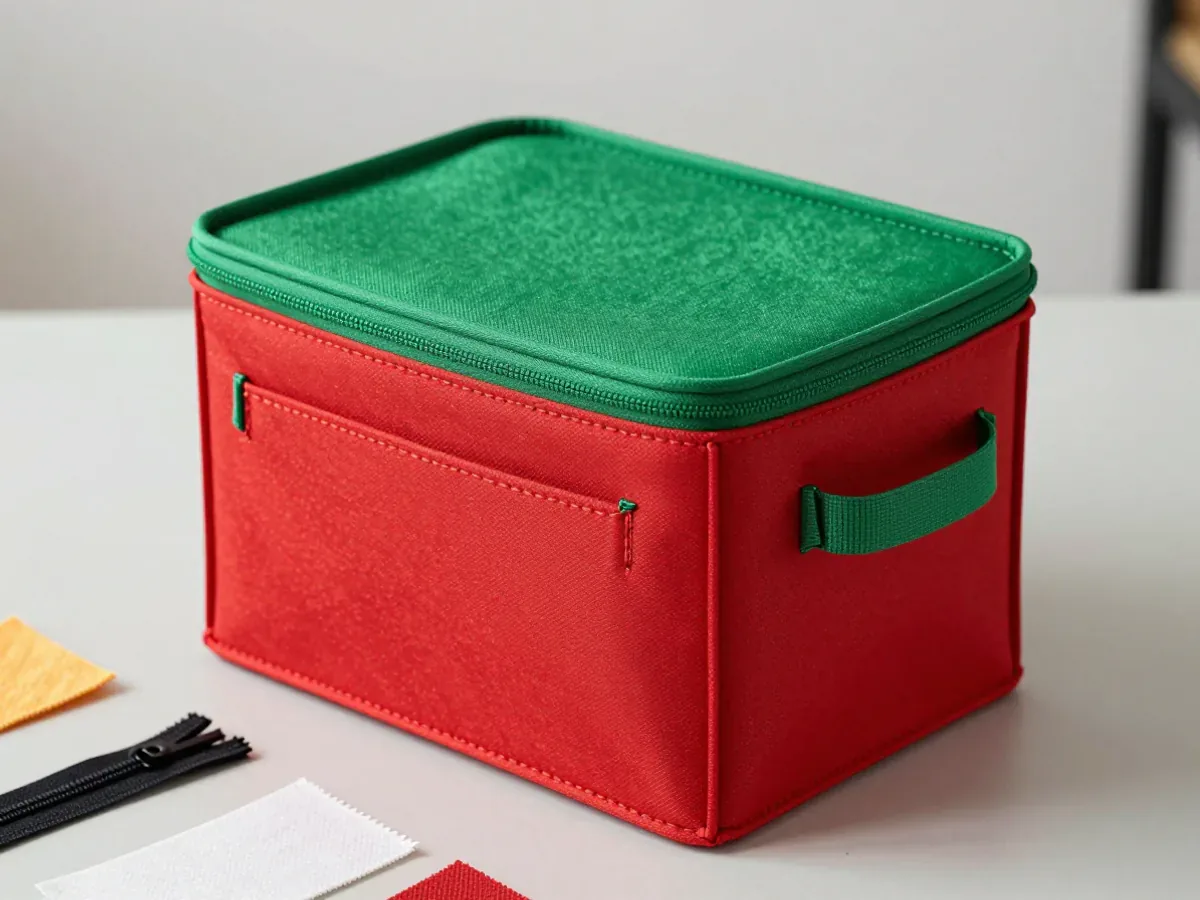
The approved sample is a promise about four things: fabric, webbing, zips and thread. Those four are what a factory checks a running batch against, and they are what a buyer should name in writing before the first cut.
Ask the supplier to list them back to the buyer. Not the marketing name of the fabric, but the weight, the colour reference, the webbing width, the zip type and the thread count. If the reply is a sentence rather than a list, the spec does not exist yet.
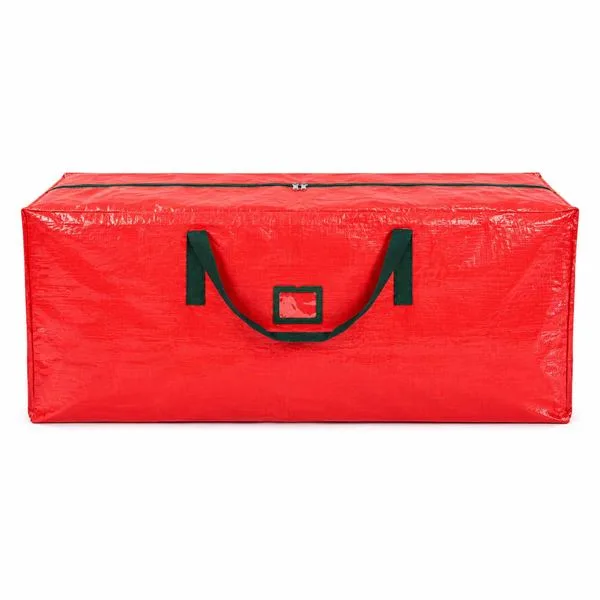
A storage cube makes the test concrete. A red non-woven cube with a green zip lid, two pulls, a side handle and a label pocket has five components that can each drift: the shell, the trim, the zip, the handle and the pocket. A factory that has run this shape will describe each one without looking it up. A trader will describe the photo.
What does your QC actually check, and when does it happen?
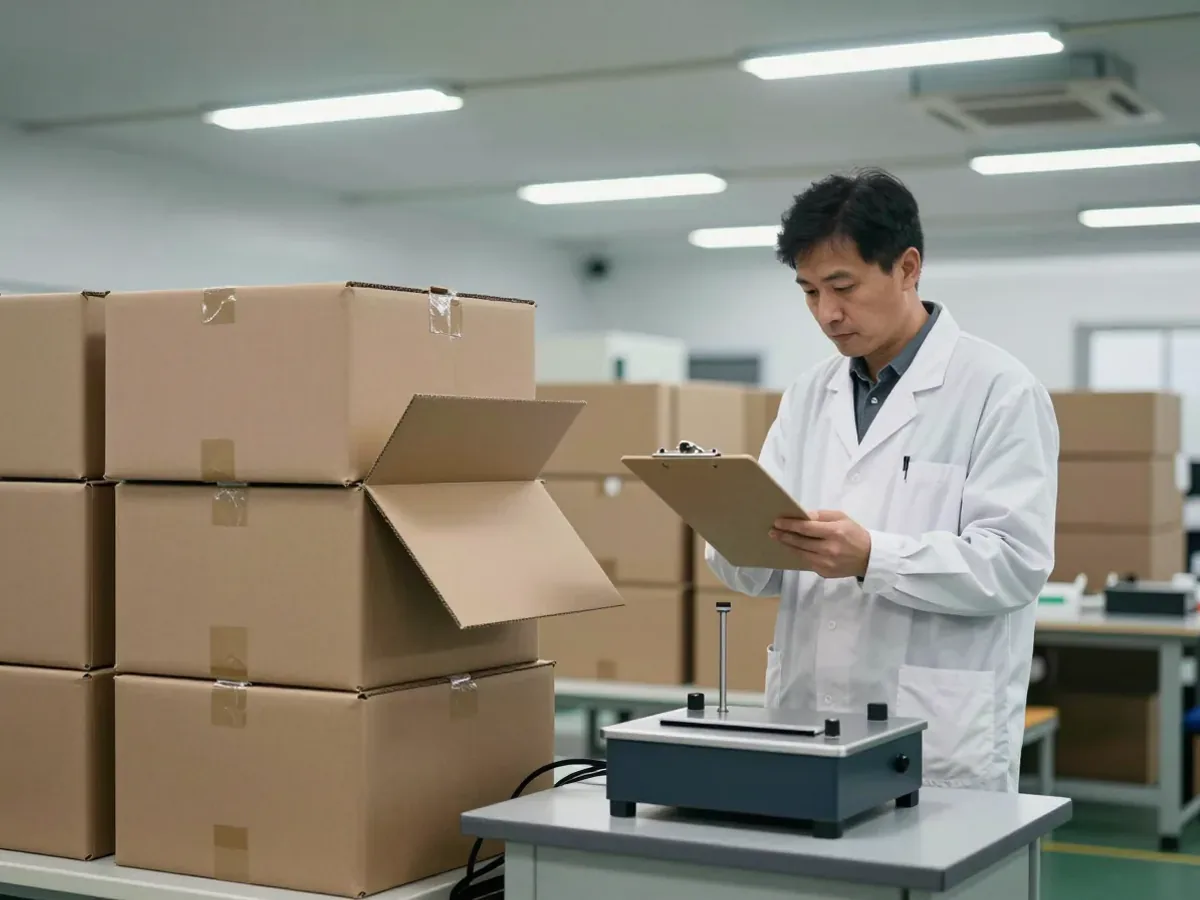
Quality control is a schedule, not a department. The question to ask is where the checkpoints sit and what gets looked at when the line stops.
On a bag order, four checkpoints is a workable number: incoming material, first output off the line, running production, and packed cartons. Each one has a different job. Incoming material catches the wrong fabric before it is cut. First output catches a print or a seam set badly before the run commits. Running production catches drift. Packed cartons catch the count and the label.
Ask what is tested, not just inspected. Pull, seam strength and bar tack are the three that fail first on a loaded bag, and a factory that tests them on every batch will say so without prompting. Ask for a checklist from a past run with the date on it. A supplier who hesitates here is telling you the checkpoints are on a poster.
Can the factory make a custom size without losing the print or the handle?
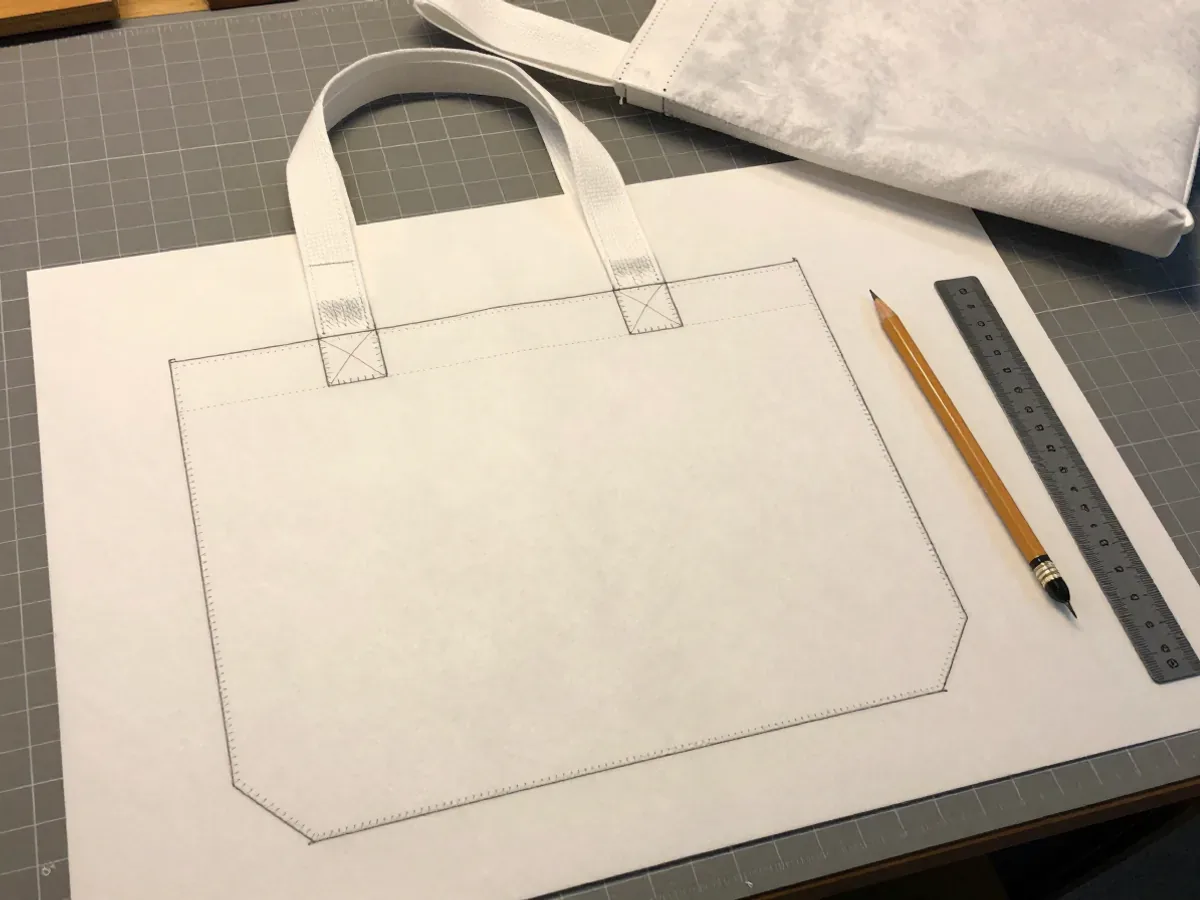
Custom size is where a good supplier and a flexible one part company. Almost any factory will say yes to a size change. The question is what else moves when the size does.
A print panel has a fixed area. Stretch a bag from a stock proportion to a taller one and the artwork either shrinks, crops or sits lower than approved. A handle has an anchor point. Move the bag's height and the handle's attachment moves with it, which changes how the bag hangs and where the seam takes load.
Ask for the size change in writing with the print position and handle drop marked in the same drawing. Stock styles can be made to a buyer's size, but the drawing is what keeps the print and the handle where the sample put them. If the supplier answers with a price and no drawing, the size is being changed on the floor, not on paper.
What happens to a batch that fails a checkpoint?
Every factory has failures. The difference is what the failure triggers. Ask the supplier to walk you through the last batch that did not pass and what happened to it.
Listen for three things: whether the batch was held, whether the cause was traced to material or machine, and whether anything changed afterwards. A supplier who says nothing ever fails is either very new or not checking. A supplier who describes a hold, a recheck and a corrected setting is describing a system that works.
This is also where the packing stage earns its place. A carton sealed before anyone checks the cord ends or the label is a carton that ships wrong. The label mismatch on that warehouse floor was not a printing error. It was a checkpoint that did not exist between the polybag and the pallet.
The question buyers forget: what will you not put in writing?
Near the end of the call, the buyer asked whether the supplier would confirm the four checkpoints and the component list in the order documents. The answer was yes, and that yes was worth more than the quote.
The question buyers forget is the negative one. Ask what the supplier will not commit to in writing. A factory that names its limits, a size range it does not run, a finish it outsources, a colour it cannot match reliably, is a factory that knows its own line. A supplier who agrees to everything in conversation and nothing on paper is selling optimism.
Put the component list, the drawing with print position and handle drop, the checkpoint schedule and the packing label format into one document before the sample is approved. Then approve the sample against that document, not against the photograph.
FAQ
Should a buyer ask for a production sample or a stock sample?
Ask for a production sample made on the line that will run the order, and ask which line it came from. A stock sample shows the shape. A production sample shows whether the factory can hit the spec when it is not trying to impress the buyer.
How many QC checkpoints should a non-woven bag order have?
Four is a practical floor: incoming material, first output, running production and packed cartons. Fewer than four leaves a gap where the wrong fabric, a drifting seam or a mislabelled carton can pass unnoticed.
Can a supplier make a non-woven bag to an exact size?
Usually yes, and the size change should come with a drawing that shows the print position and the handle drop. Without that drawing, the size is being interpreted on the floor rather than confirmed before cutting.
What should be written into the spec before a sample is approved?
Fabric weight and colour reference, webbing width, zip type, thread, print position, handle drop, and the packing label format. Each item should be checkable at a named checkpoint, so approval means something at the packing table and not only on the sample shelf.