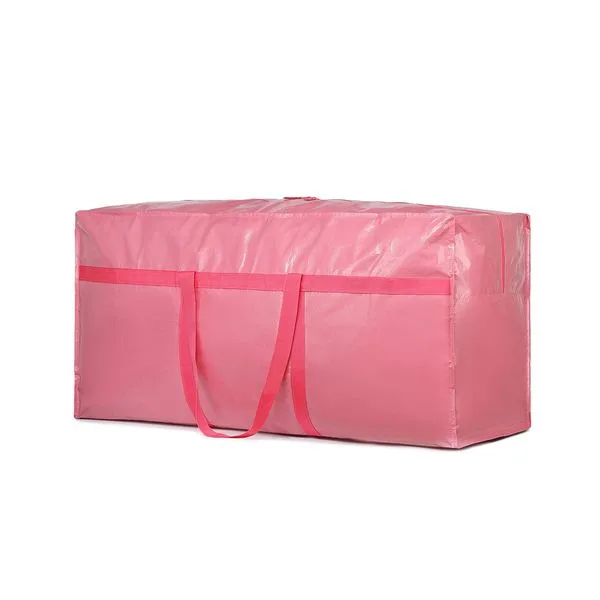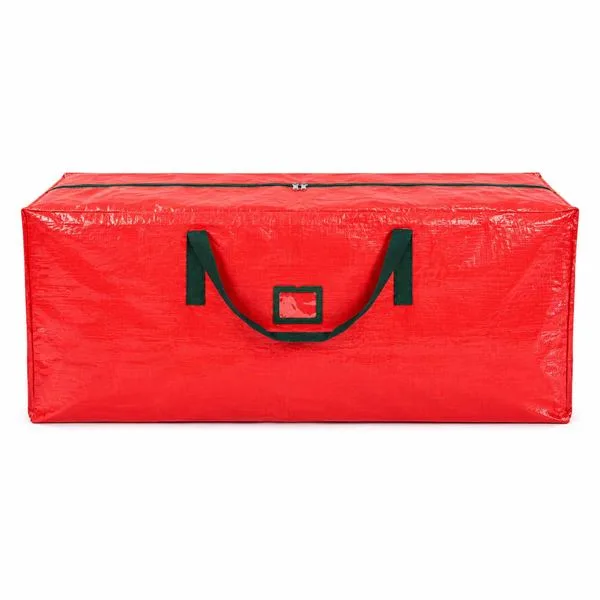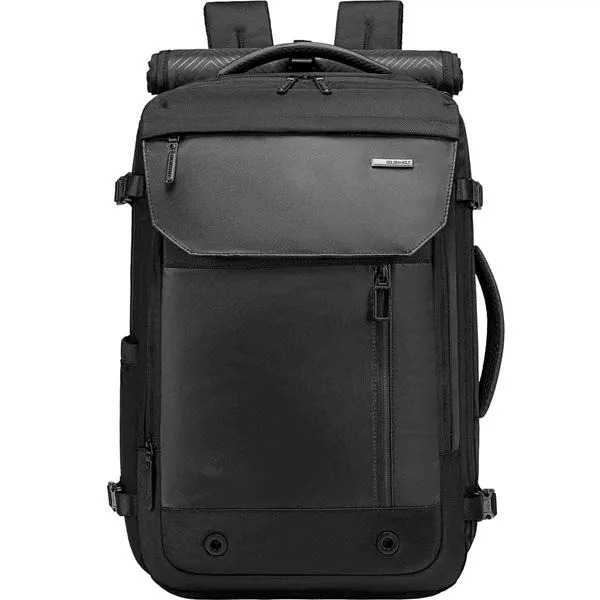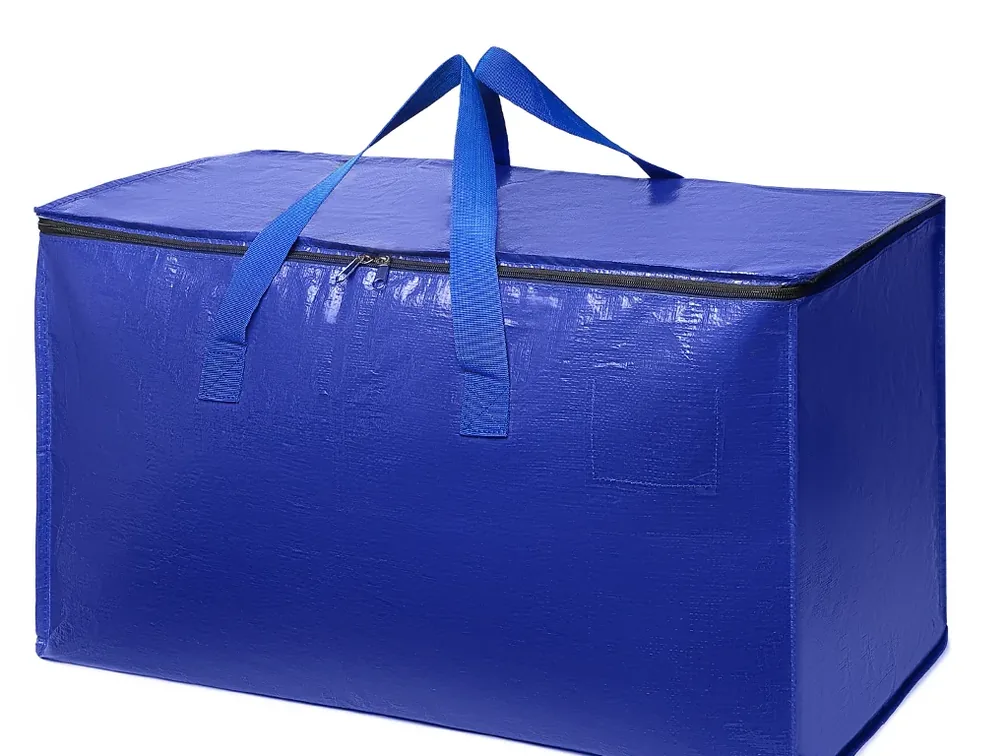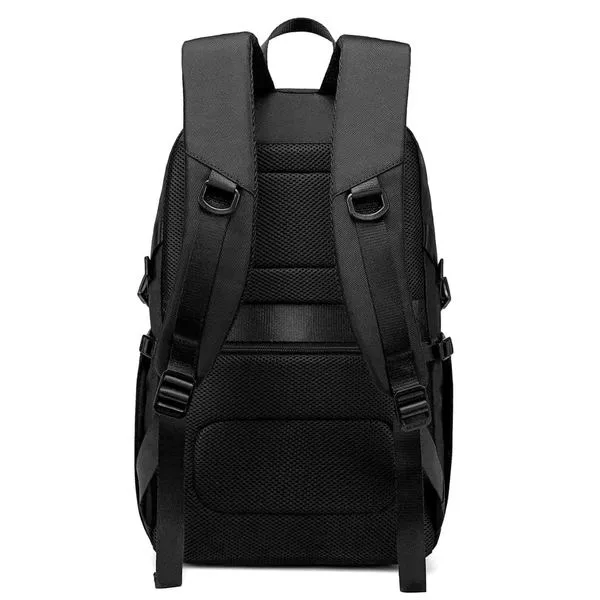

Reorganised from the archived gift set design article, with product spec notes on totes, drawstring pouches and carton packing.
The sample meeting had run forty minutes when the buyer pushed the test report across the table. It passed every line. Then she asked the room who could confirm the bag still carried its shape after the customer had used it for a month. Nobody answered, and the meeting turned into a list of questions she had not planned to ask.
That moment is common in gift set development. A buyer arrives with a bag, a box and a launch date, then discovers the decisions that matter are not the ones on the spec sheet. The five questions below are the ones that surfaced in that room, in roughly the order they were asked.
The Question That Started the Sample Meeting

Her first question was simple: what is this set for? Not what it contains, but what job it does after the customer takes it home. A gift set can be a thank you, a retail upsell, a trade show giveaway or a subscription welcome pack. Each one puts different pressure on the bag.
Awareness giveaways reward foldable bags because they are light, low cost and fit into mailers. VIP retention rewards insulated bags with foil linings, which read as care and quality. Trade events reward large totes that turn into walking billboards in an exhibition hall. The bag choice follows the campaign goal, not the other way round.
The buyer in that meeting had been choosing between a tote and a foldable without naming the goal. Once she wrote the goal on the whiteboard, the shortlist collapsed to one option in under a minute. That is the value of the first question: it removes choices rather than adding them.
Which Bag Carries the Set, and What Is It For?
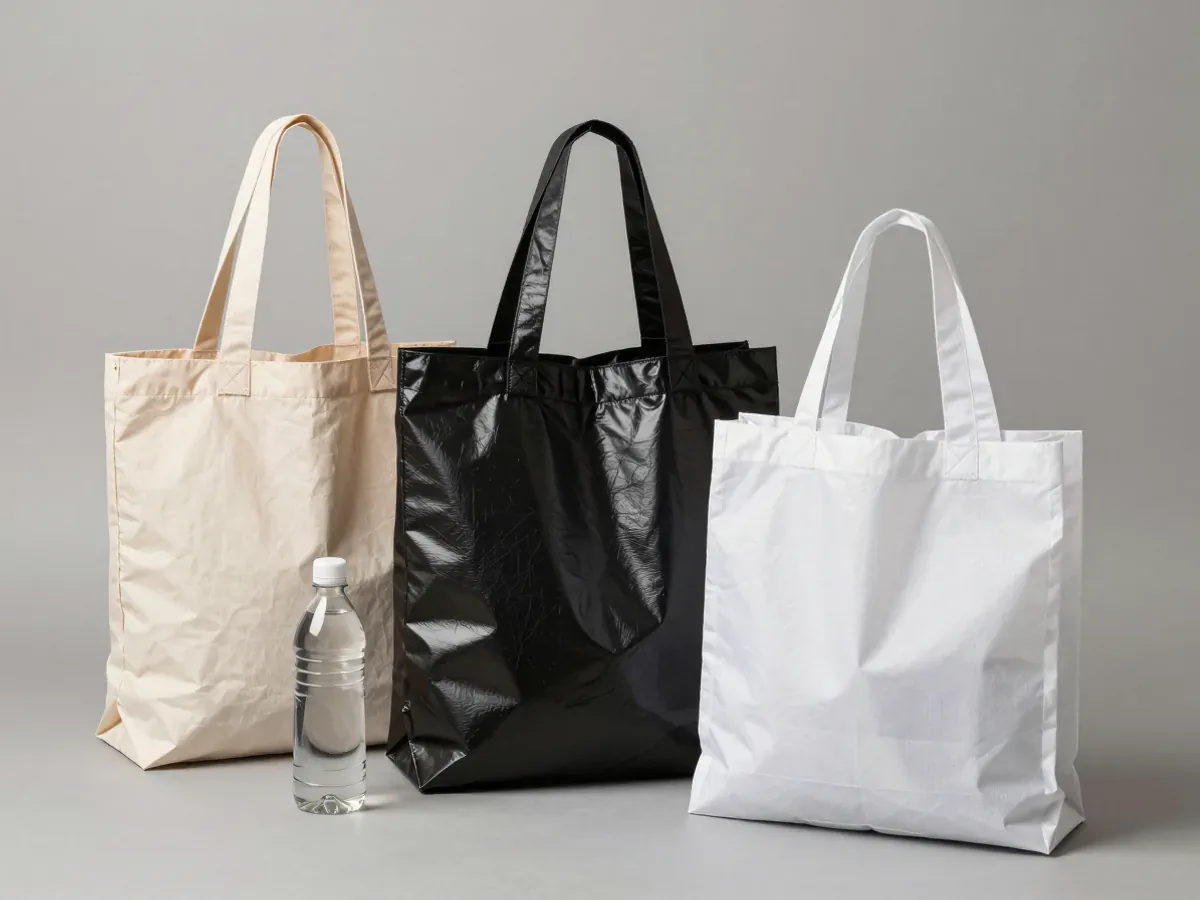
Tote bags, foldable bags and insulated bags each serve distinct purposes and branding opportunities. The mistake is treating them as interchangeable carriers of the same logo. A tote that looks generous on a shelf may be too bulky for a mailer, and a foldable that ships cheaply may feel thin in a VIP context.
Material sits inside this decision. RPET offers a glossy finish and high print clarity at medium cost. Cotton gives a premium feel and natural texture at high cost. Non woven polypropylene is the least eco of the three, with a rough texture and low price, which suits mass giveaways under budget. None of these is wrong; each is wrong for some campaigns.
A practical test is to lay the bag next to the item it will carry. If the set includes a bottle, the bag needs a base that holds weight without sagging. If it includes a folded garment, the bag needs enough depth to avoid creasing. Buyers who skip this test often approve a sample that photographs well and carries badly.
How Do You Prove the Material Claim Instead of Just Printing It?
The second question in the meeting was about proof. A bag can say recycled on the print without any document behind the word. Buyers who print the claim before checking the paperwork create a risk that surfaces at customs or in a customer complaint, not at the sample stage.
Recycled content is certified through GRS, social compliance through BSCI, and child safety through CPC where the market requires it. Export destinations differ, so the certificate list should be built from the destination, not from a generic template. Missing compliance can derail a shipment and damage brand trust at the same time.
The verification step is unglamorous. Ask for sample tag proofs directly from production, not from a design file. Ask which certificate covers which material in the set, because a gift set often mixes substrates and one certificate rarely covers all of them. A buyer who collects these documents before tooling starts avoids the scramble that follows a customs flag.
What Makes the Outer Packaging Worth Keeping?

A great bag is wasted if the outer packaging is dull or mismatched. The box is the first thing the customer touches, and it decides whether the set feels like a gift or like a shipment. Custom boxes, print design, windows and inserts carry most of the unboxing experience.
Custom printed exteriors should use brand colors, a tagline and a clear logo, applied with restraint. A transparent window builds curiosity and shows value, with PET or cellulose as the usual choices. Internal inserts in molded cardboard, foam or kraft paper keep items secure and styled, and they also control how the set sits when the lid opens.
One set that worked well used a matte box with a subtle micro emboss logo, an insert color matched to the bag and a small thank you card. Nothing in it was expensive. The restraint made it feel personal and shareable, which is the outcome most buyers are actually buying when they commission packaging.
Which Extras Belong in the Set, and Which Dilute It?

Adding random freebies dilutes impact. That sentence ended a long debate in the meeting about whether to include a notebook, a bottle and a towel in the same box. Each item was fine on its own. Together they told no story.
Extras should match campaign messaging and audience habits. Fitness shoppers respond to towels and water bottles. Grocery shoppers respond to foldable bags and discount flyers. Event attendees respond to badge holders, pens and note pads. The item list should read like a sentence about the customer, not a list of available merchandise.
A restaurant chain built a set around an insulated bag with a foil lining, a magnet with a QR menu, and matching colors and slogan. It looked like retail packaging for reusable items rather than a promotional bundle. The lesson is that one well chosen extra outperforms three generic ones, because the customer can explain why each item is there.
What Paperwork Has to Be Ready Before the Cartons Seal?
Compliance is the question buyers ask last and should ask first. Certificates take time to issue, and a factory cannot seal cartons around documents that do not exist yet. The practical sequence is to list the destination markets, map each material to its required certificate, and request copies before production begins.
Faking works against long term brand trust, and it also fails at the border. One client avoided losing an Amazon launch because the missing tests were caught during document review rather than at customs. The cost of that review was a few emails. The cost of the alternative was a stranded container.
Buyers should also confirm who holds each document and whether it covers the specific material in this order. A certificate for one fabric does not transfer to another, and a gift set usually contains several. The paperwork check belongs on the same timeline as the sample approval, not after it.
The Question the Buyer Had Not Asked Yet

Near the end of the meeting, the buyer asked something nobody had raised: what happens to the set after the gift is opened? The bag goes into a cupboard, the box goes into recycling, and the extras either earn a place in daily life or get thrown away within a week. That afterlife decides whether the set builds brand memory or just consumes budget.
The design response is to align every element with the brand theme and keep the color palette and messaging unified. A set that looks like one object, rather than five objects from five suppliers, survives the trip home and gets reused. Reuse is the only part of a gift set that keeps working after the launch date.
For the buyer in that room, the answer changed the brief. She dropped one extra, upgraded the insert and moved the compliance review two weeks earlier. None of those changes raised the unit cost. They raised the chance that the set would still be in use when the next campaign shipped.
FAQ
Should the gift set use one bag type or mix several?
One bag type usually carries the story better. Mixing types makes sense when the set serves two distinct audiences or when a foldable is included as a secondary item inside a tote.
Can a foldable bag feel premium enough for a VIP set?
It can, if the material and print quality carry the weight. A foldable in a thin non woven fabric reads as a giveaway, while a denser substrate with clean print reads as a deliberate choice.
How early should compliance documents be requested?
Before sampling, not after approval. Certificate issuance takes time, and the document list depends on the destination market, so it belongs at the start of the timeline rather than the end.