
A GRS claim is proved by 2 documents read together: a scope certificate that names the certified site and its processes, and a transaction certificate that ties one shipment to that site. The label percentage has to sit inside the certified content, and the supplier's own certificate is what closes the chain.
The detail behind Grs chain of custody is the place to start:
One recycled content claim on a bag label is worth more than a page of marketing copy, and the proof is a document set rather than a sentence.
The same question keeps coming up from buyers launching a recycled range: which document proves what, and when should it arrive. A supplier can print 100 percent recycled on a bag and ship a shell made mostly from virgin resin, and the buyer finds out when a customer asks for the paperwork.
What the certificate pair proves
The chain runs from the recycling facility through spinning, weaving, dyeing, cutting and sewing to final assembly, and each certified site has to show records that the recycled input it bought matches the recycled output it sold. That record trail is the whole point: without it, the bag carries a word and nothing behind the word.
| Document | What it names | What it proves |
|---|---|---|
| Scope certificate | company, facility, certification body, standard version, validity | the site may run the processes it claims |
| Transaction certificate | buyer, seller, product, quantity, recycled percentage, both scope numbers | this shipment moved between 2 certified sites |
| Supplier transaction certificate | the yarn or fabric supplier of the factory | the recycled input came from a certified chain |
The accounting behind those papers is mass balance. A factory can mix recycled and virgin resin in one production period, as long as the recycled input across the period equals or exceeds the recycled output it sells. Read the scope certificate as a passport and the transaction certificate as a visa: one says the traveler may cross a border, the other proves this trip happened.
How to check a certificate set
- Read the process list first. A scope certificate that names trading but not sewing does not cover the step that makes your bag, and a screenshot proves nothing, so ask for the PDF that carries a number a certification body can check.
- Check the standard version on the certificate. The standard owner revises the text over time, and a certificate citing a superseded version may not reflect the requirements a current site review works to.
- Read the transaction certificate against the purchase order. The product description must match your item, not a similar bag with a different closure, and the quantity has to be at least your order quantity, because one document for 10,000 bags cannot cover a shipment of 30,000.
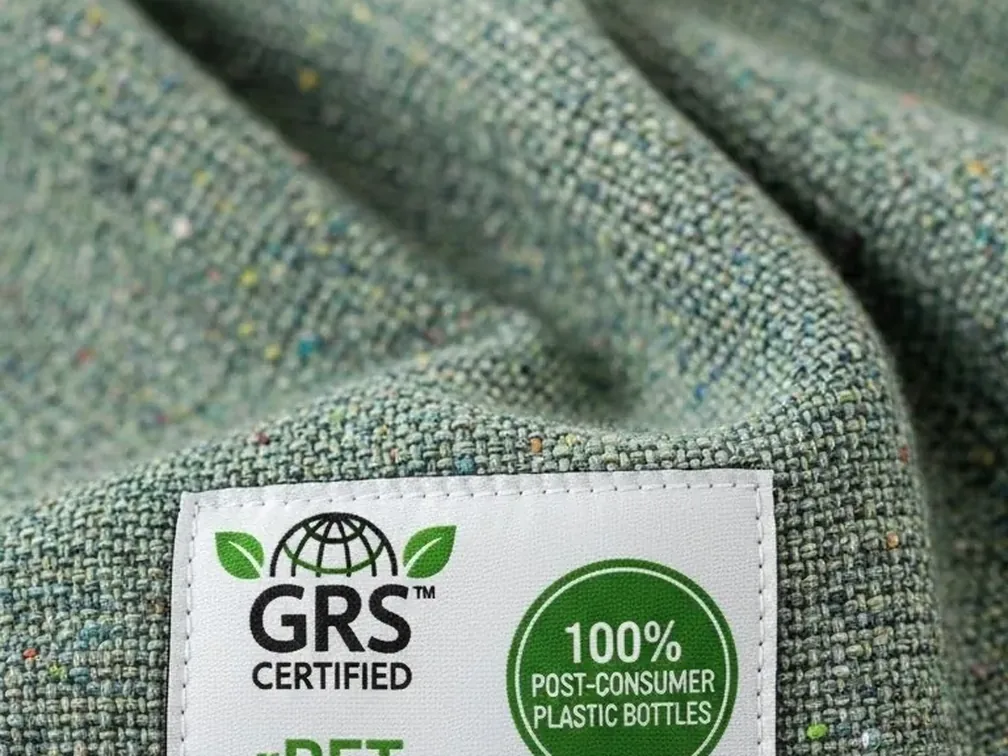
- Read the percentage in both places. A product needs at least 20 percent recycled content to be certified at all, and at least 50 percent to carry the visible logo claim, which is why a label and a certificate can disagree. If the label reaches higher than the certificate, the claim exceeds the document and the product is mislabeled.
- Ask for the transaction certificate before you approve the invoice. After dispatch a missing document turns into a sourcing problem rather than a paperwork problem.
The last step is the one buyers skip: ask the factory for the scope and transaction certificates of its yarn or fabric supplier, not only its own papers, because the chain is the product you are paying for.
Where the chain breaks
Five flags repeat on bag orders: a scope certificate with no transaction certificate for your shipment, a certificate in a different company name than the invoice, a number that cannot be verified, a product description that says only bags, and a claim on a website backed by a certificate that expired last year.
Suspension is the flag few buyers ask about. A facility that fails its annual site review or its mass balance check can lose its certificate, and material produced while it is suspended does not qualify for transaction certificates, so the certificate date and the date of the last site visit are worth asking for separately.
Over-selling is the hardest to see from paper. A factory that buys 10 tons of recycled resin and sells 40 tons of recycled bags is running a negative balance, and only the certifier's records expose it, which is why the supplier's own transaction certificates matter more than a logo.
Questions buyers ask before a recycled run
What documents prove a recycled claim on a bag?
A scope certificate proves the facility is certified for specific processes, and a transaction certificate proves a specific shipment of recycled product changed hands between 2 certified parties. Buyers need both, plus the supplier certificate for the raw material.
How do the two certificates differ?
The scope certificate covers the facility and its processes for a period, usually a year. The transaction certificate covers one shipment, naming buyer, seller, product, quantity and recycled content percentage.
How much recycled content does a bag need?
The entry point is 20 percent recycled content for certification, while a visible logo claim needs 50 percent, so a bag at 30 percent can be certified and still cannot wear the logo. Read that figure on the invoice, the transaction certificate and the label at once.
What does mass balance mean in practice?
Recycled and virgin resin may share one production period, provided the recycled input for that period covers the recycled output sold. The buyer sees the result in the transaction certificate, and the balance itself is settled at the annual site review.

What to write into the spec
Put the document check in the RFQ stage, not the shipment stage, and write the claim into the purchase order with the required percentage, the standard version and the 3 documents that travel with the goods. A supplier who can answer at quotation treats certification as a process; a supplier who promises papers after the deposit is running on hope.
On our side the recycled shell is woven from recycled bottles on the same construction as the standard bag, and it is offered for sustainability programs. The material range runs PE, PP woven, non-woven, polyester, nylon, canvas, jute and recycled PET.
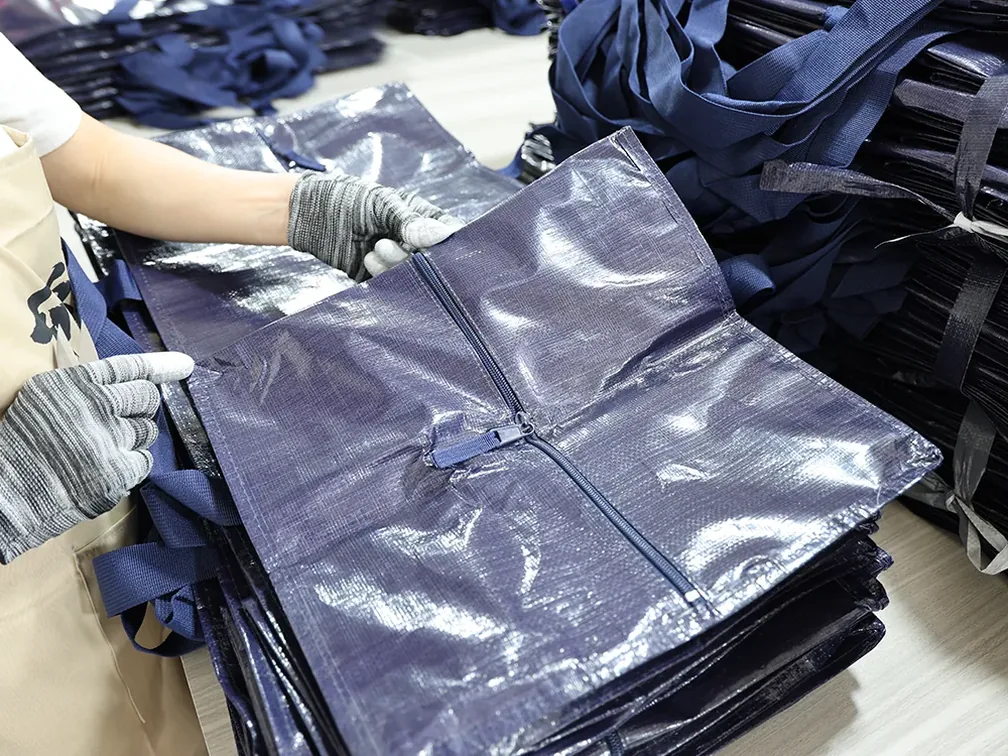
The sample round answers grs chain of custody: the seam, the handle join and the label are read on a sample before the batch. Traceability starts at the material gate: incoming fabric, webbing, zips and thread are checked against the approved spec, and every order passes 4 checkpoints before it ships.
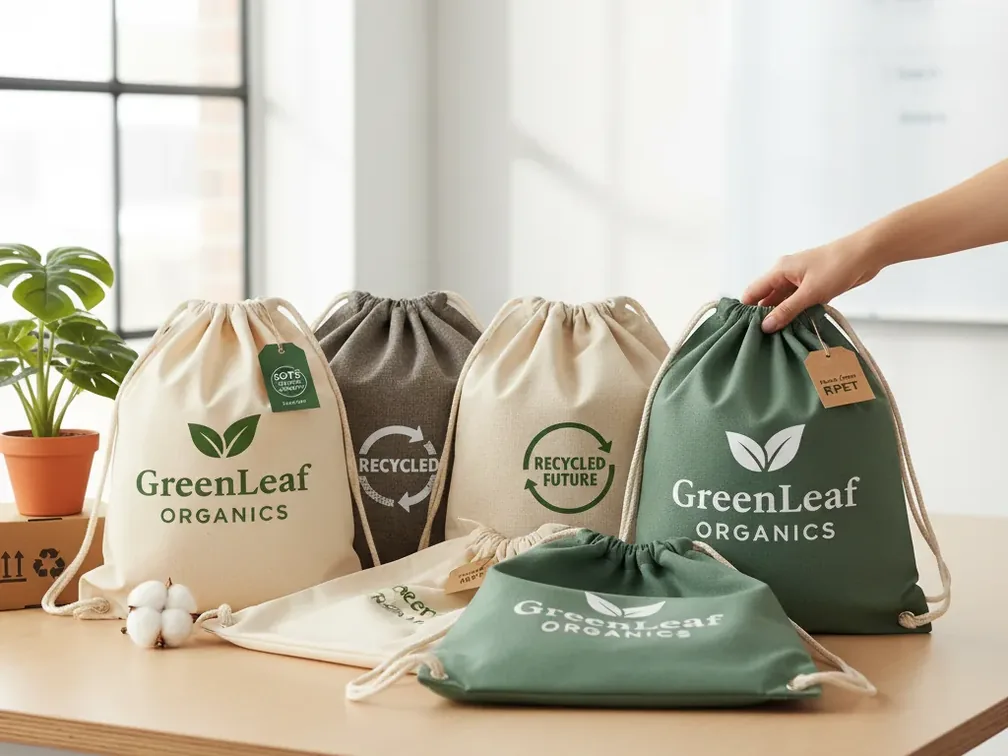
The label itself is part of the proof. Printing is proofed before the run and a sample is made to the same spec as bulk, branding runs screen print, heat transfer, woven label or embroidered label, and a recycled PET bag from our library carries the same recycled shell the documents describe.
How to keep the claim valid after delivery
- Diarise a re-verification date every 12 months, pull the current scope certificate and the latest transaction certificate, and confirm the number with the certification body once a year.
- Keep the scope certificate, the transaction certificate and the supplier certificate in the same folder as the test reports, because a retail compliance team will ask for the same chain of evidence you asked the factory for.
- Check the label artwork against the certificate percentage before the run, not after the cartons are printed.
A recycled claim printed on a bag is a marketing claim in law, and the federal guide takes a dim view of a claim with nothing behind it. 16 CFR 260.4 sets out what a recycled materials claim needs to stand up, starting with a statement that is clear and prominent on the bag.
A claim, such as “Eco-friendly: made with recycled materials,” would not be deceptive if: (1) The statement “made with recycled materials” is clear and prominent; (2) the marketer can substantiate that the entire product or package, excluding minor, incidental components, is made from recycled material Cornell Law School, Legal Information Institute (16 CFR 260.4, FTC Green Guides)
What counts as recycled content is defined too, and 16 CFR 260.13 sets out why a claim about factory scrap is not the same as a claim about material diverted from the waste stream. That distinction is exactly what the transaction certificate records.
If the recycled shell is the next question, what an rPET bag is covers the material, custom jute bags covers the natural fibre case, and canvas shopping bags covers how weight and weave carry a load.