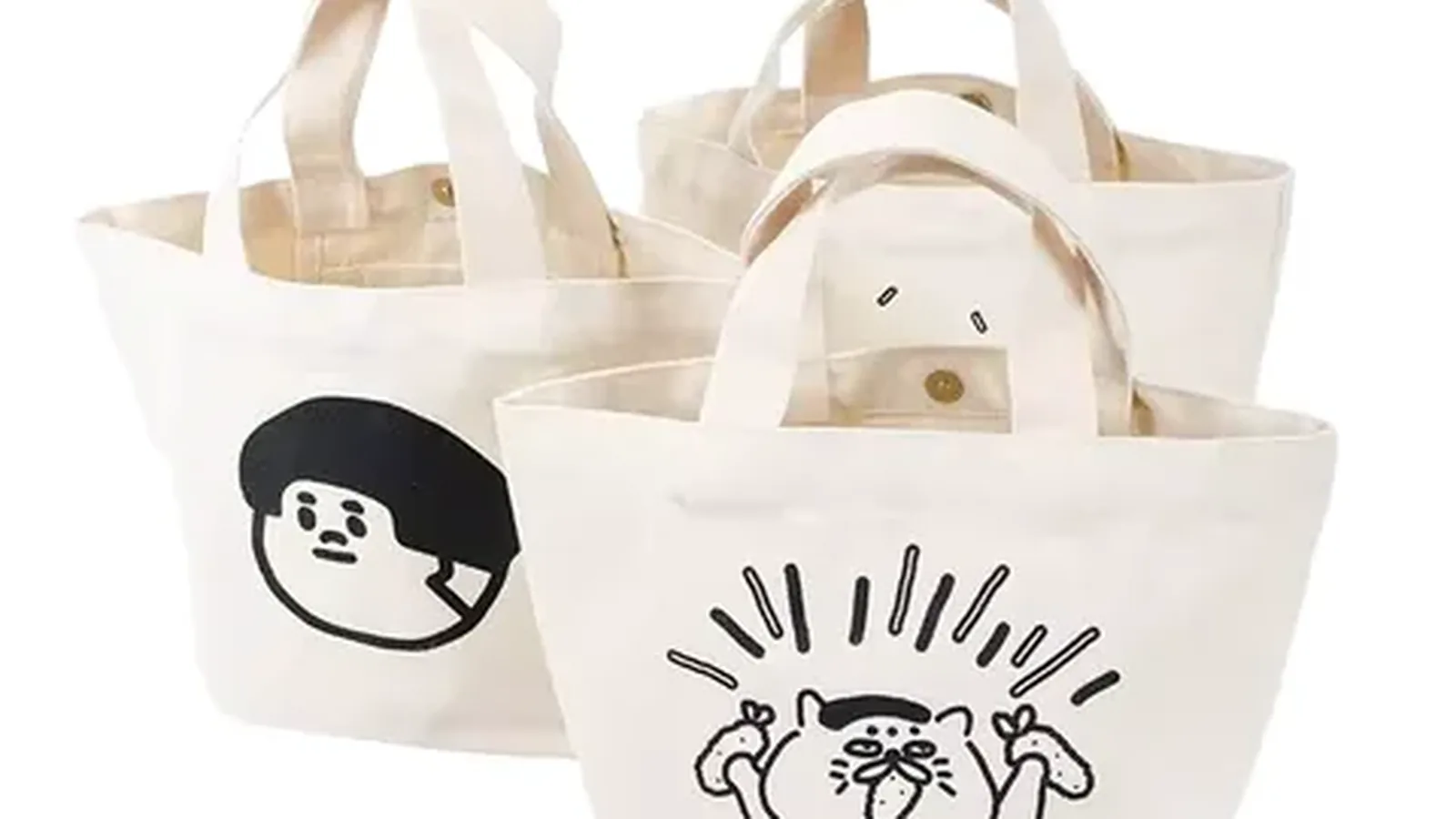
Drawn from a legacy event bag article and the product records behind it, rebuilt around a single purchase order.
Three fabric swatches sat on the sample table for a week before anyone noticed that two of them weighed differently. The buyer had already sent a purchase order with a single line for "cotton canvas, natural" and a note that the bags were for a September wedding. That one line was the reason the swatches were on the table at all.
A spec sheet for event bags is not a form to fill in. It is a set of decisions that a factory will read literally, in the order written, and turn into cutting, printing and sewing instructions. Each row carries a different kind of risk. Some rows are cheap to get wrong. A few are expensive.
The First Line: Bag Style and Why It Sets Everything Else
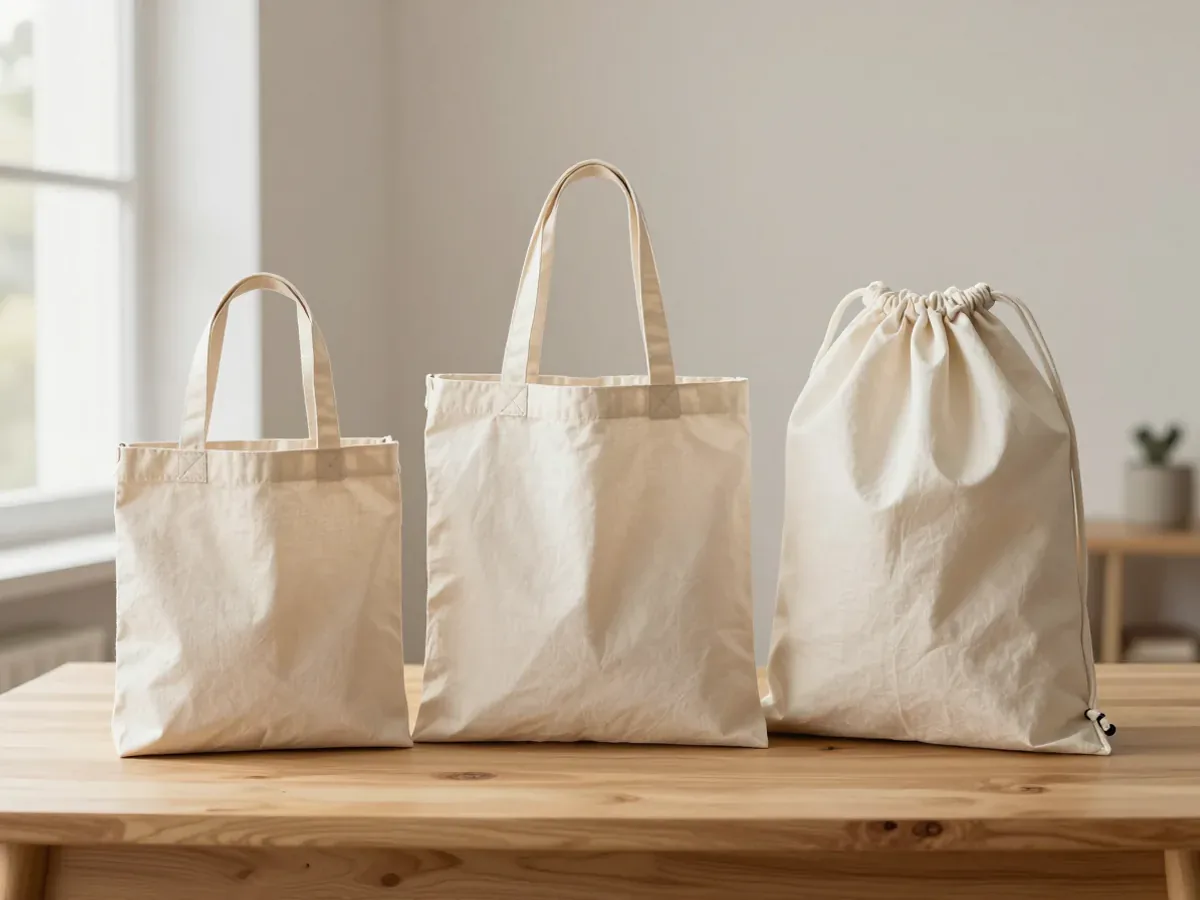
The style row looks like the easiest line on the sheet, and it decides more than any other. Write the construction, not the mood. "Tote" alone is not a specification. "Mini canvas tote, flat handle, open top" tells the sample room which pattern to pull.
The old order in this case said "shopping bag" and the factory could have quoted a medium handle bag, a drawstring RPET bag or a mini tote. Those three are not interchangeable. A mini tote at 7.9 × 7.9 × 3.9 in holds candy, keychains and mini cosmetics. A medium handle bag at 11.8 × 9.8 × 4.7 in takes candles, small journals or snacks. A drawstring RPET bag at 13.8 × 15.7 in suits T-shirts, toys or a beach wedding.
How you verify the row: name the style and the handle type together, then ask for a sample in that exact construction before the artwork stage. If the style line is vague, every later row inherits the vagueness. The size, the print area and the personalization method all shift when the style shifts.
The Size Row That Decides Whether Favors Fit
Sizes on event bag sheets are usually written as three numbers, and the third one is the one people forget. Length, height and depth. Drop the depth and you get a bag that looks right in a photo and cannot hold a boxed candle.
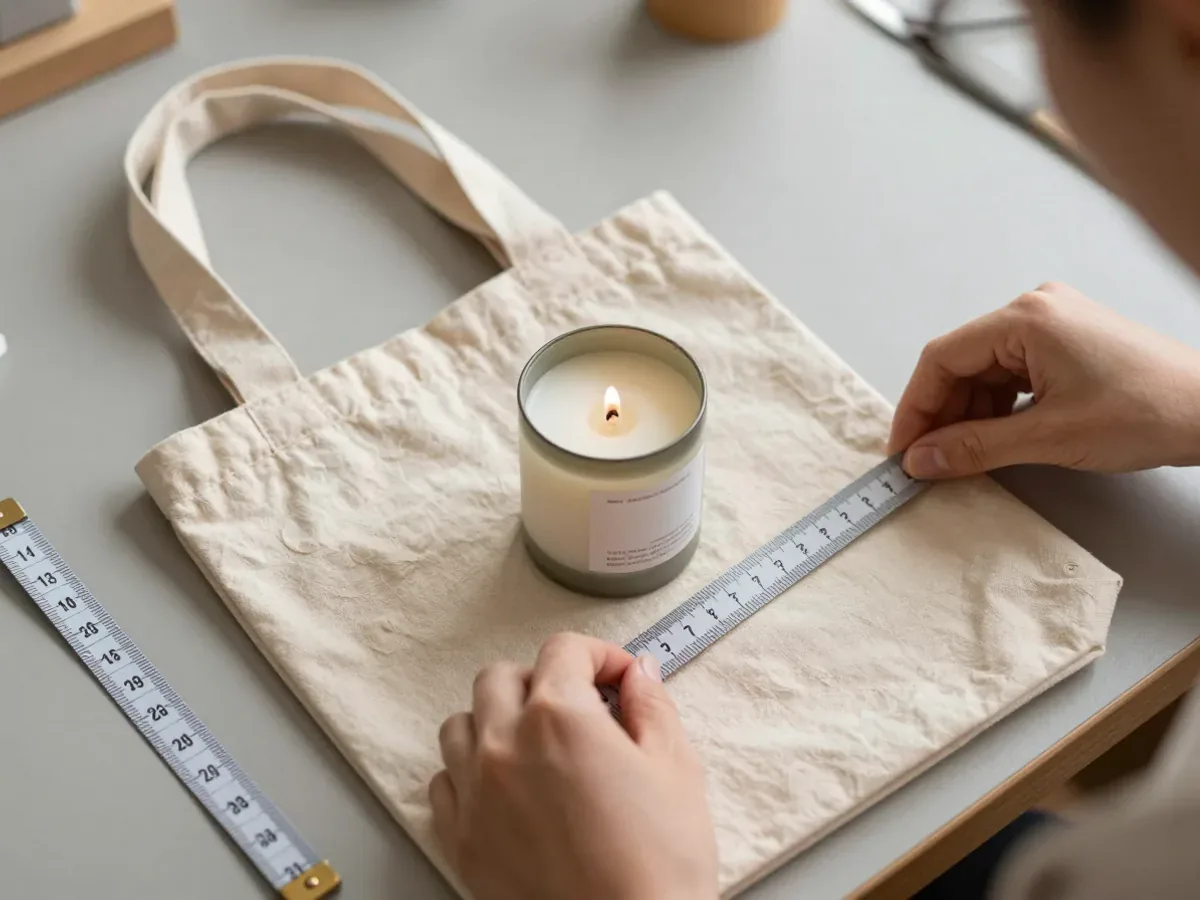
Write the size in centimetres and add the intended contents in plain words next to it. "11.8 × 9.8 × 4.7 in, for a 200 g candle in a box" is a row a factory can check against a real object. A bare number is a row someone will interpret.
The verification step is physical. Put the actual favor on the table and measure it, then add a few millimetres for wrapping. A bag that fits the gift with no clearance will look strained at the event, and guests notice strain more than they notice design.
Depth also changes the print area. A gusseted bag gives you a side panel to print on. A flat bag does not. If the design assumes a side print and the size row describes a flat construction, the artwork has nowhere to go.
Material and Certification Lines Buyers Copy From Old Orders
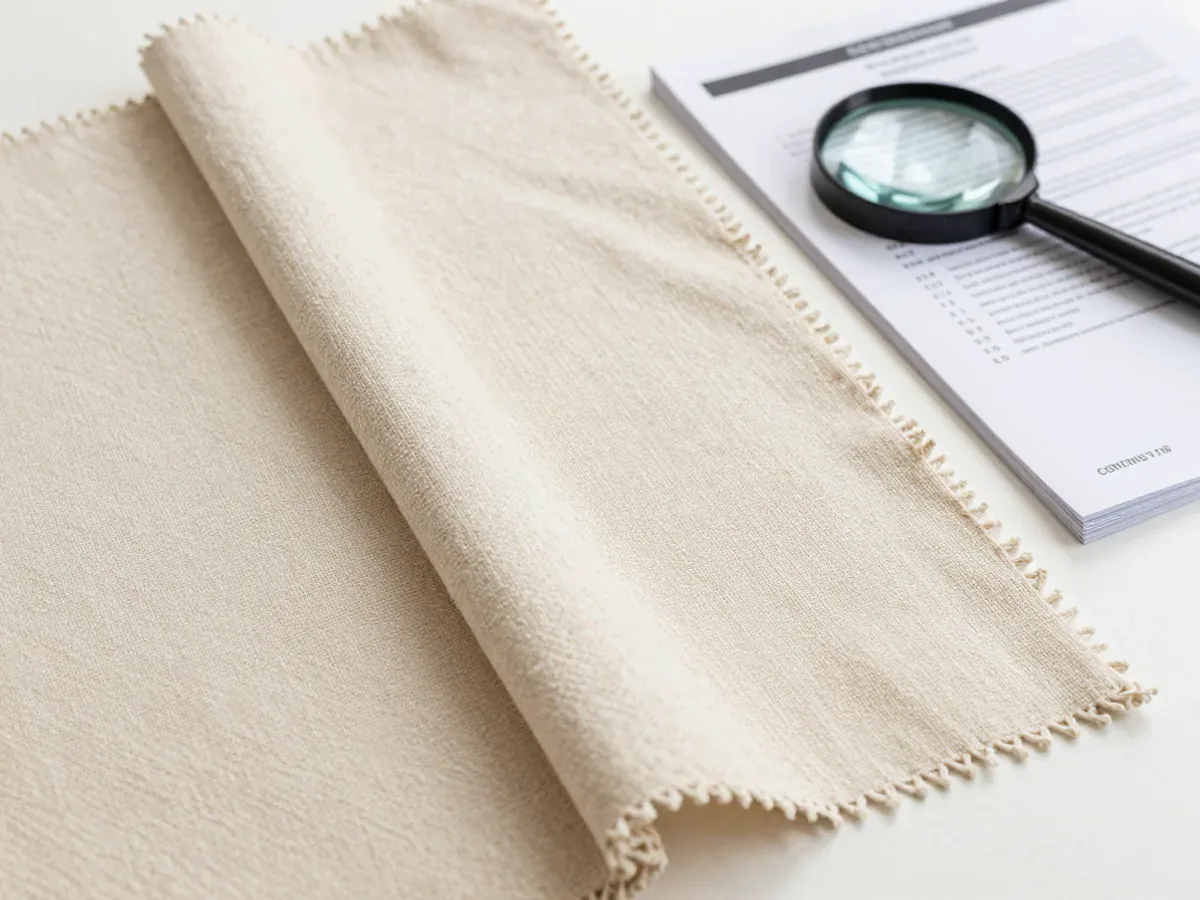
Material rows get copied from previous orders more than any other line, and that is where they go wrong. The swatches on the table were all labelled canvas. One was a certified canvas, one was a heavier cotton, one was a canvas blend with a different hand feel.
Write the material with the certification attached in the same cell, not in a footnote. Event bags in this range can be made in RPET, certified canvas and recycled non-woven. Certifications such as GRS, OEKO-TEX or FSC belong on the material row because they travel with the fibre, not with the finished bag.
Verification is a document check plus a hand check. Ask for the certificate reference that matches the material named in the row, and ask for a swatch of that same material. A certificate for a fibre the factory is not using on your order proves nothing about your bags.
Inks and adhesives sit on this row too. For global compliance, including FDA-safe inks and non-toxic adhesives, the production needs to meet EU and US standards. If the event is a wedding with food favors, that line matters more than the fabric weight.
The Personalization Line: Names, Dates, and Monograms
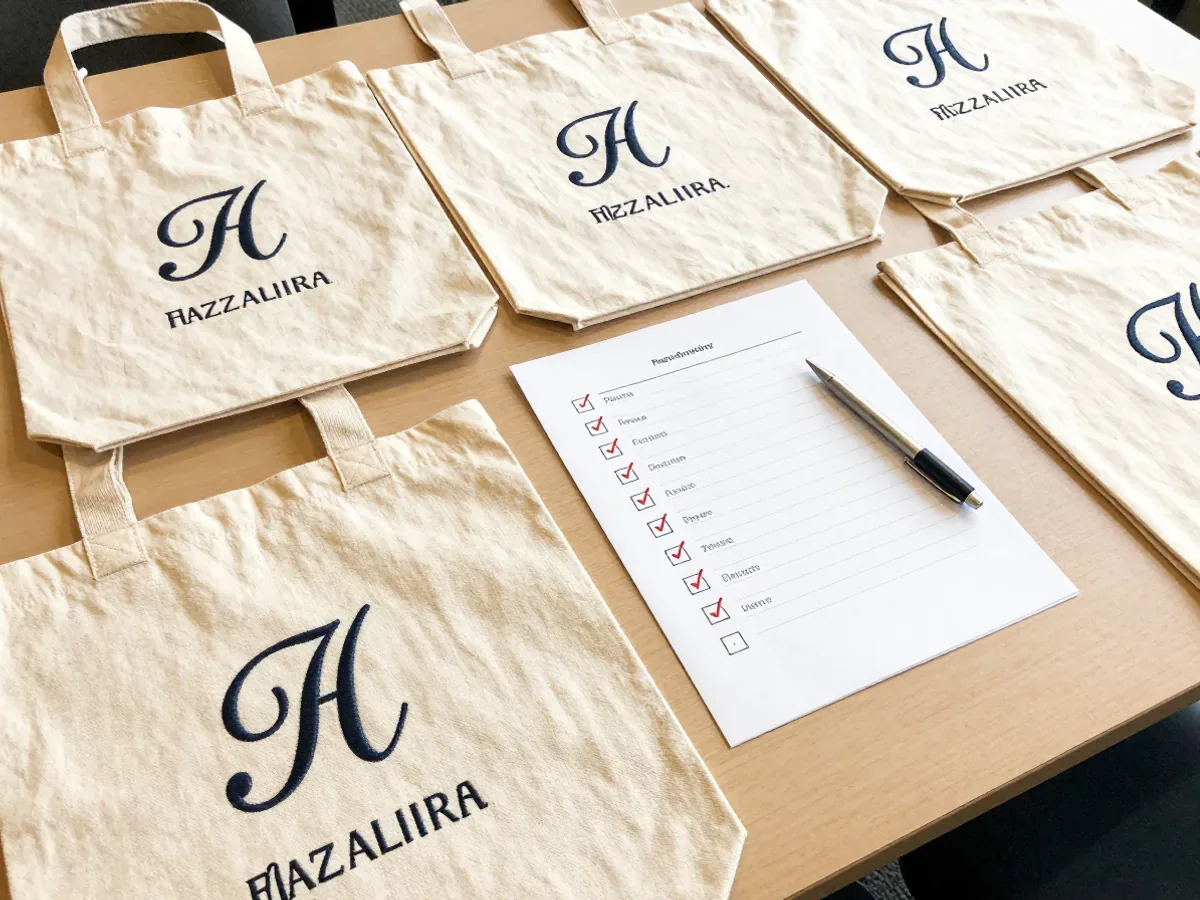
This is the row that turns a bag order into a data project. Guest names can be printed, heat transferred or heat pressed. Event dates usually go into the design as a keepsake detail. Short messages, thank-you notes or quotes can ride along with the name.
Write the personalization row as a list format, not a sentence. State the field order, the character limit, the font, the placement and the case. A monogram canvas tote with black trim reads differently from a two-tone cotton tote with printed or embroidered initials, and the row should say which one you are ordering.
Verification happens on a name list proof, not on a single sample. Ask for the full list rendered in the final layout, then read it aloud against the RSVP sheet. Duplicate names, apostrophes and hyphenated surnames are where personalization errors live.
Volume flexibility belongs here as well. Personalization changes how the order is batched, so the row should note whether every bag carries a different name or whether the names are grouped. That single note changes the production plan more than the font choice does.
Print Method and Color Matching on the Same Sheet
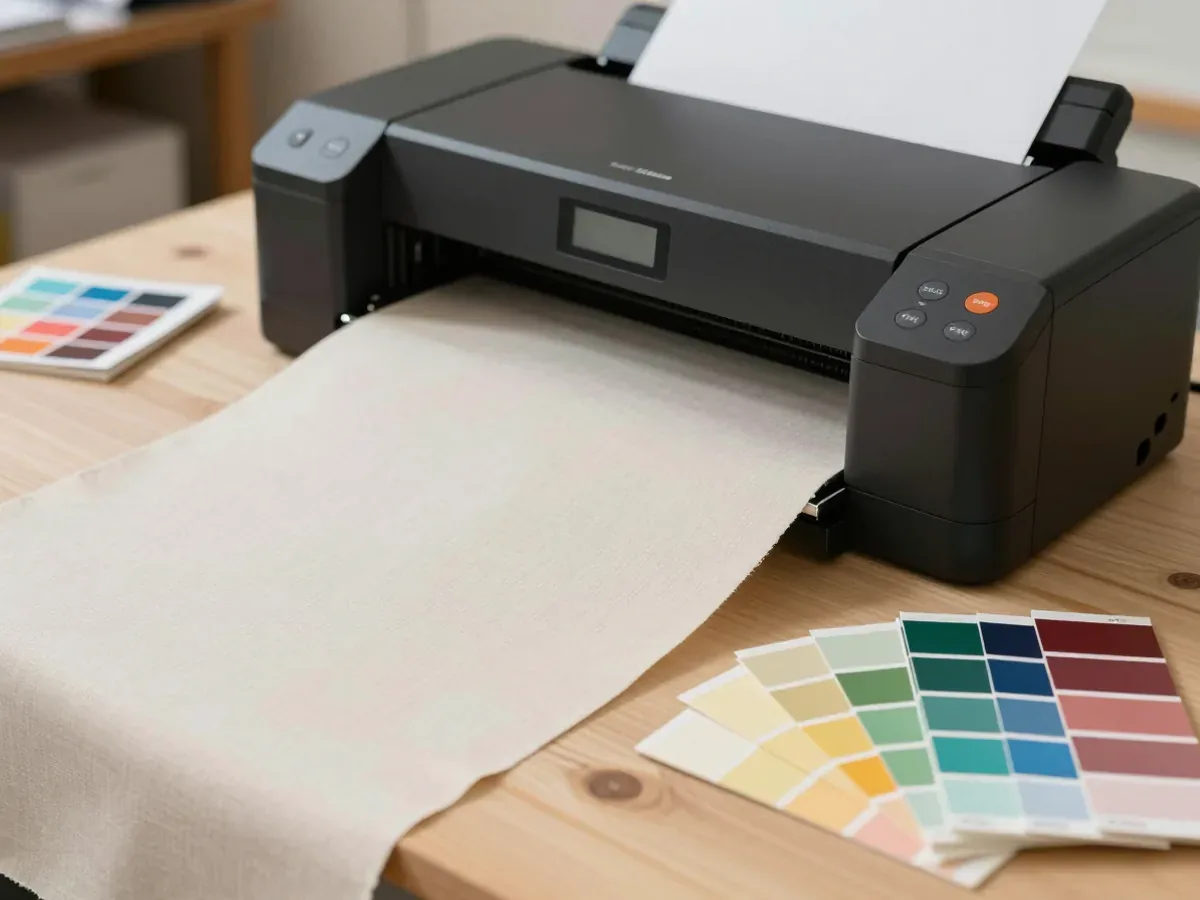
Print method and colour matching are two decisions that get written as one line and should not be. The method decides the look. The colour reference decides whether the look matches the wedding palette.
Available methods for this kind of work include digital printing onto canvas, screen printing, heat transfer and embroidery for initials. A digital printer lays artwork onto canvas at high resolution, which suits detailed motifs and photo elements. Screen printing suits flat colours and larger runs. Heat transfer handles small variable data well.
Colour matching is a separate row. Write the Pantone reference for each colour in the design, and note which element it applies to. A wedding palette with three colours needs three references, plus a note on the base fabric colour, because ink on natural canvas reads warmer than ink on bleached canvas.
The verification step is a printed strike-off on the actual fabric, not a colour chip on screen. Approve the strike-off under daylight and under the venue's likely lighting. A complimentary digital mockup is useful for layout, but it cannot confirm ink behaviour on a textured surface.
Quantity, Buffer, and the RSVP Date
The quantity row carries two numbers and a date. The guest count, the buffer, and the day the count is locked. Writing only the guest count leaves the buffer to whoever places the order, and that is how a wedding runs short by a table.
For events under 100 guests, a buffer of 10 to 15 percent covers unexpected attendees and last-minute changes. Personalization raises the stakes on that buffer, because a spare blank bag cannot stand in for a bag with a missing guest's name. Set the final count once RSVPs close, and write that date into the row.
Verification is a simple reconciliation. Compare the final name list, the confirmed guest count and the order quantity in one pass. If the name list is shorter than the quantity, the difference is your blank buffer. If it is longer, the order is short and the production window is already running.
Lead Time and Shipping Mode in the Same Row
Lead time and shipping mode are usually split across two documents, and they belong on one line because they trade against each other. Standard production runs 10 to 15 days, with 5 to 10 days of shipping on top, for roughly three to four weeks in total. Expedited shipping or rushed production can shorten that, at a cost.
Write the event date, the required delivery date at the venue or warehouse, and the shipping mode in the same row. Large orders can move by air, which is faster and costlier, or by sea, which is slower and cheaper. The choice depends on how much date flexibility the event allows.
Verification is a backward calculation from the event date, not forward from the order date. Count back the shipping days, then the production days, then the artwork approval and strike-off days. If the result lands after the event, the row needs a different shipping mode, not a hopeful note.
The Line Most Spec Sheets Leave Blank
The blank line is not a missing field. It is the line nobody writes because it feels like an assumption: who approves what, and when. The artwork approval, the strike-off approval, the name list approval and the final quantity lock are four separate sign-offs, and each one holds up production until it happens.
When that line is missing, the timeline in the previous row is built on approvals that have no owner. A digital mockup sits in an inbox for four days. A strike-off waits for a colour decision. The production days were correct on paper and the order still ships late.
Write the line as a short table inside the spec sheet: approval item, approver name, due date. Four rows is enough. Then verify it at the start of production, not at the end, by confirming each approval has a date against it.
Every order we run passes four quality checkpoints, and the approval line is what makes those checkpoints meaningful. A checkpoint can only compare the bag to an approved reference. If nobody approved the reference, the checkpoint has nothing to measure against.
FAQ
Can each bag carry a different guest name?
Yes. Names can be printed, heat transferred or heat pressed, and each bag can carry its own. The spec sheet should state the list format and the character limit so the data can be batched correctly.
How far ahead of the event should the order be placed?
Work back from the event date. Standard production is 10 to 15 days plus 5 to 10 days of shipping, around three to four weeks in total, and that excludes artwork approval and strike-off time. Add those days before you fix the order date.
Can the bag color match a wedding palette?
Yes. Pantone matching, custom pattern printing and special finishes can align the bags with the event style. Approve a strike-off on the actual fabric, since ink reads differently on natural and bleached canvas.
What is the smallest sensible order for a small party?
The sensible number comes from the guest count plus a buffer. For events under 100 guests, 10 to 15 percent extra covers late additions. With personalization, lock the count after RSVPs close so the buffer and the name list stay in step.