Based on the legacy moving bag article and the product spec sheet behind it.
The carton label said "kitchen, fragile" and the bag underneath it said nothing at all. Two weeks after the move, that unlabelled bag sat in a closet with a split seam and a strap that had pulled loose from the body, and nobody could remember what was inside it.
That scene repeats in a lot of homes. A bag gets bought for one trip, loaded until the zip strains, dragged by a single handle onto a van, and then retired the moment the last box is unpacked. The bag did its job, so the thinking goes, and anything beyond that is a bonus. The trouble is that this habit quietly turns a reusable product into a disposable one, and the buyer never finds out until the second move, when there is nothing left to reuse.
The habit that retires a bag on moving day

Most households treat a moving bag as a container with a deadline. It has to hold bedding, books or pots for one afternoon, survive a van ride, and then it can go wherever old boxes go. The bag is judged on the move alone, not on the years of storage that follow.
That framing feels efficient. Nobody wants to spend an evening reading about webbing when there are forty boxes to fill. Packing speed wins, and the bag becomes a tool rather than a piece of equipment. The decision about quality gets made in the shop, in about ten seconds, by squeezing the fabric and checking the price.
The habit is reinforced by the way bags are sold. A moving bag on a shelf looks like a sack with handles, and a sack with handles looks like something that either holds or does not. There is no obvious signal that one bag will still be useful in three years and another will be landfill by October.
Why a bag that only has to survive one trip looks like a good buy
A single trip is a low bar, and low bars are cheap to clear. A thin shell, a short strap and a basic zip can all survive one loaded afternoon if the load is reasonable and the van is not far. On the day of the move, the cheap bag and the good bag behave almost identically.
Price comparison makes the gap look even wider than it is. Cardboard is cheaper upfront, and the cheapest moving bag undercuts the better one by a margin that is easy to see. The savings from a bag that lasts for years are spread out and invisible, while the extra cost is right there on the tag.
There is also a labelling problem. A carton carries its own information: size, contents, a fragile warning, a room name written in marker. A bag without a label pocket or a printed card is just a shape, and an unlabelled shape gets opened at random, re-packed badly, and stuffed into a corner where it splits.
Where the cheap version fails once the boxes are unpacked
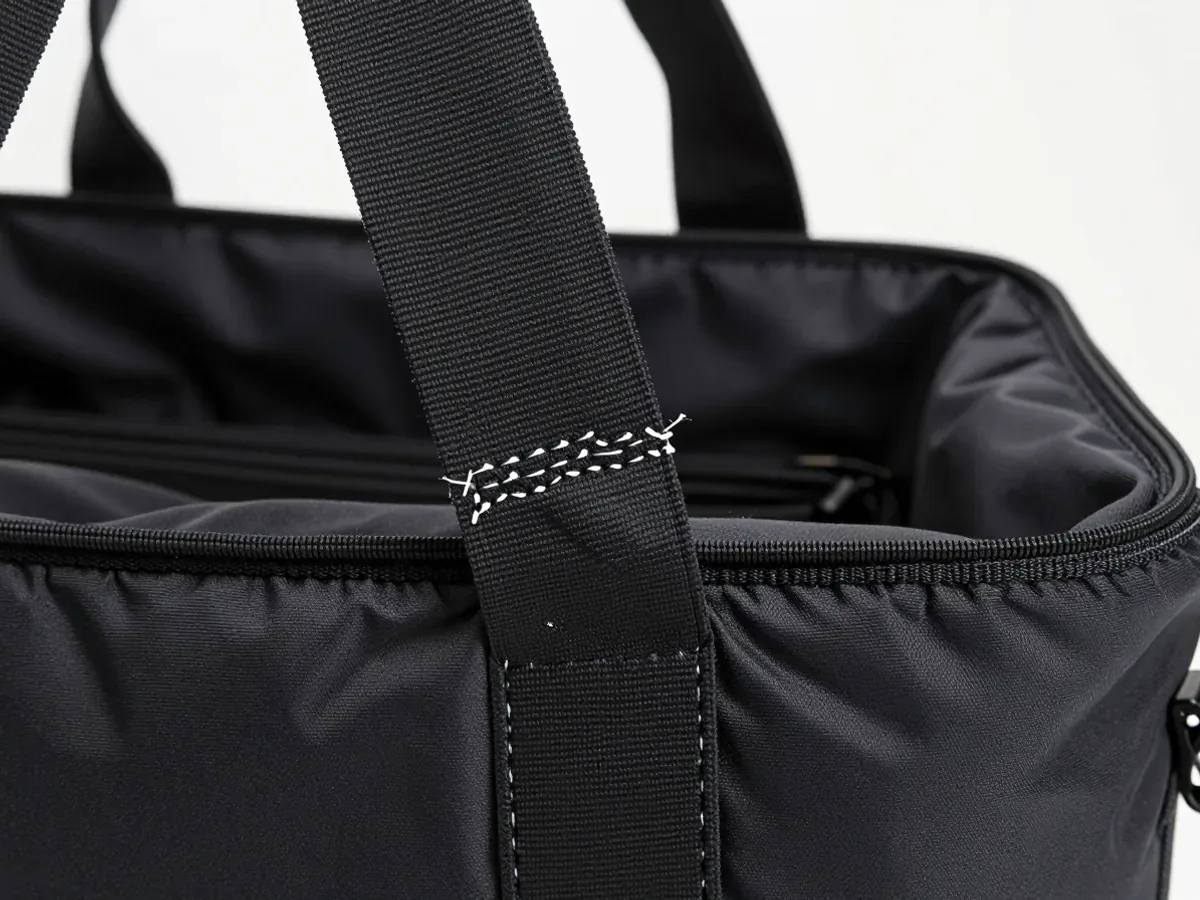
The failures show up after the move, in the closet and the spare room, when the bag is asked to do storage work instead of transport work. That is a different job with different stresses. A bag that sat still in a van for an hour now gets stacked, shifted, opened and closed for months.
The first thing to go is usually the strap attachment. A handle that is only stitched across the top of the bag takes the entire load through a small patch of thread. Lift a full bag by one handle and the fabric around the stitching starts to give. The webbing on a better bag runs the full length of the body rather than stopping at the handles, so the load spreads down the sides.
The second failure is the opening. A single-pull zip on a full bag has to be dragged from one end to the other under tension, and the slider takes the strain every time. A zip with two pulls closes from either end, which means the bag can be shut without fighting the contents.
The third is shape. A soft bag with no structure collapses into a puddle once it is half empty, and a collapsed bag cannot be stacked. It ends up on the floor of a closet with things piled on top of it, and the shell takes creases that never come out.
The parts that decide whether a bag has a second life
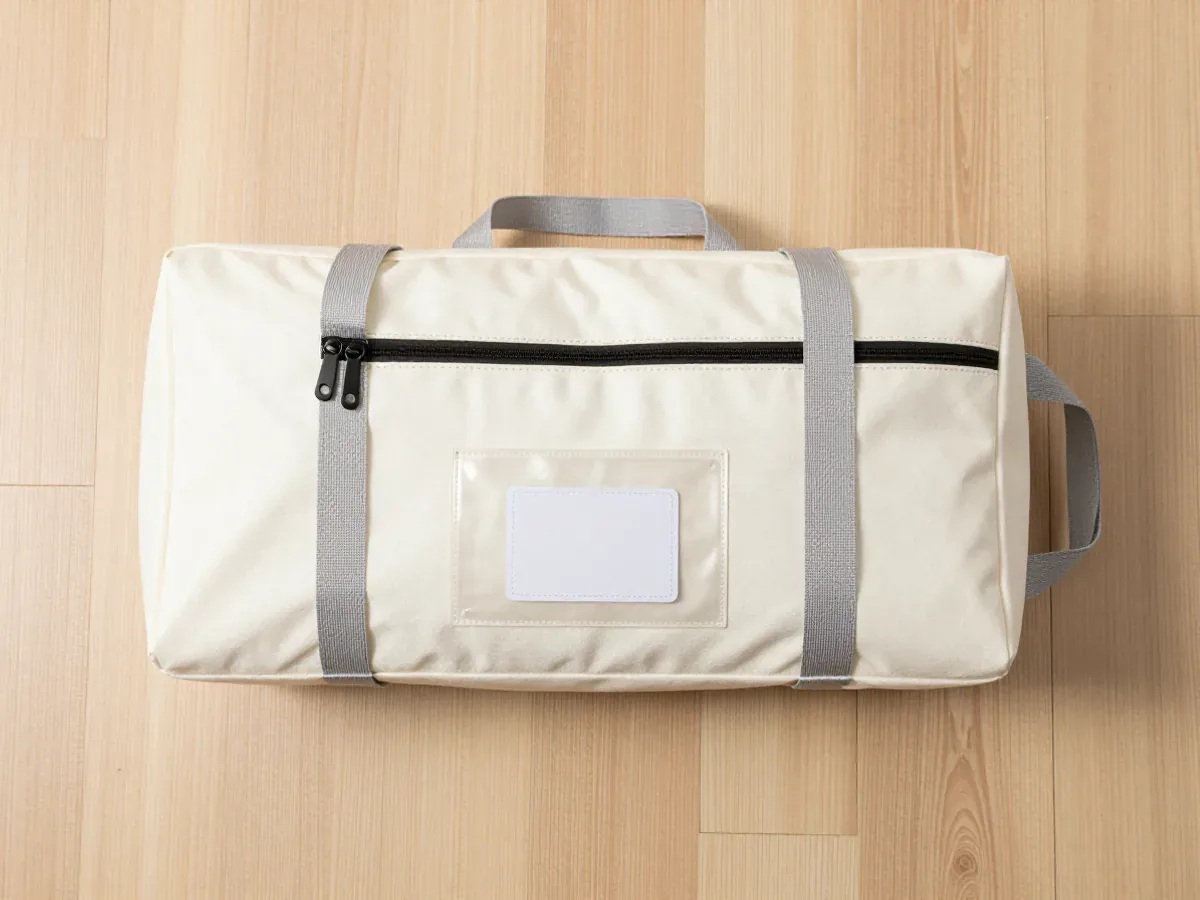
Four components carry most of the answer, and none of them are visible from across a shop floor.
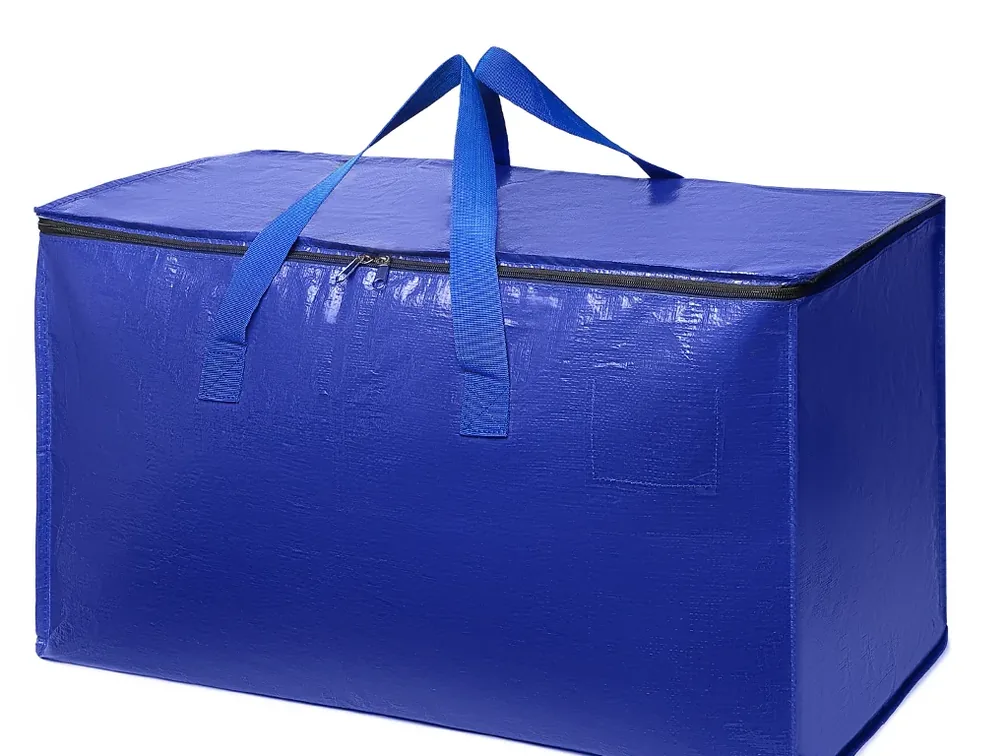
The strap system comes first. Full-length webbing distributes weight along the body, and a second handle on the end exists for a specific moment: lifting the bag into a van when the main handles are already full. Long handles sewn down to the body let a loaded bag go over a shoulder, which matters on stairs and in narrow hallways.
The closure comes second. Two pulls on the zip mean the opening can be closed from whichever end is closer, and a bag that closes easily gets closed properly. A bag left open in storage collects dust and loses its contents to gravity.
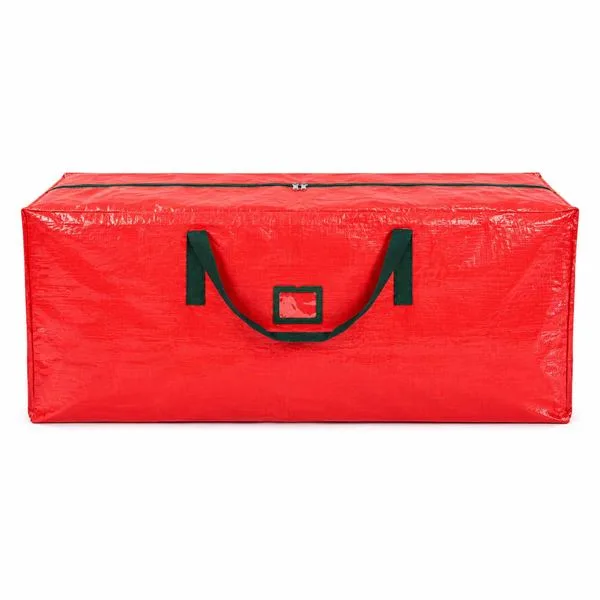
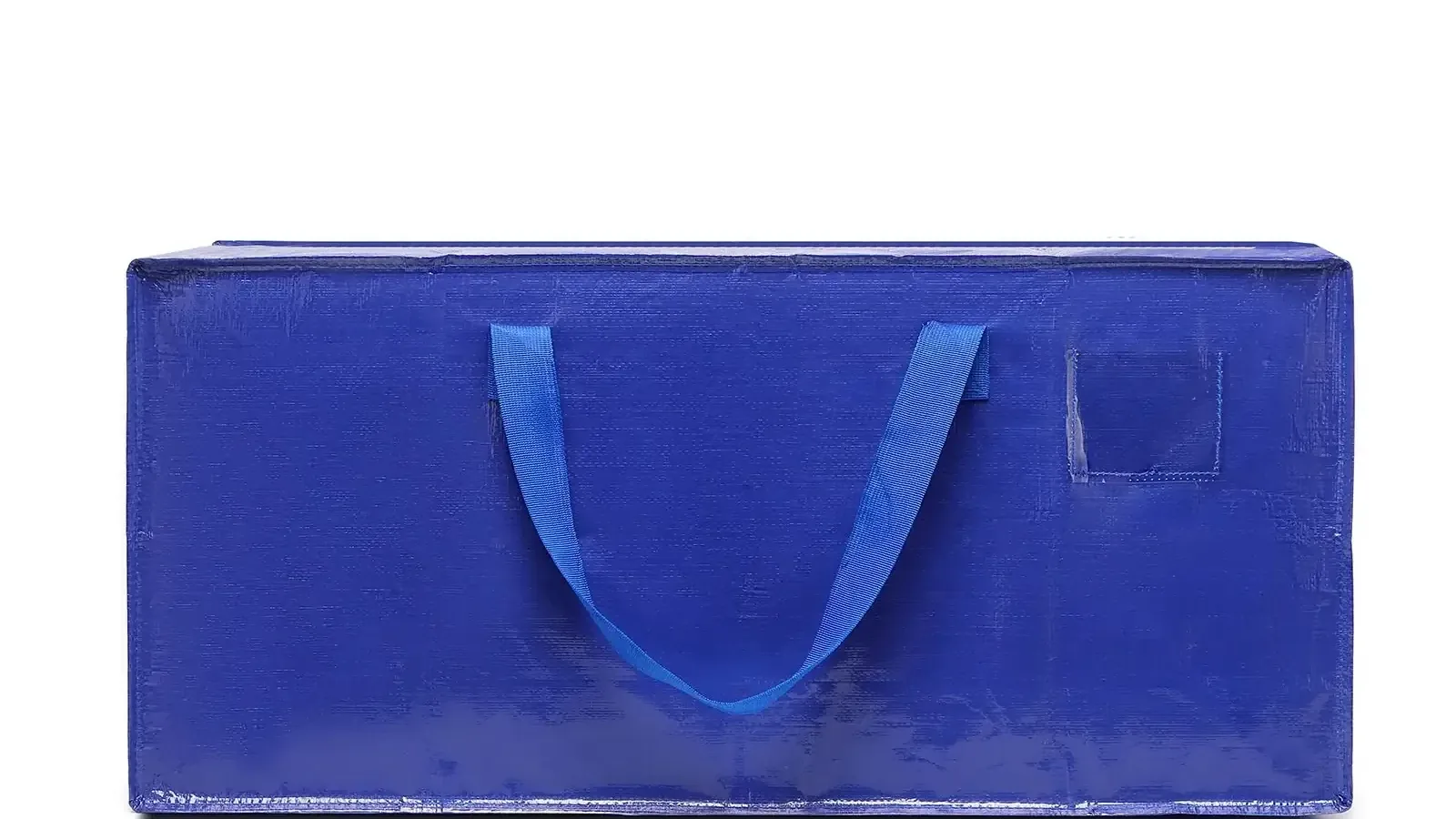
The label comes third. A clear pocket on the face that holds a card is a small feature with a large effect. It lets the same bag be relabelled for a new room, a new season or a new occupant without printing anything permanent. Printed labels on the shell are fine for a brand, but they lock the bag to one purpose.
The shell comes fourth. A soft, breathable, printable non woven shell is comfortable to handle and takes branding well, and it suits bedding and clothing better than a stiff material that traps moisture. The mid size bag at roughly 27 by 14 by 15 inches is the unit most home moves are built from, because it holds a wardrobe or a set of bedding without becoming too heavy to lift.
Packing so the bag still holds its shape in a closet
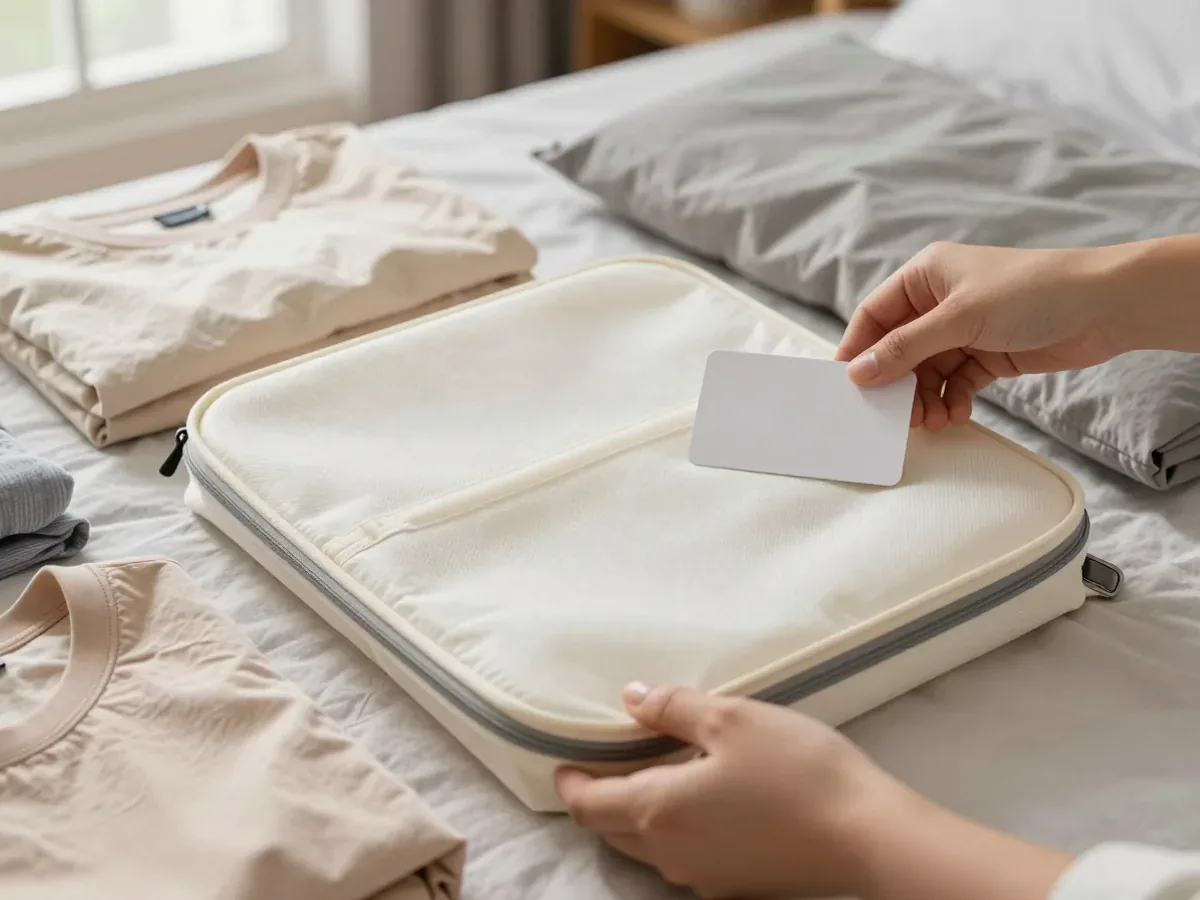
A bag that arrives in the closet creased and half collapsed was probably packed wrong, not built wrong. Loading decides how the shell behaves for the rest of its life.
Fill the bag to a shape rather than to a weight. A bag packed until the zip strains will bulge at the seams and lose its rectangle, and a bulging bag cannot stack. Leaving a little slack at the top lets the closure sit flat and keeps the sides upright.
Put soft items around hard ones. Clothing and bedding cushion the corners of a box or a lamp, and the bag keeps a fuller shape because the load is not concentrated in one lump. Heavier items belong at the bottom of the stack, not at the bottom of an individual bag, since a bag with a dense base will sag when lifted.
Label before the bag leaves the room. A card in the pocket that says "winter bedding, spare room" saves an entire evening of opening bags later. The same discipline that makes cartons work applies here, and it is the step most often skipped when bags are involved.
What to look at before a bag leaves the factory
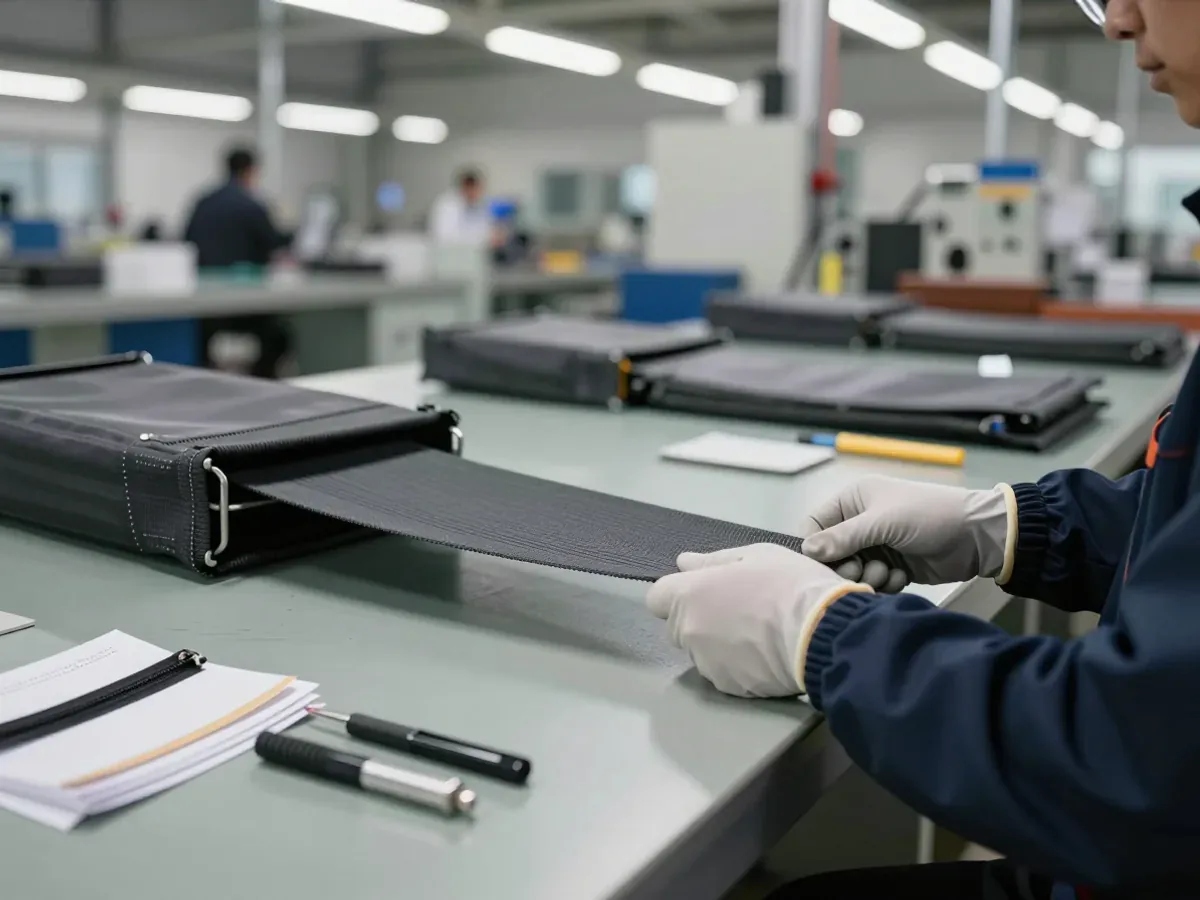
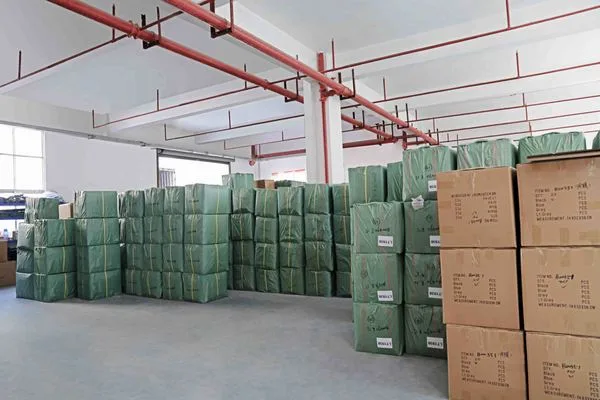
At the production end, the difference between a bag with a second life and a bag without one is settled by a handful of checks. Every order runs through four QC checkpoints, and the ones that matter most for longevity are the stitch and hardware stations.
The strap attachment gets a pull test. A full-length webbing strap should be anchored along its length, and the stitching at the ends should be dense enough that the webbing does not slide. A quick tug by hand at the factory catches the attachment that would have failed in a hallway.
The zip gets cycled. Two pulls should meet cleanly in the middle and separate without snagging, and the tape should be sewn flat so the slider does not catch on a fold. A zip that is stiff on the bench will be worse under load.
The label pocket gets checked for placement and depth. A pocket sewn too high or too shallow will not hold a card through a move, and a card that falls out defeats the whole feature. The shell gets checked for printable face area if branding is part of the order, since a soft non woven surface takes print differently from a coated one.
A short checklist for judging a sample in your hands
A sample can be assessed in a few minutes without any equipment, and the findings predict most of what will happen after the move.
- Lift the bag by one handle with a moderate load inside and watch the stitching. Any visible give at the attachment is a warning.
- Run the zip from both ends. It should close smoothly from either direction and sit flat when shut.
- Check whether the webbing stops at the handles or continues down the body. The full-length version is the one that survives stacking.
- Look for a second handle on the end. It is the difference between lifting a full bag into a van and dragging it.
- Try the shoulder carry with the bag loaded. Long handles should reach the shoulder without pulling the bag sideways.
- Slide a card into the label pocket and turn the bag upside down. If the card falls out, the pocket is decorative.
- Squeeze the empty shell and let go. A shell that springs back will hold its shape in a closet, and one that stays creased will not.
- Stack two loaded samples on top of each other. The lower bag should stay upright rather than bulging at the sides.
FAQ
Do moving bags for storage need a different shell than moving-day bags?
The shell does the same job in both cases, but storage puts more hours on it. A soft, breathable non woven shell suits bedding and clothing and takes print well, while a stiff shell may resist creasing but traps air. The bigger difference is in the straps and closure, which take far more wear during storage handling than during a single van trip.
Is a full-length webbing strap worth paying for on a storage bag?
It is the single feature most likely to decide whether the bag survives a second move. A strap that stops at the handles concentrates the load into a small stitched area, and that area is where bags fail first. Full-length webbing spreads the load down the body and keeps the bag usable after the boxes are gone.
How many times can a reusable moving bag realistically be used?
That depends on the build and the loads, and no honest number applies to every bag. A bag with full-length webbing, a two-pull zip and a reinforced attachment will handle repeated moves and years of storage, while a light bag used for books may not survive a second trip. Judge the sample, not the category.
Can a label pocket replace printed labels on moving storage bags?
For household use, a pocket is more flexible because the card can be changed as contents change. Printed labels suit branding and fixed product lines, and the two can coexist on the same bag. A pocket that is too shallow to hold a card is worse than no pocket at all, so check the depth before committing.