



Подготовка упаковки для сумок-тоут к продаже начинается с простого вопроса, который большинство закупщиков задают слишком поздно: пройдет ли эта упаковка проверку на приемке в магазине? Бренд-менеджеры утверждают красивые коробки, но в итоге их отклоняют на приемке из-за слишком слабой отрывной полоски или деформации гофрокартона под весом штабелированных поддонов. Данные подтверждают это: по данным Ассоциации розничной упаковки, магазины отклоняют от 12 до 15 процентов готовой к продаже упаковки из-за неудобства открывания. Для опытного мерчандайзера, управляющего сезонным запуском, такое отклонение означает упущенное время на полках и отчаянный переход в последнюю минуту на полиэтиленовые пакеты, которые лишают товар престижного вида.
На самом деле, настоящая проблема в области инженерных решений заключается не в цвете или разрешении печати — это базовые требования. Большинство поставщиков предложат вам дисплейную коробку и заведут, что она готова к продаже, но не смогут предоставить отчет об испытании на прочность линии разрыва или сказать, является ли внутреннее покрытие маловолокнистым, чтобы пыль не прилипала к Нетканый материал плотностью 200 г/м² Торба. В прошлом квартале мы протестировали пять вариантов гофрокартона от трёх производителей; только один из них соответствовал минимальному стандарту прочности на разрыв — 10 фунтов на дюйм (ASTM D5034). Именно этот единственный параметр отличает дисплей, который аккуратно раскладывается в четвёртом ряду, от того, который поступает в повреждённом виде и становится причиной возврата товара. При разработке упаковки в виде сумки, готовой к продаже в розничной торговле, необходимо начать с конструкционные детали чего никогда не показывают глянцевые макеты.
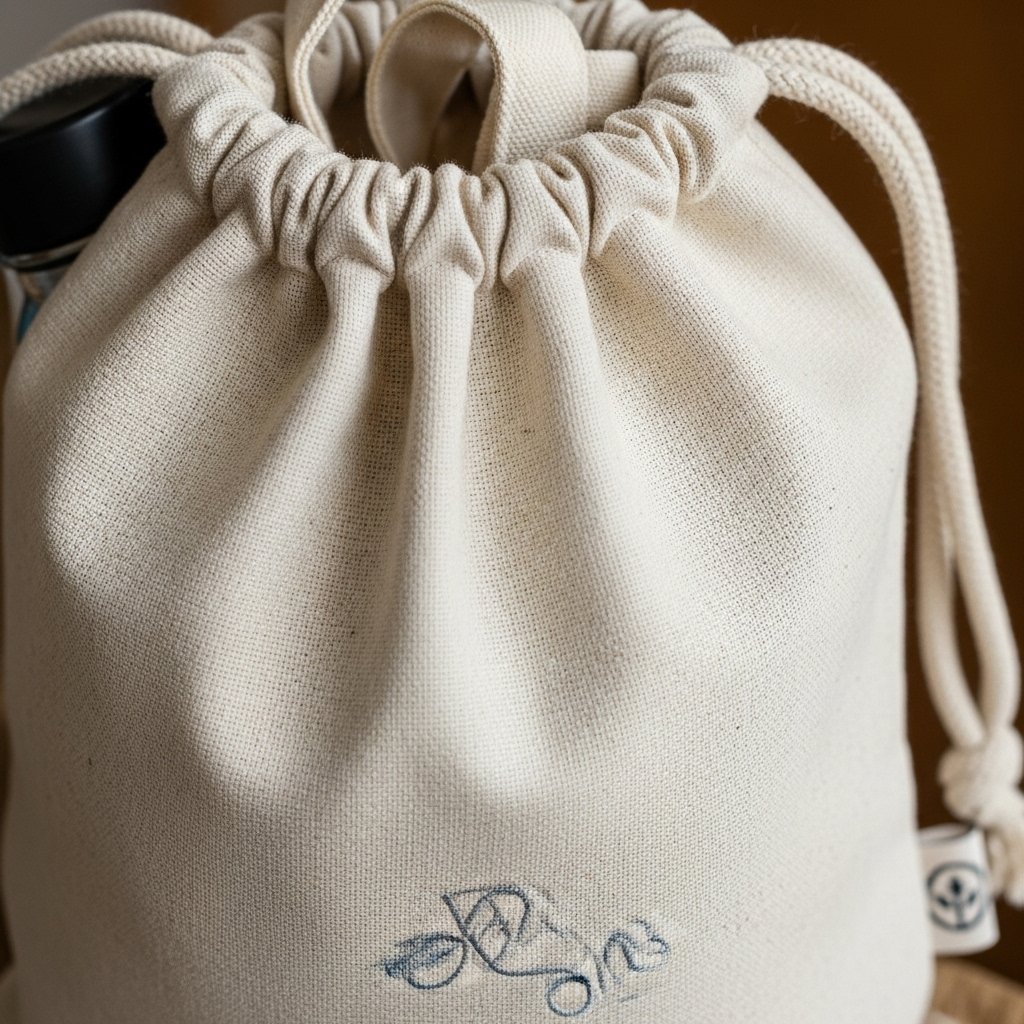
Почему упаковка в виде готовых к продаже сумок имеет значение
Упаковка, готовая к продаже в розничной сети, превращает вашу сумку в витрину, способную привлекать покупателей, и повышает объем продаж на 20–40 % в условиях высокой конкуренции в розничных магазинах.
«Упаковка, готовая к размещению на полке» (SRP) означает, что ваша индивидуальная сумка поставляется в фирменной, удобной для размещения на полке конфигурации, которая сама по себе привлекает покупателей — как правило, это гофрокартонные или картонные дисплеи с четким брендингом и удобными элементами открывания. Для мерчандайзера розничного бренда это имеет решающее значение: SRP демонстрирует качество еще до того, как покупатель прикоснется к сумке, что напрямую влияет на конверсию в точке продаж. Прогнозируется, что мировой рынок готовой к продаже упаковки вырастет с 1,432,7 млрд долларов в 2026 году до 1,48 млрд долларов к 2034 году, чему способствуют требования ритейлеров по более быстрому пополнению запасов и усилению визуального воздействия на полке. Если вы заказываете индивидуальную розничную упаковку для сумок-тоут, игнорирование SRP означает упущенную возможность повысить видимость товара в торговом зале на 20–40 %.
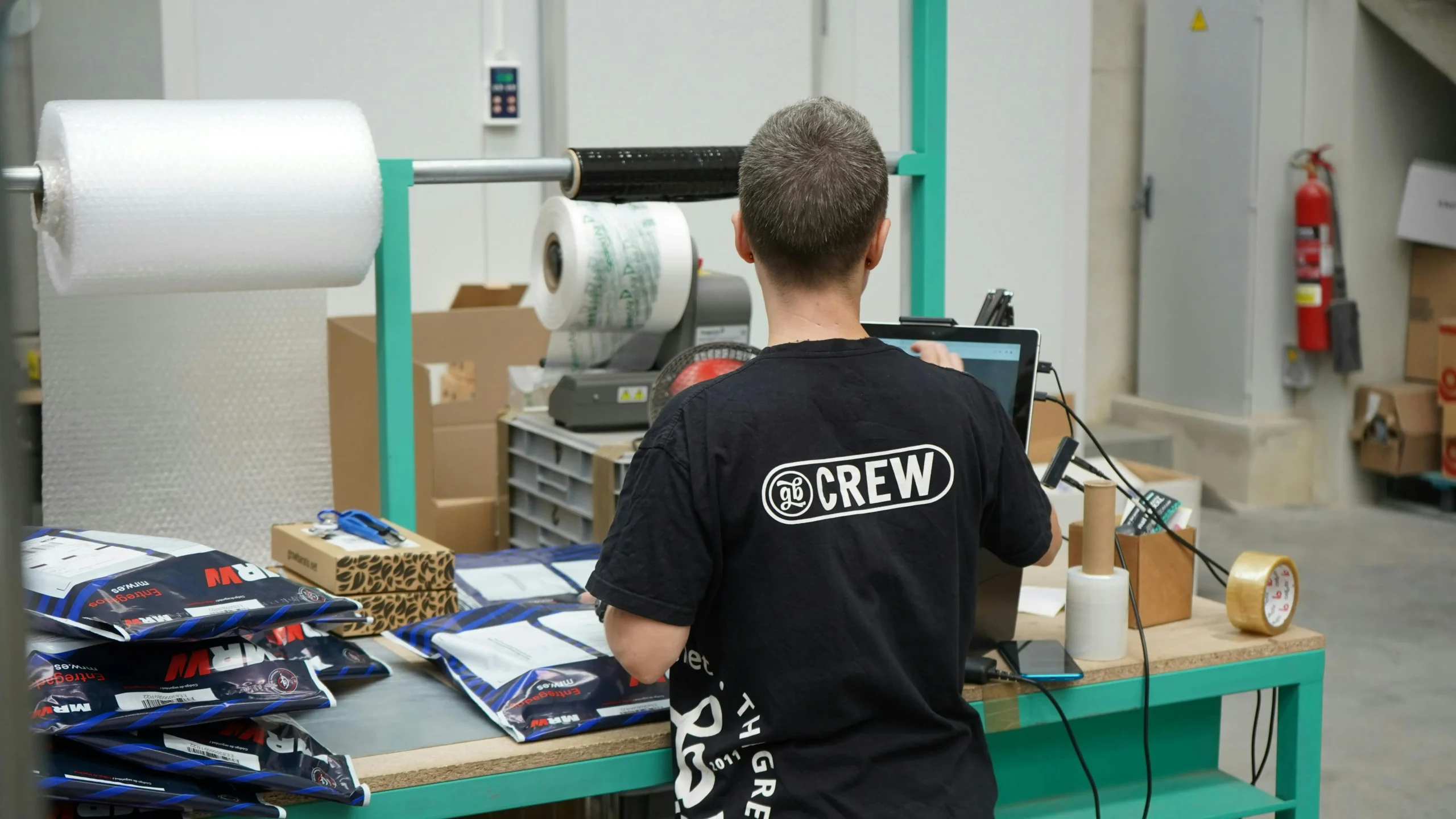
Большинство типовых руководств по SRP — например, от Smurfit Westrock или VistaPrint — сосредоточены на технических характеристиках гофрокоробок и игнорируют требования, специфичные для сумок-тоут. Видимость ручек является обязательным условием: если покупатель не видит ручек, он реже берет сумку в руки. Важно, чтобы ткань подходила к витрине, а для сумок премиум-класса необходимо, чтобы внутренняя поверхность не оставляла ворса и была свободной от пыли. Еще один скрытый фактор: стандартная высота полок в розничных магазинах составляет 12–18 дюймов. Если ваша SRP неэффективно использует вертикальное пространство, вы теряете доход на квадратный фут. Руководства конкурентов упускают этот аспект эффективности использования пространства в пользу общих заявлений о “легком штабелировании”.
Реальность на уровне магазинов: по данным Ассоциации розничной упаковки, 12–15 % упаковок SRP отбраковываются при приемке из-за некачественных элементов открывания — разорванной перфорации, отсутствия отрывной полоски или деформации гофрированного картона. В случае сумок-тоут риск усугубляется: сумки смещаются внутри плохо спроектированного дисплея, что приводит к появлению складок или потертостей. Необходимо указать перфорацию, облегчающую разрыв (минимум 10 фунтов на дюйм в соответствии с ASTM D5034), и плоское дно для стабильного штабелирования. Многие поставщики не могут предоставить отчет об испытании прочности линии разрыва — это пробел, который приводит к отклонению поставок и упущенным сезонным запускам. При разработке дизайна готовых к продаже сумок-тоут убедитесь, что в вашем техническом задании указаны эти критерии.
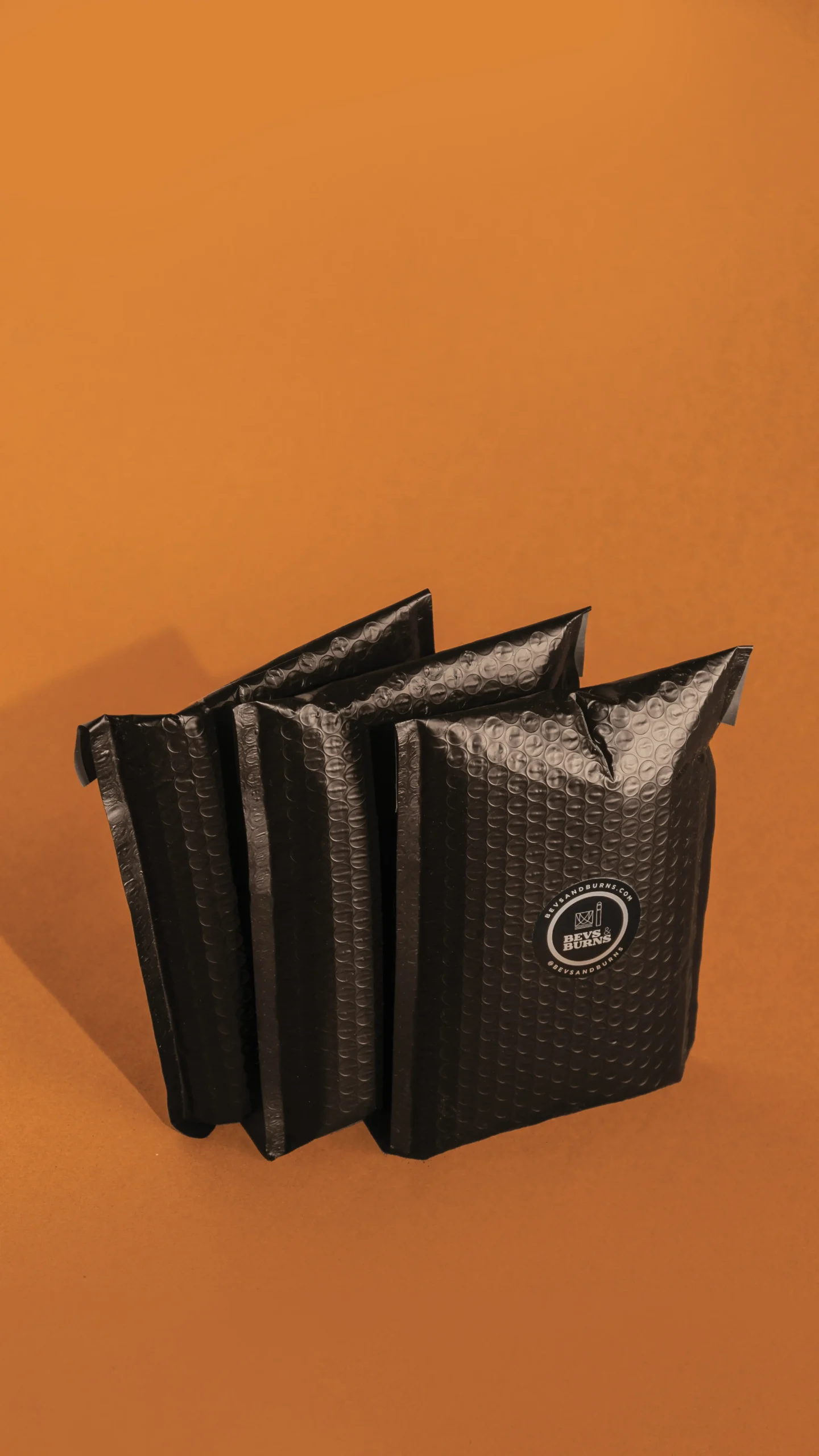
Чтобы ознакомиться с более подробными вариантами материалов — будь то переработанный хлопок 100% или нетканый материал плотностью 200 г/м² — см. наше сопутствующее руководство «Руководство по материалам для изготовления сумок на заказ». Выбор материала напрямую влияет на точность цветопередачи при печати (целевое значение ΔE < 2,0) и на то, насколько сумка гармонирует с витриной, что имеет решающее значение для готовой к продаже упаковки модных брендов. .
Стандарты точности цветопередачи и качества материалов
Несоответствие цвета — это главная причина, по которой розничные продавцы отказываются от сумок на заказ — показатель ΔE < 2,0 является непреложным критерием.
Точность цветопередачи для готовых к продаже сумок начинается с сравнения образца Pantone TPX при освещении лампой дневного света D65. Но вот что рекомендуют общие руководства по упаковке
Испытания на светостойкость — ещё один скрытый фактор, который следует учитывать. Большинство дизайнеров упаковки исходят из того, что сумка будет храниться в помещении, однако освещение торговых полок — особенно светодиодное с высоким уровнем ультрафиолетового излучения — может привести к выцветанию печати уже через несколько недель. Мы проводим 100-часовое испытание на воздействие ультрафиолета в соответствии со стандартом ASTM G154, при котором допустимое смещение цвета не должно превышать 5%. Если ваш поставщик не может предоставить отчет о светостойкости, ожидайте возвратов от покупателей, которые заметят выцветшие логотипы уже через месяц. При выборе метода печати используйте плашечные цвета (Pantone Solid Coated) для важных элементов бренда, таких как логотипы; для фотографической графики подойдет цифровая печать CMYK или 6-цветная трафаретная печать. Всегда запрашивайте пробный оттиск на готовом материале для проверки тактильных ощущений, впитываемости краски и увеличения точки перед запуском серийного производства.
- Допустимое отклонение цвета: ΔE < 2,0 при измерении по утвержденному образцу Pantone на фактическом производственном материале. Отбраковывайте все отклонения, превышающие этот порог.
- Светостойкость: Минимальное время воздействия УФ-излучения — 100 часов при выцветании < 5%. Запросите протокол испытаний вместе с образцом.
- Снятие с производства: Перед запуском серийного производства всегда утверждайте пробный оттиск на той же ткани и с использованием того же метода печати (цифровая печать CMYK или 6-цветная трафаретная печать). Это позволит выявить проблемы, связанные с впитыванием краски и увеличением размера точек.
| Стандарт | Технические характеристики | Критический анализ |
|---|---|---|
| Отклонение цвета | ΔE < 2,0 по образцу Pantone при освещении D65 | Большинство поставщиков заявляют о показателе ΔE < 3,0; наш показатель ΔE < 2,0 гарантирует, что цвет вашего бренда будет незаметен для человеческого глаза на полке. Закажите пробный образец на той же ткани. |
| Разрешение печати | ≥300 точек на дюйм (цифровой печать) / 175 линий на дюйм (офсетная печать) | На сумочках для розничной торговли должны четко отображаться мелкие логотипы и градиенты. Для мелкого текста необходимо использовать цифровую печать с разрешением 300 точек на дюйм; офсетная печать с линейной плотностью 175 линий на дюйм обеспечивает более четкие полутона при печати фотографий. |
| Гофрокартон для выставочных стендов | F-гофр (1/32 дюйма), E-гофр (1/16 дюйма), B-гофр (1/8 дюйма) | Гофрокартон типа E идеально подходит для контейнеров: он достаточно тонкий, чтобы поместиться между полками (высота 30–45 см), но при этом достаточно прочный, чтобы выдержать вес нескольких пакетов без деформации. Не рекомендуется использовать гофрокартон типа B для легких дисплеев. |
| Прочность на разрыв | ≥10 фунтов на дюйм (ASTM D5034) | Магазины отказываются принимать партию 12–15% из-за поврежденных упаковок. Наше минимальное значение в 10 фунтов/дюйм гарантирует, что отрывная полоска аккуратно отрывается при обращении в розничной торговле — это требование, которое большинство поставщиков не могут подтвердить. |
| Экологическая сертификация и доля переработанных материалов | Сертифицировано FSC, доля вторичного сырья ≥30% | Гофрокартон 30%, изготовленный из вторичного сырья, соответствует большинству экологических требований в сфере розничной торговли товарами класса «люкс» без увеличения себестоимости единицы продукции. Всегда запрашивайте документацию о цепочке поставок FSC. |
| Материал основы и тактильные ощущения | 100% — переработанный хлопок или нетканый материал плотностью 200 г/м² | Хлопок из вторичного сырья обеспечивает высокое качество ткани; нетканый материал плотностью 200 г/м² отличается прочностью и подходит для интенсивного использования. Оба материала должны пройти проверку на отсутствие ворса и пыли, чтобы не загрязнять сумку. |
Конструкция, обеспечивающая простоту вскрытия и размещения на полках
Магазины отклоняют модель 12-15% из линейки SRP из-за неудобства при открывании.
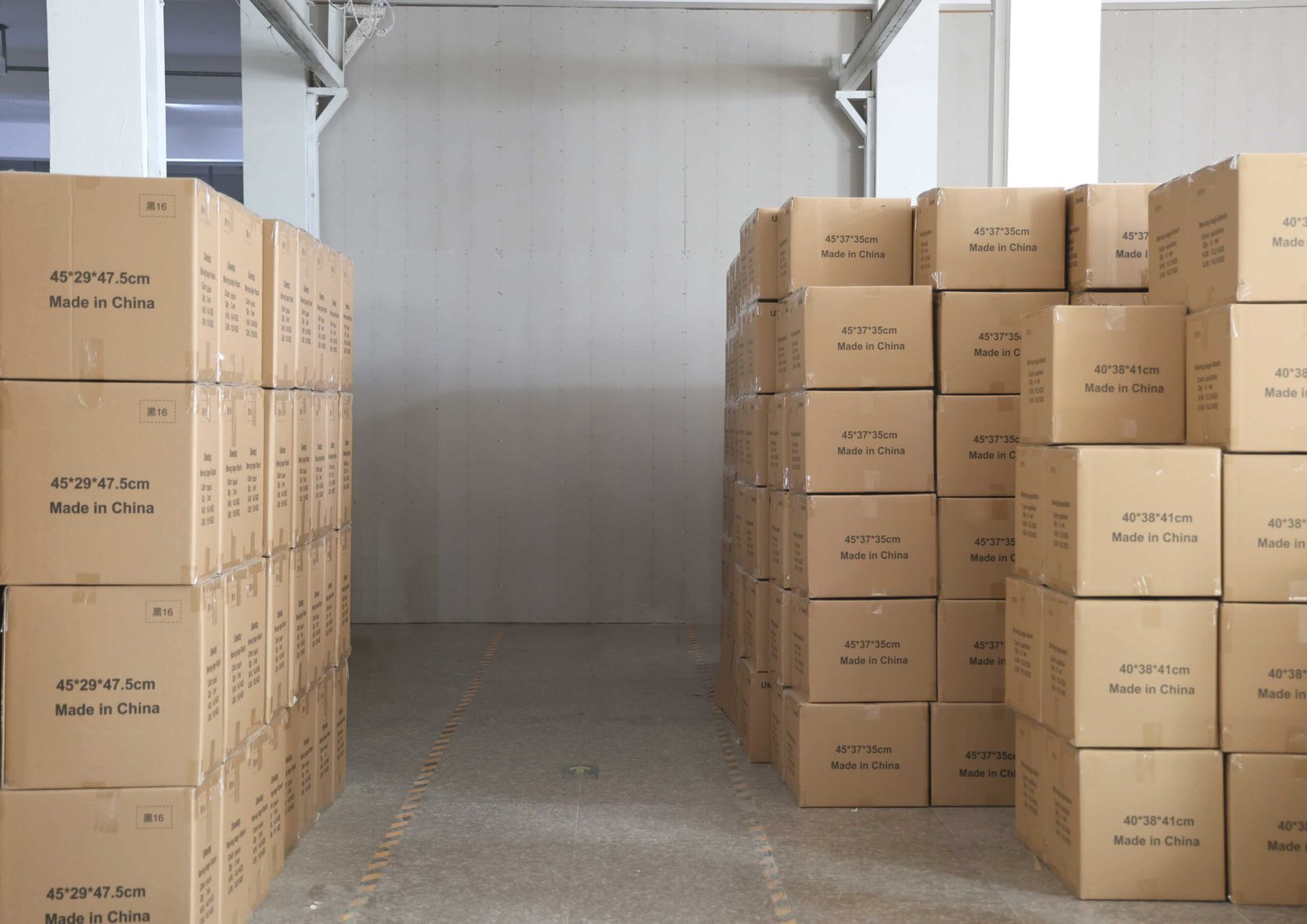
Упаковка, готовая к размещению на полках проваливается в тот момент, когда продавцу приходится доставать канцелярский нож, чтобы открыть вашу сумку. Ассоциация производителей розничной упаковки Сообщается, что 12-15% от SRP отбраковывается на приемке исключительно из-за того, что механизм открывания неинтуитивен или требует использования инструментов. В случае именно с сумками проблема усугубляется: слишком слабая отрывная полоска разорвется во время транспортировки, а слишком прочная заставит персонал разрывать дисплей, деформируя сумку и скрывая логотип.
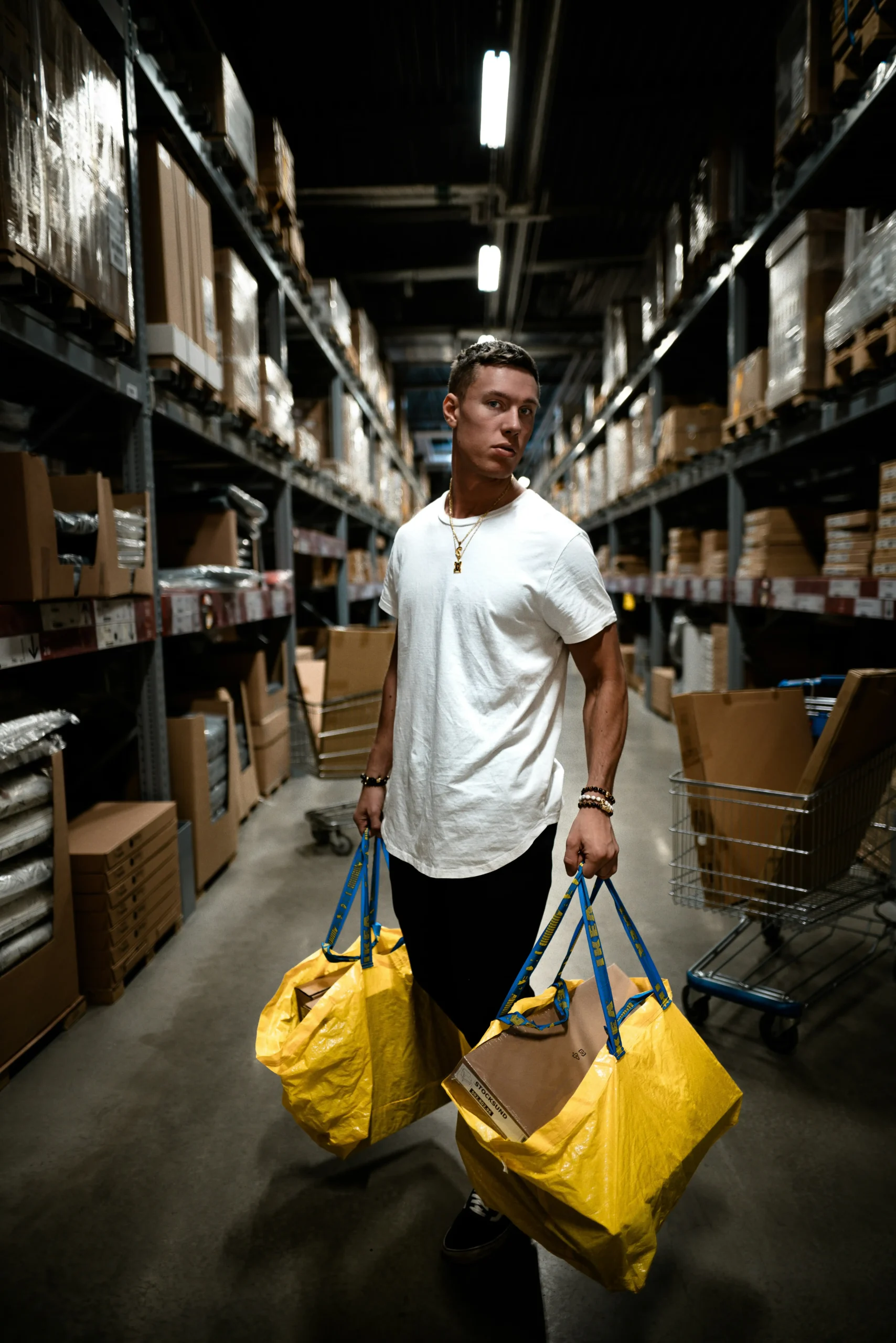
Вот контрольный список, который мы используем при работе с клиентами, чтобы гарантировать успешное размещение товара на полках: чистая перфорированная линия отрыва, проходящая по всей ширине дисплея; хорошо заметная этикетка с кодом SKU/UPC с внешней стороны (не скрытая под клапаном); а также плоское дно, предотвращающее опрокидывание дисплея на полке высотой 30–45 см. Мы также настаиваем на ‘ориентации, готовой к продаже’ — сумка должна быть сложена так, чтобы логотип был обращен наружу в момент открытия панели. Никаких неудобств, никакой переупаковки.
- Прочность на разрыв: Мы устанавливаем минимальное значение в 10 фунтов на дюйм (ASTM D5034). Большинство поставщиков не могут обеспечить протокол испытания на прочность линии разрыва — это тревожный сигнал. Если этот порог не соблюден, перфорация ‘прогибается’ при транспортировке, и дисплей поступает в уже вскрытом виде, что приводит к отбраковке.
- Расположение этикетки с кодом товара: Этикетка должна быть размещена в специально отведенной свободной зоне размером не менее 2 дюймов на 1 дюйм на боковой поверхности витрины. Мы нередко сталкиваемся с ситуациями, когда этикетки приклеивают под откидной крышкой, где персонал не может их отсканировать — в таком случае товар немедленно возвращается отправителю.
- Допуск по плоскости дна: Основание должно быть изготовлено методом машинной фальцовки с глубиной лотка не менее 1,5 дюйма, чтобы предотвратить прогибание под весом 10–15 сложенных контейнеров. Для этих целей идеально подходит гофрокартон с B-волной (1/8 дюйма).
- Правило расположения логотипа: При открытии отрывной полоски или откидной панели должна быть видна ручка первой сумки, а логотип должен быть полностью открыт. В каждый пакет технических характеристик SRP мы включаем схему складывания. Несоблюдение этого требования может привести к потере 20–40 % объема продаж с полок, который должен обеспечить SRP.
Совет от специалиста: если ваш поставщик указывает ‘стандартную линию разрыва’, но не предоставляет протокол испытаний и не предлагает скорректировать глубину перфорации с учетом выбранного вами типа гофрированного картона, лучше отказаться от его услуг. Мы протестировали десятки ‘готовых к продаже’ коробок с недорогих фабрик — большинство из них разрываются при нагрузке 5–7 фунтов на дюйм, что приводит к повреждению при перевозке UPS. Вам необходимо проверить это, прежде чем контейнер покинет Китай.
Компромиссы между стоимостью и экологической устойчивостью
Гофрированная упаковка изначально обходится дешево; тканевый чехол окупается за счет укрепления имиджа бренда уже за один сезон.
- Стандартная гофрокоробка для выкладки товара: Стоимость: 1,50–1,00 фунта стерлингов за единицу (стоимость наладки штампов: 500–2 000 фунтов стерлингов). Минимальный объем заказа: 500–1 000 единиц на один SKU. Углеродный след: высокий объем одноразовых отходов; более 40% гофрированного материала попадает на свалки. Магазины отбраковывают 12–15% упаковок SRP из-за плохих характеристик открывания — гофрированные перфорации часто разрываются неровно, что приводит к разрушению конструкции.
- Картон премиум-класса с вырезом для окошка: Стоимость: 1 400–2 000 тайских батов за единицу. Минимальный объем заказа: как правило, от 1 000 единиц в связи с необходимостью изготовления специального штампа. Углеродный след: ниже, чем у гофрокартона, еслиСертифицировано FSCи содержание вторичного сырья ≥30%. Скрытый риск: картонные окошки могут зацепиться за ткань сумки — завод настаивает на закругленных углах и прочности линии разрыва ≥10 фунтов/дюйм (ASTM D5034), чтобы избежать претензий по поводу возврата.
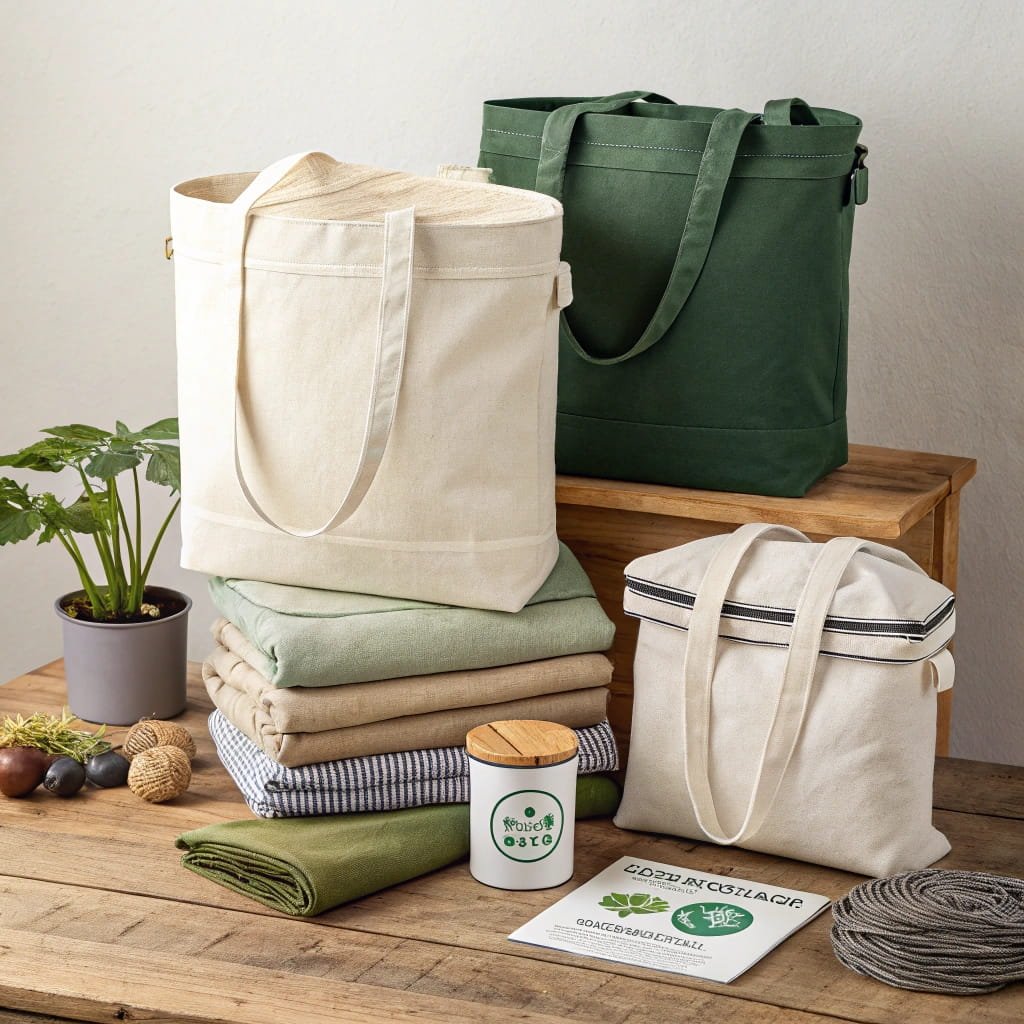
- Тканевый чехол (многоразовый): Стоимость: 1,4–1,40 тайского бата за единицу (включая сумку). Минимальный объем заказа: 500 единиц (завод может начать с 200 единиц для простой рекомендованной розничной цены). Углеродный след: наилучший — чехол и сумка многоразовые, что позволяет отказаться от 3–5 одноразовых коробок за сезон. Однако размер тканевого чехла должен соответствовать стандартной высоте полки (12–18 дюймов) и обеспечивать видимость ручек. Испытания нетканых рукавов плотностью 200 г/м² с прочностью на разрыв >10 фунтов/дюйм показывают, что они выдерживают транспортировку без разрывов — это слабое место, которое игнорируют конкуренты.
Настоящий компромисс кроется в затратах на установку и риске брака на полках. Дисплей из гофрокартона может стоить 1,50 доллара за штуку, но если магазин отклонит 15 % партии из-за неудобства открывания, фактическая стоимость поднимется до 1,59 доллара за штуку (плюс ущерб для бренда).Тканевые рукава избавляют от проблем с утилизацией и соответствуют требованиям экологически ориентированных покупателей, но требуют точной подгонки. Перед тем как остановиться на каком-либо варианте, рекомендуется протестировать пробную партию в объеме 5% от общего объема заказа.
| Вариант | Стоимость единицы продукции | Устойчивые материалы | Сертификаты | Основной компромисс |
|---|---|---|---|---|
| Стандартная гофрированная витринная коробка | $0,50 – $1,00 | 30%+ с добавлением вторичного сырья | Доступны продукты с сертификатом FSC | Самая низкая стоимость, но примитивный внешний вид и отсутствие возможности повторного использования |
| Картон премиум-класса с окошком | 1:00–2:00 | 100% — картон, пригодный для вторичной переработки | Чернила, сертифицированные FSC и пригодные для компостирования | Лучшая видимость на полке; требуется более крупный минимальный объем заказа (500–1 000 единиц) |
| Тканевый чехол с многоразовой сумкой | $2.00 – $4.00 | Хлопок из вторичного сырья / нетканый материал | Содержание вторичного сырья, сертифицированное GRS | Самая высокая стоимость, но упаковка одновременно служит в качестве продукта, что позволяет сократить общее количество отходов |

Поиск готовой к продаже упаковки: о чем спросить у поставщиков
Большинство поставщиков SRP не справляются с требованиями к прочности на разрыв и точности цветопередачи.
Когда вы заказываете готовую к продаже упаковку для сумки на заказ, От способности вашего поставщика обеспечить стабильное разрешение печати и целостность структуры зависит, окажется ли ваш продукт на полке или в корзине для брака. Мы слишком часто сталкиваемся с ситуацией, когда бренды принимают предложение, основываясь на глянцевых образцах, а в результате получают партию продукции с отклонением ΔE выше 3,0 — что заметно любому продавцу в магазине. Ваши технические требования должны предусматривать разрешение ≥300 DPI для цифровой печати и 175 LPI для офсетной печати, с подписанным утверждением на физическом пробном оттиске перед запуском серийного производства.
- Разрешение печати: Цифровой печати — ≥300 точек на дюйм; офсетной печати — ≥175 линий на дюйм. Закажите пробный оттиск Cromalin или цифровой пробный оттиск на том же гофрированном материале, а не на мелованной бумаге. Текстура материала влияет на впитываемость краски и конечный цвет.
- Допустимое отклонение цвета: Требуется, чтобы показатель ΔE не превышал 2,0 при измерении в условиях дневного света D65 (стандарт CIE). Поставщики, которые не могут предоставить показания спектрофотометра, скорее всего, не смогут точно воспроизвести ваш образец PMS. Попросите провести измерение под тремя углами, чтобы выявить метамеризм.
- Прочность на разрыв: Перфорация должна выдерживать нагрузку не менее 10 фунтов на дюйм (ASTM D5034). Проверить это можно, имитируя процесс вскрытия упаковки в магазине: если отрывная полоска рвется неравномерно или клапан отрывается до вскрытия, следует ожидать брака 12-15% при приемке — данные Ассоциации розничной упаковки подтверждают это.
- Политика замены бракованных товаров: Договоритесь о допустимом количестве брака в размере <3% с бесплатной заменой всех единиц, превышающих этот порог. Настаивайте на отборе 5% образцов из каждой производственной партии — ваш складской инспектор вскрывает и проверяет эти единицы на соответствие цвету, работоспособность линии разрыва и видимость ручки перед приемкой всей партии.
При запросе предложений воспользуйтесь этим контрольным списком из 10 вопросов: (1) Каковы ваши стандартные допуски по отклонению цвета? (2) Можете ли вы предоставить отчет по линиям разрыва в соответствии со стандартом ASTM D5034? (3) Предлагаете ли вы гофру типа F (1/32 дюйма), E (1/16 дюйма) или B (1/8 дюйма)? (4) Какова ваша допуск на замену бракованной продукции? (5) Каков минимальный объем заказа (MOQ) для SRP с индивидуальной печатью — может ли он быть меньше 500 единиц? (6) Каков ваш срок выполнения заказа от утверждения макета до упакованных контейнеров? (7) Поставляете ли вы SRP, размер которых соответствует стандартной высоте розничных полок 12–18 дюймов? (8) Имеет ли ваш гофрированный материал сертификат FSC с содержанием вторичного сырья ≥30%? (9) Каков ваш протокол проверки — храните ли вы образцы из каждой партии? (10) Можете ли вы порекомендовать мне клиента, который заказывал SRP для сумок за последние 12 месяцев?
Для брендов, которым требуются меньшие минимальные объемы заказа или более быстрые сроки изготовления, наш партнерский бренд Tiioci предлагает изготовление сумок-тоут по индивидуальному заказу с минимальным тиражом от 200 штук и сроком изготовления всего 2 недели. Эти сумки соответствуют тем же техническим характеристикам (ΔE < 2,0 и прочность по линии разрыва), при этом для их производства используется переработанный хлопок 100% или Нетканый материал плотностью 200 г/м² материалы.
Заключение
Для упаковки сумок-тоут, готовой к продаже в розничной торговле, требуется нечто большее, чем просто коробка с логотипом. Вам нужны характеристики материала, соответствующие вашему бренду, отклонение цвета ниже ΔE 2,0 и особенности открывания, позволяющие избежать показателя брака 12–15%, который магазины применяют к некачественной розничной упаковке. Большинство поставщиков не предоставляют отчеты о прочности линии разрыва и выравнивании по высоте полки — пробелы, которые наносят ущерб ценность бренда и отложить сезонные запуски.
Часто задаваемые вопросы
Приведите несколько примеров упаковки, готовой к продаже.
К типичным примерам относятся гофрокороба с четким брендингом и перфорацией для облегчения отрыва, а также фирменные картонные рукава, не закрывающие вид на сумку. Главное — чтобы упаковка была разработана с учетом удобства размещения на полках. Всегда предусматривайте перфорацию для облегчения отрыва, чтобы избежать отказа в приеме товара в магазине.
Как обеспечить точное соответствие цветов на упаковке моей сумки-тоут?
Перед запуском в производство требуйте предоставления цифрового пробного оттиска, сертифицированного Pantone, и установите допустимое значение ΔE ниже 2,0. Утверждайте физический образец при освещении, соответствующем условиям вашего магазина, чтобы учесть влияние материала основы. Ни в коем случае не пропускайте этап утверждения физического образца перед запуском серийного производства.
Каков минимальный объем заказа на изготовление индивидуальной готовой к продаже упаковки?
Минимальный объем заказа (MOQ) для изготовления индивидуальной упаковки в виде сумок-тоут, готовых к продаже в розничной торговле, обычно составляет от 500 штук, при этом стоимость наладки оборудования для изготовления печатных форм и инструментов составляет от 1 450 до 2 000 фунтов стерлингов. При меньших объемах заказов рекомендуем узнать о наличии готовых вариантов для выкладки товара или об упрощенных вариантах индивидуализации. Подтвердите минимальный объем заказа после согласования технических характеристик и объема индивидуализации.
Стоит ли упаковка, готовая к продаже в розничной торговле, дороже обычной упаковки?
Да, в случае готовой к продаже упаковки расход составит 1–2–5 единиц на одну упаковку, тогда как для обычных полиэтиленовых пакетов — менее 1 единицы. Однако увеличение срока хранения на 20–40 дней и сокращение трудозатрат в магазине зачастую оправдывают эти вложения. Рассчитайте рентабельность инвестиций (ROI) на основе вашей розничной цены и ожидаемого роста продаж.
Можно ли использовать вторичное сырье для упаковки, готовой к продаже?
Да, многие поставщики предлагают упаковку из rPET или переработанного гофрокартона для готовых к продаже сумок. Просто убедитесь, что переработанный картон по-прежнему соответствует требованиям к устойчивости дисплея, и при необходимости запросите сертификат GRS. Убедитесь, что переработанные материалы прошли испытания на прочность с учетом конкретной нагрузки на дисплей.

0 комментариев