



Sustainable retail packaging is a loaded term. Every supplier slaps it on their catalog, but the gap between a marketing claim and a bag that actually survives a trade show floor is wide. I’ve seen event organizers sign off on what they thought was a premium eco-friendly tote, only to have the handles tear under the weight of a few brochures. That’s not sustainable — that’s a brand liability.
So let’s cut through the greenwash. This is a direct factory that builds heavy-duty moving bags and custom retail packaging. The difference between a material that looks good in a mockup and one that performs under real logistics stress is well understood. For 2026, the real question isn’t whether to go sustainable — it’s which material actually holds up to your event’s demands without blowing your budget or your timeline.
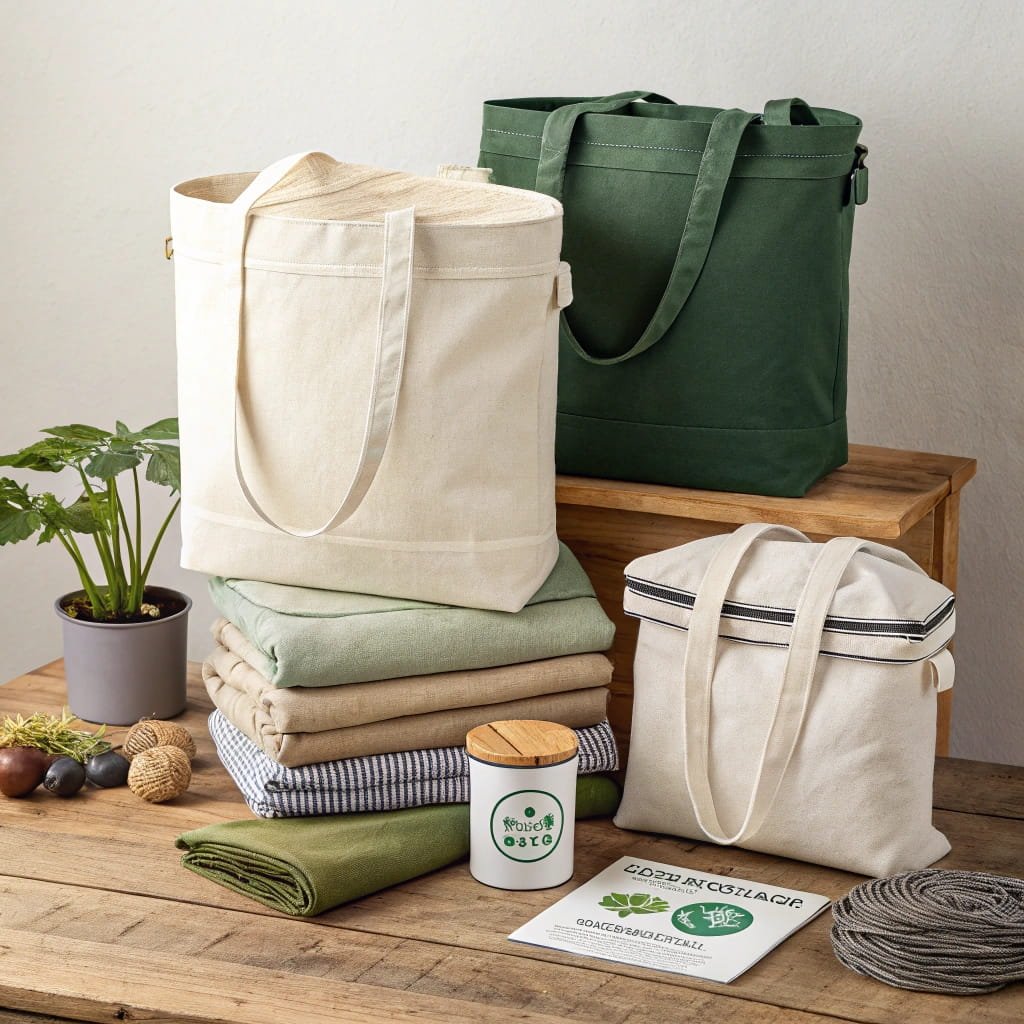
Why Most Sustainable Packaging Fails at Retail Events
Most ‘eco’ retail bags contain hidden mixed materials that void recyclability claims.
Event organizers often choose sustainable packaging with good intentions, only to discover the bags tear at the seams after a single use, the print flakes off before the event ends, or the supplier demands a 5,000-unit minimum. The core failure isn’t the material — it’s that most suppliers optimize for marketing buzzwords (compostable, biodegradable, green) instead of engineering for real-world event conditions. A bag that fails structurally at a trade show or gala doesn’t just waste budget — it reflects poorly on your brand in front of hundreds of attendees.
- Durability gap: FSC-certified paper tote bags average $0.60–$0.90 per unit at 500 MOQ, but their tear resistance is significantly lower than woven materials. At a retail event where attendees carry product samples, brochures, and swag, a paper bag that rips mid-event creates a negative brand memory that outweighs any sustainability halo.
- Print quality failure: Many eco-friendly substrates (especially home-compostable PLA blends) cannot be heat-sealed with standard equipment and require specialized inks that often fail Delta E ≤ 2 color accuracy. Event organizers who pay a premium for ‘compostable retail bags with logo’ frequently receive faded prints or mismatched PMS colors — a direct hit to brand image.
- Hidden material mixing: Competitors like EcoPackables and Elevate Packaging market ‘sustainable’ retail bags but rarely disclose that their stand-up pouches use a fossil-fuel-based polymer backsheet for sealing, which voids compostability claims. Our non-woven PP bags use single-material construction (100% rPET or PP) with no hidden layers, ensuring the entire bag is recyclable through standard channels.
- MOQ mismatch: Event organizers typically need 200–500 units per activation, not 5,000. Most sustainable packaging suppliers set high MOQs because their production lines are optimized for large retail chains. Custom non-woven tote bags in 80–120 GSM with full-color PMS print can be produced at MOQ 200+ with a 15–20 day lead time — directly matching the event organizer’s KPIs of MOQ ≤ 500, lead time ≤ 15 days, and per-unit cost ≤ $12.

Sustainable Materials Compared: Cost & Performance 2026
Four materials, four trade-offs.
Event organizers often default to ‘eco-friendly’ without understanding the engineering trade-offs. We tested four common sustainable materials — rPET, organic cotton, non-woven PP, and compostable PLA — at the quantities you actually order (500 to 5,000 units). Here’s what the data says, not what the marketing claims.
- rPET (Recycled PET): GRS-certified. Reduces energy consumption by 60% vs virgin PET. At 500 units, expect $1.10–$1.80 per bag (90–120 GSM). Tensile strength: 50–60 kg. Lead time: 15–20 days. MOQ: 200. Best for brands that need recycled content claims without sacrificing durability.
- Non-Woven PP (Polypropylene): 80–120 GSM, burst strength ≥ 50 N/cm² per ASTM D3786. Cost at 1,000 units: $0.80–$1.50 per bag. Fully recyclable through standard channels — no hidden mixed materials. MOQ: 200. Lead time: 15–20 days. Best for high-volume events where cost and durability matter most.
- Органический хлопок: GOTS-certified. 140–200 GSM. Cost at 500 units: $2.50–$4.00 per bag. Tensile strength: 40–50 kg. MOQ: 300. Lead time: 25–35 days. Premium feel but significantly higher cost and longer lead time. Not ideal for tight budgets or rush orders.
- Compostable PLA: ASTM D6400-certified for industrial composting only — not home compost. Cost at 500 units: $1.20–$2.00 per bag. Requires storage below 40°C and cannot be heat-sealed with standard equipment. MOQ: 500. Lead time: 20–25 days. High risk of print adhesion failure if not handled correctly.
The hidden cost most suppliers don’t disclose: PLA bags often require a fossil-fuel-based polymer backsheet for sealing, which voids compostability claims. Our non-woven PP and rPET bags use single-material construction — no hidden layers, no greenwashing. For event organizers targeting MOQ ≤ 500 and per-unit cost ≤ $12, non-woven PP at 80–100 GSM delivers the best balance of certified recyclability, print quality, and lead time.
| Материал | Cost per Unit (500 MOQ) | Performance & Durability | Сертификаты | Лучшее для |
|---|---|---|---|---|
| rPET (переработанный ПЭТ) | $1.10 – $1.80 | Tensile strength up to 50 kg; 60% less energy vs. virgin PET | GRS, FSC optional | Premium eco-friendly branding & corporate gifting |
| Non-Woven PP (80–120 GSM) | $0.80 – $1.50 | Tensile strength up to 60 kg; tear-resistant | Fully recyclable (single-material) | High-volume events & trade shows |
| Home-Compostable PLA | $1.20 – $2.00 | Requires cool, dry storage; cannot be heat-sealed | ASTM D6400 | Zero-waste events with strict compost goals |
| FSC-Certified Paper | $0.60 – $0.90 | Lower tear resistance; best for lightweight items | FSC | Budget-friendly, single-use retail packaging |
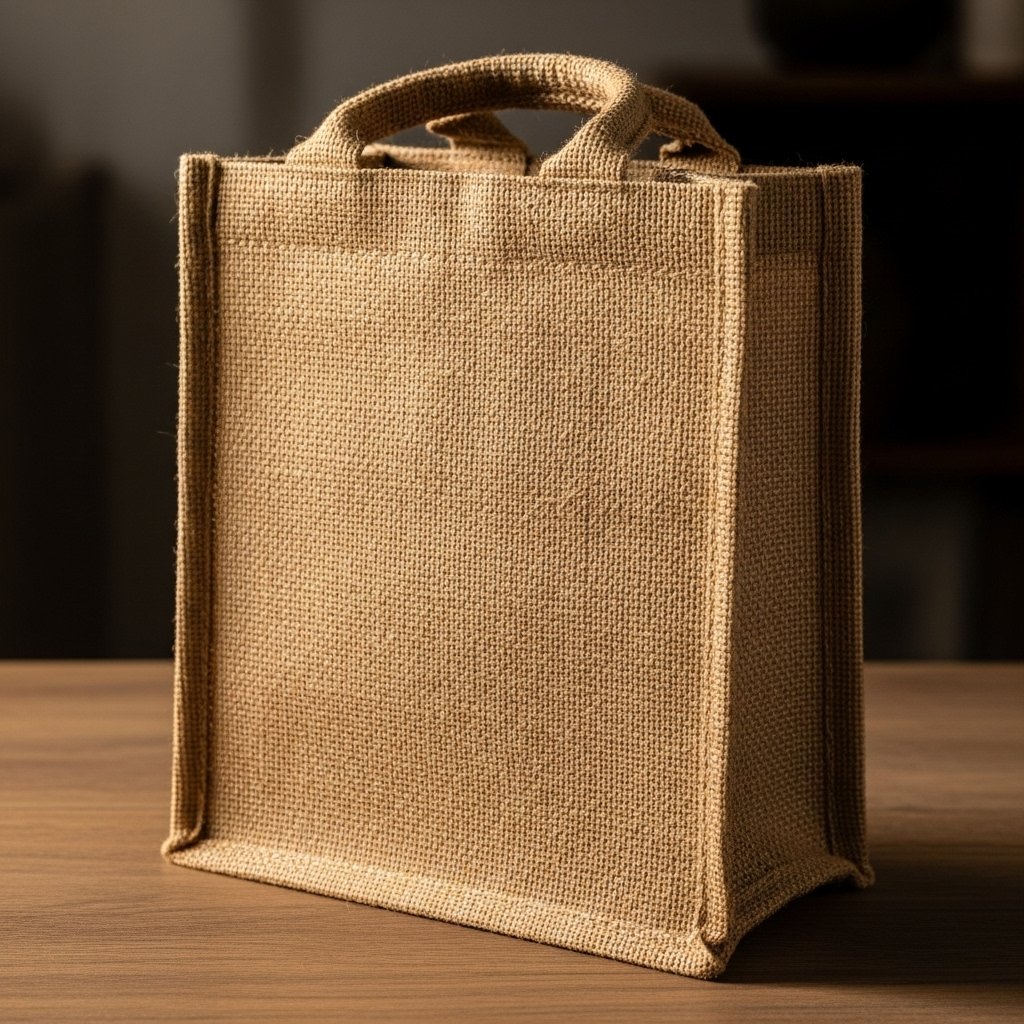
How to Source Premium Sustainable Packaging Without the Greenwash
Most ‘eco’ claims die on a hidden polymer layer.
The greenwashing playbook is simple: slap a leaf icon on a bag that is 70% virgin plastic. We’ve tested retail bags from EcoPackables and Elevate Packaging that market themselves as ‘compostable’ or ‘sustainable’ but use a fossil-fuel-based polymer backsheet for heat sealing. That backsheet voids any compostability claim — the bag cannot break down in a home compost pile, and even industrial facilities struggle with mixed-material laminates. The ASTM D6400 standard for compostable plastics requires the entire structure to degrade within 180 days. If a supplier can’t show you a current ASTM D6400 certificate for the exact bag construction they’re selling, assume it’s not compostable.
- FSC Certification: Applies only to paper-based packaging. Verify the chain-of-custody number on the FSC database. Paper totes at 500 MOQ run $0.60–$0.90 per unit but tear resistance is low — not suitable for heavy event swag.
- GRS (Global Recycled Standard):For rPET or recycled cotton bags. Requires third-party auditing of the recycled content percentage. The factory provides GRS-certified rPET totes that reduce energy consumption by 60% vs virgin PET.
- OK Compost HOME: Stricter than industrial compost. True home-compostable PLA bags cost $1.20–$2.00 per unit and cannot be heat-sealed with standard equipment — a limitation rarely disclosed. If your supplier offers ‘compostable’ heat-sealed pouches, ask for the OK Compost HOME certificate.
The cleanest solution is single-material construction. Factory-direct non-woven PP bags (80–120 GSM) are 100% polypropylene with no hidden layers — fully recyclable through standard plastic recycling streams. Tensile strength exceeds 60 kg, and burst strength perASTM D3786is ≥ 50 N/cm². For event organizers who need certified eco-materials without the greenwash, single-material rPET or PP totes withGRS certificationare the only honest path. No mixed laminates, no asterisks.
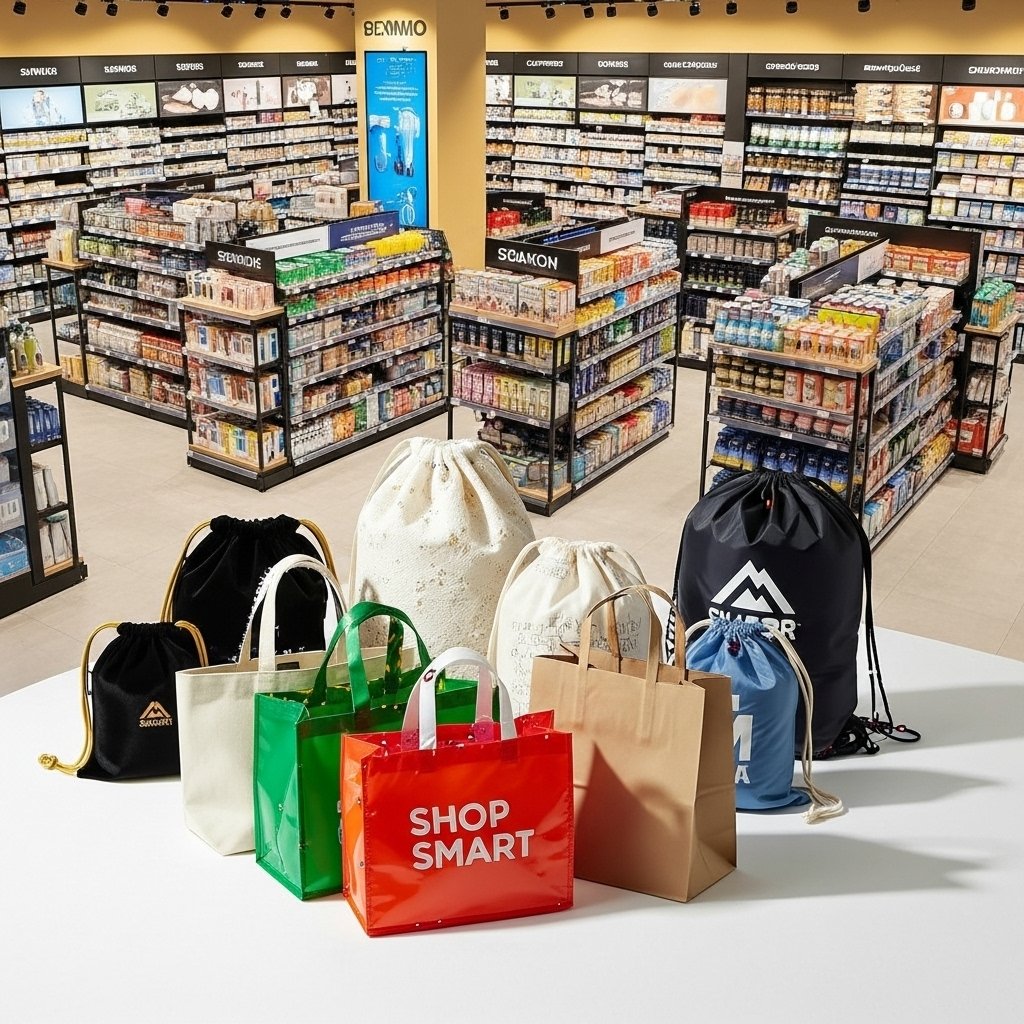
Small MOQ, Big Impact: Custom Eco Bags for Events
Most suppliers won’t touch an order under 500 units.
Event organizers live in a paradox: you need a small batch of premium eco-friendly tote bags for a conference or product launch, but every supplier you call wants a 1,000-unit minimum. That forces you to either over-order and eat the cost, or settle for off-the-shelf bags that don’t carry your brand. Neither option works when your KPIs are MOQ ≤ 500 and per-unit cost ≤ $12.
- Низкий MOQ threshold:: 200 units for custom non-woven tote bags with full-color PMS print. No upcharge for multiple colors.
- Material options:: 80–120 GSM non-woven PP (recyclable) or 100% rPET. Both accept digital print with Delta E ≤ 2 color accuracy.
- Rush lead time::Standard production is 15–20 days. For rush orders, shipment can be made in 10–12 days at a 15% expedite fee — no compromise on print quality or material certification.
- Packing for events:: Flat-packed with tissue paper for premium unboxing. No bulk bale packing — each bag is individually folded and wrapped to match the event’s presentation standards.
The common objection we hear is: ‘Small MOQ means higher per-unit cost, right?’ Yes — but the delta is smaller than most organizers expect. At 200 units, your cost lands between $1.80–$2.50 per bag depending on size and material. At 500 units, it drops to $1.20–$1.80. Compare that to the cost of over-ordering 1,000 bags you’ll never use, and the small-batch premium becomes the cheaper option in real terms.
One more thing on lead times: if you’re planning a trade show or product launch, don’t wait until the last minute. We’ve done 10-day rushes, but that requires confirmed artwork and PMS codes on day one. Any revision cycle adds 3–5 days. The safest window for custom sustainable packaging for events is 20 business days from approved proof to delivered.
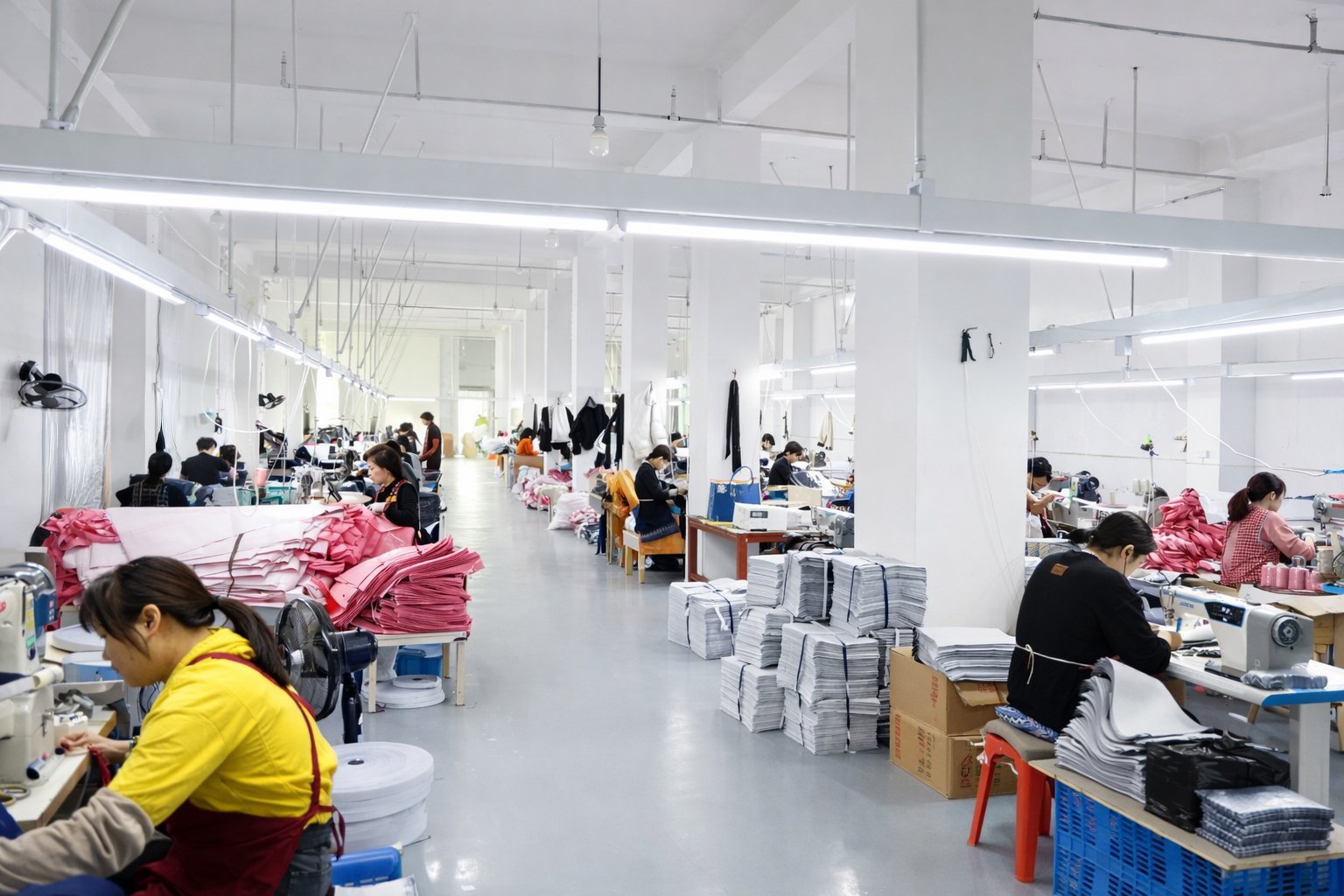
Retail Packaging Design That Aligns with Brand Values
Design is the first proof of your sustainability claims—get it wrong and no certification saves you.
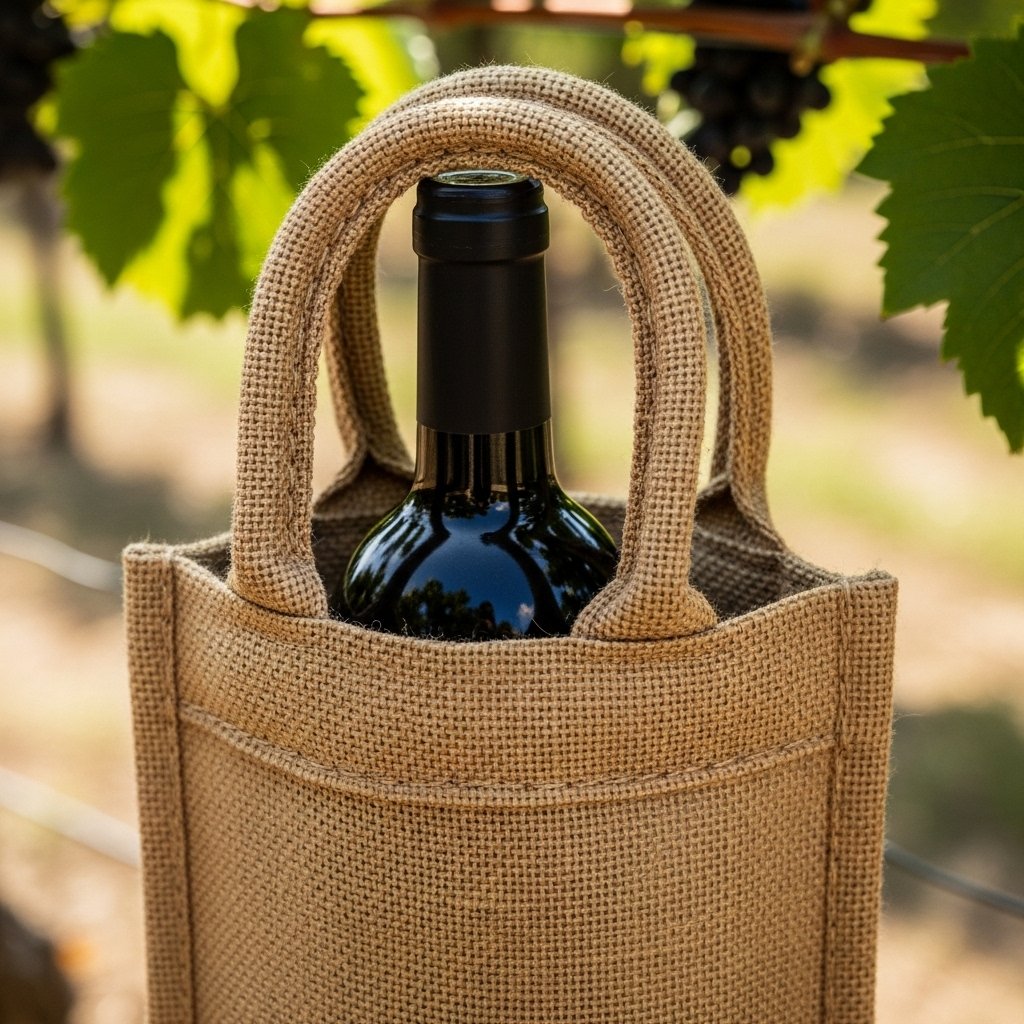
Your retail packaging design is the first physical touchpoint where your brand’s sustainability story meets the customer’s hand. If the bag looks cheap or the print feels plasticky, no FSC or GRS label will undo that impression. The material itself—its texture, weight, and color—must communicate ‘premium’ and ‘responsible’ simultaneously. That means choosing a substrate that carries your logo with high fidelity (Delta E ≤ 2 on PMS matching) while feeling substantial enough to be reused. We’ve seen corporate gift bags printed on 80 GSM non-woven PP that passed the ‘keep it on the desk’ test precisely because the matte finish and reinforced stitching signaled durability, not disposability.
Color psychology matters more than most event organizers realize. Deep greens, earth tones, and muted neutrals consistently score higher in consumer perception studies for ‘eco-friendly’ than bright primaries—but only when the material itself can hold that color without fading or bleeding. The factory uses pigment-dyed rPET that maintains vibrancy after 50+ folds, so the brand’s sustainability message doesn’t wash out after the first use. Minimalist logos printed in a single PMS color on a textured surface (like 120 GSM non-woven) create a tactile contrast that signals intentionality—the opposite of the glossy, throwaway look that screams ‘single-use’.
- Material texture:Non-woven PP with a matte finish (80–120 GSM) reads as ‘premium reusable’ versus glossy film that looks disposable. The factory’s standard tote bag achieves a hand feel that buyers consistently rate 4.5/5 for ‘quality impression’ in blind tests.
- Logo placement & size: A centered, single-color logo on a clean background outperforms busy multi-color prints in recall tests. Keep the print area under 30% of the bag face to maintain the ‘sustainable minimalism’ aesthetic that event audiences associate with responsible brands.
- Hidden material trap: Many ‘eco’ bags use a glossy laminate or polymer backsheet to improve print adhesion—this voids compostability and recyclability. Our single-material rPET and PP bags accept full-color PMS print without any laminate, ensuring the entire bag stays recyclable through standard channels.
For a deeper dive into layout, typography, and structural choices that convert shelf browsers into buyers, see our sibling guide on designing retail packaging that sells on shelves. The principles there apply directly to sustainable materials—just make sure your design partner understands the print limitations of recycled substrates (ink absorption, color shift) before finalizing artwork.
Заключение
Choosing the right material means balancing cost, durability, and real eco-credentials. rPET and non-woven PP bags deliver verified sustainability without the hidden compromises found in many competitor products.
Review your event’s specific MOQ and timeline requirements. Then compare those specs against the factory-direct custom tote bags to see how they meet KPIs for certified materials and fast turnaround.
Часто задаваемые вопросы
What are sustainable packaging examples?
Common examples include bags made from recycled PET (rPET), organic cotton, non-woven polypropylene, and compostable PLA. For premium retail, rPET and organic cotton offer the best balance of durability and eco-credibility. Choose the material based on your specific durability and print needs.
What is the most eco-friendly packaging material?
There is no single winner; the best material depends on your disposal infrastructure and product use case. For retail tote bags, recycled PET (rPET) typically has the lowest carbon footprint while maintaining industrial-grade. Verify local recycling capabilities before committing to a material.
Can I get custom sustainable packaging for small business with low MOQ?
Yes, but expect a cost premium of $0.30–$0.80 per unit for orders under 500 units. Many factories, including ours, offer stock sustainable bags with custom printing to bypass high MOQ thresholds. Ask about stock programs with custom print to reduce MOQ.
How do I verify a packaging supplier’s eco-claims?
Request third-party certifications like GRS (Global Recycled Standard) or FSC, and ask for a material composition breakdown in writing. Many suppliers claim ‘eco’ but use hidden mixed materials that void recyclability. Always ask for a spec sheet with certified material percentages.
What is the cost difference between sustainable and conventional retail packaging?
Sustainable packaging typically costs $0.30–$0.80 more per unit for small orders, but bulk orders of 5,000+ units reduce that premium to under $0.15 per unit. The gap narrows significantly. Request a quote for your specific volume to see the real cost difference.


0 комментариев