



Needle detection is the compliance step bag and textile buyers most often discover too late: a retailer’s receiving audit finds a broken needle fragment in a seam, and the order becomes a recall conversation. Japanese market programs made needle detection a de facto requirement decades ago, and UK and EU school-supply programs increasingly follow. This guide explains what needle detection machines actually find, what a detection certificate must say, and the factory-side controls that make the certificate true, within the compliance file described in our quality compliance resources.
The physics is ferromagnetic: needle detection machines sense ferrous metal magnetically, and their sensitivity is stated in millimeters of ferrous sphere, commonly 1.0 to 1.2 mm for bag production calibrated pieces, with the test piece cadence documented by the machine maker. Detection differs from X-ray, which sees non-ferrous contamination too, and buyers deciding between the two should start from what their market actually requires, referencing materials and product testing methods published by bodies such as ASTM International for the underlying test discipline.
What the machines find, and what they miss
Metal detectors find ferrous fragments reliably down to about a millimeter, and non-ferrous metals only at larger sizes. They find nothing that is not metal: plastic needle tips, glass, and bone buttons pass through. X-ray finds both metal densities and dense non-metals at higher equipment cost. For bag production the practical risk is broken sewing needles and their fragments, all ferrous, which is why calibrated metal detection remains the industry default, paired with the older control that actually prevents the problem: a broken needle policy where every snapped needle is accounted for in all its pieces.
| Control | What it does | Cadence |
|---|---|---|
| Broken needle log | Accounts for every needle piece | Per incident, all sewing stations |
| Metal detection pass | Scans each finished bag | 100 percent of units |
| Calibration test pieces | Verify machine sensitivity each shift | Start, mid, end of run |
| Certificate per lot | Documents detection for the shipment | Per shipment, referenceable |
What the detection certificate must say
A detection certificate worth its paper names four things: the detection machine and its calibrated sensitivity in millimeters, the verification cadence with test-piece records for the production window, the lot or PO number the pass applies to, and a 100 percent pass statement for the shipment quantity. Certificates that say only “metal detected, OK” answer none of the questions an auditor asks, and the documentation habits mirror the certificate-checking discipline in our colorfastness testing guide: dates, scope and reference numbers, every time.
The factory controls that make it true
Detection works when the upstream controls do. A broken needle policy that requires presenting every fragment before a replacement needle is issued removes the loose-fragment problem at the source. Calibration test pieces run at shift start, mid-run and end prove the machine was sensing during the whole window. And the detection stage sits after final packing where possible, so the passing unit is the shipping unit, with no metal-added steps after the scan. Buyers can verify all three with a line walk during an audit, the same floor-level checks described in our factory audit red flags guide.
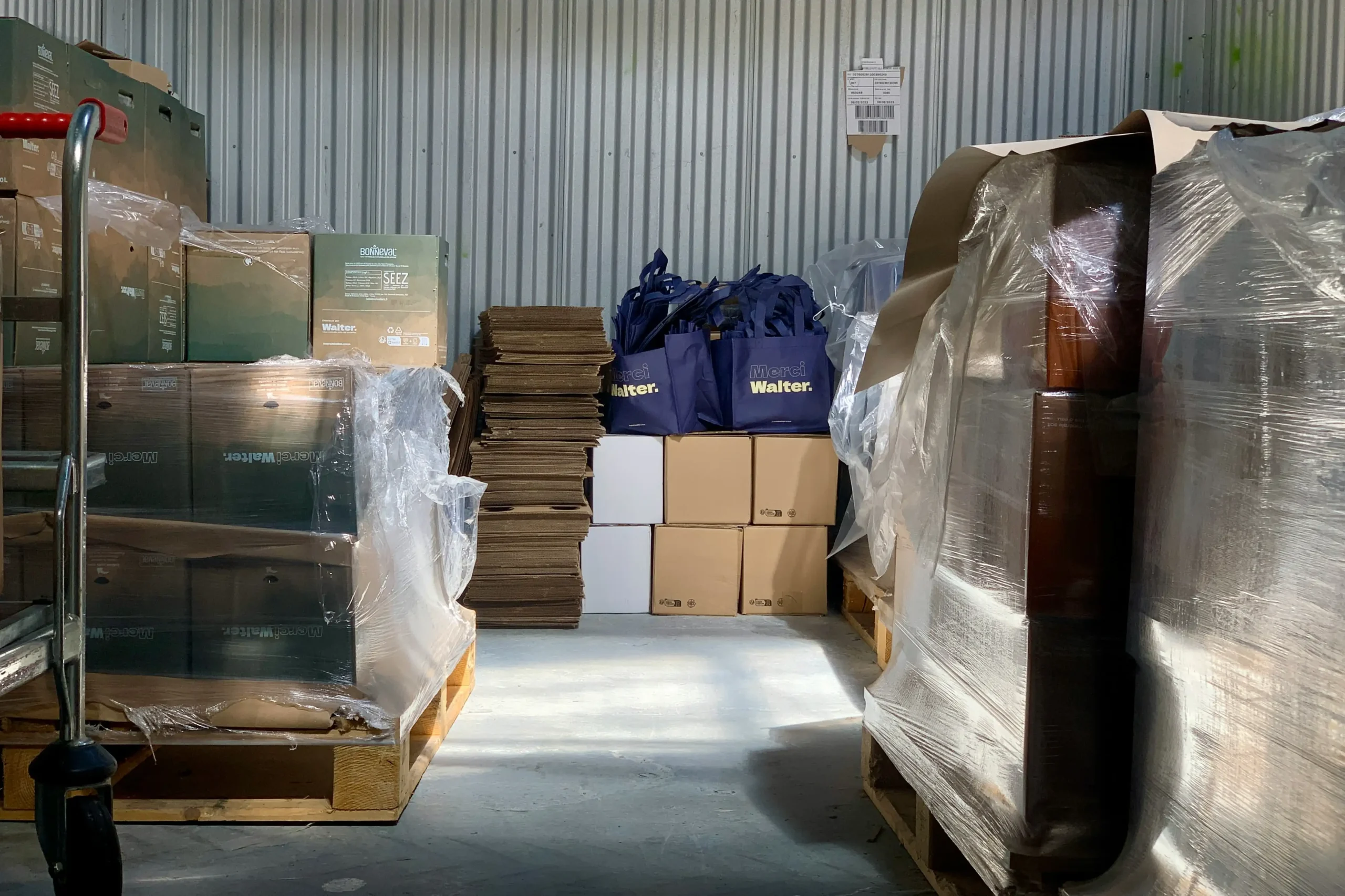
Video: bag production from our line
The clip shows the finishing and packing stages around the detection step, where the certificate is earned.
Frequently asked questions
Is needle detection mandatory for bag exports?
Not by universal law, but Japanese retail programs require it in practice, and school-supply and UK programs increasingly follow; the requirement lives in the buyer’s vendor manual, not in customs law.
Can a machine see a non-ferrous fragment?
Metal detection senses ferrous metal best; brass and stainless fragments need larger sizes or X-ray equipment to catch reliably.
What sensitivity should bag production run?
Commonly calibrated to a 1.0 to 1.2 millimeter ferrous test sphere for finished bags, verified with test pieces each shift.
Does detection replace a broken needle policy?
No. The policy prevents fragments from existing; detection is the verification layer. Programs with both have the low incident rates.




0 комментариев