



Cooler and insulated bags look like simple sewn goods until the first temperature-test report arrives: the same outer dimensions can hold ice for 12 hours or 48 depending on foam, liner and zipper choices the buyer never specified. For distributors building a cooler line, the insulation system is the product. This guide compares the foam types, liner constructions and closing systems that decide cold retention, within the insulated range shown on our cooler and insulated bags page.
Thermal claims are testable claims, and the test methods published by standards bodies including ASTM on the official ASTM site cover the thermal-insulation measurement principles behind an ice-retention number; buyers should ask which method and conditions sit behind any hours-of-cold claim on a quote sheet.
Insulation foams: three constructions, three price points
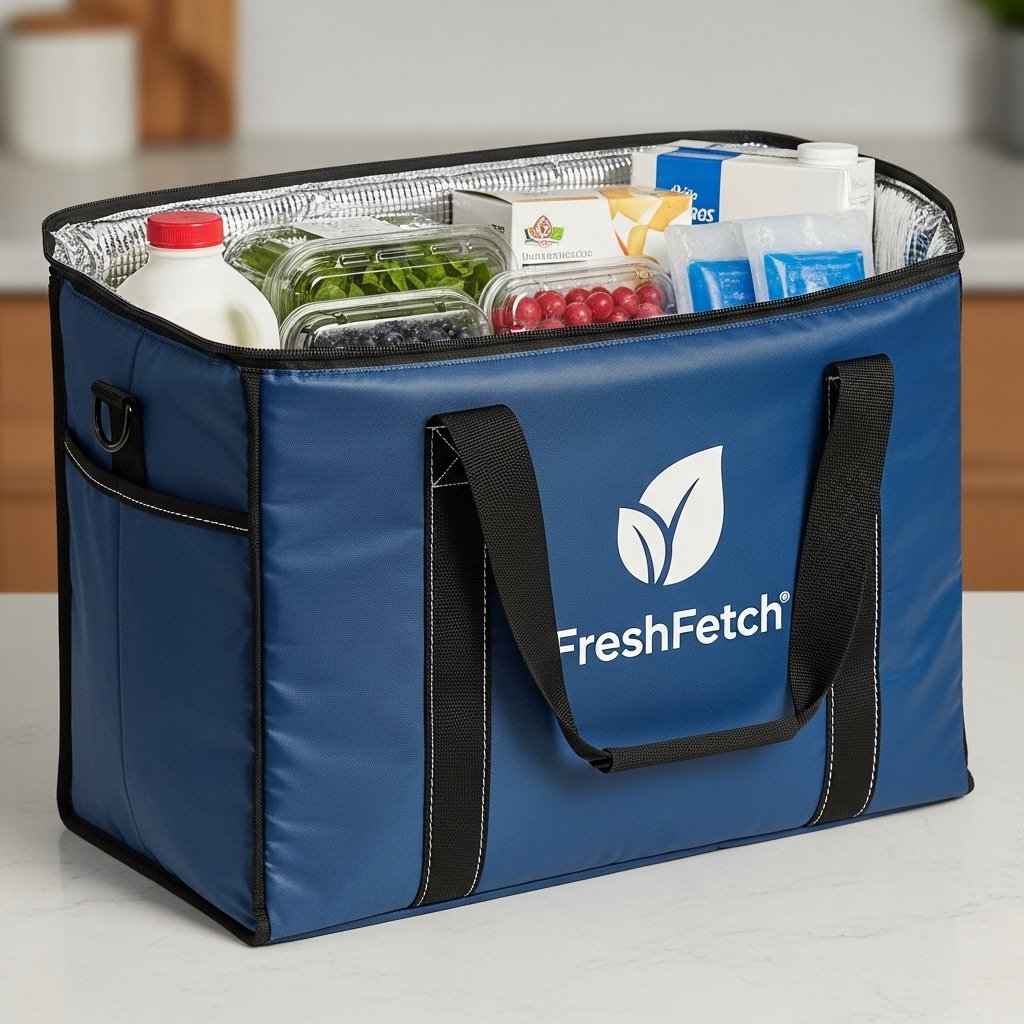
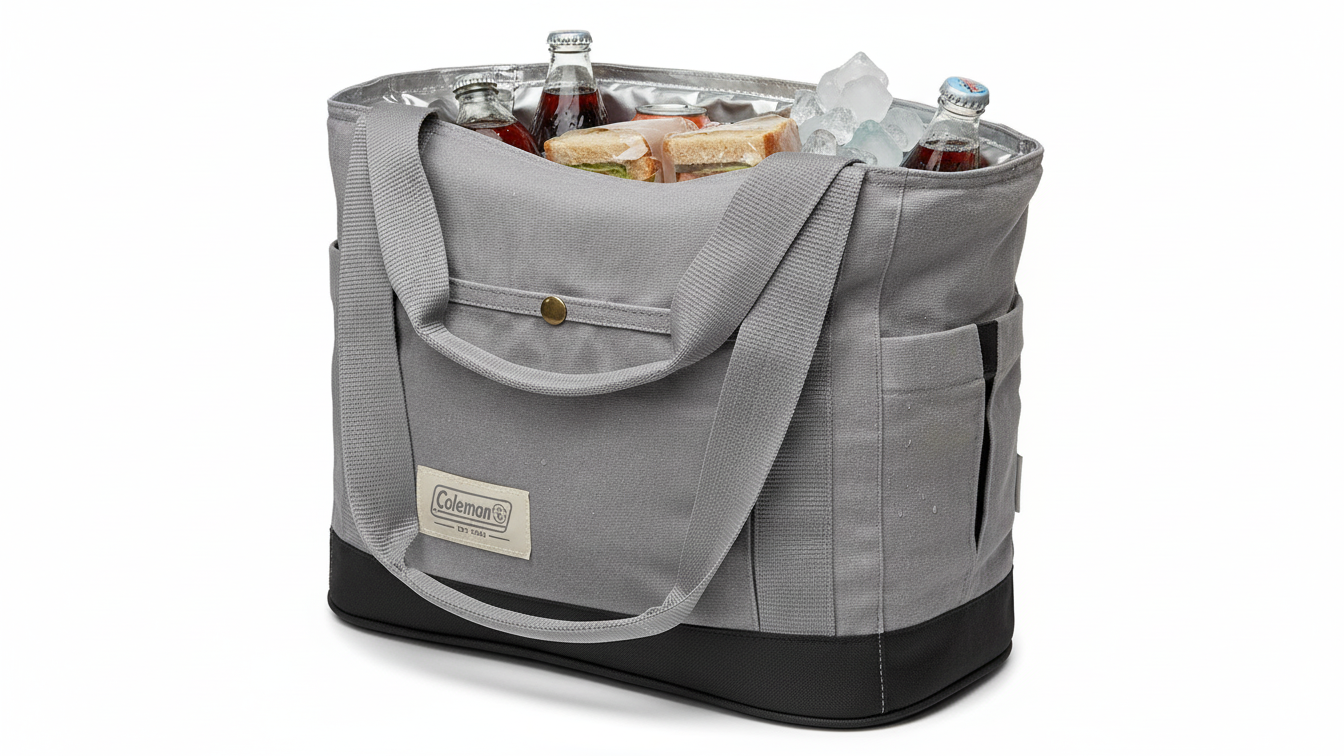
Cooler bags insulate with a foam layer between outer shell and liner, and three constructions dominate. Closed-cell PE foam, 3 to 5 millimeters in typical lunch formats, is the workhorse: light, water-resistant and cheap, with moderate retention. Thicker PE stacks, 5 to 8 millimeters, push retention into the multi-day range for larger soft coolers. And reflective foil laminates, used as the inner face, add radiational blocking for pennies, which is why nearly every insulated bag pairs foil with PE. The second-tier upgrade is EPE or dual-density foam, which resists compression set, the flattening that kills insulation in bags stored squashed under a bar counter.
| Construction | Typical spec | Retention behavior |
|---|---|---|
| PE foam 3-5 mm + foil liner | Lunch and grocery formats | Hours of cold, budget friendly |
| PE 5-8 mm dual layer | Large soft coolers | Extended retention, heavier |
| EPE / dual-density | Premium programs | Resists compression set in storage |
Liners and closures: where cold actually escapes
The liner is the vapor barrier, and the choice runs PEVA versus nylon with TPU film: PEVA wipes clean and costs less, TPU nylon is tougher and stands up to ice cubes and sliding cans. Closures leak cold faster than walls, so zipper quality is a spec line, not a trim: a coil zipper with a storm flap retains measurably better than an open-end zipper with no flap. Seam construction completes the system, and the stitching densities discussed in our SPI and stitch density guide apply with an extra rule for coolers: needle holes are micro-leaks, so seam tape or welded seams earn their premium where retention claims are aggressive.
The test protocol behind an hours-of-cold claim
An honest retention number carries conditions: ambient temperature, starting ice ratio, and the pass threshold. A workable buyer spec: fill two-thirds with ice, seal at room temperature of about 23 degrees Celsius, and measure hours until the ice mass drops below half. Under that protocol, the construction tiers above produce meaningfully different numbers, and the same protocol can be run on production samples at inspection rather than trusting the brochure. The labeling angle matters too: care labels and material declarations follow the compliance lines in our care labels guide, because insulated bags combine foam, film and fabric, each with its own fiber disclosure.
Video: insulated bags in production
The clip shows cutting, foam lamination and sewing, where the retention spec becomes physical.
Frequently asked questions
Which foam keeps ice longest in a soft cooler?
Thicker PE, 5 to 8 millimeters, or dual-density EPE in premium builds: more foam volume with low conductivity means slower melt, at the cost of weight and packed volume.
Does the zipper really matter for cold retention?
Yes: the closure is the weakest thermal point. Coil zippers with storm flaps outperform open-end zippers measurably on the same body.
PEVA or TPU liner for grocery coolers?
PEVA wipes clean and suits budget grocery programs; TPU-coated nylon survives ice, abrasion and repeated commercial use, which premium programs specify.
How should an hours-of-cold claim be verified?
Define the protocol: two-thirds ice fill, about 23 degrees Celsius ambient, pass threshold at half the ice mass. Run it on production samples, not just the brochure number.

0 комментариев