Skip to content


Confused by too many options when sourcing non-woven bags in bulk? Let’s simplify the world of PP bags for buyers.
Non-woven polypropylene bags are cost-effective, durable, and highly customizable, making them ideal for wholesale and OEM buyers.
Explore every aspect from materials to global shipping so you can make smarter, more confident purchase decisions.
What Is Polypropylene Fabric and Why It’s Ideal for Bulk Tote Bags?
Not sure what makes PP fabric so suitable for reusable bags?
Polypropylene is a lightweight plastic that’s durable, water-resistant, and perfect for eco-friendly non-woven tote bags.
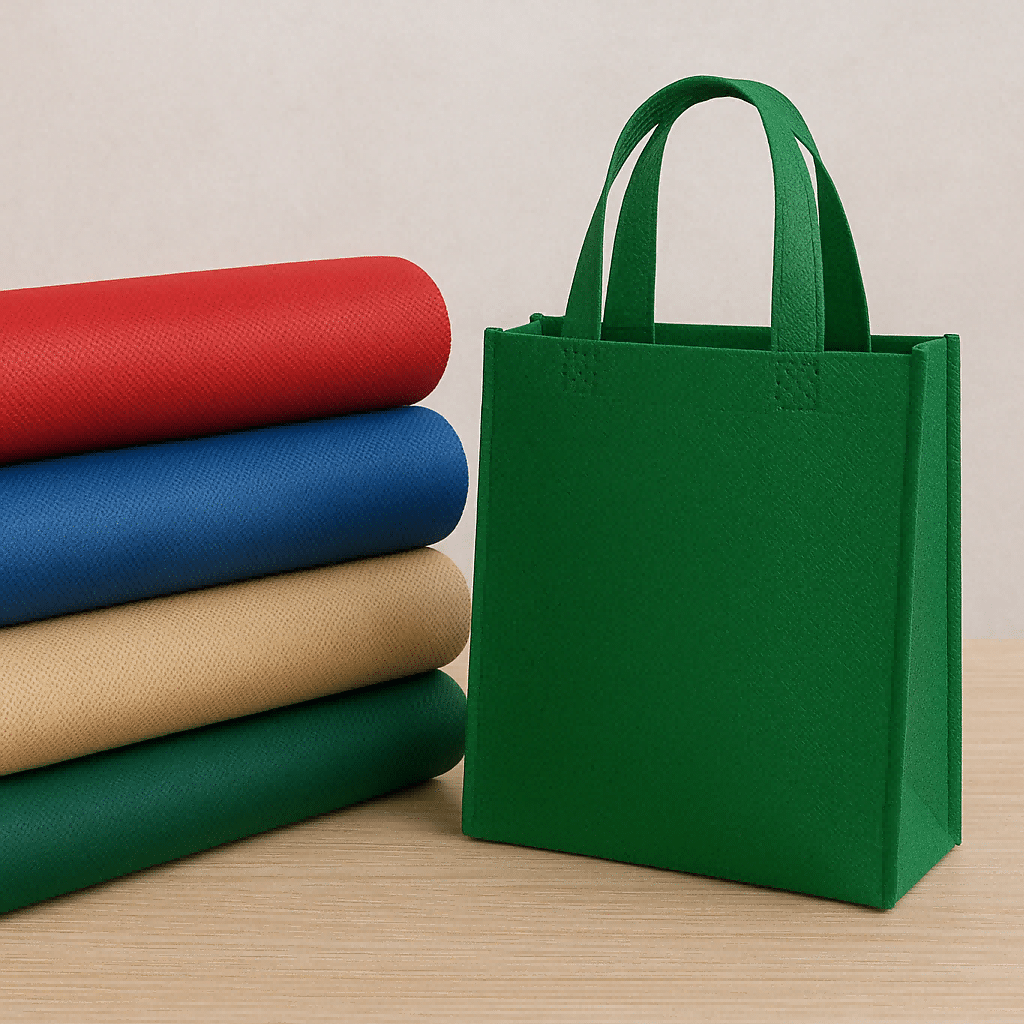
Understanding the Material
Polypropylene (PP) is the most widely used raw material in non-woven bag manufacturing. It’s produced through a melt-blown or spun-bond process1 where plastic pellets are converted into fibers and bonded together. The result is a fabric-like material with structure, breathability, and cost-efficiency.
It also ranks among the top materials for bags used in retail, supermarkets, and promotional events due to its superior blend of price and performance.
| Feature | Description |
|---|---|
| Weight | Lightweight but strong |
| Water Resistance | High – repels moisture |
| Printability | Excellent – supports full-color graphics |
| Environmental Impact | Recyclable (but not biodegradable) |
| Temperature Range | Up to 130°C (for printing and sealing) |
PP vs. Other Non-Woven Materials – A Smart Choice for Wholesale Orders?
Wondering how PP compares with PET or cotton?
PP non-woven is the most cost-effective and versatile option for high-volume wholesale and OEM projects.
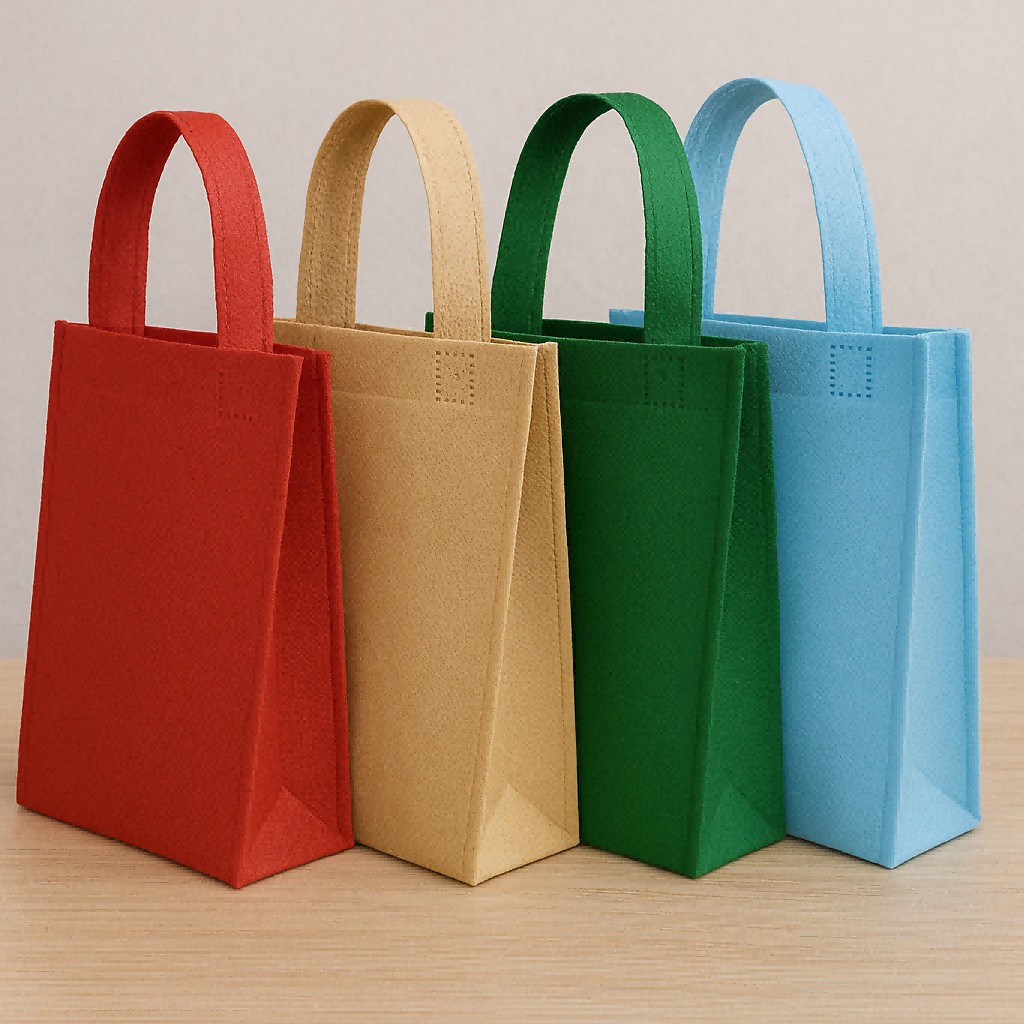
Material Comparison for Buyers
In addition to PP, you may encounter RPET (recycled PET)2, PET, PLA (corn-based biodegradable material)3, or cotton non-wovens. For B2B bulk buyers, PP offers the best value. RPET is better for eco-branding but more expensive. PLA is compostable but not widely recyclable. Cotton is eco-friendly but heavy and costly for export.
| Material | Cost | Print Quality | Water Resistance | Eco Appeal | Lead Time |
|---|---|---|---|---|---|
| PP | ★★★★★ | ★★★★★ | ★★★★★ | ★★★☆☆ | Short |
| RPET | ★★★★☆ | ★★★★☆ | ★★★★☆ | ★★★★★ | Medium |
| Cotton | ★★☆☆☆ | ★★★☆☆ | ★★☆☆☆ | ★★★★★ | Long |
| PLA | ★★☆☆☆ | ★★☆☆☆ | ★★☆☆☆ | ★★★★☆ | Long |
Popular Uses: Grocery, Retail, Healthcare & More?
Which industries use non-woven PP bags and why?
From groceries to clinics, PP bags are used across sectors due to their functionality and affordability.

A Bag for Every Application
PP bags are commonly used in supermarkets as eco alternatives to plastic bags. Retailers use them for branding with vivid prints. Hospitals use sterile pouches or supply kits made from breathable non-woven PP. Government and NGOs use them for campaign giveaways or public events.
Their customization flexibility allows brands to align bag design with seasonal promotions, loyalty programs, or product packaging strategies.
| Industry | Typical Application | Special Requirements |
|---|---|---|
| Grocery | Shopping bags | High load capacity |
| Retail Fashion | Brand logo tote bags | Full-color, stylish design |
| Healthcare | Supply kits, medication bags | Sterile, breathable |
| Education | School event giveaways | Durable, lightweight |
| Events/Exhibitions | Swag bags, brochures | Visual appeal, low cost |
How GSM Affects Strength, Feel, and Pricing (30–120 GSM Explained)?
Confused by GSM numbers when comparing quotes?
GSM (grams per square meter) is crucial in sourcing — it determines fabric thickness, affecting durability, texture, and priceGSM4.
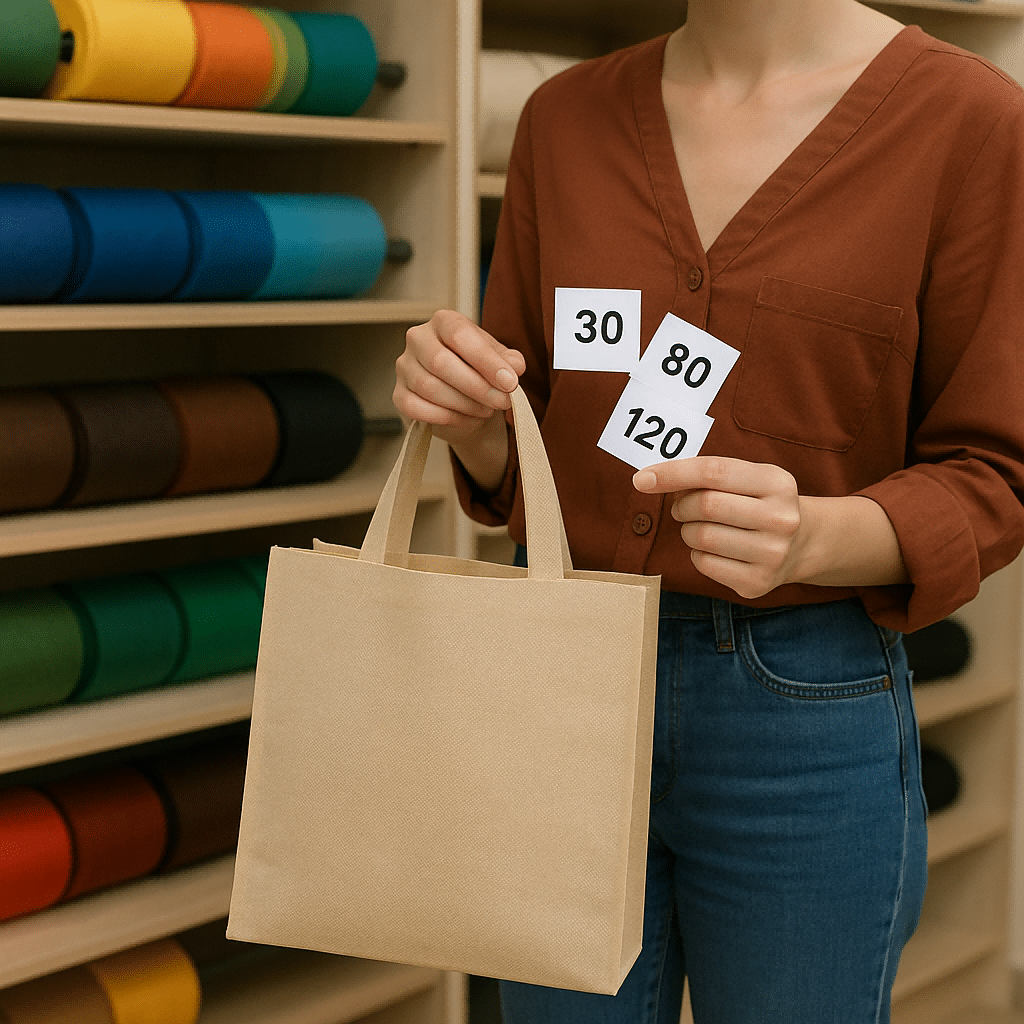
GSM Explained for Sourcing
GSM is crucial when choosing the right bag for your use. Thinner fabrics (30–50 GSM) are often used for promotional giveaways. Medium thickness (70–90 GSM) is suited for daily use like supermarket bags. Premium bags (100–120 GSM) are more rigid, suitable for boutique shopping or corporate gifting.
| GSM Range | Thickness | Suggested Use Case | Cost Index |
|---|---|---|---|
| 30–50 GSM | Very Thin | Trade fair giveaways | Low |
| 60–80 GSM | Medium | Grocery, supermarket bags | Moderate |
| 90–120 GSM | Thick | Fashion, premium promotions | Higher |
Customize Like a Pro – Handles, Gussets, Stitching & More?
Need custom features but unsure what options exist?
From die-cut handles to reinforced stitching, PP bags can be tailored to your exact specifications.

Functional & Aesthetic Customization
Customization makes your bags functional and brand-specific. You can select stitching type (ultrasonic, sewn), gusset width, surface treatment (lamination or not), and add-ons like Velcro or zipper closures.
| Custom Feature | Available Options | Advantage |
|---|---|---|
| Handles | Die-cut, heat-sealed, rope, loop, nylon | Fits brand and user comfort |
| Gussets | Bottom, side, full | Adds volume and stability |
| Stitching | Heat seal, overlock sewing, binding | Affects strength and appearance |
| Closures | Zipper, Velcro, snap, button | Secures content, adds function |
| Accessories | Card pocket, PVC window, inside lining | Value-adds for high-end bags |
Laminated PP Bags for a Premium, Branded Look?
Want your bags to stand out with a glossy finish?
Lamination adds shine, durability, and makes bags suitable for vibrant full-color printing.
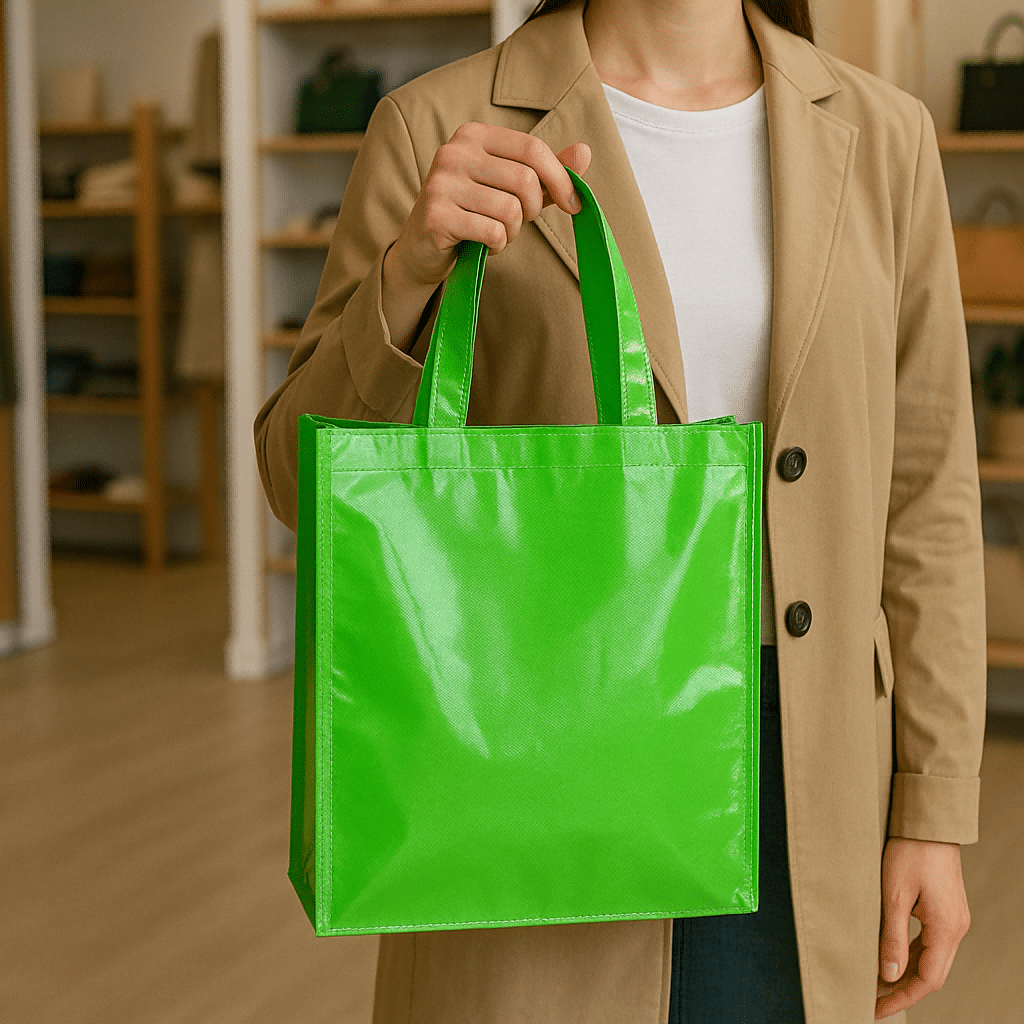
Glossy vs Matte Lamination
Lamination can either enhance print vibrancy (glossy) or convey elegance (matte). Laminated PP bags also resist scratches, moisture, and tearing, making them suitable for export packaging or retail display.
For B2B clients in cosmetics, wine, apparel, or electronics, laminated bags help build brand trust through better presentation.
| Lamination Type | Finish | Marketing Benefit |
|---|---|---|
| Glossy | Reflective | Attention-grabbing visuals |
| Matte | Elegant, soft | Premium, minimalist branding |
| Unlaminated | Fabric feel | Eco messaging, low budget |
Waterproof & Wipe-Clean PP Bags – Built for Daily Demands?
Do your customers need bags that survive real-life messes?
Laminated PP bags are waterproof and can be wiped clean easily, making them ideal for daily, repeated use.

Real-World Resilience
Customers love bags that last. Laminated PP bags repel rain, spills, and oil—perfect for food delivery, groceries, and school use. Their durability makes them ideal for government campaigns or high-frequency commercial applications.
Breathable or Non-Breathable? Choose the Right PP for Your Application?
Not all PP is the same—some let air pass, some don’t.
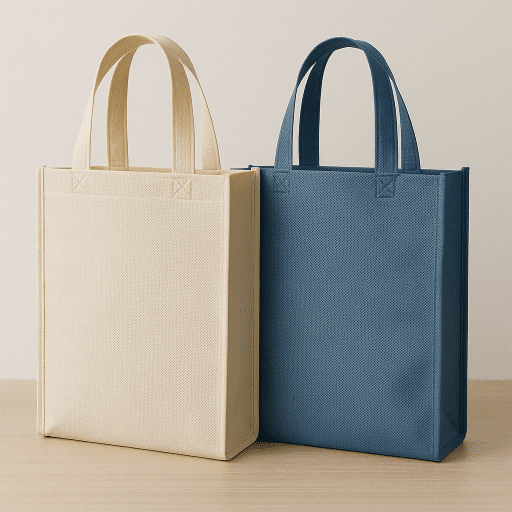
Non-laminated PP allows breathability, making it suitable for fresh items, whereas laminated PP offers full protection from moisture.
Choose Based on Contents
Use breathable PP for storing fruits, vegetables, and textiles where ventilation is crucial. For liquids, toiletries, or frozen products, use laminated non-breathable variants to keep moisture out and branding intact.
| Feature | Laminated PP | Unlaminated PP |
|---|---|---|
| Water Protection | ★★★★★ | ★★☆☆☆ |
| Breathability | ☆☆☆☆☆ | ★★★★☆ |
| Use Case | Cosmetics, Retail | Grocery, Produce |
GSM, Size & Print – How Pricing Works for Bulk Orders?
Tired of vague quotes from suppliers?
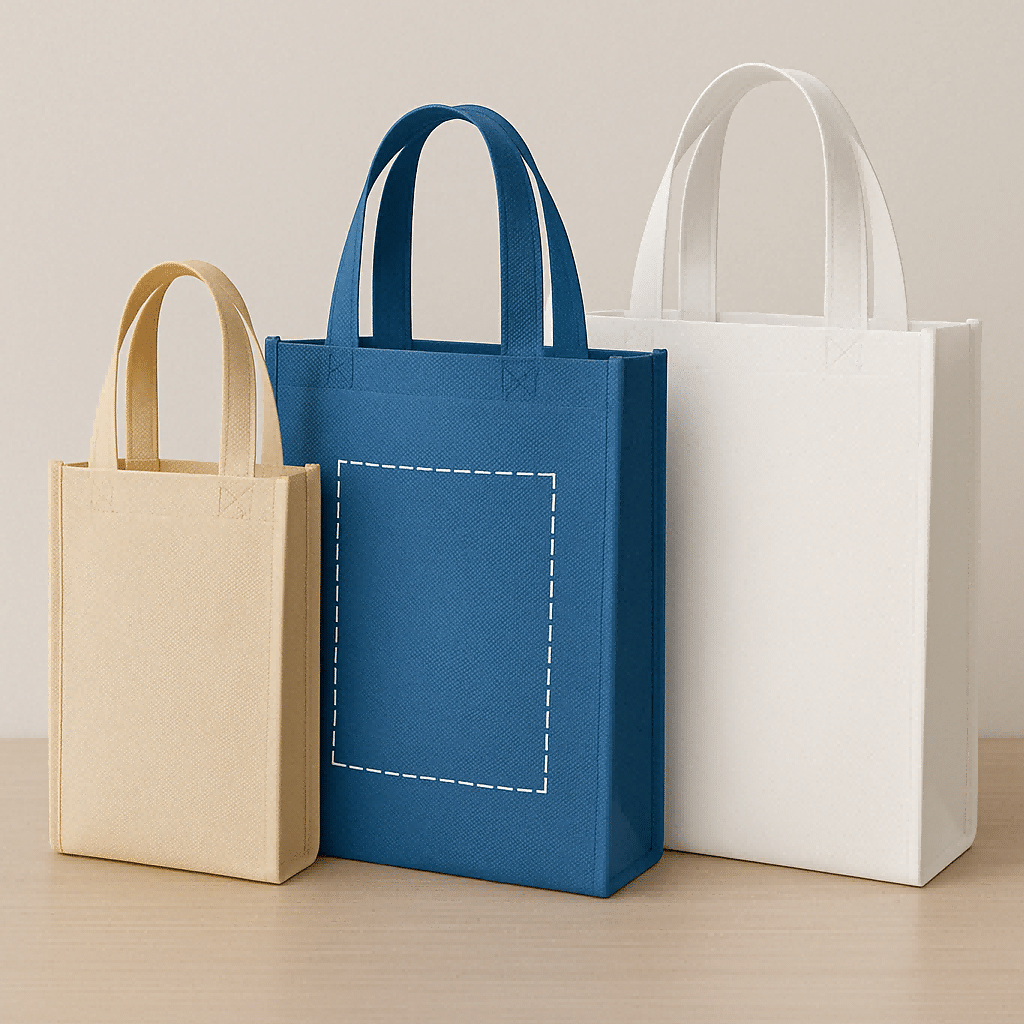
Pricing is based on GSM, bag dimensions, print method, quantity, and customization features.
Understand the Cost Drivers
When quoting, suppliers calculate cost per bag based on: fabric consumption (GSM × size), printing surface (1C vs full-color), stitching vs ultrasonic sealing, and labor complexity. Add-ons like zippers or inside pockets increase cost but add perceived value.
| Factor | Cost Influence | Description |
|---|---|---|
| GSM | High | Heavier fabric = more cost |
| Printing Area | Medium | Large logo or photo printing adds cost |
| Order Quantity | Low (per unit) | Bulk orders get lower unit pricing |
| Accessories | High | Zippers, custom handles add labor |
Global Shipping & Export Solutions – MOQ, Packing & Lead Time Made Easy?
Worried about international shipping complexity?
Experienced PP bag manufacturers offer clear solutions for MOQ5, export packaging, and logistics timelines, including terms like FOB or CIF6.

Shipping Made Simple
Most factories offer FOB or CIF pricing, support LCL or full container loads, and work with freight forwarders. Packing options include compressed bundles, flat-packing, or carton packing, depending on client storage space and local customs requirements.
| Shipping Item | Standard Approach |
|---|---|
| MOQ | 1,000–5,000 pcs |
| Lead Time | 15–30 days based on volume |
| Packing Type | Flat pack, bundle, carton |
| Port of Loading | Shenzhen, Ningbo, Qingdao |
| Payment Methods | T/T, LC, Alibaba Trade Assurance |
Conclusion
Non-woven polypropylene bags offer a powerful balance of performance, price, and customization. Whether you’re sourcing for supermarkets, cosmetic brands, events, or export markets, PP bags deliver branding value with environmental responsibility.
Understanding melt-blown or spun-bond process1, benefits of RPET2, PLA3, GSM4, and terms like MOQ5 and FOB/CIF6 empowers smarter sourcing decisions.
-
Learn how PP fabric is made via melt‑blown or spun‑bond, affecting structure and cost. ↩ ↩
-
Discover why recycled PET is eco‑friendly and ideal for green branding. ↩ ↩
-
Understand PLA as a corn‑based biodegradable alternative worth noting. ↩ ↩
-
See how GSM affects bag strength, texture, and pricing scales. ↩ ↩
-
Know what Minimum Order Quantity means in sourcing terms. ↩ ↩
-
Clarify FOB vs CIF shipping terms for international trade. ↩ ↩