

Insulated bags are a popular choice for keeping food and beverages at the desired temperature, but how long do they really last? Whether you’re using one for groceries, baby bottles, or transporting perishables, understanding their durability and effectiveness is essential.
Insulated bags1 can last several years with proper care, while their thermal performance typically retains food and beverages at safe temperatures for 2 to 6 hours.
Let’s explore the lifespan, performance, and effectiveness of insulated bags in various scenarios.
How Long Do Insulated Bags Last?

The durability of an insulated bag depends on its material, frequency of use, and care. How long can you expect it to hold up?
Insulated bags can last 2 to 5 years2 on average, depending on the quality of the materials and maintenance.
Dive Deeper: Factors Influencing Lifespan
-
Material Quality
- High-quality materials like thick insulation layers, waterproof linings, and durable outer fabrics ensure a longer lifespan.
-
Frequency of Use
- Regular use may cause wear and tear, especially on zippers, seams, and handles.
-
Care and Maintenance
- Cleaning the bag properly and avoiding overloading or exposing it to sharp objects can extend its durability.
| Factor | Impact on Lifespan |
|---|---|
| Material Quality | Premium materials last longer. |
| Usage | Frequent use may shorten life. |
| Proper Maintenance | Extends usability. |
Investing in a well-made insulated bag and taking care of it can ensure years of reliable use.
How Long Can Groceries Stay in an Insulated Bag?

Transporting groceries, especially perishable items, requires effective insulation to keep them fresh. How long can an insulated bag maintain their temperature?
Groceries can stay safe3 in an insulated bag for 2 to 6 hours, depending on the external temperature and whether ice packs are used.
Dive Deeper: Keeping Groceries Fresh
-
With Ice Packs
- Adding ice packs can extend the cooling duration by several hours.
-
External Temperature
- In hot weather, the insulation may be less effective, reducing the time groceries stay cool.
-
Type of Items
- Perishables like dairy and meat require consistent cooling, while non-perishables are less sensitive.
| Grocery Type | Safe Time in Bag |
|---|---|
| With Ice Packs | Up to 6 hours |
| Without Ice Packs | 2 to 4 hours |
| Frozen Items | Best transported with ice packs. |
Planning your trips and supplementing with cooling aids ensures groceries remain fresh longer.
How Long Can You Keep a Baby Bottle in an Insulated Bag?
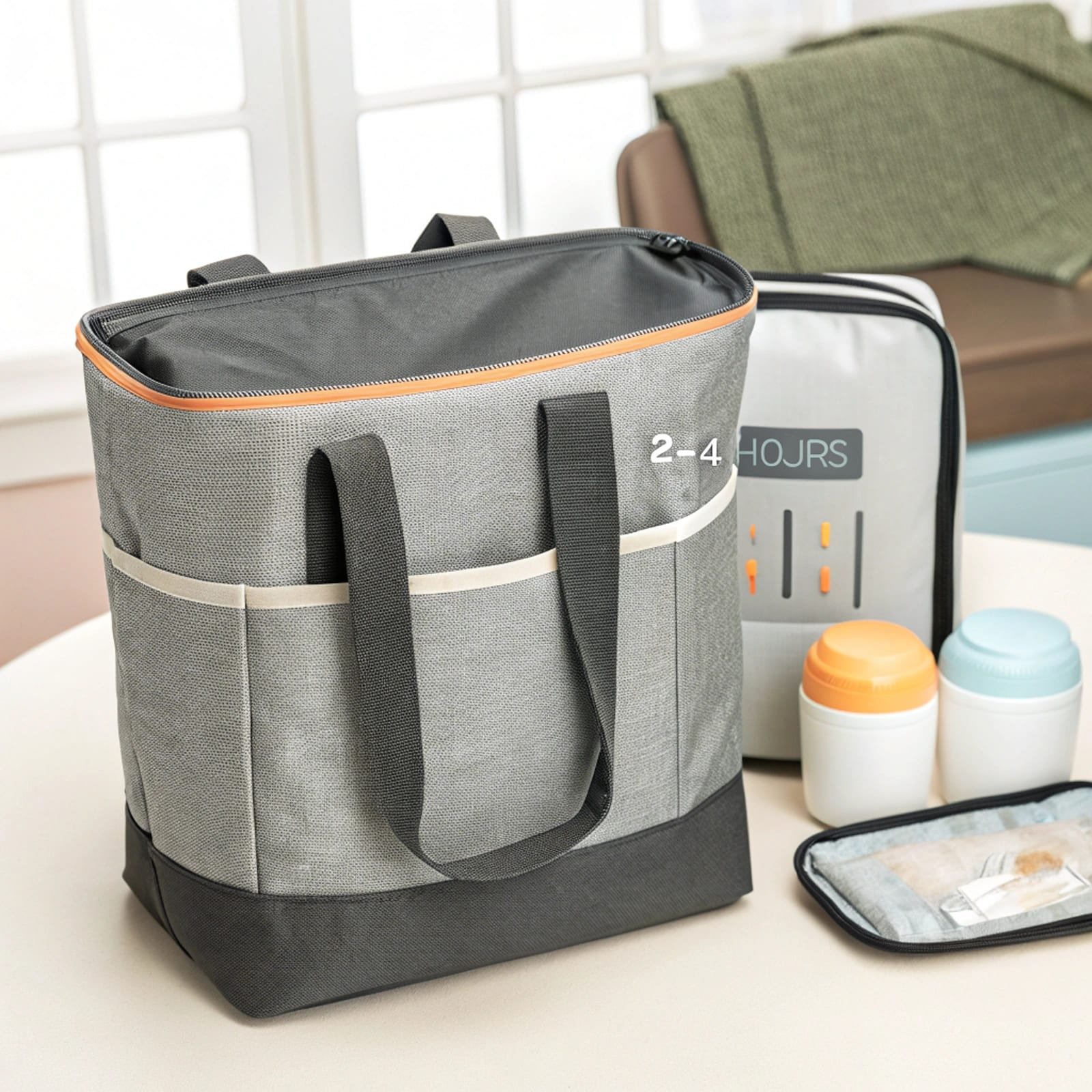
Parents rely on insulated bags to keep baby bottles at the right temperature, but how long can these bags maintain it?
Baby bottles can stay warm or cool4 in an insulated bag for 2 to 4 hours, depending on the bag’s quality and insulation thickness.
Dive Deeper: Factors Affecting Baby Bottle Temperature
-
External Temperature
- Hot weather may reduce the bag’s ability to keep bottles cool, while cold weather impacts its ability to keep them warm.
-
Pre-Heating or Pre-Cooling
- Preparing the bag with warm or cold items like gel packs can extend the duration.
-
Material and Insulation
- Bags with multi-layer insulation are more effective at maintaining temperature.
| Temperature Goal | Duration |
|---|---|
| Keep Warm | 2 to 4 hours |
| Keep Cool | 3 to 6 hours with ice packs. |
For longer trips, consider using additional insulation or portable bottle warmers.
How Long Can Milk Stay in an Insulated Bag?
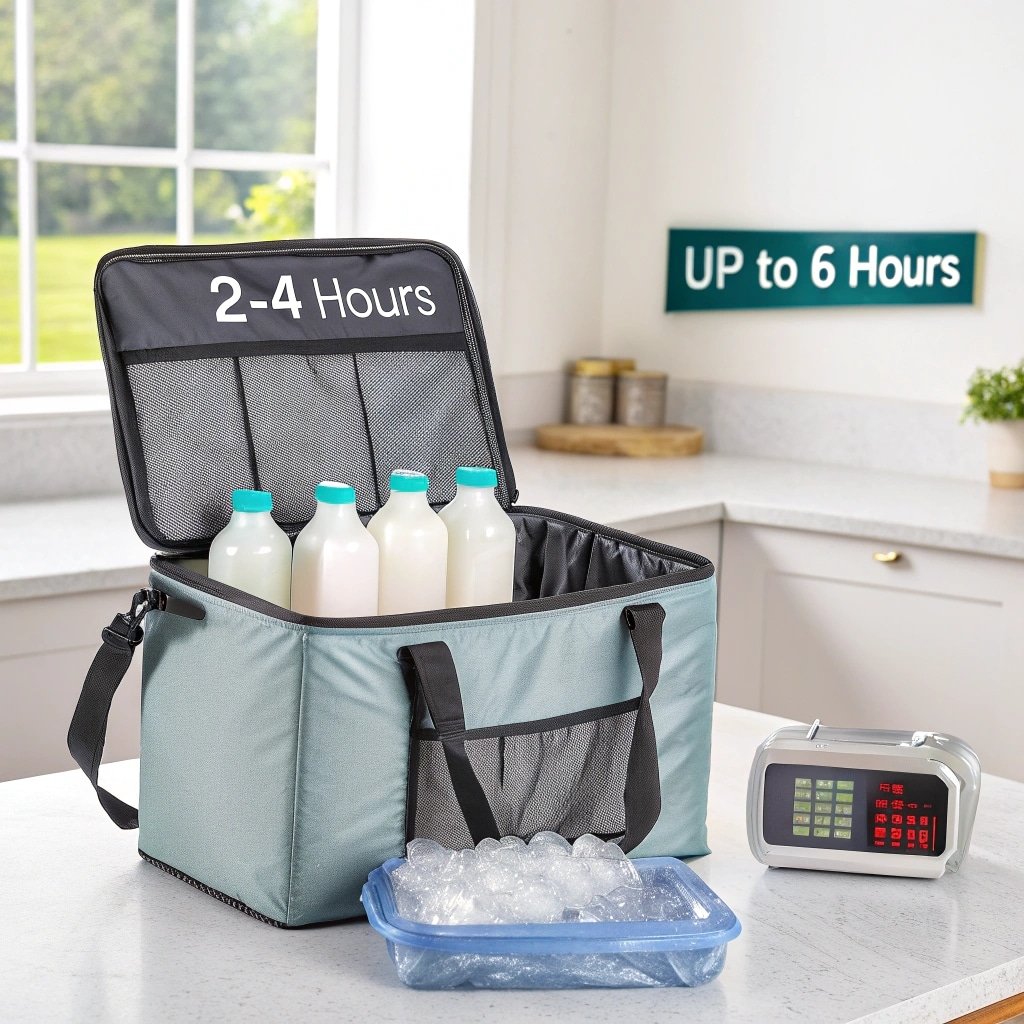
Transporting milk safely is crucial to prevent spoilage. How long can milk stay fresh in an insulated bag?
Milk can remain safe5 in an insulated bag for 2 to 4 hours without ice packs, and up to 6 hours with proper cooling aids.
Dive Deeper: Ensuring Milk Stays Fresh
-
Use Ice Packs
- Adding frozen gel packs or ice packs helps maintain a cold environment longer.
-
External Temperature
- On hot days, milk may spoil faster without sufficient cooling.
-
Bag Seal
- A tightly sealed bag minimizes temperature fluctuations.
| Scenario | Safe Duration |
|---|---|
| No Ice Packs | 2 to 4 hours |
| With Ice Packs | Up to 6 hours |
| Frozen Milk | 12 to 24 hours with adequate insulation. |
For extended transport, frozen milk is a safer option.
How Long Do Insulated Packages Last?

Insulated packages, commonly used for shipping perishable goods, are designed to maintain temperature during transit. How long do they remain effective?
Insulated packages can maintain temperature for 24 to 72 hours6, depending on insulation quality, ice packs, and external conditions.
Dive Deeper: Key Factors in Insulated Packaging
-
Insulation Material
- High-performance materials like expanded polystyrene (EPS) or thermal liners increase effectiveness.
-
Cooling Aids
- Dry ice or gel packs significantly extend the cooling duration.
-
Transit Conditions
- Packages in temperature-controlled environments last longer than those exposed to extreme temperatures.
| Packaging Type | Duration |
|---|---|
| Basic Insulated Bags | 12 to 24 hours |
| Advanced Packages | 48 to 72 hours |
| With Dry Ice | 3 to 5 days |
For sensitive items, choosing the right packaging and shipping methods is crucial. Properly planned logistics and cooling aids ensure perishable goods arrive fresh and safe at their destination.
How Effective Are Insulated Bags?
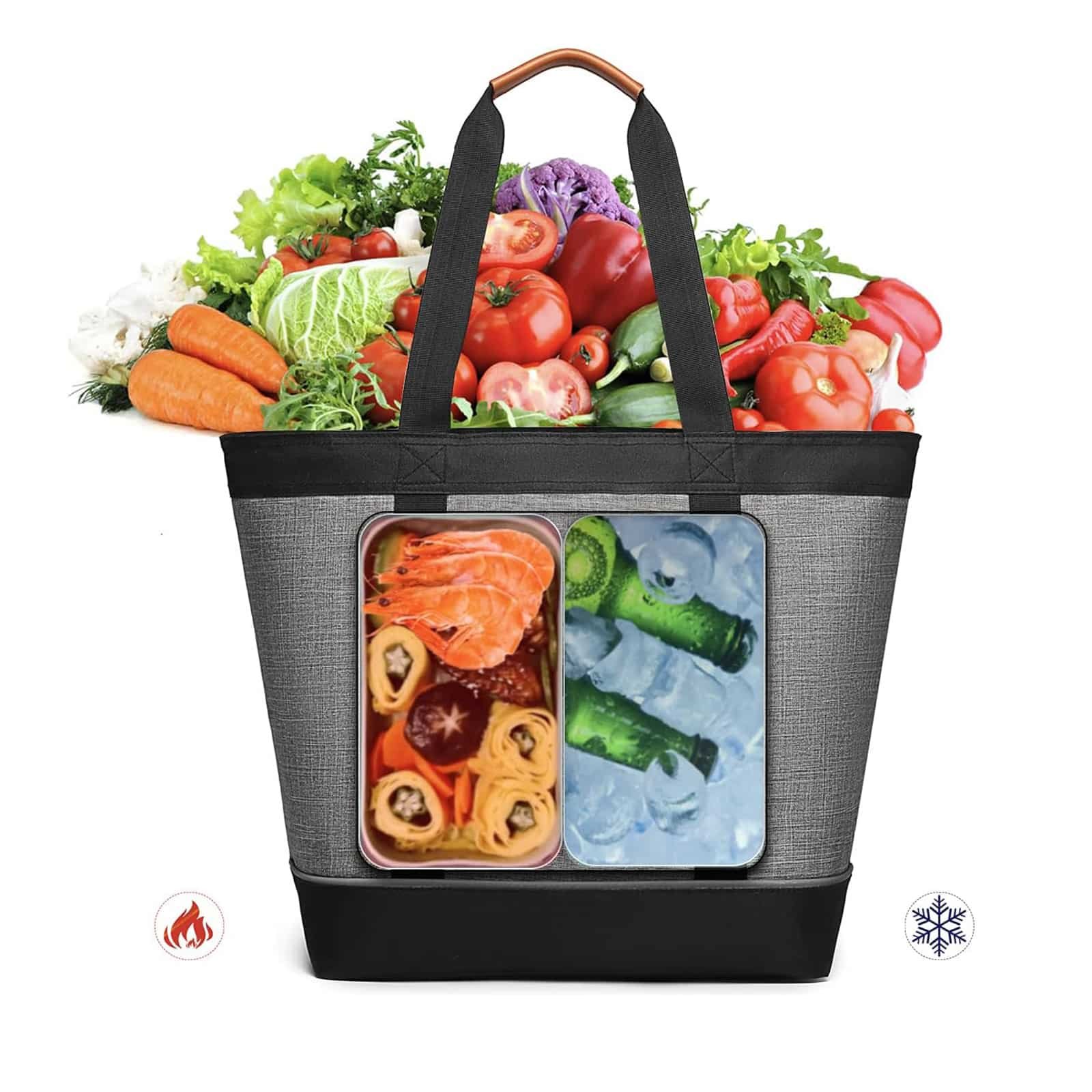
Insulated bags7 are widely used for maintaining food and beverage temperatures, but how effective are they?
Insulated bags are highly effective at keeping items cool or warm for short periods, especially when paired with ice packs or thermal aids.
Dive Deeper: Effectiveness of Insulated Bags
-
Thermal Insulation
- Multi-layer designs with foam or reflective linings help regulate internal temperatures.
-
Portability
- Lightweight and convenient, they’re perfect for grocery runs, picnics, or short trips.
-
Limitations
- They’re not ideal for long-term storage without supplementary cooling or heating aids.
| Use Case | Effectiveness |
|---|---|
| Short Trips | Very effective |
| Day Trips | Effective with ice packs. |
| Long-Term Use | Requires advanced cooling aids. |
Insulated bags provide a practical solution for maintaining temperatures in everyday scenarios.
Conclusion
Insulated bags are versatile tools for keeping groceries, beverages, and even baby bottles at the right temperature for short to medium durations. With proper use and maintenance, they can last for years and offer excellent performance. By understanding their capabilities and limitations, you can maximize their effectiveness for various needs.
-
Learn how insulated bags combine durability and temperature retention for versatile use. ↩
-
Discover the factors that determine the lifespan of insulated bags. ↩
-
Understand how to keep groceries safe and fresh during transport. ↩
-
Explore the best practices for keeping baby bottles warm or cool in insulated bags. ↩
-
Discover tips for safely transporting milk in insulated bags. ↩
-
Learn how insulated packages protect temperature-sensitive goods during transit. ↩
-
See how insulated bags perform in maintaining temperature for everyday needs. ↩