Drawn from the old large packing bag guide and the current spec sheet for our moving and storage styles.
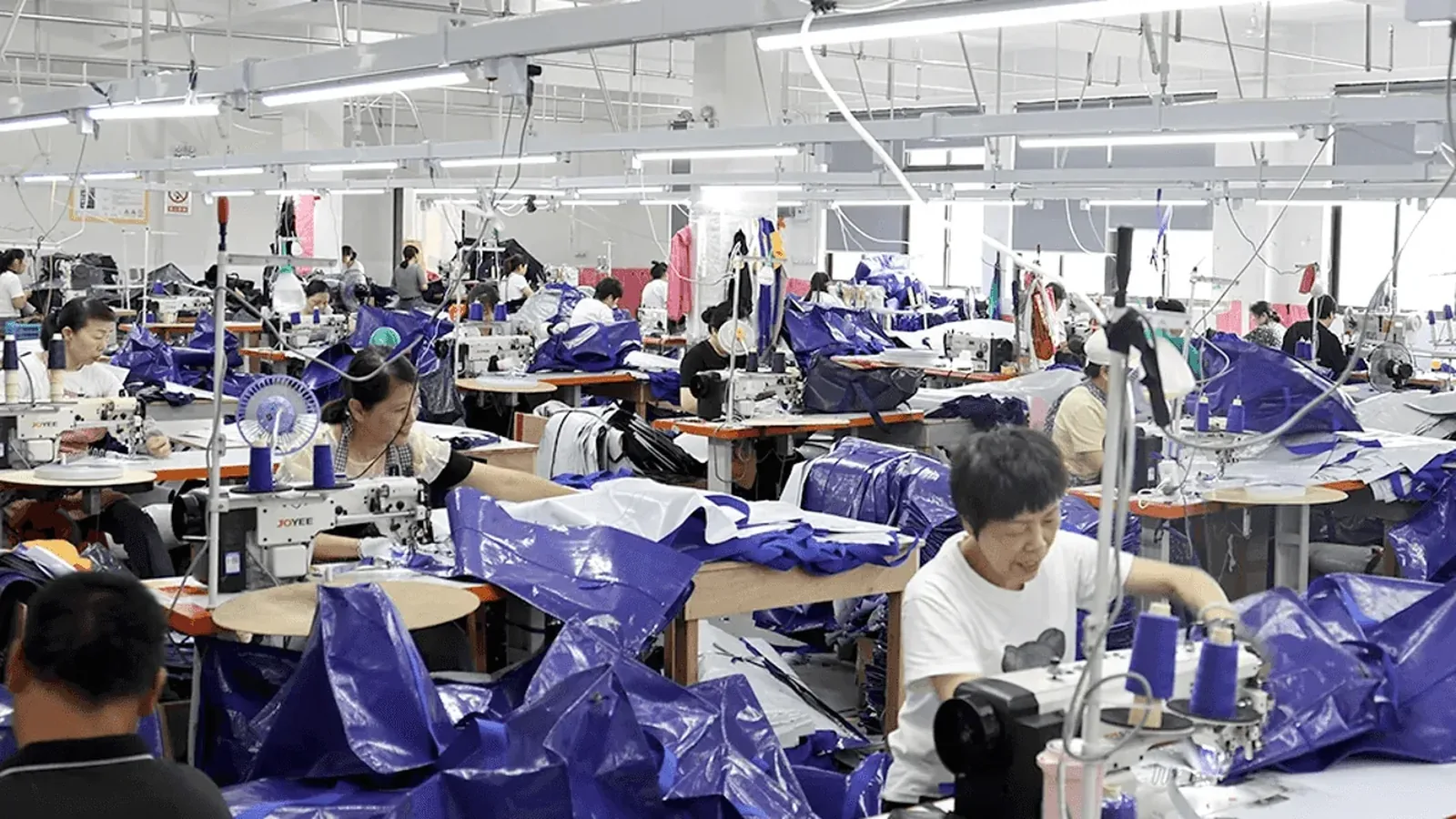
The container was booked for the 14th, and the webbing order arrived on the 19th. A buyer in Rotterdam spent that week learning that a packing bag order is not one decision but a chain of small ones, each with its own lead time. By the time the ship sailed, the questions she had skipped at the sample stage had already cost her a month.
Most bulk buyers start with the same five questions about large packing bags. Each one has a checkable answer, and each answer shapes what the factory can promise before the carton is sealed.
The first question is always about size, and the answer is rarely one number
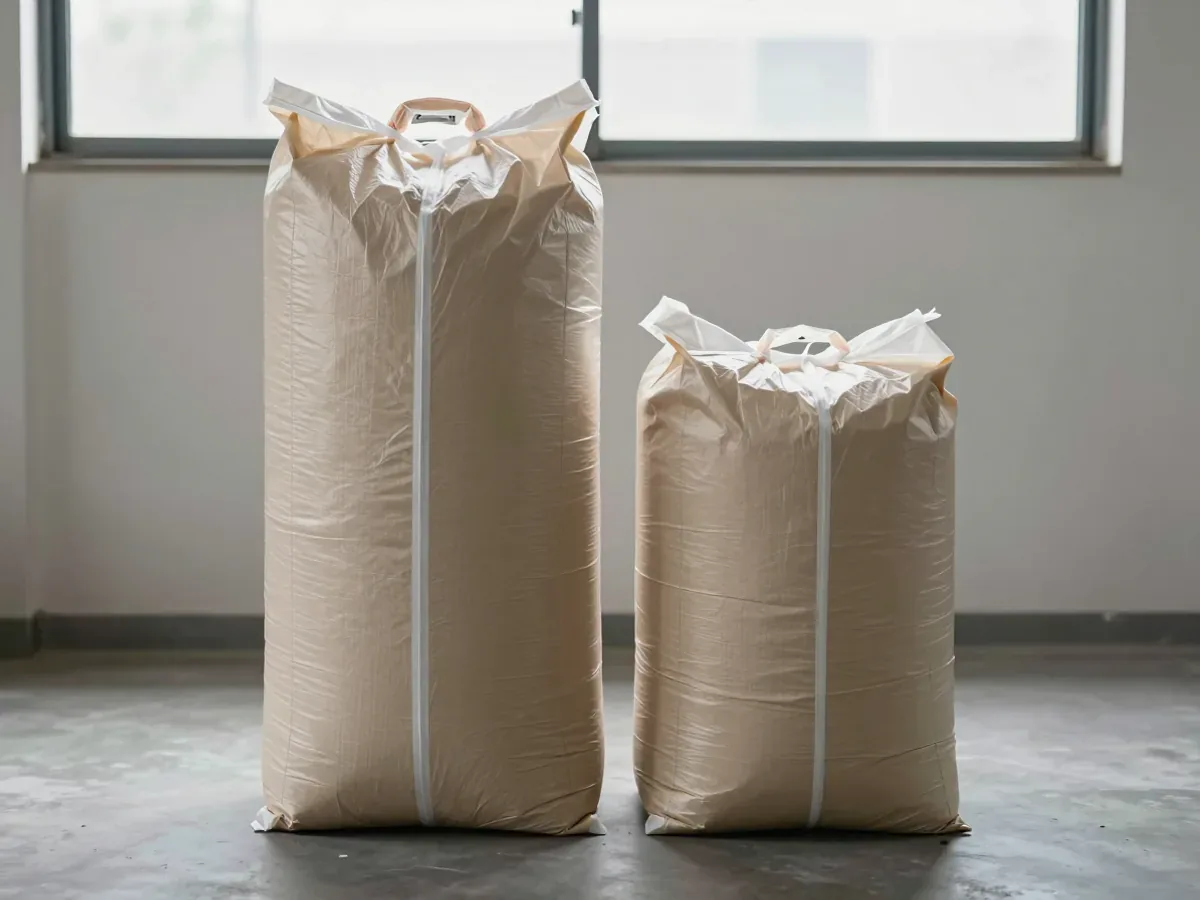
The opening message usually reads something like: what is your biggest bag? That is a fair place to start, but a single size figure hides the real decision. The tallest stock size measures 45.3 by 15.7 by 21.7 in, and it exists for loads that will not go into a carton at all, such as duvets, soft furniture covers, or stacked bedding.
The bedding length style sits at 29.1 by 14.2 by 12.6 in, a different job entirely. One is built for volume, the other for a shelf or a wardrobe rail. Ask for both dimensions and the intended load, then compare them against the carton plan, not against a competitor's photo.
A buyer who orders the tallest bag for a retail shelf often finds it slumps when half full. A buyer who orders the shorter bag for a house move runs out of capacity by the third room. The size question is really a question about what goes in and where the bag will sit.
Will the webbing carry a full load or just look strong?
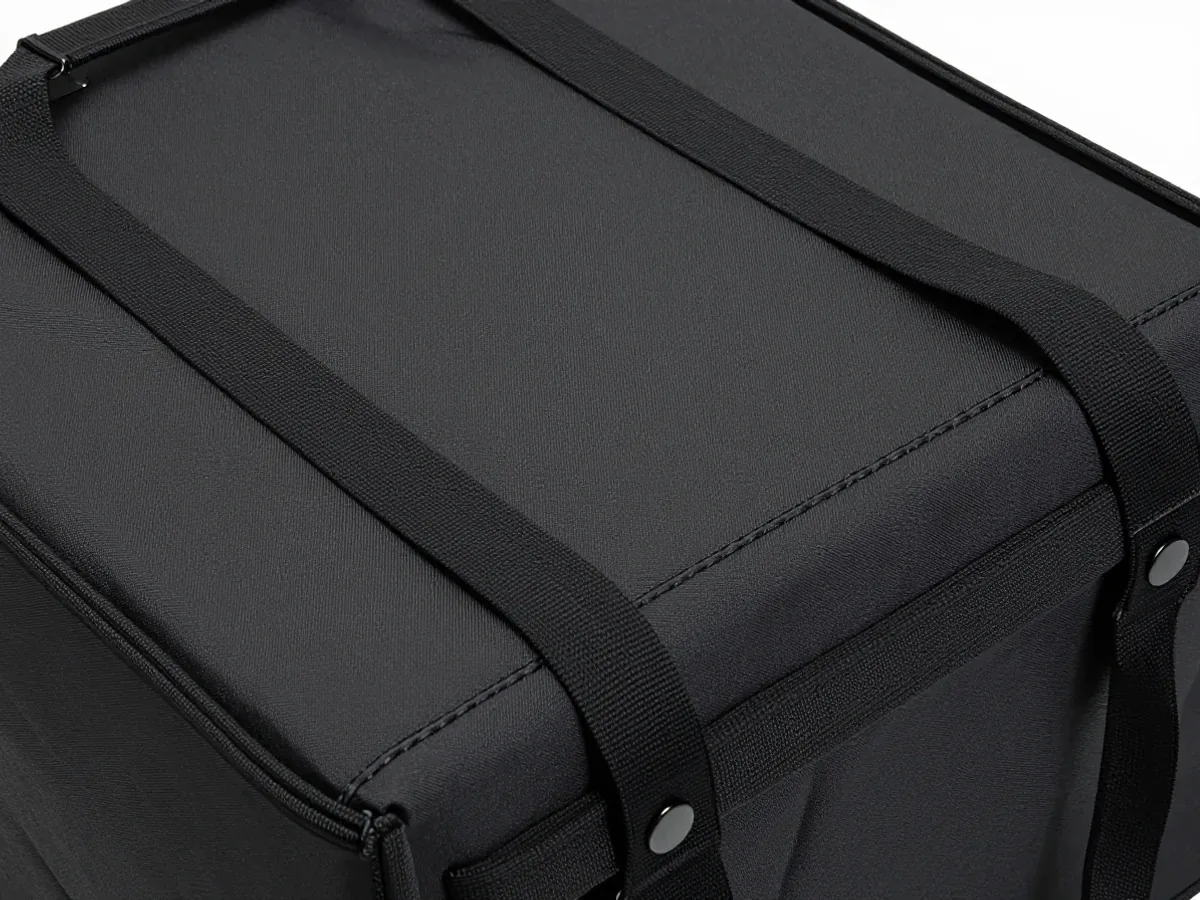
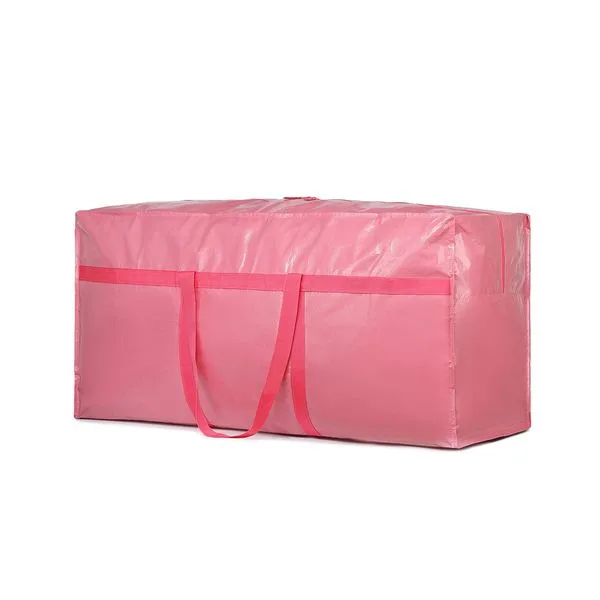
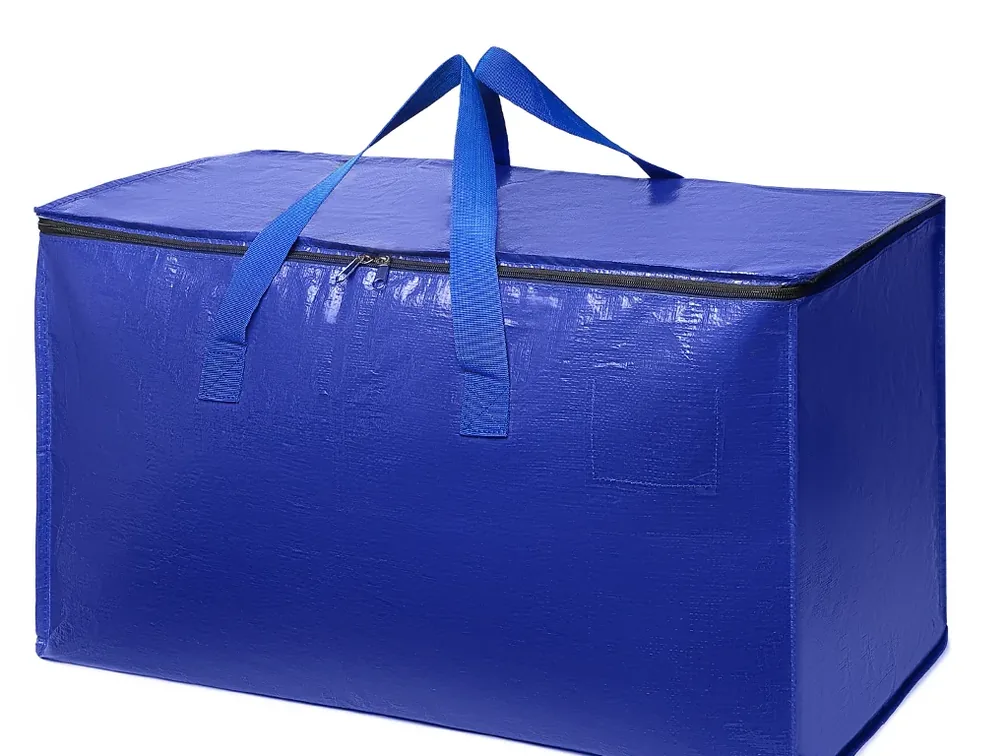
A strap that stops at the handle looks identical to a strap that runs the full length of the bag, until the bag is lifted by one end. The webbing on these bags runs the full length of the opening, and the handles are stitched to carry weight rather than to decorate the seam.
That construction detail is what separates a heavy duty moving bag from a tote with a handle sewn on top. Ask the factory to describe where the webbing starts and ends, and whether it continues past the handle anchor. A photo of the bag lying flat will show it.
There is a second handle at one end, a side grip for lifting a loaded bag into a van. It matters more than buyers expect, because the lift into a vehicle is where most bags fail in the field. Ask whether that grip is bar tacked at both ends, and whether the bar tack is part of the batch test.
Does the closure close from both ends?
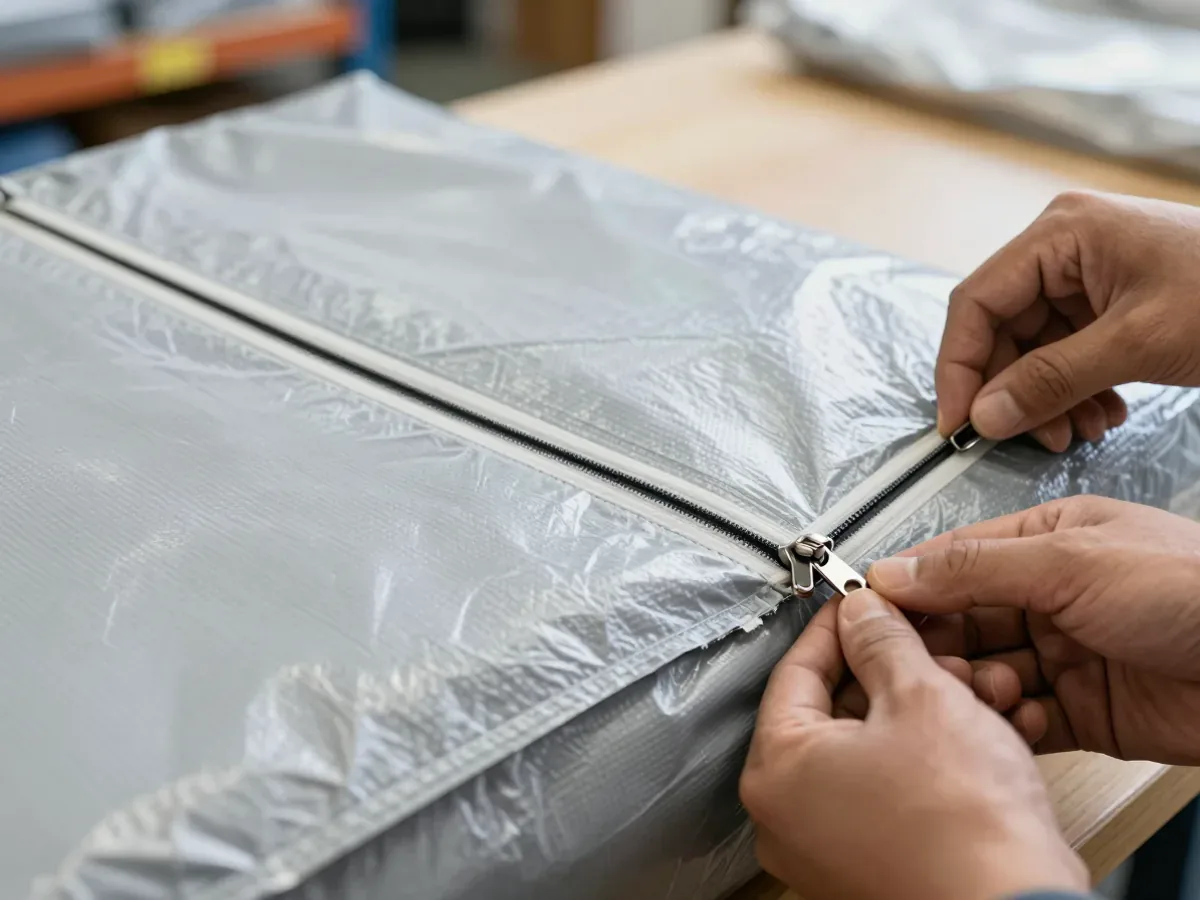
A single-pull zip forces the packer to walk around the bag or drag it closer. The top zip on these bags has two pulls, so the opening closes from either end, which sounds minor until a warehouse team is filling fifty bags an hour.
Ask how the zip is anchored at each end. A zip that is sewn into the seam without a bar tack will split at the corner under load, and the failure shows up after the bag is full, not before. Pull, seam strength and bar tack are tested on every batch, so the question is not whether testing happens but what the test covers.
If the closure is a drawstring instead of a zip, the same logic applies to the channel. A cord channel that is stitched too tight will fray at the opening within a season. Ask for the channel width and the cord spec, and check whether the ends are heat sealed or knotted.
How does a buyer mark what is inside without opening the bag?
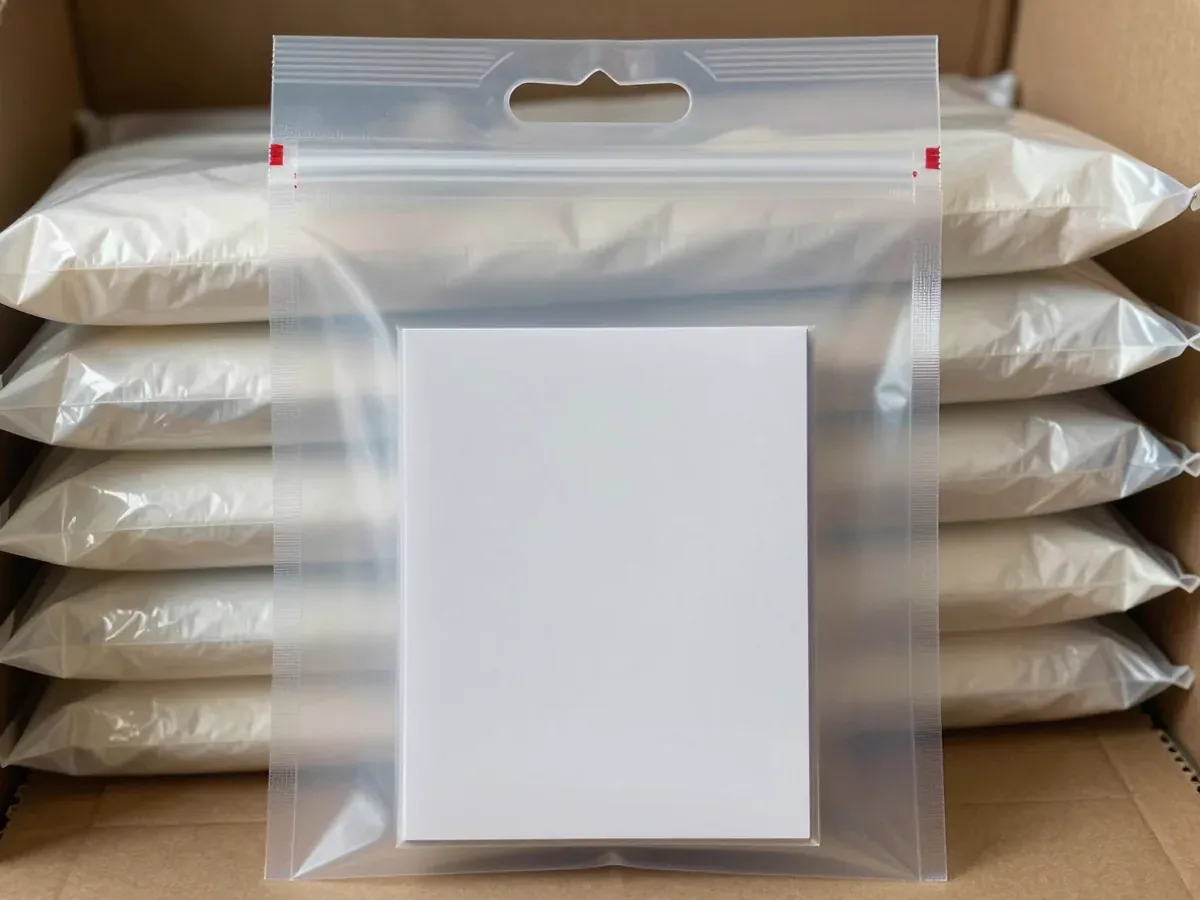
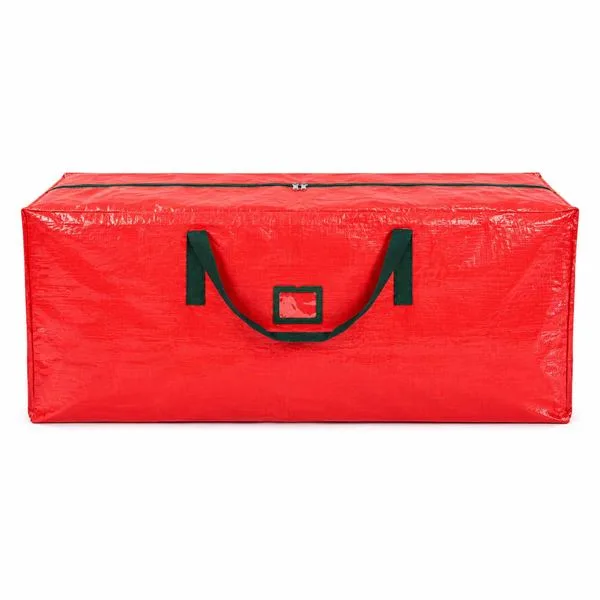
Anyone who has stored twelve identical bags knows the answer matters. A clear label pocket on the face holds a card that says what is inside, and it is the cheapest feature on the bag to specify and the most expensive one to leave out.
Ask where the pocket sits relative to the handle and the zip. A pocket placed under the handle gets crushed every time the bag is lifted, and the card inside becomes unreadable. A pocket on the upper face, clear of the webbing, stays legible through a move and a storage season.
For retail buyers, the same pocket doubles as a place for a size card or a care note. Ask whether the pocket material is the same film as the bag body or a separate clear PVC, and whether the card is supplied or printed by the buyer. Those two answers change the per unit cost more than the pocket itself.
What happens when the bag meets rain on a loading dock?
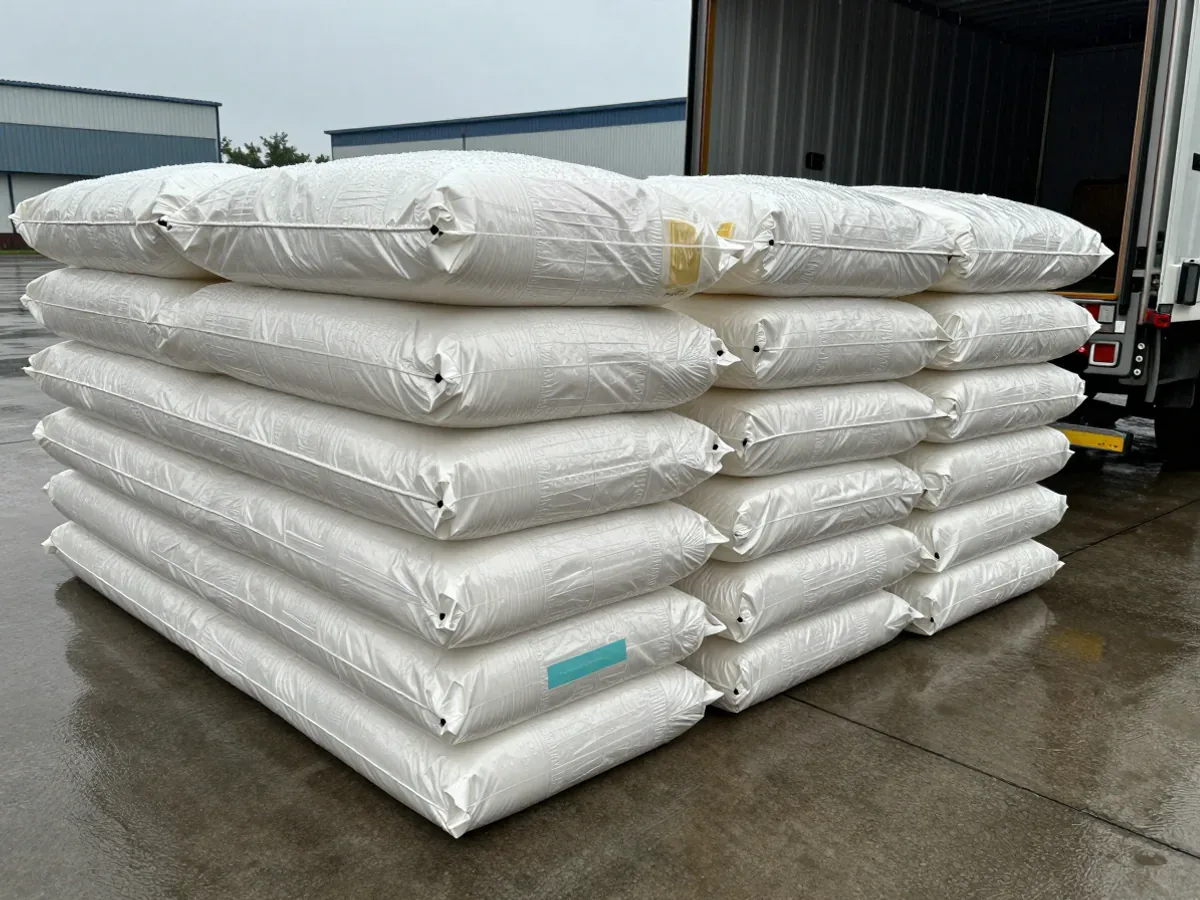
This is where the old marketing language and the actual spec part ways. PP and PE resist splashes, which is enough for a damp basement or a covered truck. The seams are stitched rather than sealed, so the bag is not waterproof, and no honest factory should say otherwise.
A buyer who needs rain protection on an open dock should ask about a liner or a sealed seam construction, and expect a different price and a different lead time. A buyer who needs splash resistance for indoor storage can stay with the standard build and put the savings into the webbing.
Ask the factory to state the limitation in writing. A spec sheet that says splash resistant and stitched seams tells the buyer exactly what to plan for. A spec sheet that says waterproof without a seam note creates a claim the bag cannot survive.
The question buyers forget until the carton is sealed
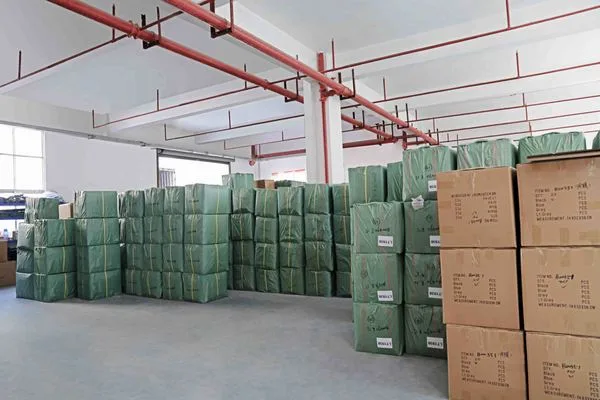
Nobody asks about the last hour of production, and that hour decides whether the shipment matches the sample. Incoming fabric, webbing, zips and thread are checked against the approved spec before cutting, and cartons are counted and photographed before the container seals.
The photograph is the part buyers undervalue. It is a record of what left the factory, taken at the moment when nothing can be changed, and it settles most disputes about quantity and packing before they start. Ask whether the count and photo happen before or after the seal, and who receives the file.
The other forgotten question is about change. Stock colours can be swapped for a Pantone match, and a new size takes one sample round before the run. A buyer who asks for a new size two weeks before the ship date has skipped that round, and the timeline slip lands on the order.
What the five questions add up to
A bulk order of large packing bags is a set of commitments: a size that fits the load, webbing that runs the full length, a closure tested at the seam, a label pocket placed where it stays readable, and a written statement about water resistance. Each one is checkable before the PO is signed.
The buyers who avoid the Rotterdam week are the ones who ask for the webbing path, the zip anchor, the pocket position and the seam note in the same message as the size. The factory can answer all four in one reply, and the answers become the inspection checklist later.
FAQ
Are large packing bags waterproof?
No. PP and PE resist splashes, but the seams are stitched rather than sealed, so water can pass through the seam line. Plan for damp storage and covered transport, or ask about a liner.
What is the tallest size available for bulky items?
The tallest stock size is 45.3 by 15.7 by 21.7 in, intended for loads that will not fit a carton. The bedding length style is 29.1 by 14.2 by 12.6 in, a different capacity for shelf and wardrobe use.
How is the handle tested before a batch ships?
Pull, seam strength and bar tack are tested on every batch. Ask for the test to cover the side grip as well as the main handles, since the lift into a van is where bags fail.
Can a new size be added without a full redesign?
A new size takes one sample round before the run. Stock colours can be swapped for a Pantone match, but the sample round still applies to any dimension change.