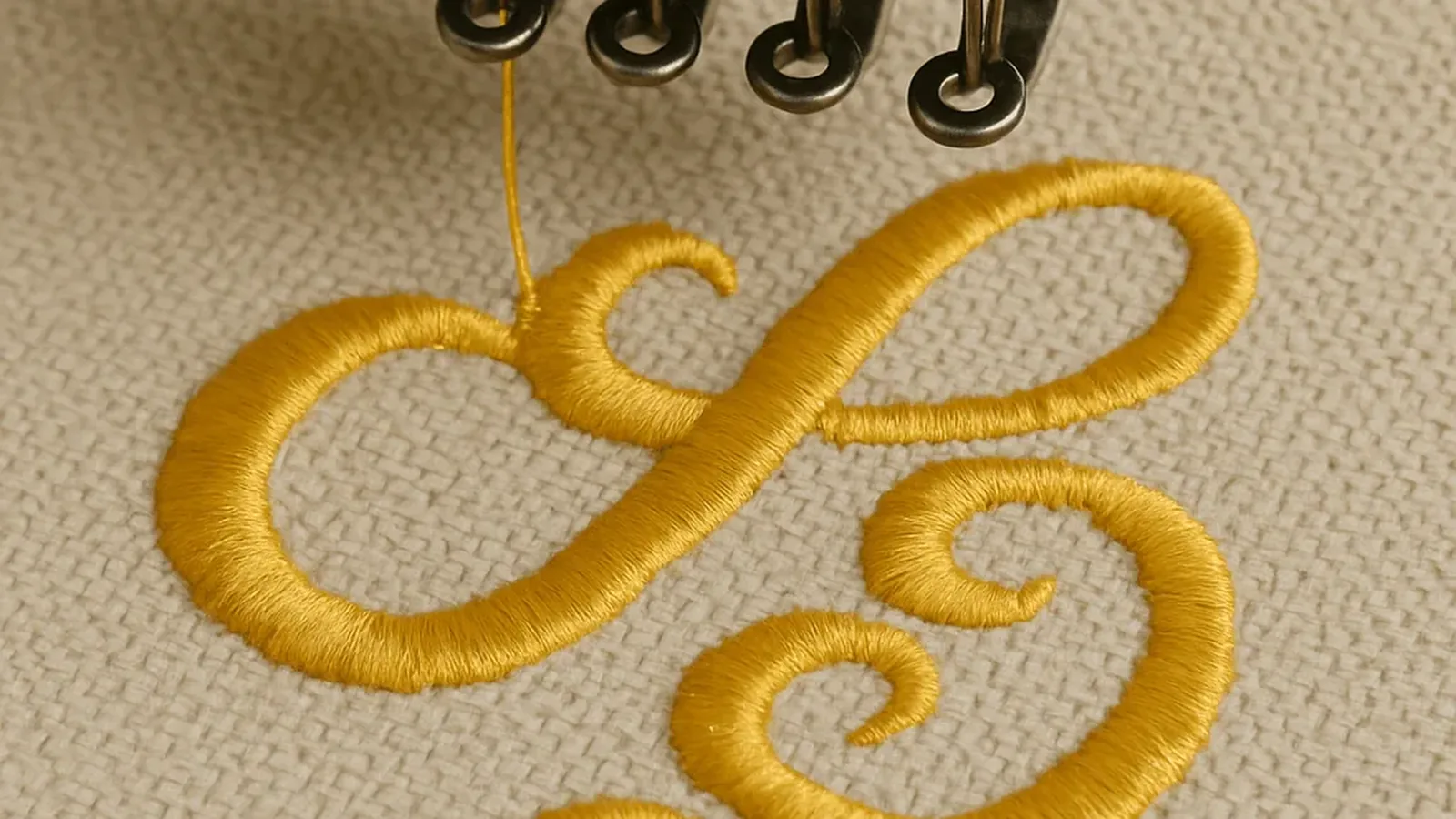
Based on our sample shelf, embroidery line and packing records for canvas wedding totes.
A junior merchandiser put two wedding tote quotes side by side on the meeting table and asked why the cheaper one had produced the larger invoice. The unit prices differed by a few cents. The final cost differed by more than she expected. The answer was not in the unit price column at all. It was spread across five lines that the first quote had left blank.
Wedding canvas totes look like a simple purchase. A couple picks a size, a colour and a monogram, then orders enough for the bridal party and the guest tables. The quote that comes back usually shows one number per bag. That number hides the decisions that decide what the order actually costs.
The Quote That Looked Cheap Until the Second Column
The first quote listed a unit price and a total. The second quote listed the same unit price but broke the order into fabric, decoration, handle work, packing and a delivery buffer. On paper the two looked almost identical. In practice the second quote had already priced the work that the first one would bill later.
A wedding order is small compared with a retail programme, often a few hundred bags rather than tens of thousands. Small runs carry a different cost shape. Setup time for embroidery, a colour change on the fabric, and a separate carton label all get spread over fewer pieces. A quote that ignores setup does not remove the cost. It moves it to a later conversation.
The second column is where the real comparison lives. Ask for the same line items from every supplier before comparing totals.
Fabric Weight and the Size Run Behind the Unit Price
Canvas is sold by weight and by construction, and a wedding tote can be made from several weights that all photograph the same. A lighter shell lowers the unit price and changes how the bag stands up on a table full of gifts. A heavier shell costs more per bag and holds a printed panel flatter.
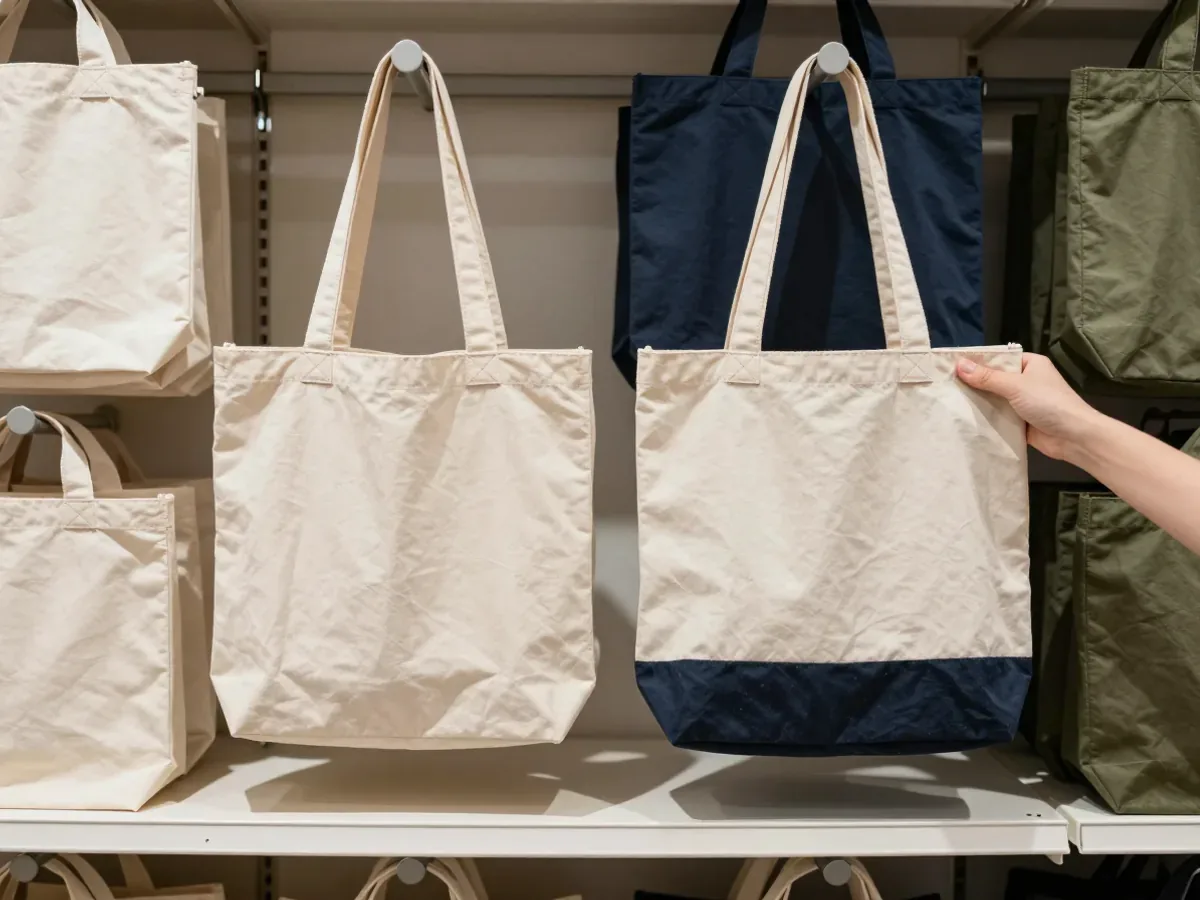
Size adds a second variable. A tote that fits a water bottle, a programme and a small gift is a different pattern from one built for a bridesmaid's day-of essentials. Each size in the run needs its own cutting and its own handle length. A sample shelf with a blank canvas size run lets a buyer hold two sizes side by side before committing.
Colour matters here too. Natural, navy, grey and olive are different dye routes, and a small order in an unusual colour can carry a minimum charge that a common colour avoids. That charge belongs in the fabric line, not in a surprise at deposit time.
Embroidery and Print: Two Routes, Two Cost Curves
A monogram stitched onto a canvas panel and a logo printed onto the same panel follow different cost curves. Embroidery carries a setup cost per design and then a steady per-piece cost that falls slowly as the stitch count drops. Printing carries a screen or plate cost per colour and a per-piece cost that depends on how many colours touch the bag.
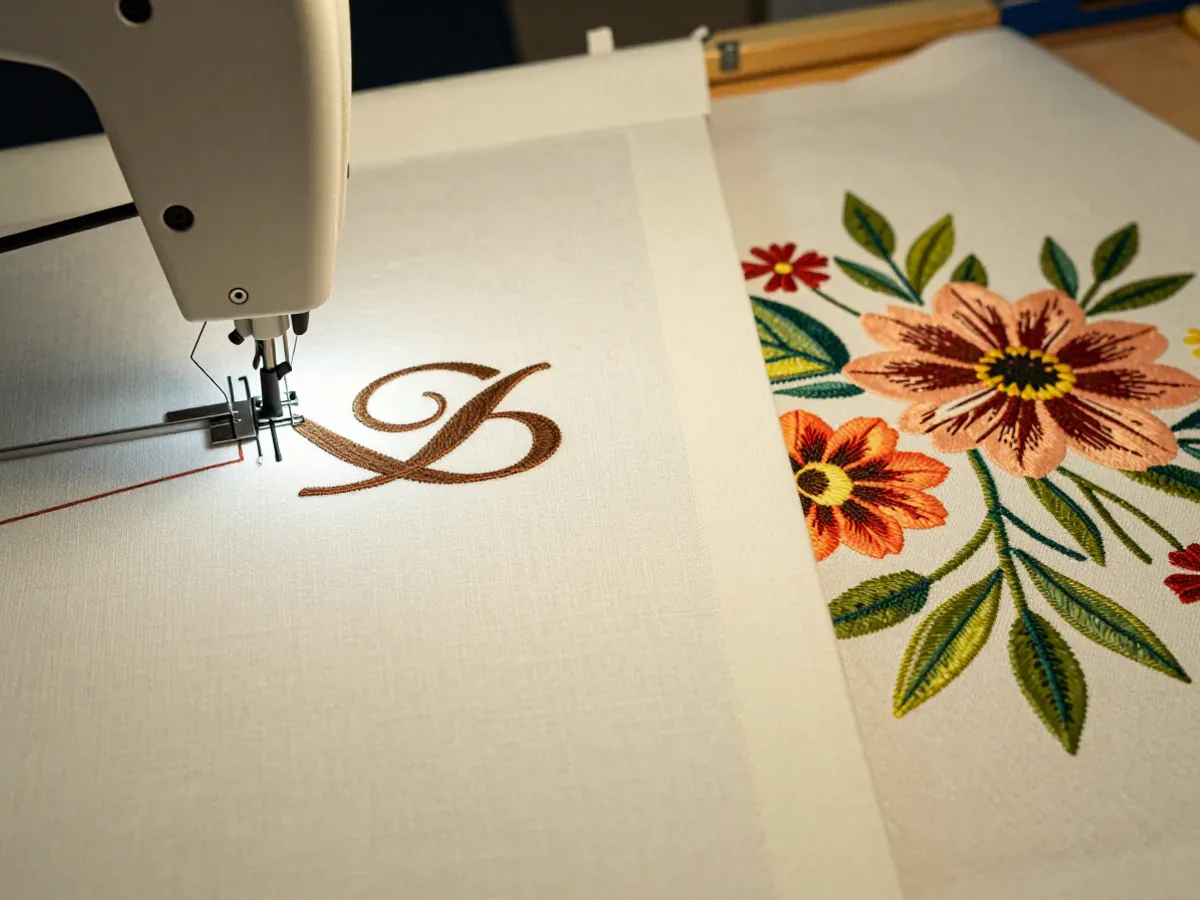
For a wedding order the design often decides the route. A single initial in one thread colour suits embroidery. A floral motif with several tones may cost less as a print. Floral embroidery worked onto jute is a third option, and it changes both the material and the decoration line.
Stitch count is the number to ask about. A dense monogram with a border and a shadow takes longer on the machine than a simple letter, and the quote should state the stitch count it assumes. A print quote should state the number of colours and where the artwork sits on the panel. A print that sits off centre on the bag is a rejected sample, and reprints are charged to someone.
Handle Reinforcement Is a Line Item, Not a Given
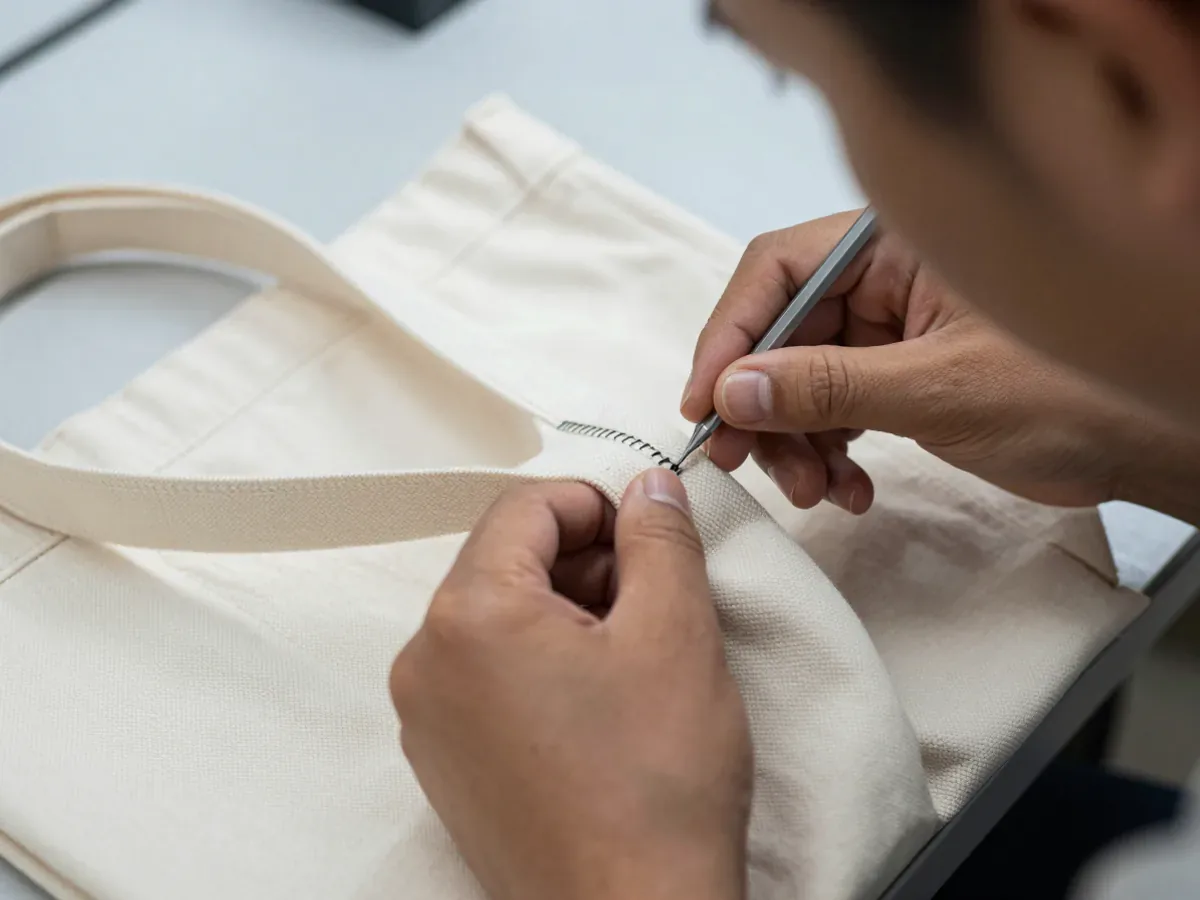
Handles fail before bodies do. A wedding tote gets loaded with gifts, carried across a venue and then taken home, and the handle attachment takes the load. Reinforcement at that joint is stitching work, and stitching work is time on the line.
Some quotes include reinforced handle attachment and some assume a basic bar tack. The difference does not show in a photo. It shows after the wedding, when a guest fills the bag and the seam at the handle pulls. A technician stitches each canvas tote body on the line, and the handle station is a separate step with its own labour.
Ask for the handle construction in writing. A quote that names the reinforcement and prices it is easier to compare than one that leaves the joint undefined.
Packing, Cartons and the Buffer You Pay For Later
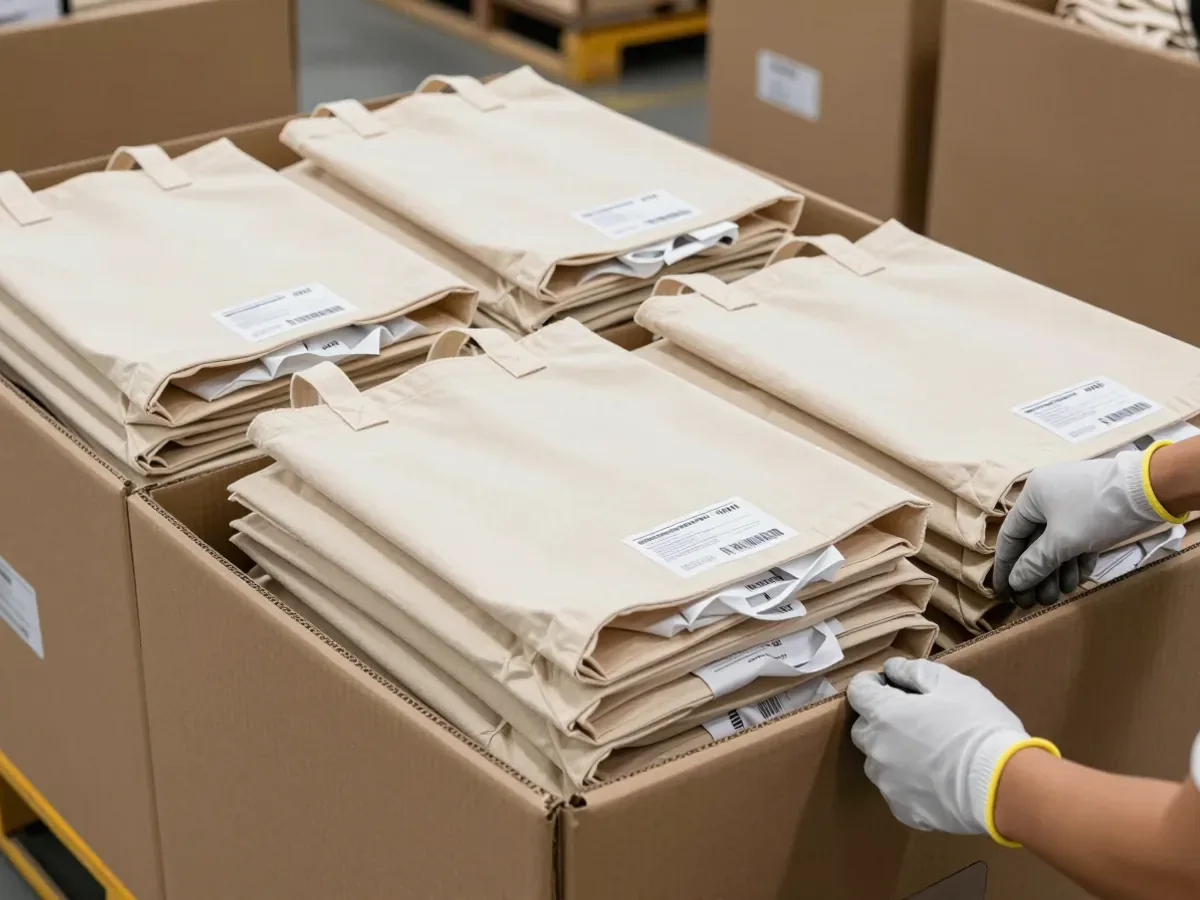
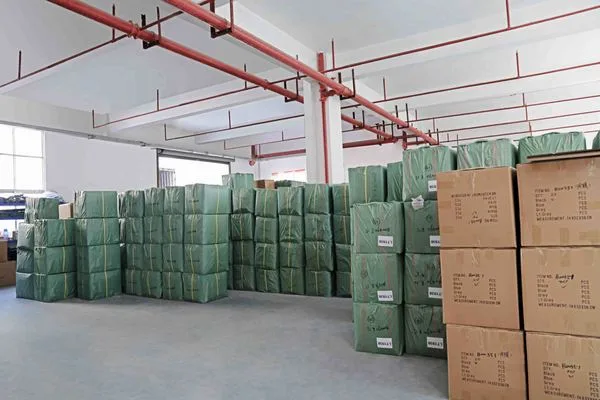
Packing is the line most often left out of a wedding quote. Bulk printed canvas bags are packed into cartons in the factory, and the carton plan affects how the order arrives. Flat packed bags take less volume. Bags packed with tissue and a label take more handling and more space.
Spoilage is the other quiet cost. A wedding order has no reorder window. If ten bags arrive with a misaligned print or a pulled seam, there is no time to replace them before the date. Most buyers build a small buffer into the quantity, and that buffer is a real cost that belongs in the budget from the start.
A delivery buffer works the same way. Production that finishes close to the wedding date leaves no room for a reprint or a courier delay. Paying for a few extra days of schedule is cheaper than paying for an air freight upgrade later.
How to Read a Wedding Tote Quote Line by Line
A quote is readable when each line answers a question. Fabric should name the weight and the colour route. Decoration should name the method, the stitch count or the colour count, and the placement. Handle work should name the reinforcement. Packing should name the carton plan and whether individual polybags are included. Schedule should name the ship date and the buffer.
Then compare quotes on the same five lines. A supplier who cannot fill a line is not necessarily cheaper. That supplier has simply not priced the work yet.
Every order passes four checkpoints before it ships, and a buyer can ask what each checkpoint covers. The answer tells you whether the quote includes inspection or leaves it to chance.
What to Confirm Before the Deposit Leaves
Before money moves, confirm the fabric weight and colour in writing, and confirm that the sample matches the production run. Confirm the decoration method, the stitch count or colour count, and the exact placement on the panel. Confirm the handle reinforcement and the packing plan.
Confirm the quantity including the spoilage buffer, and confirm the ship date with the buffer built in. Then ask for one more thing: the name of the person who signs off the final inspection. A wedding order has one date, and the person who owns that sign-off is the person who protects it.
FAQ
Is embroidery always more expensive than printing on wedding canvas totes?
No. A single-colour monogram with a low stitch count can cost less than a multi-colour print, because printing charges per colour while embroidery charges per stitch and per setup. The design decides which route is cheaper.
Why does the same tote size cost more in one colourway?
Colour affects the fabric line. Common natural and dark tones run in larger dye batches, while an unusual shade may carry a minimum charge that gets spread across a small wedding order.
How many extra bags should a wedding order include for spoilage?
There is no fixed number, because it depends on the decoration route and the inspection plan. The buffer should be decided before the deposit and priced into the order rather than added after a problem appears.
Does a smaller guest list mean a lower unit price?
Not automatically. Setup costs for embroidery, colour changes and carton labels spread over fewer pieces, so a smaller run can carry a higher unit price even though the total spend is lower.