



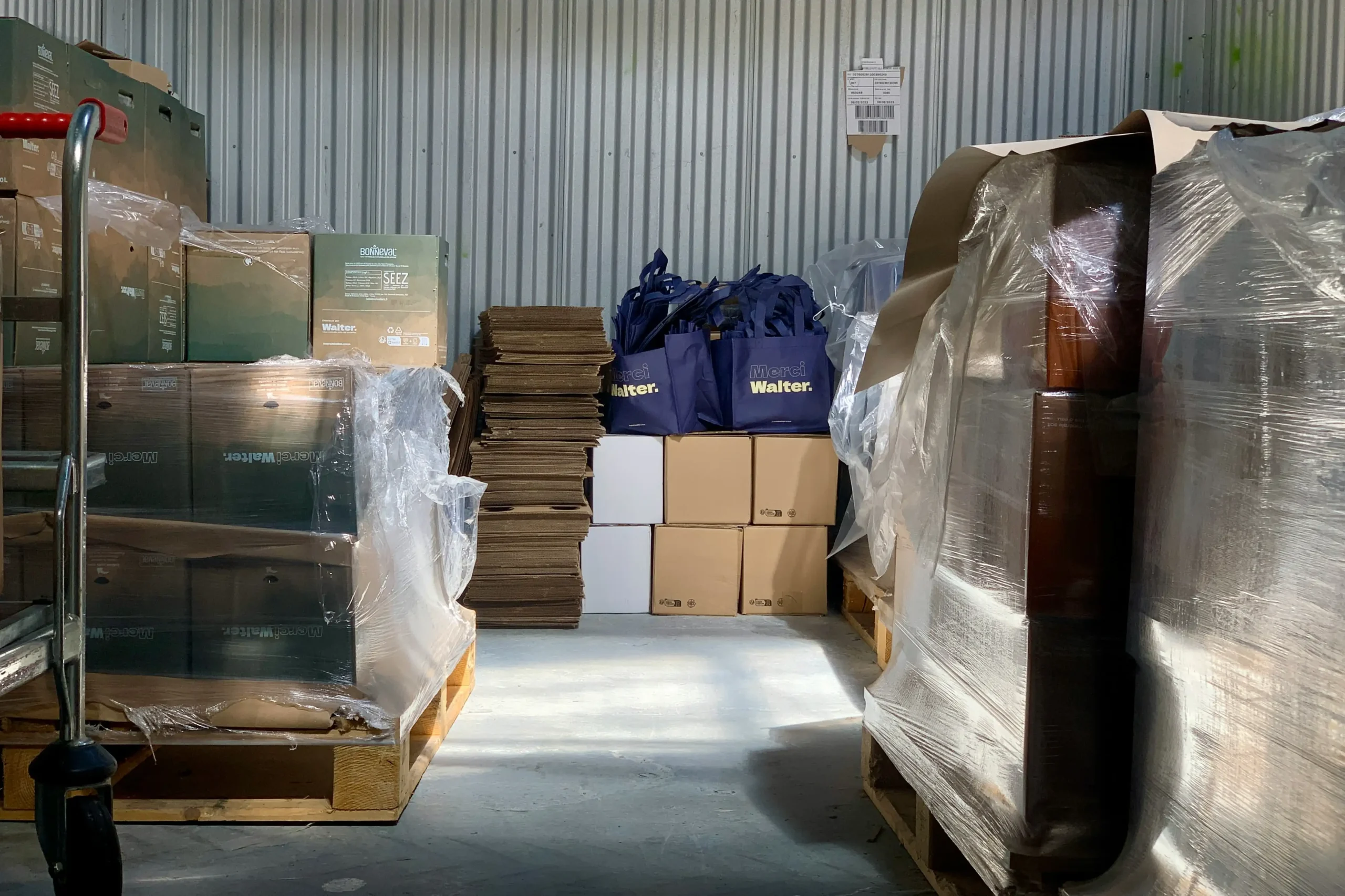
You probably lost a deal last month to a competitor advertising “as low as $0.85” on drawstring bags bulk pricing, and your client bounced because your 500-unit quote came in at $2.50. What that client did not see, and what your competitor hid in the fine print, is that the $0.85 rate applies to a 10,000-unit run and carries a 30 percent small-order surcharge that only appears at checkout. When you factor in the physical reality of material specs—like the gap between an 80gsm non-woven polypropylene that snaps under a 15 lb load and the 210D polyester moving bags reviewers on YouTube are strapping to their backs to haul 50 lb loads—pricing a 500-unit run is a completely different manufacturing problem than pricing 5,000.
We pulled three years of our factory floor data on cutting efficiency, screen setup waste, and material yield to break down exactly where your margin vanishes between a 500-unit and 5,000-unit order. This guide walks through the setup fee amortization math that kills your quote-to-close ratio on small runs, explains why the 1,000 to 2,500 unit range is a “death valley” for distributors, and gives you the exact contractual language you need to lock in screen storage so your repeat orders do not get hit with hidden re-setup fees.
Unit Price Breakdown: 500 vs 5000 Units
At 500 units, you pay $2.50/bag. At 5,000 units, you pay $0.85/bag. That $1.65 gap is not margin padding — it is the physics of cutting layouts and screen amortization.
Total Cost of Ownership: The $3,000 Swing
The raw math is brutal for small runs. A 500-unit order at $2.50 per bag totals $1,250. The identical specification at 5,000 units drops to $0.85, totaling $4,250. Your client sees a competitor’s “$0.85” price tag and expects that rate on their 500-unit run. What they do not realize is that competitor’s quote requires a 10,000+ unit commitment. When you present $1,250, the sticker shock is immediate — but the number is defensible if you break it down by component rather than leading with a per-unit price.
Where the $1.65 Difference Lives
The price delta between 500 and 5,000 units originates from three fixed-cost categories that do not scale linearly. Here is the factory-side breakdown we use when auditing quotes internally:
- Material Cost: At 500 units, cutting efficiency on 80gsm non-woven polypropylene sits around 85%, meaning 15% raw material waste is absorbed directly into your unit price. At 5,000 units, we optimize cutting layouts to 95%+ efficiency, dropping the material cost per bag significantly.
- Print Setup: Sérigraphie runs $40 per color per screen. On a 3-color logo at 500 units, that $120 setup fee adds $0.20 per bag. At 5,000 units, the same $120 drops to $0.02 per bag — a tenfold difference in setup amortization.
- Logistics: A 500-unit carton ships as general cargo with no freight leverage. A 5,000-unit order fills a partial pallet, qualifying for consolidated freight rates that cut per-unit shipping costs by roughly 30-40%.
This is not theoretical. Non-woven polypropylene manufacturing inherently produces edge waste during die-cutting, and small batch sizes force operators to run narrower material widths to meet minimum order quantities from upstream extruders. The waste is real, physical scrap — not a fabricated line item to inflate margins.
The Distributor’s Markup Problem and Client Sticker Shock
Here is the trap that destroys distributor margins: you absorb a 20-30% small order surcharge that most wholesale sites hide until checkout, then you layer your own margin on top. Your client compares your delivered price against a deceptive “as low as” anchor and concludes you are overpriced. The conversation pivots from value to price defense, and you lose the deal.
We actively advise distributors to avoid quoting in the 1,000-2,500 unit range — what we internally call the “Death Valley” of pricing. Factories do not offer meaningful bulk breaks in this window, yet setup costs remain poorly amortized. The strategically sound move is to quote 500 units with a transparent upsell path to 5,000, showing the client the exact per-component math so they understand the price jump is driven by cost physics, not discretionary discounting.
One final warning that most distributors learn the hard way: reorder economics. A client returns six months later for another 500 units, and the price comes back higher than the original order. Factories routinely discard screens after 30 days and charge a full re-setup fee, or they add a warehousing surcharge for holding small-batch materials. Your initial contract must explicitly specify screen storage for a minimum of 12 months and lock the repeat-order unit rate. Without that clause, your repeat business becomes a guaranteed margin loss.
| Élément de coût | 500 Units Run | 5000 Units Run | Unit Variance | Impact sur les marges |
|---|---|---|---|---|
| Average Unit Price | $2.50 / unit | $0.85 / unit | -$1.65 / unit | Eliminates ‘Death Valley’ pricing volatility; secures distributor gross margin. |
| Setup Fee Amortization | $0.20 / unit penalty | $0.02 / unit penalty | -$0.18 / unit | Mathematical proof for clients; pricing is factory physics, not arbitrary markup. |
| Cutting Efficiency (Waste) | ~15% material waste | <5% material waste | 10% yield increase | Optimizes factory layouts; drastically lowers raw material overhead. |
| Hidden Low-MOQ Surcharges | 20-30% checkout penalty | $0.00 surcharge | Up to 30% savings | Prevents quote-to-close failures caused by deceptive ‘As low as’ competitor pricing. |
| Premium Spec Protection | High risk of spec downgrades | Guaranteed industrial-grade durability | Quality variance | Prevents failure under real-world lb load capacity tests seen in top YouTube reviews. |
Amortizing Setup Costs and Tooling
A standard 3-color screen setup costs $120 total. On 500 units that is $0.24 per bag in tooling alone; at 5,000 units it drops to $0.024. That gap is where distributor margins evaporate.
The Setup Fee Trap Novices Walk Into
Your client found a competitor listing “drawstring bags as low as $0.85.” That price assumes 10,000+ units. When you request a quote for 500 units from that same vendor, a 20-30% small order surcharge appears at checkout that was never visible on the landing page. We see distributors lose deals not because their pricing is wrong, but because they fail to explain upfront that low-volume pricing is mathematically higher due to fixed tooling costs, not arbitrary markups. Arm your client with that context before they see the competitor’s bait price.
Physical Screen Creation Costs Per Color
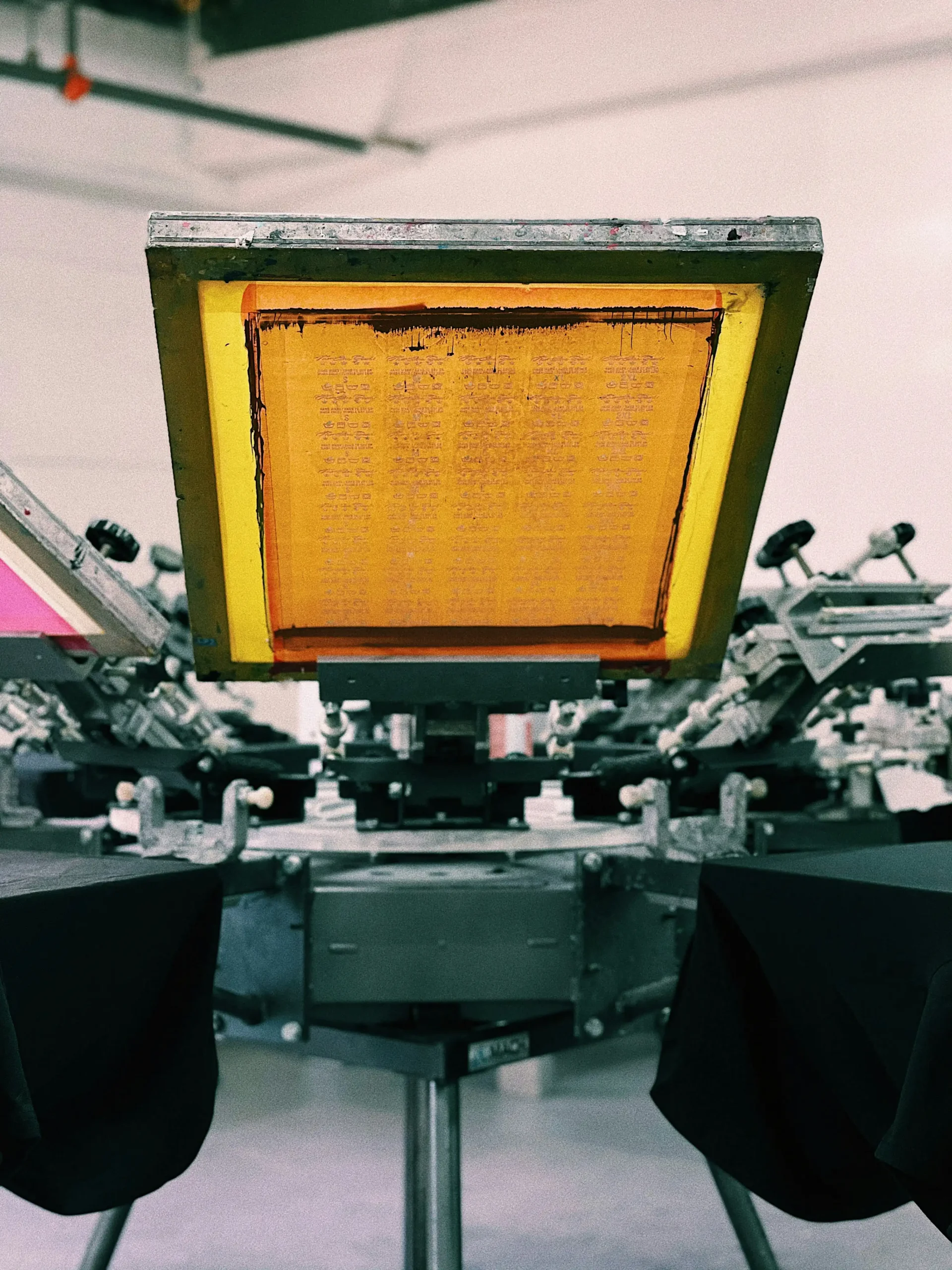
Screen printing is not digital. Each color requires a physical screen: mesh stretched over an aluminum frame, coated with photosensitive emulsion, exposed to your artwork film, then pressure-washed to create the stencil. We charge $40 per color per screen. For a 3-color logo, that is $120 in setup before a single bag is produced. On a 500-unit order averaging $2.50 per unit, that $120 represents nearly 10% of the total order value consumed before manufacturing starts. At 5,000 units and $0.85 per unit, the identical $120 is rounding error.
Pantone Color Match Fee Impact on Low-Volume Orders
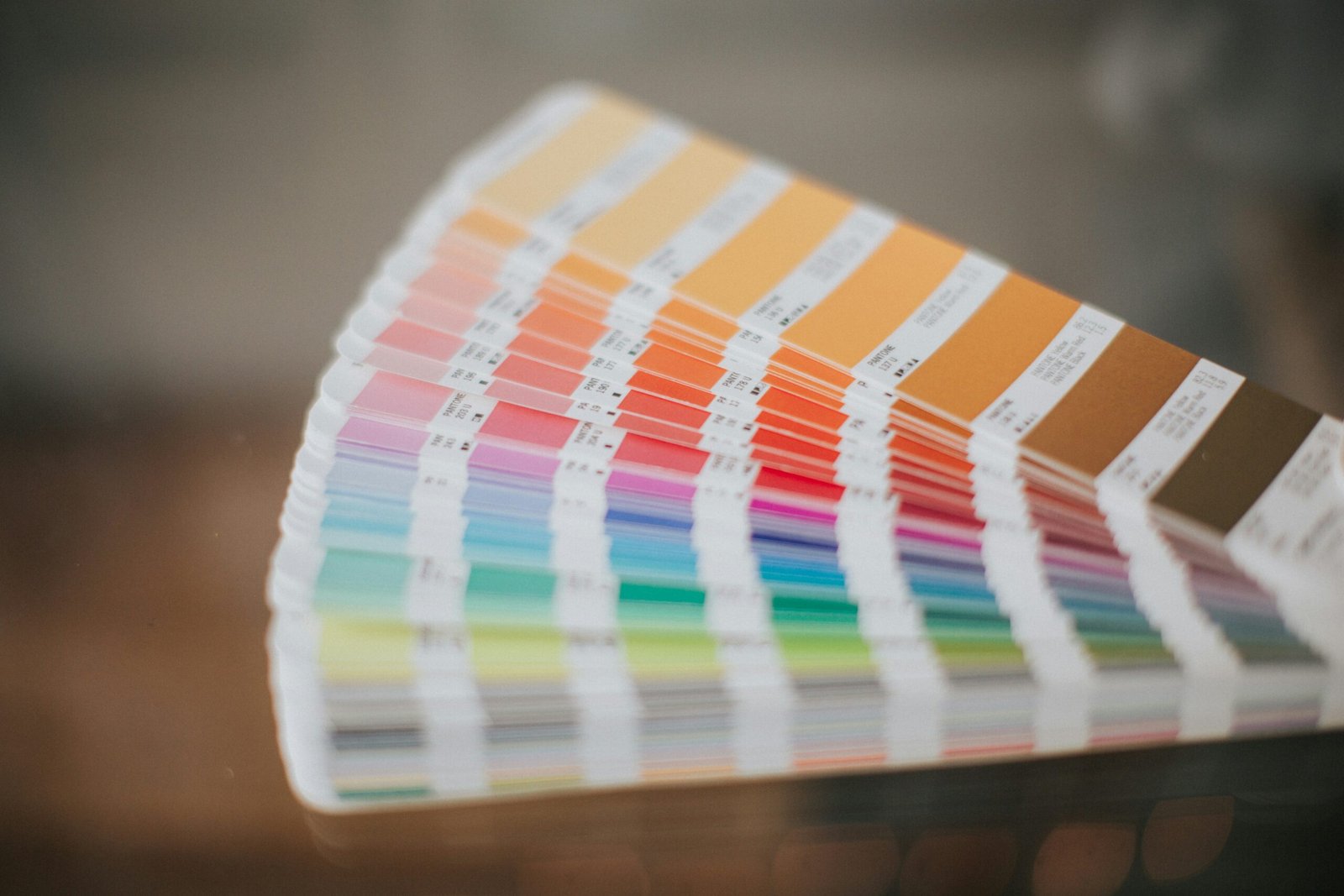
Most factories include basic CMYK color matching at no extra charge, but brand-critical clients demand exact Pantone (PMS) color matching. A Pantone match fee typically runs $25 to $50 per color because the ink mixer must formulate a custom batch, test-print it, and adjust until it passes a spectrophotometer reading. On a 500-unit order with 3 Pantone colors, you are looking at an additional $75 to $150. Amortized across 500 bags, that is $0.15 to $0.30 per unit in color matching alone. Distributors who forget to line-item this fee end up absorbing it straight from their gross margin.
Negotiating Screen Reuse for Reorders Within 6 Months
Here is the trap that catches even experienced distributors: your client reorders 500 units six months later, and the factory charges full setup again because the screens were discarded after the first production run. A repeat order that should cost $2.50 per unit suddenly becomes $2.74, and you have no contractual ground to dispute it. We insist that every distributor contract specifies a 12-month screen storage clause at zero additional charge. If a factory will not guarantee screen retention in writing, calculate the re-setup cost into your initial quote and lock the client into a multi-order agreement that justifies the upfront investment. The difference between a profitable repeat client and a margin-destroying one is a single line in your purchase order.
| Order Volume | Setup Cost Per Unit | Cutting Efficiency | Factory Economics | Margin Defense Strategy |
|---|---|---|---|---|
| 500 Units | $0.20/unit penalty | ~85% yield (15% waste) | High risk of hidden 20-30% ‘Small Order Surcharge’; screens often poorly tensioned causing weak points under load | Frame as a prototype run; warn clients that ‘As low as’ pricing requires 10k+ units to avoid structural failures seen in YouTube durability tests |
| 1,000 – 2,500 Units | $0.08 – $0.10/unit | ~90% yield | The ‘Death Valley’ of pricing; volatile costs where full bulk breaks are denied but tooling is poorly amortized | Mathematically prove to clients that jumping straight to 5k units yields a better total cost and gross margin than lingering in this tier |
| 5,000 Units | $0.02/unit | ~95%+ yield (optimized nesting) | True wholesale cost unlocked; optimal screen printing setup cost amortization and bulk drawstring bags material MOQ savings | Lock in 12-month screen storage contracts to protect reorder economics and prevent margin erosion on future runs |
| Repeat 500 Units | $0.20+ (Re-setup fee) | ~85% yield (resets) | Factories often discard screens post-production; charge new ‘warehousing fee’ or full $40/color re-setup | Enforce strict screen storage clauses in initial PO; shift conversation from ‘why is the reorder expensive’ to ‘value of preserved tooling’ |
Production Methods: Screen vs. Digital Transfer
Heat transfer handles full-color artwork at 500 units. Screen printing at 5,000 units slashes per-unit setup costs by 90% and eliminates the peel failures that destroy repeat business.
Heat Transfer: The Low-Volume Compromise
When a distributor lands a 500-unit order for custom drawstring bags with a complex logo, heat transfer is often the only full-color option without a massive setup fee. We run these orders daily. The math works at this scale because you pay one film output fee instead of $40 per color for screen setups. The tradeoff is physical. A heat transfer patch sits on top of the fabric, adding a stiff, heavy hand-feel to 80gsm non-woven polypropylene. Under stress—like a 50 lb load during a move—that patch delaminates. We see peel failures on roughly 8-12% of transfer-printed bags after aggressive use, a failure rate YouTube durability reviewers consistently confirm when stress-testing bags with backpack straps at full capacity.
Screen Printing: The Bulk-Order Advantage
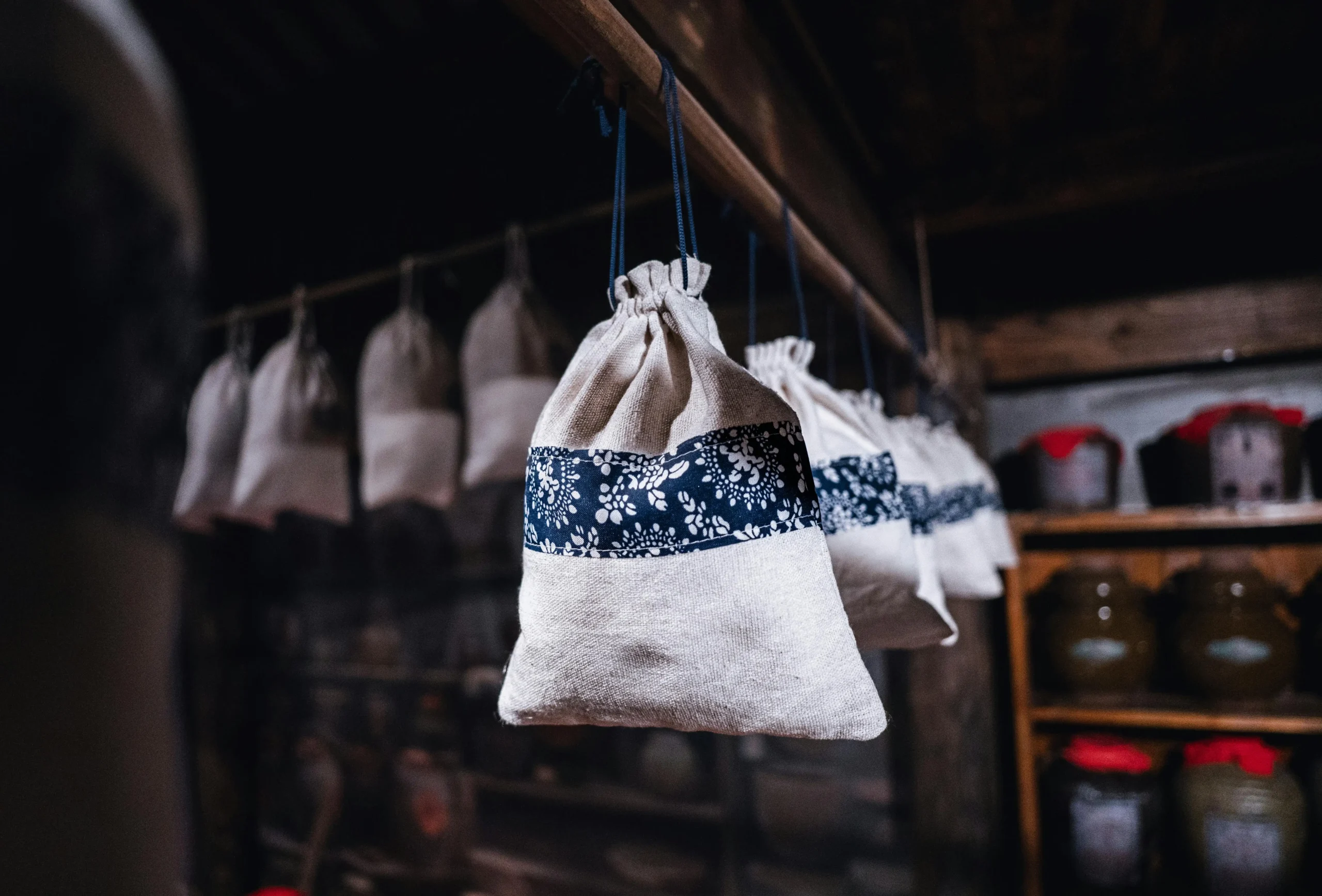
Screen printing forces ink directly into the fabric fibers. The result is a soft-hand finish that becomes part of the bag itself, not a layer sitting on top. For a 5,000-unit run on 210D polyester, the $40/color setup fee drops from a $0.20/unit penalty at 500 units to $0.02/unit. That $0.18 per-unit savings is pure margin for the distributor. Screen-printed logos survive the abrasion and load stress that peel transfer patches apart. The limitation is a 3-color maximum. For most corporate branding and promotional runs, this covers the requirement entirely.
The Upsell: Framing Print Method as a Premium Decision
Most distributors lose the upsell because they present screen printing as a production limitation rather than a product upgrade. When your client asks for a quote at the 500-unit tier, counter with this: the $0.85/unit they saw online requires a 10,000-unit commitment. At 500 units, heat transfer pushes the real custom drawstring bags 500 units price to $2.50/unit with a noticeable quality downgrade. Propose jumping to 1,000 or 5,000 units with screen printing. The unit cost collapses, and the end product feels retail-grade—the ink breathes with the fabric instead of cracking under load.
Position it not as “buying more” but as “qualifying for the manufacturing method that protects your brand.” We advise distributors to lock in screen storage contracts for 12 months on every bulk order. A 500-unit repeat order six months later often triggers a full re-setup fee if the factory discarded the screens, wiping out the repeat-order margin entirely.
Material Waste and Raw Material Efficiency
Fabric waste is the single largest hidden variable in drawstring bag bulk pricing. It is not a markup — it is geometry.
Fabric Yield and Cutting Pattern Optimization
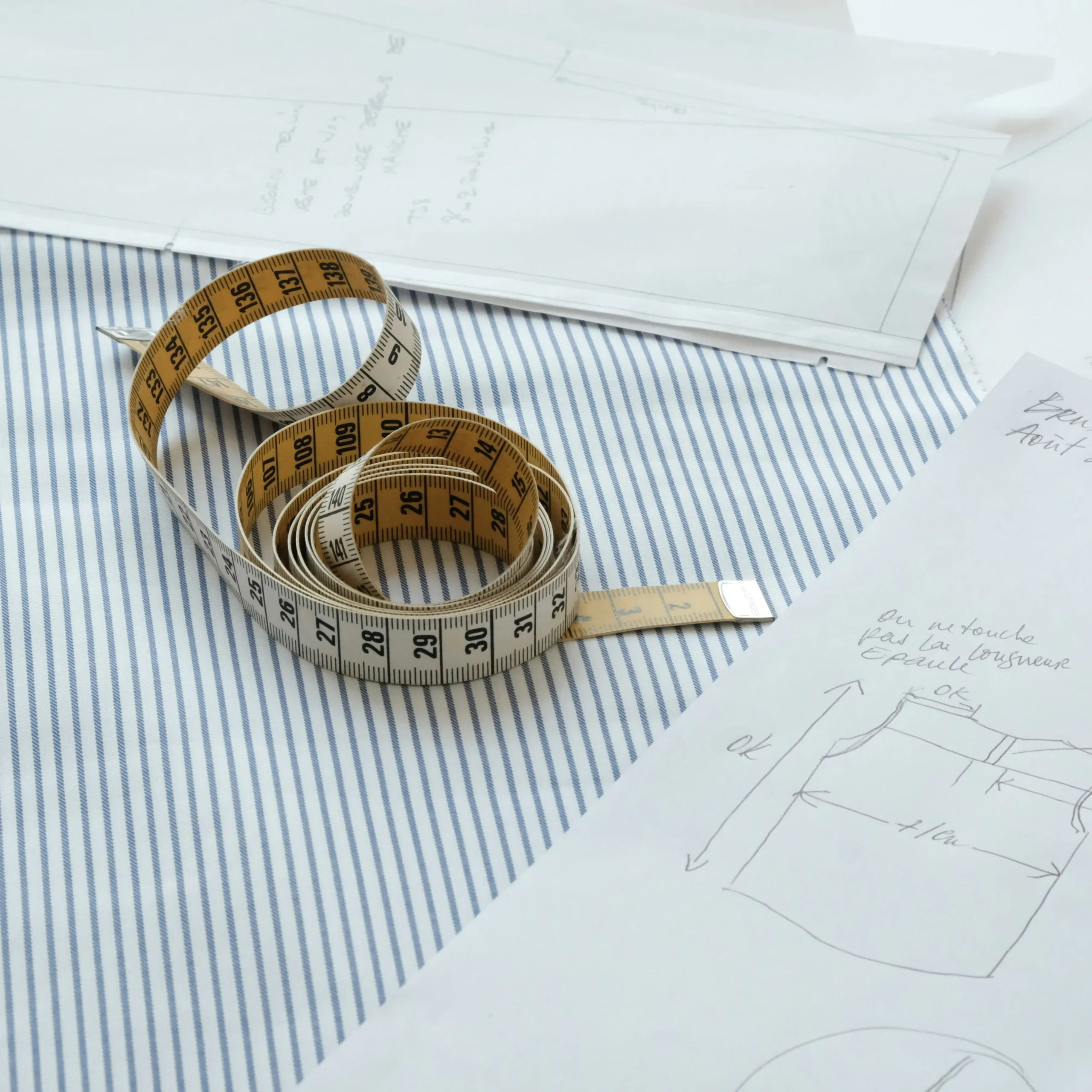
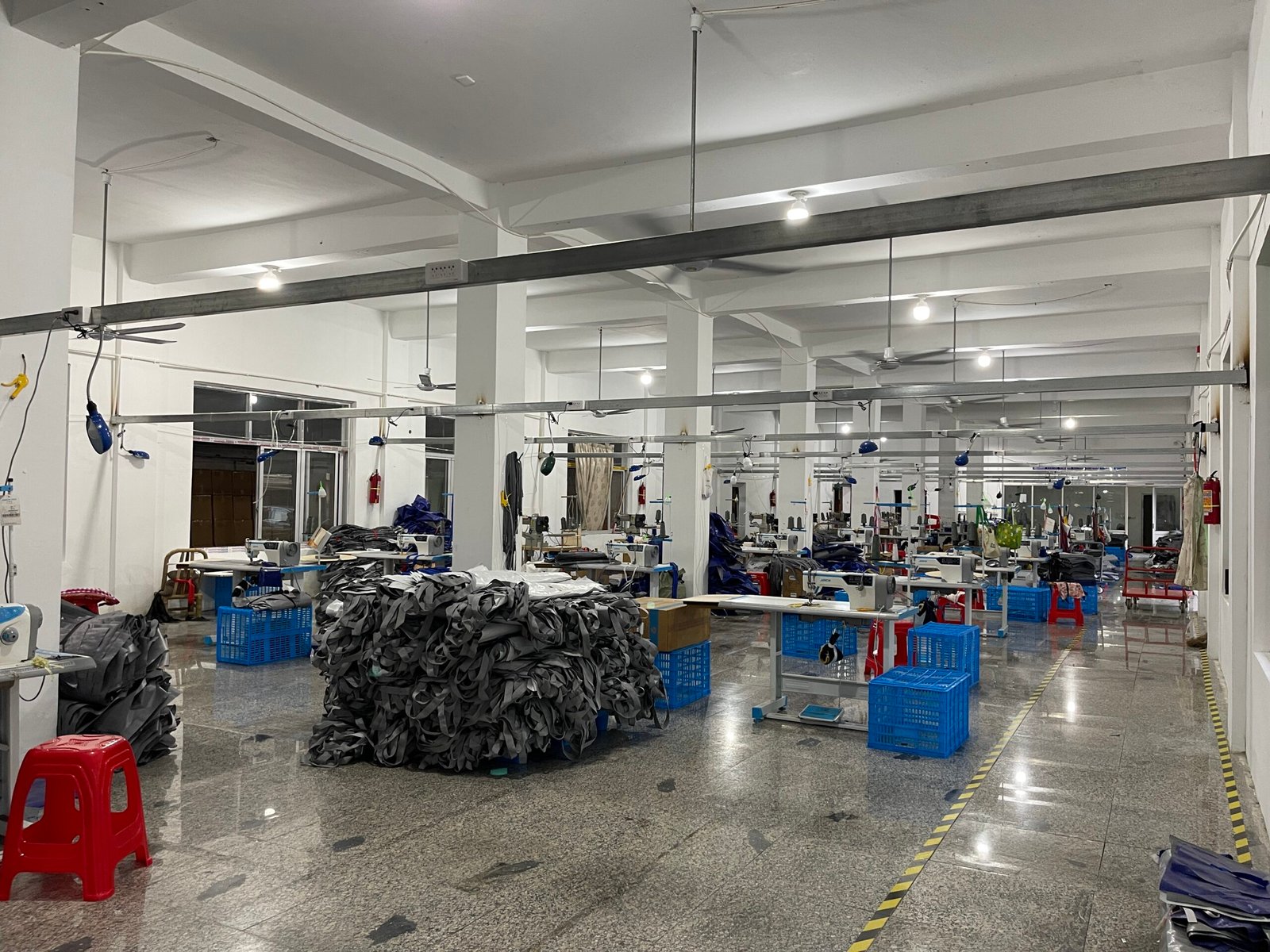
When we lay out cutting patterns on a roll of 210D Polyester or 80gsm Non-Woven Polypropylene, the goal is to maximize the number of bag panels per linear meter. On a 500-unit run, the cutting die layout is constrained — we cannot nest panels tightly enough across the fabric width to eliminate dead zones. The raw fabric between die strikes becomes unrecoverable scrap. At 5,000 units, we adjust the cutting sequence to interlock panels, pushing usable yield from roughly 85% to above 95%. This is not a marginal improvement. It is the mechanical difference between throwing away 15 meters of fabric per 100 and throwing away less than 5.
The 15% to Under 5% Waste Differential
Here is the math that matters to your margin. On a 500-unit order of custom drawstring bags, approximately 15% of your raw material cost is paying for fabric that ends up in the recycling bin. That waste is baked into the $2.50/unit average price. Scale to 5,000 units, and cutting efficiency drops waste below 5%. Your per-unit raw material cost collapses, which is a primary driver behind the $0.85/unit wholesale cost at that tier. When your client asks why a 500-unit reorder quote feels disproportionately high, show them this number. The physics of cutting do not change for small orders — factories cannot cheat geometry. The cost of that 10% waste gap is real, and it is absorbed entirely at low volumes.
Standard Mill Run Colors vs. Custom Pantone Matching
Material waste also compounds through dye lot management. When a distributor requests a custom Pantone color on a 500-unit run, the dye house charges a minimum batch fee regardless of order size. The fabric mill dyes a full production lot — often 500 to 1,000 meters — to achieve that exact color match. If your order only consumes 80 meters, the remaining 920 meters of custom-dyed fabric become dead stock for the mill, and that surplus cost is passed directly to you. Standard mill run colors — black, navy, white, red — are continuously in production. There is no dye lot waste because the material is pulled from existing inventory. For a distributor managing a 500-unit project with a tight margin, specifying a standard mill run color over a custom Pantone can eliminate a $0.30 to $0.50 per-unit surcharge that exists purely to cover unused dyed fabric. That single specification change often determines whether the order remains profitable.
| Order Volume | Cutting Efficiency | Material Waste Impact | Cost Allocation | Factory Strategy |
|---|---|---|---|---|
| 500 Units | ~85% | High scrap rate from manual template constraints and fabric roll edges. | 15% raw material premium absorbed per unit | We apply standard layouts; distributors should bundle client projects to bypass this penalty. |
| 1,000 – 2,500 Units | ~88% – 90% | Volatile yield; partial optimization of heavy-duty PP-woven or 210D Polyester rolls. | 10-12% premium; marginal material savings fail to offset labor shifts. | We flag this as the ‘Death Valley’; advise jumping to 5,000 units to secure true bulk breaks. |
| 5,000+ Units | ~95%+ | Near-zero scrap; automated CNC nesting maximizes fabric yield for load-bearing seams. | Baseline 5% waste margin; lowest possible raw cost per bag. | We optimize nesting algorithms to pass maximum material savings directly to your gross margin. |
Conclusion
Stop quoting 500-unit orders unless you plan to absorb the margin loss. Jumping straight to 5,000 units drops your unit cost from $2.50 to $0.85, eliminating that 20-cent setup fee penalty per bag. If your client only budgets for 1,000 units, bypass the volatile “Death Valley” tier entirely and sell them on the long-term savings of a 5,000-unit run.
Pull your current 500-unit quote and find the hidden small-order surcharge before you send it to your client. Call your factory contact right now and demand a 12-month screen storage clause in your contract to protect your reorder margins. Show your client the setup fee amortization math so they stop comparing your price to a fake 10,000-unit “as low as” ad.
Questions fréquemment posées
Quelle est la taille idéale pour un sac à cordon ?
A highly effective size for heavy-duty or retail drawstring bags is 18″ x 22″, providing ample capacity for logistics, moving supplies, or bulk retail goods without compromising structural integrity. For premium retail packaging, a smaller 14″ x 18″ dimension is ideal for elevating brand presentation while keeping production costs efficient at both 500 and 5,000 unit tiers. Ultimately, the optimal size depends on your specific product dimensions, but standardizing these two sizes ensures seamless scalability in direct factory manufacturing.
Combien coûte la fabrication d'un sac ?
Les coûts de fabrication varient considérablement entre 500 et 5 000 unités en raison de l'amortissement des frais directs de mise en place en usine, de l'approvisionnement en matières premières et des frais liés aux plaques d'impression. Avec une quantité minimale de commande (MOQ) de 500 unités, vous pouvez vous attendre à payer un supplément par unité, généralement compris entre $2,50 et $5,00 selon l'épaisseur du matériau et la complexité de la personnalisation de la marque. Passer à une commande de 5 000 unités réduit considérablement le coût unitaire, qui baisse souvent de 40 à 60, ce qui en fait le niveau le plus rentable pour la logistique internationale et la distribution à grande échelle dans le commerce de détail.
Quels sont les différents types de cordons ?
Dans le domaine des emballages de vente au détail haut de gamme et à usage intensif, les cordons de serrage sont classés en fonction de leur matériau et de leur mécanisme de fermeture, afin de concilier résistance industrielle et esthétique. Parmi les types les plus courants, on trouve les cordons en coton tissé, qui confèrent un aspect haut de gamme aux emballages de vente au détail, les cordons paracord en nylon épais, offrant une capacité de charge maximale pour les applications impliquant des déplacements, et les rubans plats en polyester, adaptés à l'impression de logos en haute résolution. De plus, les systèmes de fermeture peuvent prendre la forme de cordons doubles standard ou de systèmes à bascule verrouillables, en fonction du niveau de sécurité requis pendant le transport logistique international.
De quoi sont faits les sacs à cordon bon marché ?
Low-cost drawstring bags are typically manufactured from ultra-lightweight, non-woven polypropylene (PP) or thin, uncoated nylon to minimize raw material expenses. While these materials keep the unit price exceptionally low, they lack the industrial-grade durability required for heavy-duty moving and often yield a lower-quality retail presentation. As a direct factory, we advise against these substrates for premium brand elevation, as their susceptibility to tearing under stress compromises the end-user experience in demanding logistics environments.
Quel est le meilleur matériau pour les sacs à cordon ?
Le choix du matériau optimal dépend entièrement de l'application, mais le polyester 600D à 900D constitue la référence absolue pour les sacs de déménagement robustes, grâce à son exceptionnelle résistance à la déchirure et à sa capacité de charge. Pour les emballages haut de gamme destinés à la vente au détail et visant à valoriser la marque, le nylon ripstop 210D ou 420D, doté d’un éclat subtil, offre une esthétique haut de gamme tout en conservant son intégrité structurelle. Ces deux matériaux se prêtent parfaitement à la sérigraphie personnalisée et au marquage par transfert thermique, garantissant ainsi que vos emballages répondent aux normes logistiques internationales les plus strictes tout en projetant une image soignée et professionnelle.

0 commentaires