



Une entreprise de déménagement régionale a récemment rejeté un conteneur de 5 000 sacs parce que les poignées s'étaient déchirées lors du premier chargement, laissant les affaires d'un client éparpillées dans une allée. L'entreprise avait approuvé des sacs échantillons de préproduction qui semblaient indestructibles, mais l'usine avait discrètement remplacé le PP tissé laminé de 120 g/m² par un stock de 90 g/m² non calibré pour le tirage en vrac. Lorsque vos équipes chargent 50 kg de livres dans un camion, une approbation visuelle de l'emplacement du logo ne signifie rien si vous n'avez pas exigé un test d'arrachage des coutures supérieur à 120 N et si vous n'avez pas bloqué le lot de matières premières.
Nous avons analysé trois ans de données de tests en usine sur les défaillances des sacs logistiques sur le terrain et nous avons découvert que les centres des tissus cèdent rarement - 80% des ruptures se produisent au niveau des coutures liées doublement cousues pendant le transport. Ce document détaille le protocole exact de test de charge mécanique que vous devez exécuter avant de signer, les documents de traçabilité REACH qui empêchent légalement la substitution de matériaux, et les exigences spécifiques de l'UE en matière de sécurité des produits. Seuils NQA 2,5 pour demander des comptes à une usine d'outre-mer.
Qu'est-ce qu'un échantillon de préproduction ?
Un échantillon de préproduction est la référence physique légalement applicable pour la fabrication en vrac. Il ne s'agit pas d'une maquette visuelle, mais d'une unité de contrôle testée mécaniquement qui sert de point d'ancrage à votre inspection finale NQA 2,5 de niveau II.
Échantillon de préproduction et contre-échantillon de stade précoce
Un contre-échantillon n'a qu'un seul but : l'approbation visuelle. Vous approuvez la couleur, le repérage de l'impression et les dimensions nominales. Les usines produisent généralement des contre-échantillons en 3 à 5 jours en utilisant le matériau de qualité supérieure disponible sur l'étagère. La composition structurelle de ce sac n'a aucune corrélation avec ce qui est expédié en vrac.
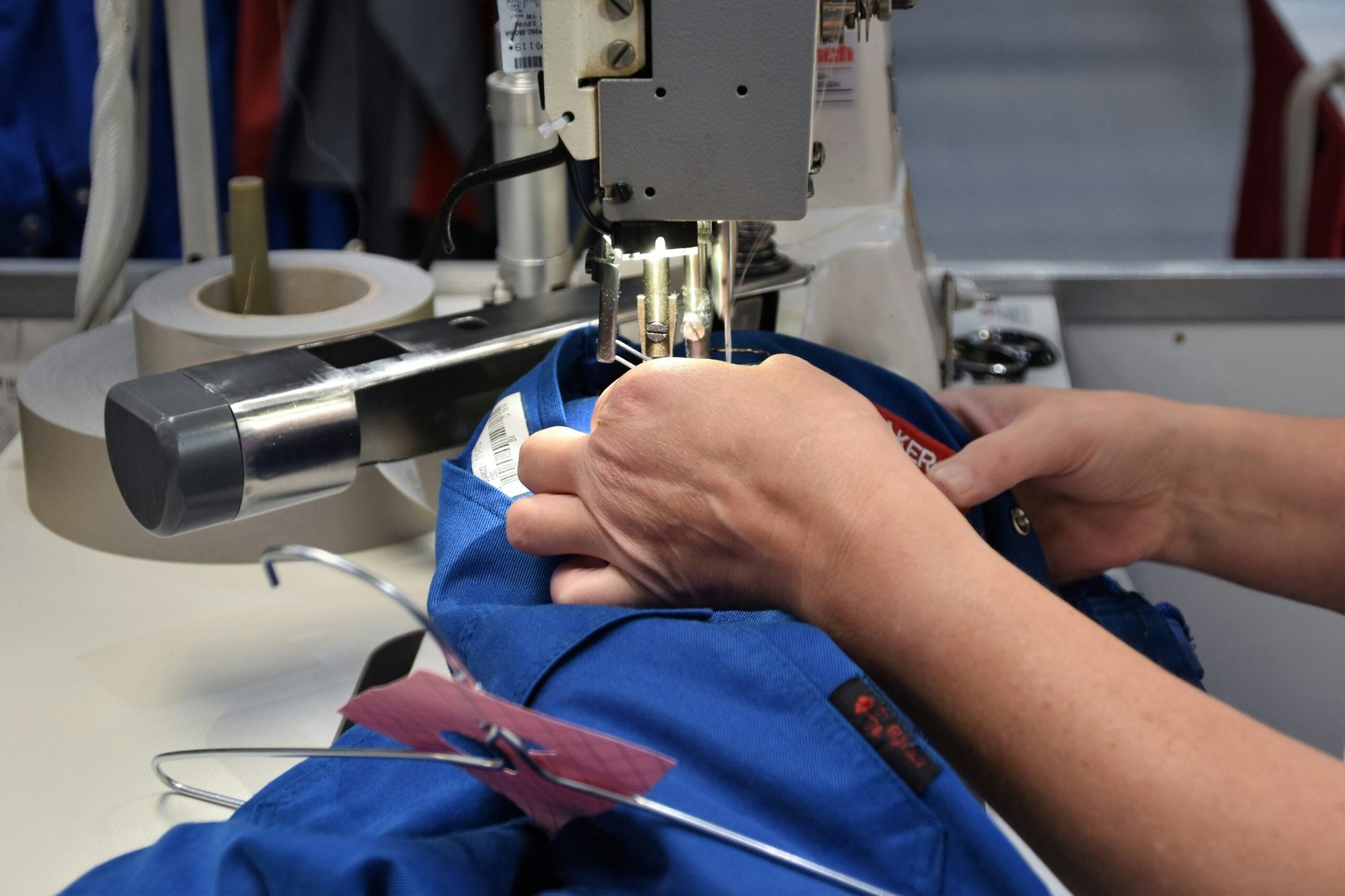
Un échantillon de préproduction (PP) est fabriqué sur la ligne de production exacte, en utilisant les matières premières commandées en vrac exactes, en appliquant les motifs de couture et les méthodes de reliure exacts. Les usines ont besoin d'environ 7 jours pour produire un échantillon PP, auxquels s'ajoutent 5 à 7 jours pour la livraison mondiale par DHL ou FedEx. Ce cycle de 12 à 14 jours s'explique par le fait que l'usine doit attendre physiquement l'arrivée du lot de matières premières correctes avant de découper une seule unité. Si une usine propose un échantillon de PP dans les 48 heures, elle vous envoie un contre-échantillon avec une étiquette différente.
Demande Certificats de traçabilité REACH avec l'échantillon PP. Ce document oblige l'usine à verrouiller légalement le lot exact de matériaux utilisé pour cette unité, éliminant ainsi la pratique courante qui consiste à substituer un stock non calibré moins cher pour les tirages en vrac.
Données sur les contraintes mécaniques : Les raisons de l'échec de l'approbation visuelle Les sacs de déménagement
Les utilisateurs finaux sur les forums signalent régulièrement que les sacs se déchirent pendant les déménagements - la cause première n'est presque jamais une défaillance du centre du tissu. Nos ingénieurs ont testé des centaines d'échantillons sur le terrain et ont découvert que les coutures de fixation sont responsables de 80% des défaillances structurelles sous les charges dynamiques des camions. Un sac de déménagement en PP tissé laminé de 120 g/m² supporte une charge statique de 50 à 70 kg sans rupture du tissu, mais la couture est le maillon le plus faible.
Nous exigeons une résistance à la traction supérieure à 120N pour chaque échantillon de PP destiné aux sacs logistiques, vérifiée à l'aide d'un test de résistance à la traction. machine d'essai universelle avant que l'échantillon ne quitte nos locaux. Les coutures doubles ne sont pas négociables pour les sacs de plus de 40 kg. Si votre échantillon de PP arrive avec des coutures simples ou non reliées, rejetez-le immédiatement, quel que soit l'aspect de l'impression.
Demandez une vidéo du test de capacité de charge du sac en PP tissé avant le vrac. Le protocole de test est simple : remplir l'échantillon de PP jusqu'à sa capacité nominale en kg, le soulever par les poignées supérieures et le maintenir pendant 60 secondes. Tout décollement de la couture ou arrachement de la poignée disqualifie l'échantillon. Ce test unique élimine la majorité des risques de défaillance sur le terrain auxquels sont confrontés les acheteurs qui passent de distributeurs locaux surévalués à des importations directes.
L“”échantillon d'or" signé comme protection juridique
Le concept d“”échantillon d'or" est un langage courant dans le secteur. C'est au niveau de l'exécution que les acheteurs perdent de l'argent. Un échantillon d'or non signé est une responsabilité, pas une protection. Sans un échantillon de contrôle physiquement signé et daté conservé par l'acheteur, votre inspection finale NQA 2.5 niveau II n'a pas de référence légale à laquelle se référer.
Les NQA 2,5 Niveau II définit le taux de défaut acceptable pour les défauts des sacs fonctionnels à 2,5% du lot. L'inspecteur compare les unités en vrac à l'échantillon de contrôle approuvé pour déterminer ce qui constitue un “défaut”. Si l'usine peut faire valoir que l'échantillon de contrôle n'a jamais été officiellement signé, elle dispose d'une échappatoire en cas de dérive de la qualité, en affirmant que l'acheteur a approuvé verbalement une norme différente.
Conservez un échantillon de contrôle physiquement signé dans vos locaux. D'après nos données internes sur les litiges, cette simple action permet d'éviter environ 15% de litiges sur la qualité après la production. Le protocole est strict : signer et dater l'échantillon au marqueur permanent sur une couture intérieure peu visible, le photographier avec un tampon dateur et confirmer la réception par courriel avec le responsable de la qualité de l'usine en copie. Si deux ou trois séries d'échantillonnage ajoutent 20 à 42 jours à votre délai d'exécution total, ce coût ne représente qu'une fraction du rejet d'un seul conteneur ou d'une réclamation d'assurance déclenchée par une commande de 5 000 sacs arrivant avec une solidité des coutures inférieure au seuil.
Spécification des paramètres des essais de charge et de déchirure
Les centres de tissus ne cèdent que rarement sous l'effet de la charge - les coutures de reliure cèdent 80% la plupart du temps. Votre liste de contrôle pour l'approbation des échantillons avant la production doit isoler l'intégrité des coutures par le biais d'une contrainte mécanique, et non d'une inspection visuelle.
Essai de charge statique de 50 kg pendant 24 heures
Exigez un test de charge statique de 50 kg pendant un cycle complet de 24 heures sur vos sacs échantillons de pré-production. Un sac de déménagement en PP tissé laminé de 120 g/m² supporte une charge statique de 50 à 70 kg sans rupture de couture lorsque la reliure est doublement cousue, mais cette spécification ne signifie rien si l'usine ne teste que pendant 10 minutes. Nous chargeons le sac échantillon avec des plaques de poids calibrées de 5 kg réparties sur la base, nous le suspendons aux poignées de la reliure et nous le laissons reposer pendant 24 heures. Nous mesurons les points d'attache des poignées et les lignes de couture avant et après. Tout allongement supérieur à 3 mm au niveau de la ligne de couture indique que l'usine a utilisé un fil non calibré ou une densité de couture incorrecte, deux facteurs qui entraîneront des défaillances sur le terrain lorsque le sac sera empilé dans un camion en mouvement.
Essais de chute de 1,2 mètre avec une charge de 30 kg
Les tests de charge statique ne simulent pas ce qui se passe réellement sur les chantiers. Les déménageurs déposent les sacs sur la queue des camions et dans les cages d'escalier. Exigez de l'usine qu'elle effectue un test de chute libre de 1,2 mètre avec le sac échantillon chargé à 30 kg. Ce test doit être effectué sur une surface en béton, et non sur un sol rembourré. Le sac doit survivre à trois chutes consécutives sans rupture de couture, détachement de la poignée ou perforation du tissu dans la zone d'impact. Si l'usine résiste à ce test ou prétend qu'il est “trop dur”, c'est un signe direct qu'elle n'a pas confiance dans la construction de ses coutures. Nous rejetons environ 15% des échantillons initiaux à ce stade parce que la force d'impact expose des coutures liées faibles qui passent les tests statiques mais qui se déchireraient au moment où un déménageur balancerait le sac hors d'une camionnette.
Essais de traction sur la couture nécessitant une résistance >120N
Le test de traction sur les coutures est la mesure la plus prédictive de la durabilité des sacs logistiques. Selon la méthodologie ISO 13934-1 utilisée pour les essais de traction sur textile, la couture doit résister à une force de traction minimale de 120 N avant la rupture du point de couture. Demandez un enregistrement vidéo de ce test réalisé sur une machine d'essai de traction. L'usine serre le tissu des deux côtés de la couture liée et tire à une vitesse constante jusqu'à la rupture. Nous n'acceptons pas les essais de traction manuels réalisés à l'aide de balances à ressort, car ils produisent des résultats incohérents et sont facilement manipulables. Nos ingénieurs exigent des rapports d'essai écrits indiquant la force en Newton relevée au point de rupture de la couture. Tout résultat inférieur à 120 N indique que l'usine a utilisé une configuration à point unique ou un fil à faible résistance à la traction, qui se fissurera sous les charges dynamiques des camions lorsque les sacs se déplacent pendant le transport.
Contrôles visuels standard et essais mécaniques sous contrainte
La plupart des acheteurs approuvent les échantillons de préproduction en se basant uniquement sur des contrôles visuels : repérage de l'impression, exactitude des couleurs et dimensions. Pour les sacs de déménagement, il s'agit d'une responsabilité. L'inspection visuelle confirme l'aspect esthétique, mais ne permet pas de prédire si un sac pourra contenir 50 kg de livres sans que la couture du fond n'éclate. Votre protocole d'approbation doit séparer ces deux fonctions. Effectuez des contrôles visuels par rapport à une référence Pantone et à une feuille de tolérance dimensionnelle pour assurer la cohérence de la palettisation. Puis, indépendamment, effectuez les trois tests de résistance mécanique décrits ci-dessus. Un sac peut passer l'inspection visuelle sans aucun défaut et pourtant échouer à un test de chute de 30 kg parce que l'usine a remplacé le ruban adhésif par une résine PP non classée et moins chère. Le fait d'exiger des certificats de traçabilité REACH avec l'échantillon oblige l'usine à verrouiller légalement le lot de matériaux, empêchant ainsi la substitution de l'échantillon au matériau en vrac, qui est à l'origine d'environ 15% de litiges sur la qualité en post-production.
L'essai sous contrainte mécanique est le seul protocole qui se traduit par votre ICP réel : atteindre un taux de défaillance sur le terrain inférieur à 0,5%. Les contrôles visuels protègent l'image de votre marque. Les essais sous contrainte vous protègent des réclamations d'assurance. Conservez un échantillon de contrôle physiquement signé qui a passé les deux niveaux d'inspection - il devient votre référence légale lorsque l'usine effectue son inspection finale NQA 2,5 de niveau II sur le lot de production en vrac. Sans cet échantillon de contrôle signé, l'usine dispose d'une échappatoire pour la dérive de la qualité et votre inspection NQA devient inapplicable.
| Paramètre d'essai | Norme industrielle | Seuil requis | Risque de défaillance atténué |
|---|---|---|---|
| Capacité de charge statique | 20-30kg (limites de la catégorie de vente au détail) | 50-70kg de charge continue (120gsm PP tissé) | Élimine les éclatements de fond lors de la palettisation des camions |
| Résistance dynamique à la traction des coutures | Non spécifié / Inspection visuelle uniquement | Force >120N sur les coutures liées doublement cousues | Prévient le taux de rupture de la couture du 80% pendant le transit dynamique |
| Résistance à la propagation de la déchirure | Résistance de base à la perforation (susceptible de se déchirer) | Structure en PP stratifié sans effilochage des coutures | Empêche les accrocs localisés de se transformer en défaillances totales du sac. |
| Protocole d'essai de chute en charge | Non requis pour les sacs de déménagement standard | Chute de 1,2 m à la capacité maximale sur les points de tension primaires | Simulation de la manipulation sur le terrain pour éviter les réclamations pour dommages matériels |

Le piège de la révision des échantillons à trois tours
Deux ou trois cycles de révision des échantillons ajoutent 20 à 42 jours à votre calendrier de production. Ce retard est presque entièrement dû au fait que l'acheteur n'a pas réussi à fixer des spécifications mécaniques mesurables avant que le premier échantillon ne soit coupé.
Le coût calendaire de l'itération
Les usines ont généralement besoin de 7 jours pour produire un échantillon de PP tissé et de 5 à 7 jours supplémentaires pour la livraison mondiale par DHL ou FedEx. Lorsqu'un acheteur rejette un échantillon pour des raisons vagues telles que “il n'est pas assez solide”, l'usine interprète l'itération suivante à travers son propre prisme, et non le vôtre. Deux ou trois cycles de révision allongent votre délai de 20 à 42 jours sans amélioration structurelle. Nous voyons des responsables des achats perdre des fenêtres confirmées pour la saison des déménagements à cause de ce cycle précis.
Verrouiller le GSM - uniquement les numéros exacts
Dire à une usine “utilisez un tissu résistant” ne garantit rien. Nous demandons aux acheteurs de spécifier exactement 120 g/m² de PP tissé laminé dans leur dossier technique. Il ne s'agit pas d'une suggestion, mais du seuil minimum pour une charge statique de 50 à 70 kg sans déformation des coutures. Lorsqu'un acheteur soumet un dossier technique indiquant “PP pour usage intensif”, l'usine dispose d'une marge contractuelle pour substituer un stock de 80 g/m² dans la production en vrac. Exigez le numéro de GSM exact par écrit.
Les spécifications des joints éliminent l'interprétation de l'usine
Pour les sacs mobiles, les centres en tissu se rompent rarement sous les charges des camions. Notre analyse des défaillances sur le terrain montre que les coutures de reliure cèdent dans 80% des cas sous l'effet d'une contrainte dynamique. Votre dossier technique doit indiquer la construction exacte de la couture - des instructions vagues telles que “couture renforcée” invitent à réaliser une couture de blocage sur une seule ligne avec un fil à faible résistance à la traction.
- Type de couture : Construction à double couture
- Résistance à la traction : Seuil minimal de résistance à l'arrachement des coutures >120N
- Ruban de liaison : Préciser la largeur exacte (par exemple, reliure PP tissée de 25 mm)
Inscrivez ces paramètres directement dans le paquet technique. Chaque détail non spécifié devient un choix d'usine, et le choix d'usine se porte par défaut sur l'option conforme la moins chère.
La conformité à REACH en tant que mécanisme de verrouillage des matériaux
Les usines utilisent couramment des matériaux de qualité supérieure pour l'échantillon de préproduction, puis les remplacent par des matériaux moins chers et non classés pour les tirages en grande quantité. Il s'agit là de la source la plus fréquente de défaillances sur le terrain après la livraison. Exigez des certificats de conformité REACH pour toutes les garnitures et matières premières au stade de l'échantillon. Cela oblige l'usine à verrouiller légalement le lot exact de matériaux utilisé pour cet échantillon, conformément à la législation européenne. Cadres réglementaires REACH de l'UE. Sans ce document, l'usine peut affirmer que l'écart entre les matériaux était “dans les limites de la tolérance acceptable” lors de l'inspection finale de niveau II du NQA 2,5.

Vérification des matériaux et conformité REACH
Les usines envoient régulièrement des échantillons de préproduction en utilisant du PP tissé de 120 g/m² de qualité supérieure, puis remplacent le vrac par du stock non calibré moins cher. Le fait d'exiger des certificats de traçabilité REACH au stade de l'échantillon permet de bloquer légalement le lot de matériaux.
Le problème de la substitution d'un échantillon à un matériau en vrac
Nous voyons ce schéma plusieurs fois par an : un acheteur approuve un échantillon de pré-production, le vrac arrive et les sacs échouent au test de charge statique de 50 kg que l'échantillon a passé avec succès. Le centre du tissu tient bon. La couture de liaison est défaillante parce que le ruban adhésif non classé moins cher ne peut pas supporter la résistance à la traction de >120 N requise pour les charges dynamiques des camions.
L'usine a utilisé des matériaux de qualité A pour le premier échantillon, puis est revenue à des matériaux de qualité B pour la série de 5 000 unités.
| Composant | Spécification requise | Protocole de vérification | Risque atténué |
|---|---|---|---|
| Tissu de base | 120gsm PP laminé et tissé | Demander un certificat de traçabilité REACH spécifique au lot avec un échantillon de pré-production | Verrouille légalement le lot de matériaux ; empêche l'usine de remplacer le stock en vrac par du stock non calibré moins cher. |
| Garnitures et accessoires | Matériel/fil conforme à REACH | Exiger un rapport de dépistage des substances extrêmement préoccupantes (SVHC) | Élimination de la responsabilité liée aux restrictions concernant les matières dangereuses lors de la logistique transfrontalière |
| Reliure à couture | >120N Résistance à la traction des coutures | Témoin ou enregistrement vidéo de l'essai de traction sur l'échantillon d'or | Prévient les défaillances des joints dynamiques de charge de camion 80% qui déclenchent des réclamations d'assurance. |
| Couche de laminage | Revêtement PP de qualité industrielle | Recoupement des numéros de lot du certificat REACH avec l'échantillon physique | Assure que l'intégrité structurelle n'est pas compromise par des substituts de revêtement de qualité inférieure. |

Signer la fin : de l'échantillon à la masse
Sans un échantillon de contrôle physiquement signé et daté, une inspection NQA 2,5 de niveau II n'a pas de base de référence applicable. L'usine gagne par défaut tous les litiges relatifs à la qualité.
Signature et datation de l'échantillon de PP
L'envoi par courriel de la mention “approuvé” sur un PDF ne constitue pas une acceptation légale d'un échantillon de pré-production. Nous demandons à l'acheteur de signer et de dater physiquement l'échantillon PP au moyen d'un marqueur permanent, directement sur l'ourlet intérieur du sac. Cette signature manuscrite constitue la seule source de vérité si l'usine tente de substituer un matériau au cours de la production en série.
Voici le protocole non négociable que nous appliquons au stade de la signature : exiger de l'usine qu'elle fournisse des certificats de traçabilité de conformité REACH correspondant au lot exact de PP tissé laminé de 120 g/m2 utilisé dans l'échantillon. Les usines produisent couramment un échantillon de qualité supérieure en utilisant de la résine vierge, puis remplacent le stock moins cher et sans qualité pour le tirage en vrac de 5 000 unités. Un document de traçabilité REACH lié à l'échantillon signé verrouille légalement l'usine sur ce lot de matériau spécifique.
Les usines ont généralement besoin de 7 jours pour produire un échantillon de PP et de 5 à 7 jours pour la livraison DHL/FedEx dans le monde entier. Chaque cycle de révision supplémentaire ajoute 14 à 21 jours. Nous limitons l'échantillonnage à deux séries maximum car 2 à 3 séries d'échantillonnage ajoutent 20 à 42 jours aux délais totaux, ce qui menace directement votre fenêtre d'approvisionnement pour la saison des déménagements.
Le retour de l'échantillon de contrôle immuable
Le concept d“”échantillon d'or" est une terminologie courante dans l'industrie, mais il constitue une responsabilité s'il reste non signé et non daté. L'échantillon PP signé doit être divisé : l'usine conserve une copie pour son atelier de production et vous conservez la seconde copie en tant qu'échantillon de contrôle immuable. Cette conservation physique permet d'éviter environ 15% de litiges sur la qualité de la postproduction qui découlent d'approbations verbales ou par courrier électronique uniquement.
Les concurrents concentrent l'approbation sur des éléments visuels tels que le repérage de l'impression et la fidélité des couleurs. Pour les sacs à usage intensif, l'approbation visuelle est secondaire. L'échantillon de contrôle doit être explicitement annoté avec les résultats des tests mécaniques réussis : un test de charge statique de 50 à 70 kg sans séparation des coutures et une résistance à la traction des coutures supérieure à 120N. Ces annotations manuscrites sur l'échantillon de contrôle le transforment d'une référence visuelle en une spécification contractuelle de performance.
Verrouiller les délais de production
L'approbation de l'échantillon et le lancement de la production doivent être liés par une clause de délai ferme, et non par une vague phrase du type “la production commence après approbation”. Nous structurons le bon de commande de manière à ce que la production en vrac commence dans les 48 heures suivant la réception de l'échantillon PP signé. Si la production ne démarre pas dans ce délai, une clause de pénalité journalière est appliquée. Sans ce mécanisme, les usines retarderont délibérément le début de la production pour mettre en lot votre commande avec des tirages plus importants, détruisant ainsi votre calendrier de livraison.
Le NQA standard de l'industrie pour les défauts des sacs fonctionnels est le niveau II, 2,5%. Cette norme n'est applicable que si votre bon de commande fait explicitement référence à l'échantillon de contrôle signé en tant que référence de l'inspection et précise le calendrier de l'inspection. Nous exigeons que l'inspection NQA ait lieu à l'usine avant le chargement du fret, et non après l'arrivée dans l'entrepôt de destination. Les inspections postérieures à l'arrivée permettent à l'usine de nier de manière plausible les dommages causés par le transport qu'elle aurait dû éviter grâce à un emballage adéquat.
Applicabilité lors des inspections finales aléatoires
Lorsque l'agence d'inspection tierce arrive pour le contrôle final aléatoire, le premier document qu'elle doit consulter est l'échantillon de contrôle que vous avez conservé, et non la fiche technique interne de l'usine. Nous demandons aux inspecteurs de retirer l'échantillon de contrôle de votre emballage scellé et d'effectuer une comparaison côte à côte avec des unités en vrac sélectionnées au hasard sur trois dimensions critiques : la vérification du GSM du tissu à l'aide d'une balance de précision, le nombre de points de couture par 10 cm et le test de résistance à l'arrachement des coutures de 120 N sur le site.
Le point de défaillance le plus courant que nous observons lors des inspections NQA sur les sacs en mouvement est la dégradation de la couture de liaison. Les centres des tissus sont rarement défaillants sous les charges dynamiques des camions, mais les coutures liées doublement cousues sont défaillantes dans 80% des cas lorsque l'usine réduit la densité des points ou passe à un fil de moindre résistance entre l'échantillon et le produit en vrac. Si la résistance à la traction de l'échantillon ne correspond pas à celle de l'échantillon de contrôle (>120 N), l'inspection est immédiatement annulée, la cargaison est retenue et l'usine est contractuellement tenue de procéder à des travaux de retouche à ses propres frais. C'est le seul mécanisme qui permet d'éviter qu'un conteneur de 5 000 sacs dont la structure est compromise n'atteigne vos camions et ne donne lieu à des réclamations pour dommages matériels.
L'échantillon de contrôle signé n'est pas une formalité. C'est le seul document qui transforme vos attentes en matière de qualité en une norme juridiquement contraignante lors d'un contrôle de qualité. contrôle d'échantillonnage NQA statistiquement valide. Sans cela, vous vous fiez à la conformité déclarée par l'usine, qui n'a aucune valeur exécutoire lorsqu'un litige se transforme en réclamation.
Conclusion
Les sacs de vente au détail comme le Dimpa d'IKEA se déchirent dès que vous chargez du vrai matériel d'ameublement. Si vous chargez 50 à 70 kg par sac, vous devez exiger un échantillon de pré-production accompagné d'un rapport de test de traction des coutures >120N signé. Forcer l'usine à prouver que les coutures de fixation tiennent sous des charges dynamiques de camion est le seul moyen de maintenir votre taux d'échec sur le terrain en dessous de 0,5%.
Envoyez un signal d'arrêt à votre usine : aucune production en vrac ne démarre sans une vidéo du test de charge statique de 50 kg sur la construction exacte de la couture de reliure. Demandez-leur d'inclure le certificat de traçabilité REACH avec l'échantillon physique afin qu'ils ne puissent pas échanger plus tard un stock moins cher et non classé.
Questions fréquemment posées
Qu'est-ce qu'un échantillon PP ?
Un échantillon de préproduction est le prototype physique définitif fabriqué à l'aide de vos matériaux en vrac exacts, de garnitures de qualité industrielle et de machines d'usine. Pour les sacs de déménagement à usage intensif et les emballages de vente au détail haut de gamme, cet échantillon sert de norme de contrôle contraignante pour garantir que la durabilité et l'esthétique de la marque s'alignent parfaitement. Au cours de la production de masse, notre équipe de contrôle qualité s'appuie strictement sur cet échantillon PP approuvé pour effectuer les inspections AQL 2.5 de niveau II, garantissant ainsi des performances logistiques mondiales constantes.
Quel est le processus de conception des sacs ?
Le processus de conception des sacs de déménagement de qualité industrielle donne la priorité à l'ingénierie structurelle plutôt qu'à l'idéation esthétique de base, afin de garantir une capacité de charge maximale. Nous commençons par vérifier les matériaux de production tels que le GSM et le denier, puis nous créons des patrons de coupe précis et un premier prototype. Le flux de travail se termine par des tests mécaniques rigoureux de résistance à la déchirure, des contrôles de qualité stricts et la finalisation des spécifications de l'emballage de vente au détail de première qualité pour l'élévation de la marque.
Quelles sont les 5 étapes de la production ?
Le cycle de vie de la fabrication est divisé en cinq étapes strictement gérées afin de garantir l'efficacité et l'échelle de l'usine directe. Il commence par la planification pour finaliser les paquets techniques, suivie de l'acheminement pour affecter les lignes d'usine optimales capables de réaliser des coutures lourdes. Le processus passe par la planification pour l'approvisionnement en matériaux, l'expédition pour la coupe et la couture de précision, et se termine par le suivi qui comprend des inspections NQA en ligne et des contrôles finaux aléatoires.
Quelles sont les étapes de la préproduction ?
Le processus de préproduction commence par le verrouillage des spécifications critiques des matériaux, comme la sélection d'un PP tissé de 120 g/m² pour une durabilité de niveau industriel. Ensuite, nous approuvons tous les outils personnalisés et les films d'impression nécessaires à votre image de marque avant de procéder à une à trois séries rigoureuses d'échantillonnage du PP. Enfin, les sacs sont soumis à des tests de résistance mécanique et l'échantillon de contrôle physique signé autorise le lancement officiel de votre commande en vrac.
Quels sont les 5 P de la production ?
Le cadre des 5 P garantit une exécution sans faille depuis notre usine jusqu'aux réseaux logistiques mondiaux. Le produit définit les caractéristiques physiques exactes du sac pour un usage intensif, tandis que l'usine s'assure que nos machines peuvent traiter des matériaux à haute résistance. Nous gérons le programme pour une programmation précise, nous normalisons les processus tels que les méthodologies de couture avancées et nous nous appuyons sur des personnes hautement qualifiées pour réaliser des coutures impeccables et résistantes.

0 commentaires