





Plastic waste is everywhere. Many assume reusable bags are the answer—but is that really true?
Reusable shopping bags1 can reduce environmental harm compared to single-use plastic—but only when reused enough and made from sustainable materials.
This article explores the full picture: from hidden costs2 to best practices for true impact.
What Makes a Bag “Reusable” in the First Place?
Most people believe that any non-plastic bag is reusable. But real reusability means function, not just form.
A reusable bag must handle multiple uses, resist wear, and maintain its strength and cleanliness.

The Basics of Reusability
A bag’s reusability depends on how it’s designed and what materials it uses.
- Material quality3 determines how many uses it can withstand.
- Handle strength decides if the bag can carry real weight.
- Shape retention ensures it stays useful across months or years.
| Fonctionnalité | Minimum Requirement | Problem if Missing |
|---|---|---|
| Fabric durability | At least 80–100 uses without tearing | Bags rip or lose shape too early |
| Poignées renforcées | Double-stitched or box-stitched | Handles snap after a few uses |
| Lavabilité | Withstands at least 10 washes | Accumulates dirt, odor, or mold |
When one of our supermarket clients in Australia sourced thin cotton bags from a cheaper factory, they were disappointed. Bags shrunk and distorted after washing. We helped them shift to pre-shrunk RPET4 with reinforced structure—and customer complaints disappeared.
Misconceptions in Reusability
Some brands sell “eco” bags that are only reusable in theory. These may:
- Use poor seams.
- Fade after one wash.
- Carry just 2–3 kg max.
Real-world testing and honest claims matter. Our team always conducts pull, wash, and abrasion tests before confirming mass production.
Comparing the Environmental Impact: Reusable vs. Single-Use Bags?
At first glance, reusable bags seem like the clear winner. But it’s more complex than that.
Reusable bags use more resources to produce, but reduce waste and emissions when reused frequently5.

Lifecycle Emissions Breakdown
| Type de sac | CO₂ Emissions per Unit | Reuse Needed to Offset |
|---|---|---|
| Single-use plastic | Very low | 1 |
| Paper bag | 3–4x higher | 3–4 uses |
| Cotton bag | 50–150x higher | Plus de 100 utilisations |
| RPET bag | 5–10x higher | 10–15 uses |
Lifecycle analysis (LCA) includes: raw materials, energy used in production, transportation, and end-of-life.
Real Business Applications
When a U.S. restaurant chain ordered 100,000 cotton bags, they promoted their biodegradability. But they didn’t consider usage. Customers rarely reused them—meaning the chain increased their carbon impact. Later, they switched to RPET with loyalty integration to drive re-use.
What Brands Must Ask Themselves
- Can your users realistically reuse a cotton bag 100+ times?
- Will they bring it back?
- Is the bag’s design strong enough to last that long?
If the answer is no, even biodegradable materials may perform worse environmentally than low-carbon plastic.
How Many Times Do You Need to Reuse a Bag to Make It Worth It?
Using a reusable bag once isn’t enough. It must earn its environmental cost.
Reusable bags only reduce environmental damage if they meet or exceed their break-even reuse count6.

Reuse Thresholds: Numbers that Matter
| Bag Material | Reuse Count to Offset Plastic | Real-Life Typical Uses |
|---|---|---|
| RPET | 10–15 | 12–25 |
| PP non tissé | 20-30 | 8–15 |
| Coton | 131 (UK study) | 30–80 |
| Toile | 150–200 | 60–100 |
How We Help Clients Hit These Numbers
We offer features like:
- Barcode tracking for usage-based loyalty programs.
- Branded reminders to increase return use.
- Foldable or easy-to-store designs that increase adoption.
One Canadian client added scan-to-win QR codes and saw average bag reuse rise to 19 times. That helped them cut 60% of their single-use orders in six months.
Cotton, Canvas, PP, or RPET – Which Materials Are Truly Sustainable?
The most eco-friendly bag is the one that fits its intended use, lasts long, and is sourced responsibly.
RPET and non-woven PP are usually more sustainable than cotton or canvas unless long-term reuse is guaranteed.

Pros & Cons by Material
| Matériau | Pour | Cons | Meilleur cas d'utilisation |
|---|---|---|---|
| Coton | Natural, biodegradable | High water/energy consumption | Local gift bags with reuse plan |
| Toile | Long-lasting, premium look | Expensive, high shipping CO₂ | High-end or collector programs |
| PP non tissé | Lightweight, affordable | Tears easily | Supermarkets, events |
| RPET | Recycled, strong, printable | Needs recycling system in place | Loyalty or eco-retail programs |
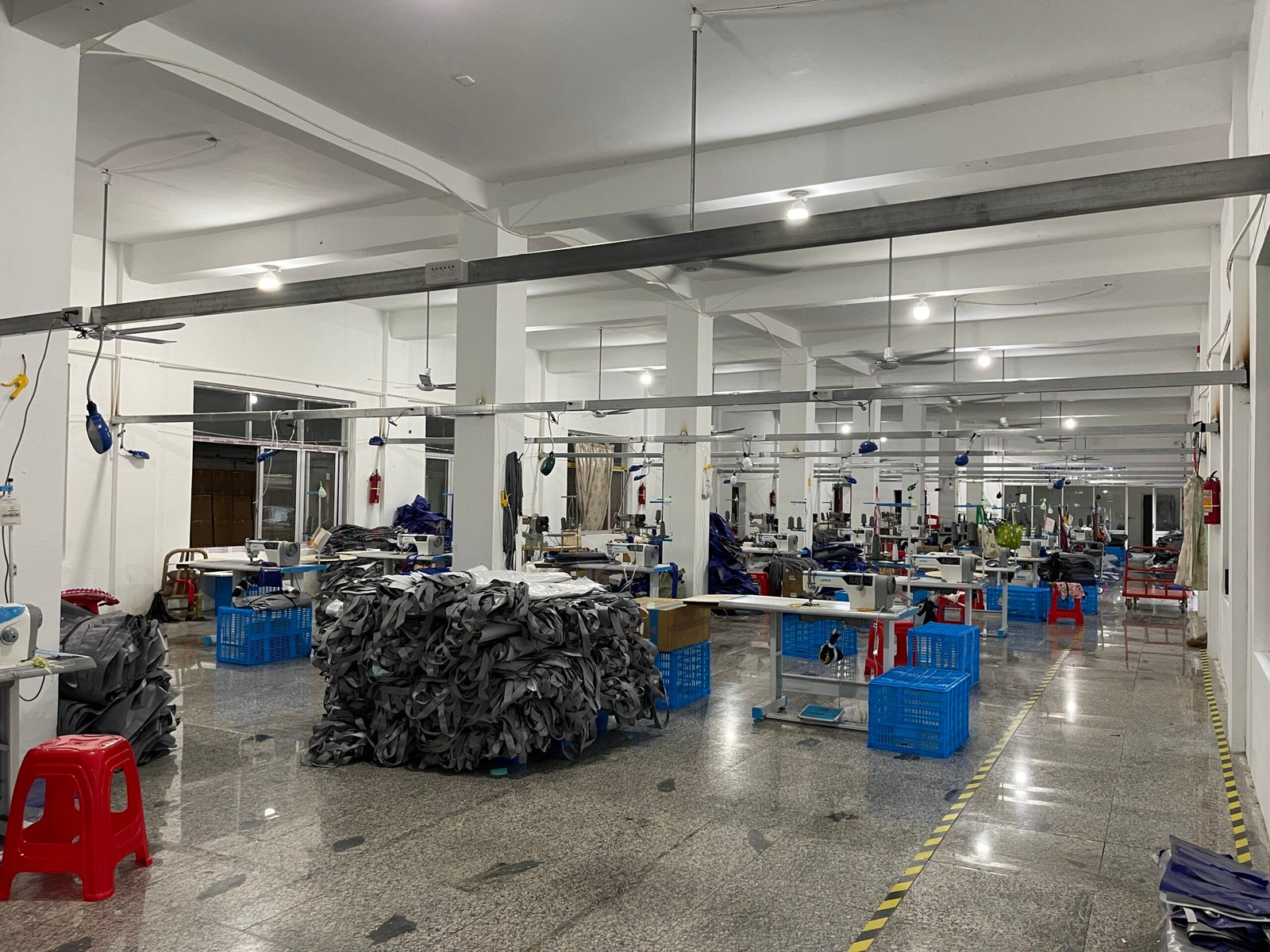
In my factory, we find RPET offers the best cost-benefit for brands doing 6–12 month promotions. Buyers from Europe and Singapore are now shifting to RPET from cotton as certification standards tighten.
The Hidden Environmental Costs of Producing Reusable Bags
Eco doesn’t mean emission-free. All reusable bags have hidden costs.
High energy, water usage, chemical treatment, and transportation contribute to the carbon cost of reusable bags.

What Adds to the Carbon Load
- Fabric Dyeing: Often uses chemicals and heat.
- Heavy Weight: Canvas bags add shipping emissions.
- Surproduction: Bags not used = wasted carbon.
| Hidden Impact Area | Exemple | Resulting Problem |
|---|---|---|
| Water | Cotton farming | 1 tote = 2,700 liters water |
| Transport | Heavy canvas from Asia | Higher shipping CO₂ |
| Waste | Surplus bags unused | Ends in landfill, negating impact |
We advise clients to align production volume with actual need. Overstocking “green” bags just pushes the waste upstream. Less is more.
Reusable Bags and Carbon Footprint: What the Studies Say
Facts support what we’ve observed in production: performance matters more than intention.
Studies confirm reusable bags only help when designed well and reused many times.

Study Summary Table
| Study (Year) | Key Insight | Reuse Threshold |
|---|---|---|
| UK Environment (2011) | Cotton needs 131 uses to offset 1 plastic | RPET only 14 |
| Denmark Analysis (2020) | PP & RPET outperform in carbon reduction | PP: 26, RPET: 12–15 |
| Canada Market Report (2023) | RPET bags reused 18 times with loyalty | 60% lower emissions in 1 year |
Our own tracking shows brands that use reward mechanisms with durable RPET bags get better performance metrics. And that helps with both consumer engagement and sustainability reporting.
Conclusion
Reusable bags are not automatically green. They require the right material, enough reuse, and smart planning. When used well, they’re one of the most effective steps your brand can take to reduce plastic waste.
-
Explains how reusable bags help the environment if reused enough and made from good materials. ↩
-
Reveals water, energy, and transport costs behind “eco” products. ↩
-
Highlights the importance of fabric strength in determining lifespan. ↩
-
Shows how pre-shrunk RPET prevents warping and extends utility. ↩
-
Explains why high production costs are acceptable with proper reuse. ↩
-
Summarizes use-counts needed for different bags to become eco-friendly. ↩

0 commentaires