



A bag factory can pass a paperwork audit and still be the wrong factory. Certificates and trade licenses confirm the entity exists; they say nothing about whether the sewing floor two hours from now will run your order to spec or run ahead to whoever shouted loudest. The sewing floor audit, a walk through production with specific questions and specific things to look at, is how buyers separate real capability from a good sales office. This guide lists what to examine on a bag factory’s sewing floor, and the red flags that should end the conversation.
Our own floor runs open-book visits, and the audit logic below mirrors the framework independent auditors use, the same firms represented through the TIC Council membership when buyers commission formal audits. The documented-audit alternative for buyers who cannot travel is covered in our second factory qualification guide.
Five stations to examine in sequence
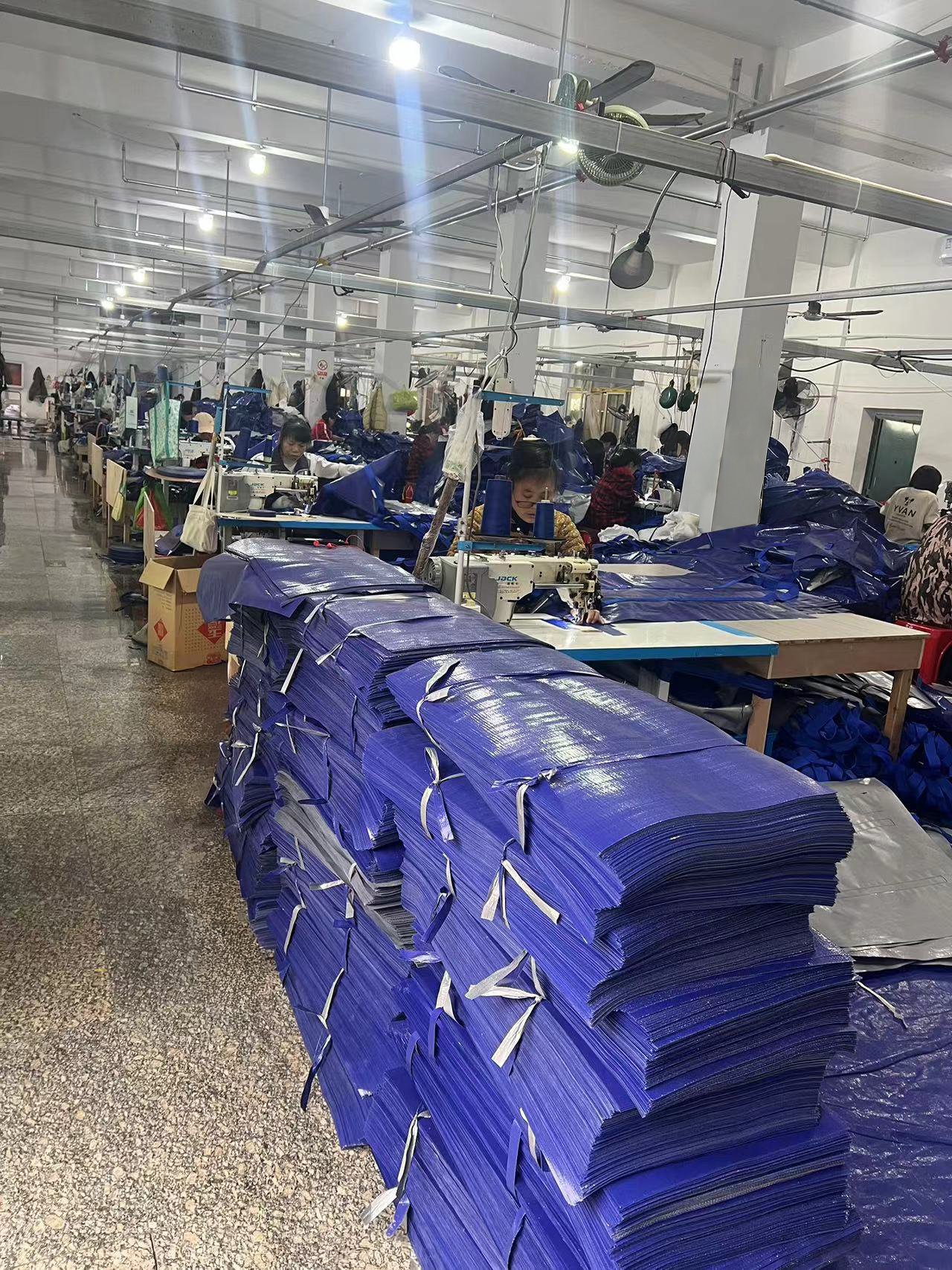
Walk the floor as a flow, material in, bags out. First, cutting: are layers cut against markers with lay plans posted, or freehand by eye? Freehand cutting shows up later as mismatched panels and yield loss priced into your quote. Second, sewing lines: check machine brands and service state, then look at what operators do when a seam goes wrong, because a line that stops and calls a supervisor has a quality system, and a line that keeps sewing has a defect conveyor. Third, in-line QC: is there a QC station between sections with a reject bin and a log, or does quality appear only at the end? Fourth, hardware and printing: check logo alignment gauges and pull-test records for handles. Fifth, packing: are cartons packed against a per-order packing list with labels printed for the order, or packed generically and relabeled later?
| Station | What good looks like | Red flag |
|---|---|---|
| Cutting | Markers and lay plans posted | Freehand eyeball cutting |
| Sewing lines | Stop-and-call discipline | Defects sewn forward |
| In-line QC | Reject bin with log between sections | Quality only at final |
| Printing/hardware | Alignment gauges, pull-test records | “We check by eye” |
| Emballage | Order-specific labels and lists | Generic packs relabeled later |
Four questions that reveal the quality system
Questions matter as much as observations, and four cut through sales polish. “What happens to a defective bag found at in-line QC?” A real answer names the bin, the log and the supervisor. “Show me your lowest-skill station and its output check.” Weak factories concentrate untrained labor where inspection is thinnest. “Which order is running late right now?” Every factory has one; the honest answer shows how management communicates and replans. “What did your last customer complaint change on this floor?” Real quality systems convert complaints into procedure changes, and the change is visible, a new jig, a revised checklist, a retrained operator. The factory that answers these four comfortably will answer your emails comfortably for the next five years, the trust logic documented in our supplier agreement guide.

Our sewing floor runs 100-plus operators across organized lines with in-line QC between sections, BSCI-audited social compliance, and an open invitation for buyer or third-party audits at order stage. Program inquiries reach the export desk with audit scheduling built into the quotation.
Video: the sewing floor in operation
The clip shows the lines an audit walks. Every station in it answers one of the five examinations above, which is why the walk takes an hour and predicts five years.
Frequently asked questions
What is the single most revealing station on a sewing floor?
In-line QC between sections. A reject bin with a log means defects are caught where they are cheap to fix; quality checked only at final means defects are caught by your customers.
Can I audit a factory remotely?
Partially: live video walks and document reviews cover certificates and procedures, but floor discipline, station organization and operator practice are seen properly in person or through a commissioned third-party audit.
Do machine brands matter in a bag factory?
Service state matters more than brand: well-maintained mid-tier machines hold stitch quality, while dirty, oil-starved premium machines predict the downtime that becomes your delay.
What should trigger walking away from a factory?
Freehand cutting with no markers, no in-line QC, and refusal to name the currently-late order. Any one is a caution; together they describe a factory that will ship your problem.



0 commentaires