



Supplier agreement terms for a bag order define the defect rate, the allowance and how a dispute is resolved, and they are the difference between a clean shipment and a costly rework. The short answer for a buyer is this: put the AQL limit, the defect allowance and the resolution clause in writing before the order, because a verbal “we’ll make it right” is worth nothing when a carton arrives bad.

The Three Clauses That Decide a Dispute
The three terms that matter most are the agreed defect rate, the allowance the buyer accepts, and the resolution path when a carton fails. The defect rate is usually set by an AQL sampling plan, which states the acceptable quality level and the defect classes. The allowance is the percentage the buyer accepts as within spec. The resolution clause says what happens when the shipment exceeds the limit: rework, an allowance, or replacement. A buyer who writes all three avoids the ambiguity that causes a deadlock.
| Durée | What It Sets | Pourquoi c'est important |
|---|---|---|
| AQL limit | The acceptable quality level and defect classes | Sets the pass/fail line |
| Allowance | The accepted defect percentage | Sets what the buyer keeps |
| Resolution | Rework, allowance or replacement | Sets what happens on failure |
To build the spec around your use, see the a moving bag manufacturer program before you place the order.
Reading an AQL Table Correctly
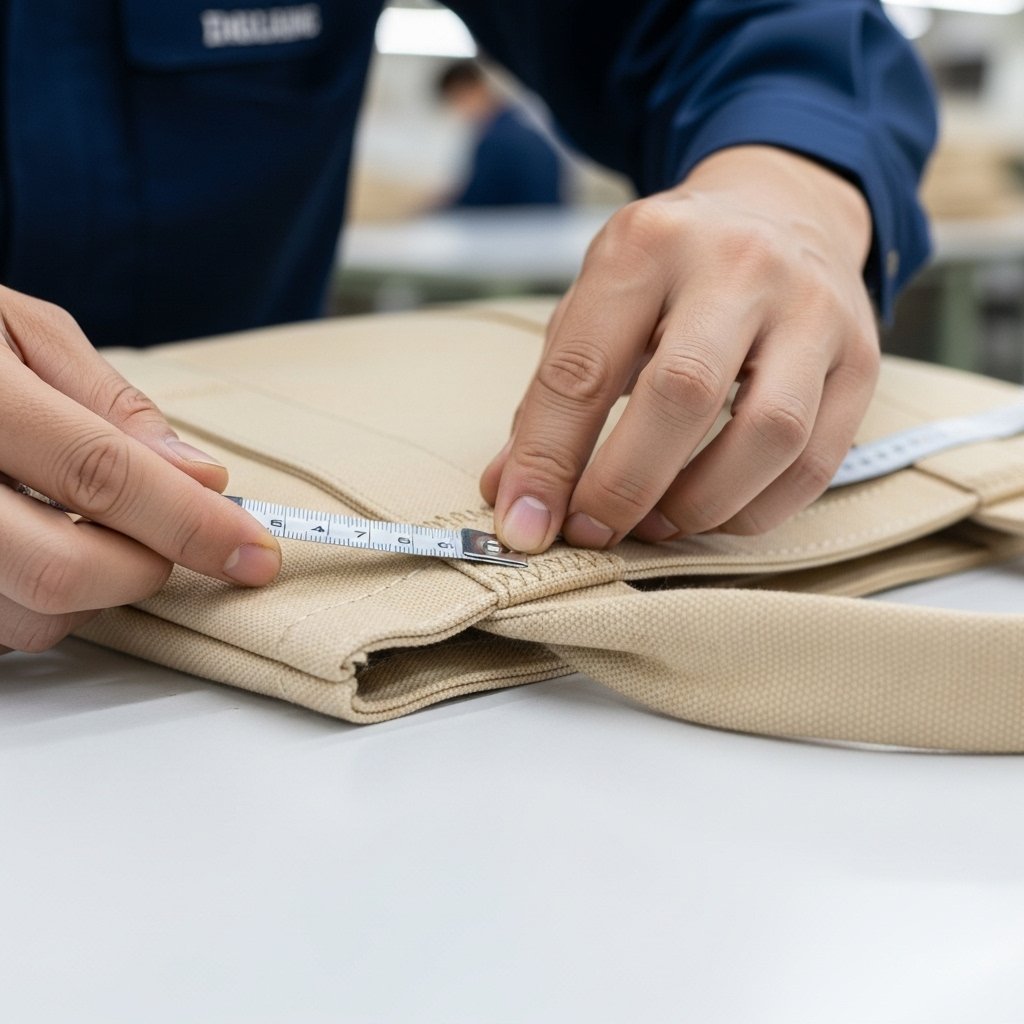
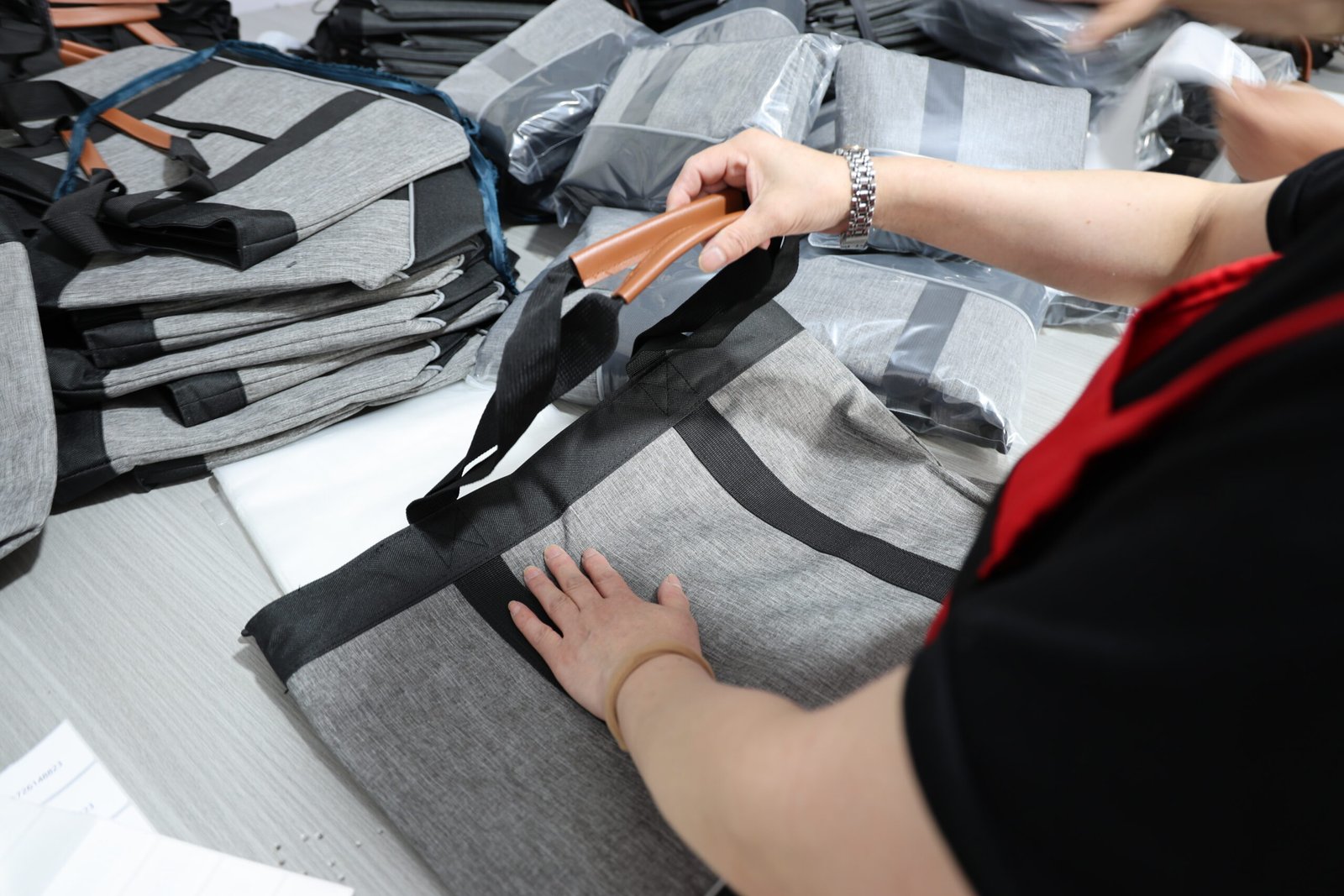
The AQL table maps a lot size and the inspection level to a sample size and an accept/reject number. A buyer who reads the table correctly knows how many pieces to sample and how many defects trigger a rejection, and it separates a pass from a fail on the sample rather than on a feeling. TIIOCTI runs strict AQL 2.5 quality control during mass production, which means a defined level of inspection and a clear accept/reject rule rather than an open-ended quality promise.
The Resolution Should Be a Default, Not a Negotiation
The resolution clause should name the default remedy so a failure does not stall. Common options are a rework at the factory, a price allowance or credit on the rejected pieces, or a replacement shipment. Choosing the default in advance, and the commercial terms for the weight of the plan, keeps a single bad carton from halting the relationship. A supplier agreement governs the contract, and the broader commercial terms are governed by the applicable law, which is where the contract and consumer law framework a buyer relies on comes in.
Spec the Limit Before, Not After
The agreement has to specify the limit and the remedy in the same document as the price and the delivery. A buyer who leaves the AQL and the allowance out of the order is buying on faith and negotiating on the loading dock. TIIOCTI aligns on the material weight and the stitching standard before mass production and provides pre-shipment inspection, so the accept/reject line is agreed up front. See the moving bag manufacturer program to build the spec and the QC terms together.
For more context, read our related guides on streamlining reorders with spec locks, bag supplier scorecards and KPIs, et reading AQL tables for defect classes.
FAQ
What is an AQL limit in a bag order? It is the acceptable quality level and the defect classes in a sampling plan that set the pass or reject line on a shipment.
What is a defect allowance? The percentage of defects the buyer accepts as within spec, agreed before the order.
What remedies should a resolution clause name? Rework at the factory, a price allowance or credit, or a replacement shipment, chosen as a default in advance.
See also our PP bag coating comparison.



0 commentaires