



A bare woven polypropylene bag is a compromise: strong, cheap and water-resistant, but porous, printable only with limitations, and transparent to UV degradation — the starting point for most of the woven constructions in our bag product range. Fabric coatings are how PP bag programs fix those compromises — and the three mainstream options (lamination, PU coating and PVC coating) fix them differently, at different costs and different environmental exposures. Choosing among them is a specification decision with supply-chain consequences, because coating choice changes print behavior, recyclability claims and even which markets the bag can enter. This comparison maps the three options.
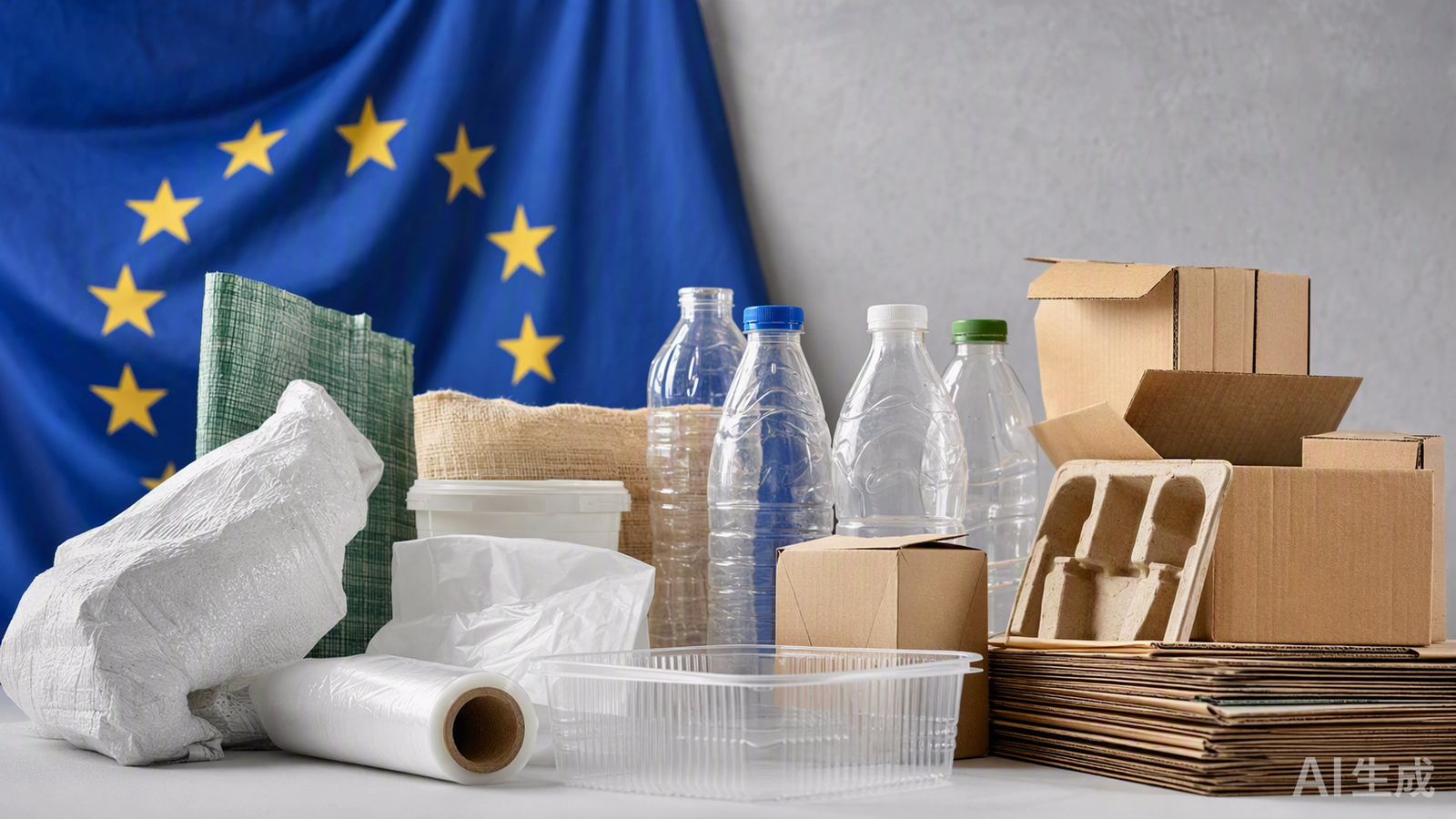
Lamination: the film-bonded default
lamination and coating options
Lamination bonds a thin film — typically BOPP — to the woven PP fabric with adhesive, and it is the industry default for retail-facing PP bags. What it delivers: a smooth, closed surface that takes high-resolution print (the film is printed before lamination in premium processes), full water resistance for the contents, and a stiffness upgrade that improves how the bag stands and handles. What it costs: the bag becomes a multi-material composite, which complicates recyclability claims — increasingly a regulatory issue in markets implementing packaging waste rules, the compliance drift we track in our EU packaging regulation coverage. Laminated bags also delaminate under repeated flexing at low quality levels, so flex durability belongs in the spec, tested rather than assumed under the inspection discipline of our AQL and defect classes framework.
PU and PVC coatings: the liquid-applied alternatives
PU (polyurethane) coating is applied as a liquid layer that cures into a continuous film on the fabric. It delivers water resistance and a softer hand than lamination, with better flex endurance because the coating moves with the weave instead of sitting on top of it. PU is the choice where the bag is handled repeatedly — garment bags, tool totes, premium reusable shoppers. PVC (polyvinyl chloride) coating delivers the heaviest-duty result: thick, highly water-resistant, abrasion-tolerant, and the standard for genuinely wet-service bags. Its trade-offs are regulatory and market-facing: PVC carries restrictions and consumer-brand restrictions in several markets, its plasticizer content draws scrutiny, and some retail programs exclude PVC packaging outright. Coating choice therefore runs through the market matrix: a bag program shipping to the EU faces packaging rules that treat coated composites differently, as our compliance coverage for bag imports documents, and the labeling requirements that fiber-content rules impose on finished composites apply to the finished composite.
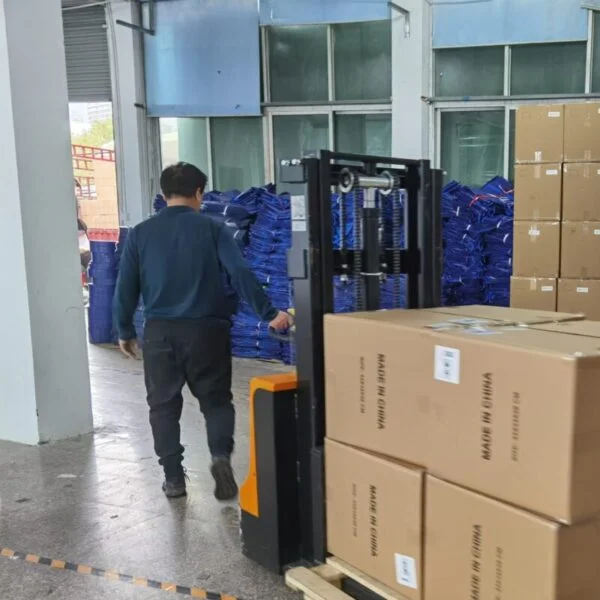
Matching the coating to the program
The decision matrix runs on four questions. What does the bag carry: dry retail goods need lamination’s print surface; repeatedly-handled bags need PU’s flex endurance; wet-service applications need PVC’s heavy layer. How will it be branded: lamination takes the best print, coated surfaces need different print processes, the decoration methods that pair with each construction. Where will it be sold: PVC exclusions and composite-recyclability rules vary by market and by retail program. And what is the cost position: lamination scales cheapest, PU carries a moderate premium, PVC sits between on price but highest on compliance risk. Programs running mixed requirements can mix coatings across a line — the same SKU architecture logic as our mixed-SKU container planning — but each construction needs its own spec entry in the reorder structures of a version-controlled spec-lock discipline, because a “same bag, different coating” reorder without spec control is how delamination complaints happen. Coating and film performance testing follows published textile standards, including the ASTM D5430 test methods for woven fabrics, the standard family coated PP constructions are measured against.
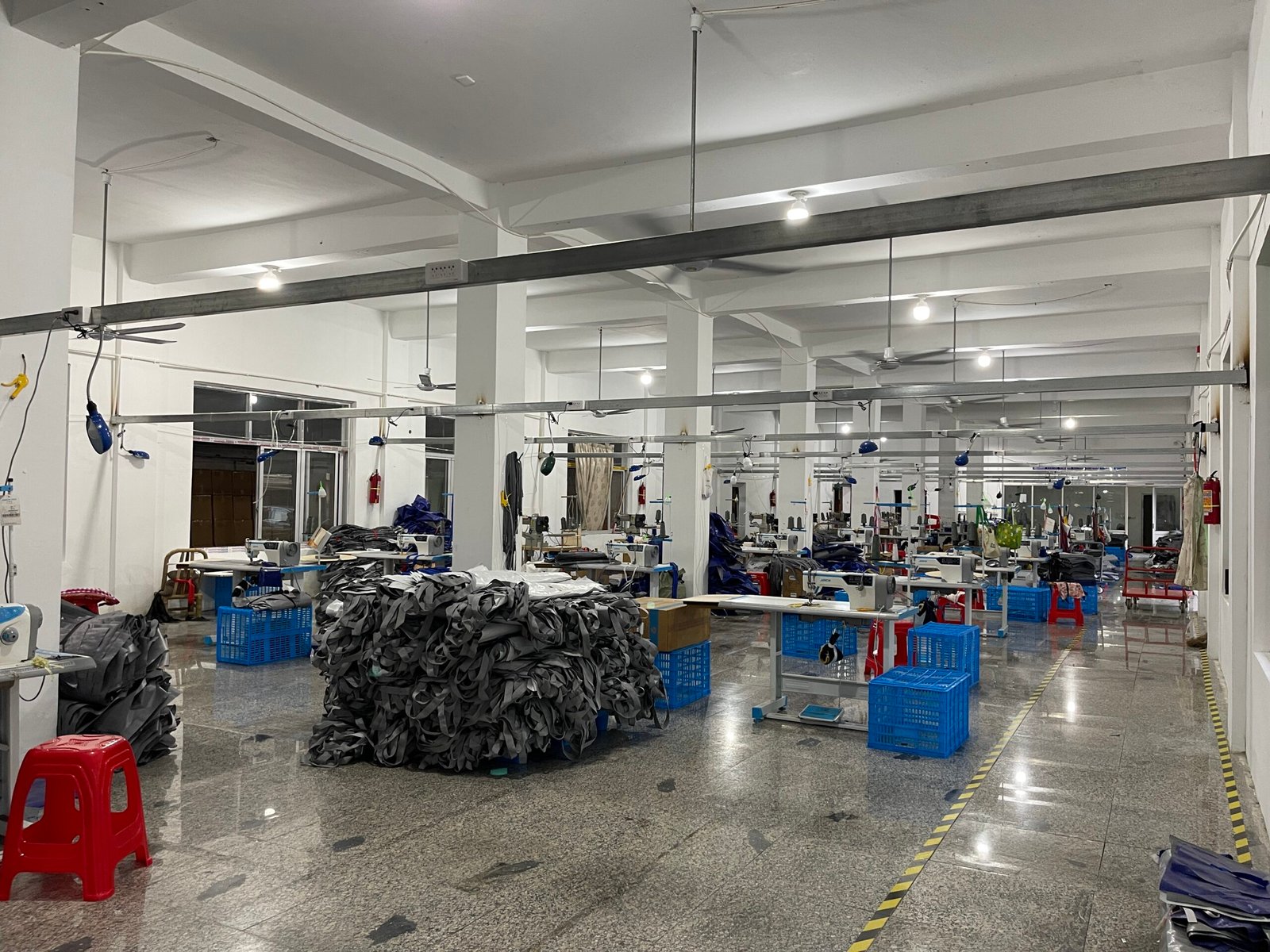
Video: coated bag production
Lamination, PU and PVC each convert a porous compromise into a finished product, differently: film-bonded print quality and stiffness; flex-enduring soft handling; heavy wet-service duty with regulatory weight. Match the coating to contents, branding, market rules and cost position, and lock each construction in its own spec. Coated PP bags chosen that way do their specific job for years — which is the whole point of coating them — and the construction decision behind every coated program in our solutions logistiques et de déménagement range.
For more detail, see our guide to Types de cordons pour sacs à cordon.

0 commentaires