



Shipping bulk bags to Canada runs through a different rulebook than the US: GST on import, the CBSA valuation and the small-consignment rules, and the DDP option that shifts the customs work to the supplier. For bag importers, the Canada route rewards preparation — the duty and tax math is predictable when the HS code and the valuation are right. This guide covers the Canada import structure for bulk bags and the DDP decision.

The Canada Import Structure for Bags
Canadian imports of textile bags run through the CBSA (Canada Border Services Agency) with three cost layers. Duty: the MFN duty on most bag categories (textile shopping bags, moving bags, tote bags) sits in the single digits — commonly 0–9.5% depending on the HS chapter, with bags of woven PP in the low-single-digit range and some textile categories duty-free under trade agreements (USMCA goods from the US are largely duty-free). GST: the 5% federal GST applies on the duty-paid value, and provincial sales taxes (HST/PST) add on top depending on the destination province — the combined rate runs 5% (Alberta) to 15% (HST provinces like Ontario). The valuation basis is the same CIF-style calculation used across customs regimes: the transaction value including freight and insurance. The CBSA publishes the tariff schedule and the valuation rules — the official reference for the numbers.
The DDP Option: What It Shifts
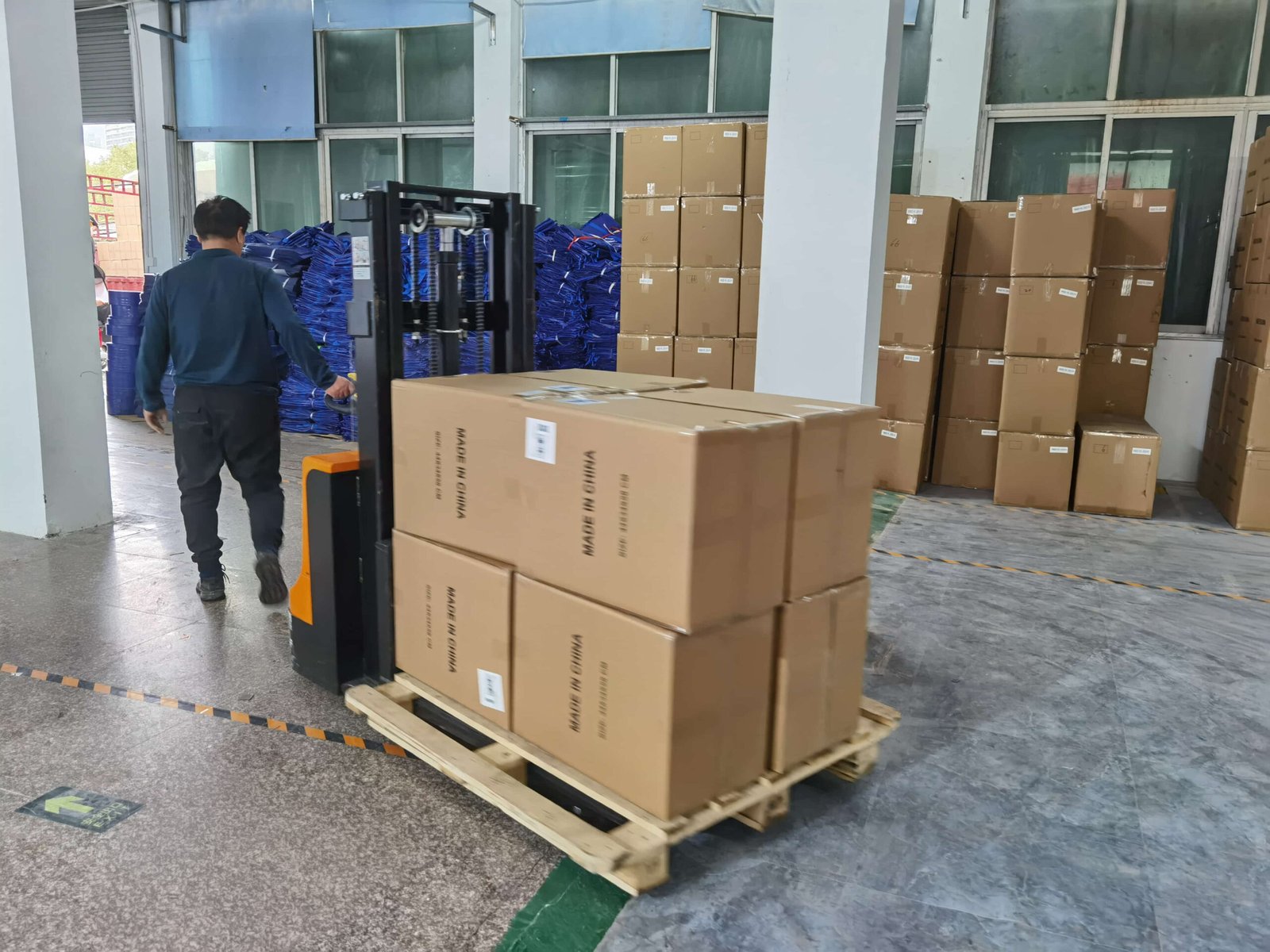
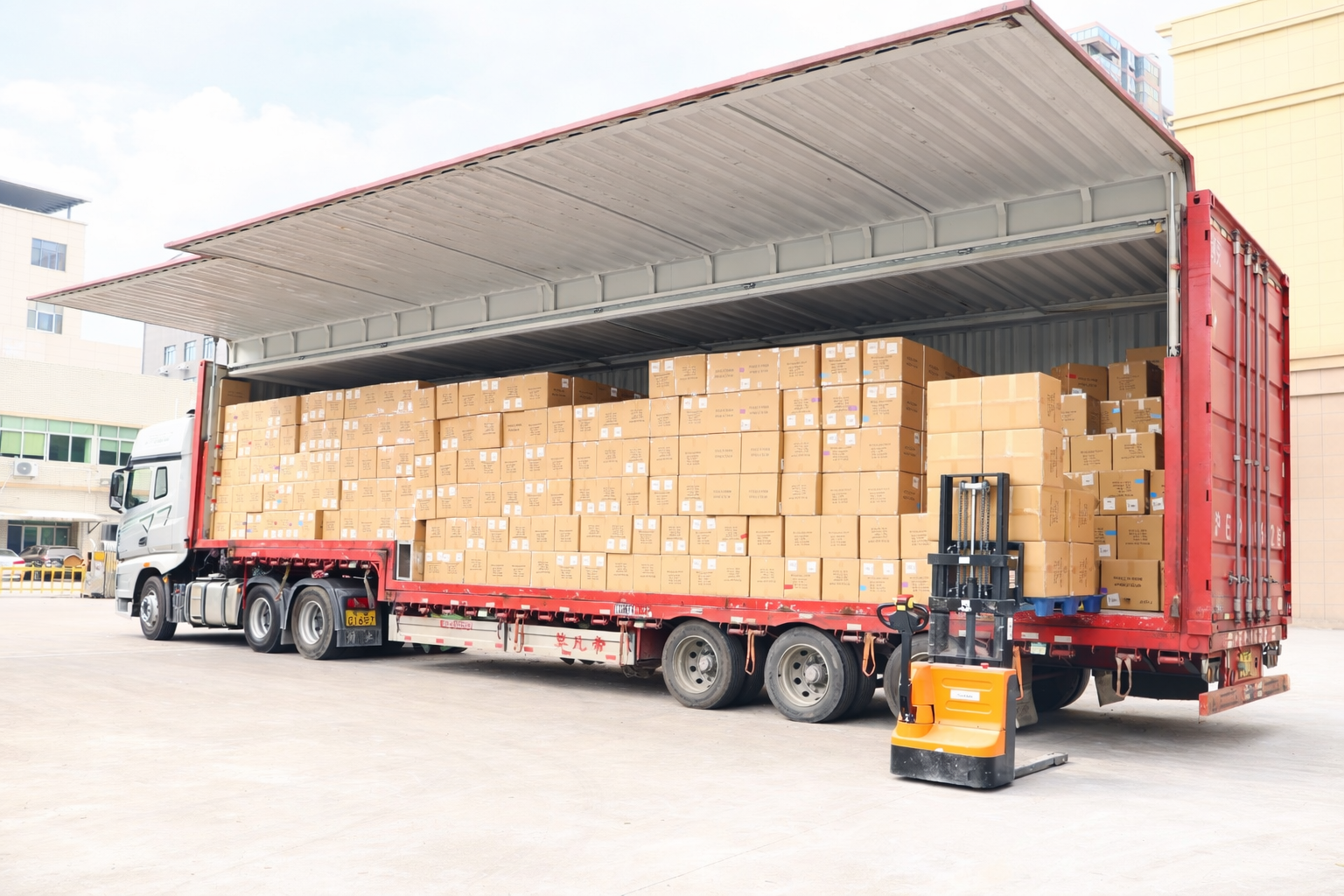
DDP (Delivered Duty Paid) moves the customs work to the supplier: the factory or its agent clears the goods, pays the duty and taxes, and delivers to the buyer’s door. For first-time Canada importers, DDP removes the two steepest barriers — the customs broker relationship and the cash-flow surprise of the tax payment — at a price: the supplier’s DDP quote builds in its brokerage and tax-advance costs, and the buyer must verify the quote covers the right duty rate (a wrong HS classification in a DDP quote surfaces as a customs delay, not a price difference). The comparison that matters: FOB-plus-brokerage versus DDP on the same shipment — the DDP premium typically runs 3–8% over the FOB-equivalent landed cost, which is the price of the convenience and the risk transfer. TIIOCTI ships DDP to Canada as part of its standard export program — the solutions page covers the DDP terms, and the moving bags range shows the product line.
HS Classification and the Paperwork
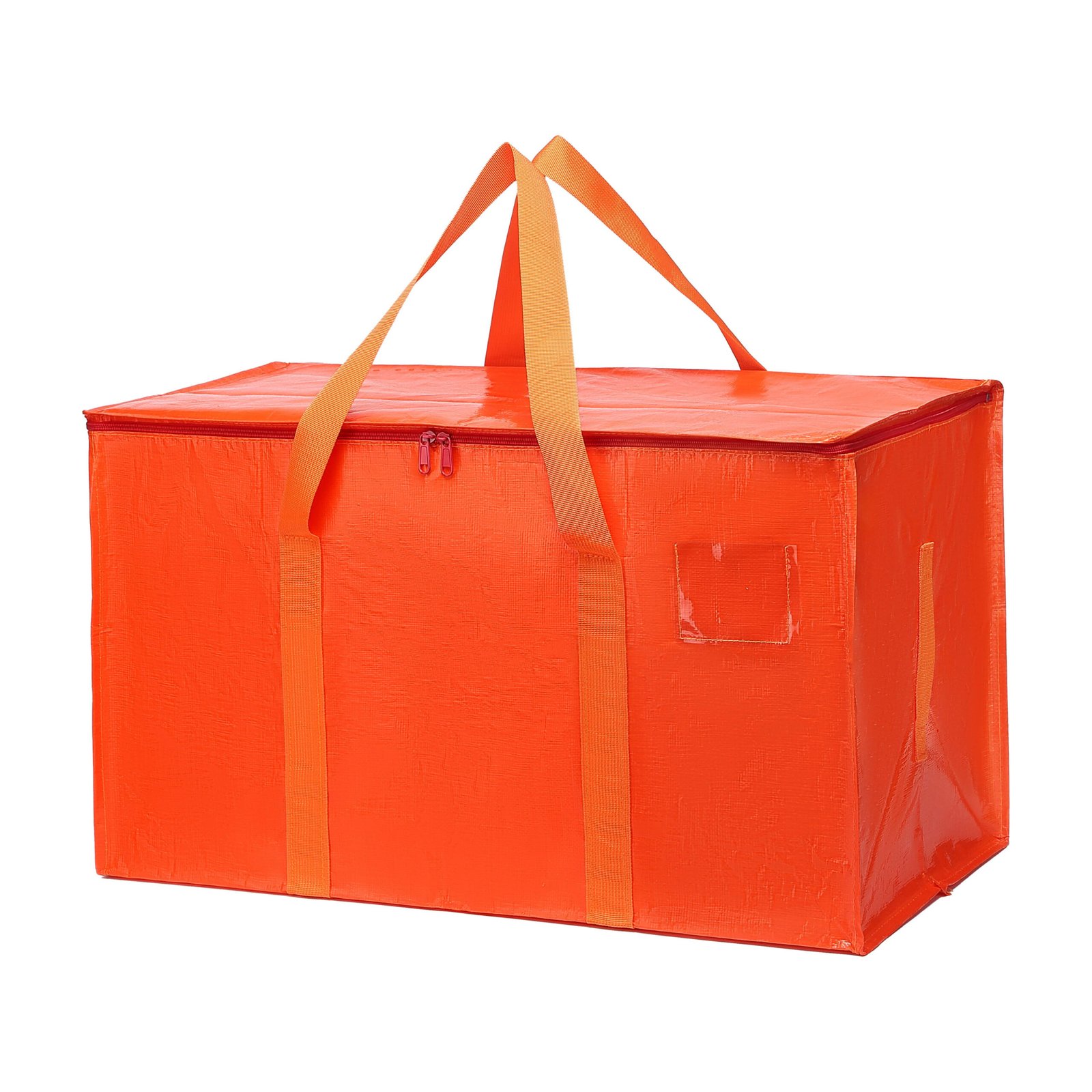
The HS classification decides the duty line, and bag categories classify by material and construction: woven PP bags under the PP chapter, cotton and canvas bags under the textile chapters, and FIBC (bulk bags) under their own code. The classification errors that cost: calling a woven PP bag “plastic” (a different chapter and rate), mis-stating the construction (woven vs non-woven classifies differently), and missing the country-of-origin marking requirement — Canada enforces origin marking, and unmarked goods face penalties and delays. The document set for a Canada import: commercial invoice, packing list, bill of lading, and the origin documentation (for USMCA claims, the certificate; otherwise the supplier’s origin statement). The HS code guide for moving bags covers the classification detail, and the logistics hub lists the document requirements per destination.
The Buyer’s Decision Checklist
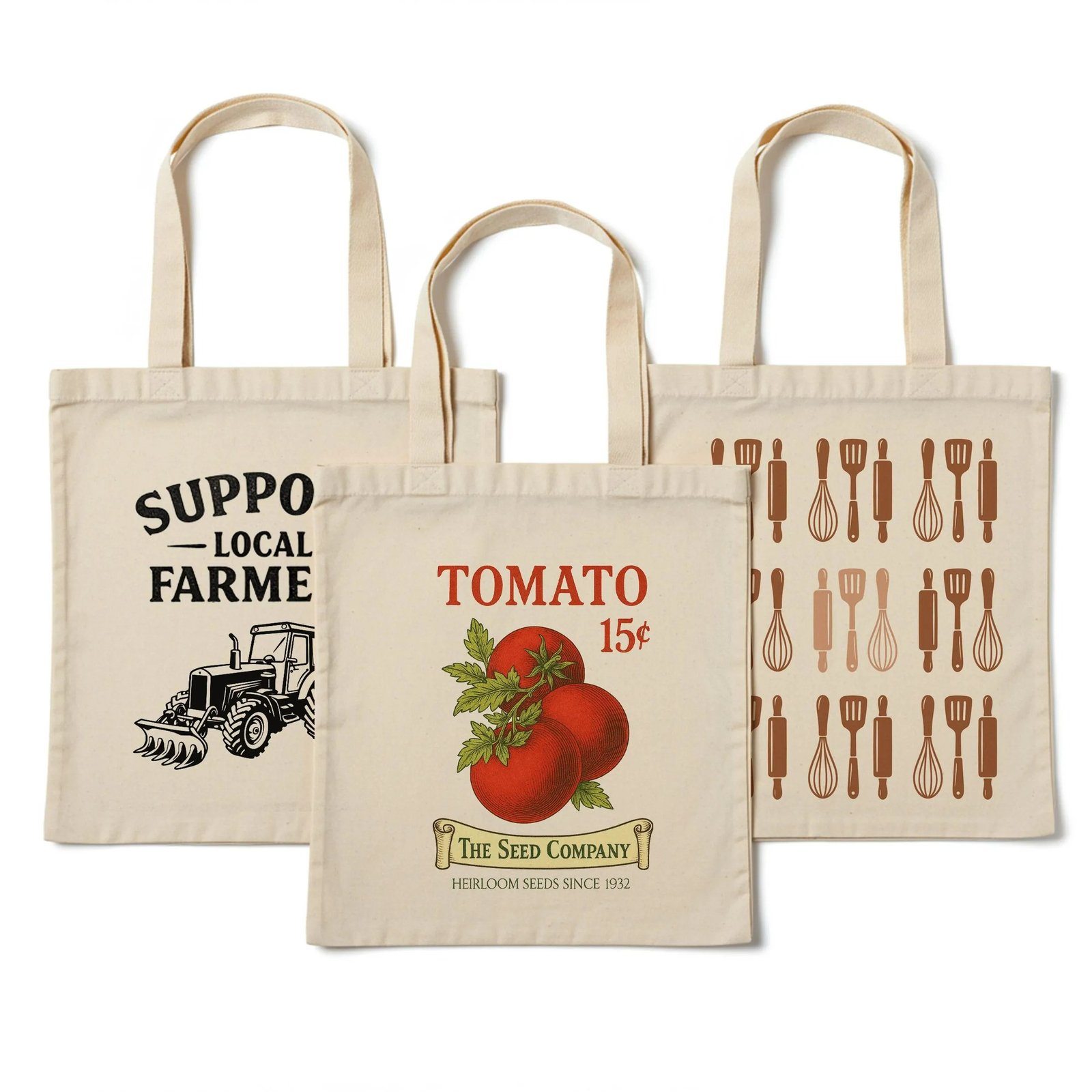
Five items decide the Canada program structure. The HS code: confirm the classification and the duty rate before quoting (a 2% mis-classification is a margin error on every shipment). The tax structure: know the destination province’s GST/HST rate for the landed-cost math. The valuation: use the correct transaction value including freight — an under-declared value is a customs risk, not a saving. The DDP vs FOB choice: compare the quotes on the same shipment, and verify the DDP quote names the duty rate it assumes. The broker: for FOB programs, the Canadian customs broker is the buyer’s partner — the broker relationship is set up before the first shipment, not after. The canvas tote range and the contact page start the Canada program with the shipping terms on the table.
FAQ
What duty applies to bag imports into Canada?
Most bag categories carry single-digit MFN duty (commonly 0-9.5% by HS chapter), with some textile categories duty-free under trade agreements like USMCA.
What taxes apply on top of duty?
The 5% federal GST on the duty-paid value, plus provincial HST/PST where applicable — the combined rate runs 5% to 15% by province.
What is DDP and is it worth it?
Delivered Duty Paid: the supplier clears the goods and pays duty and taxes to the buyer’s door; the premium typically runs 3-8% over FOB-equivalent landed cost.
What documents does a Canada import need?
Commercial invoice, packing list, bill of lading, origin documentation (USMCA certificate where claimed), and country-of-origin marking on the goods.
Classify right, tax right, and choose DDP for the first program: the Canada route then runs on rails. Related reading: the HS code guide and the solutions page.
Routing thresholds between pallet and parcel delivery are covered in our pallet vs parcel bag delivery guide.
Getting the paperwork right on a bag order starts before production; our bag export documents checklist lists the export documents that clear customs without delay.


0 commentaires