



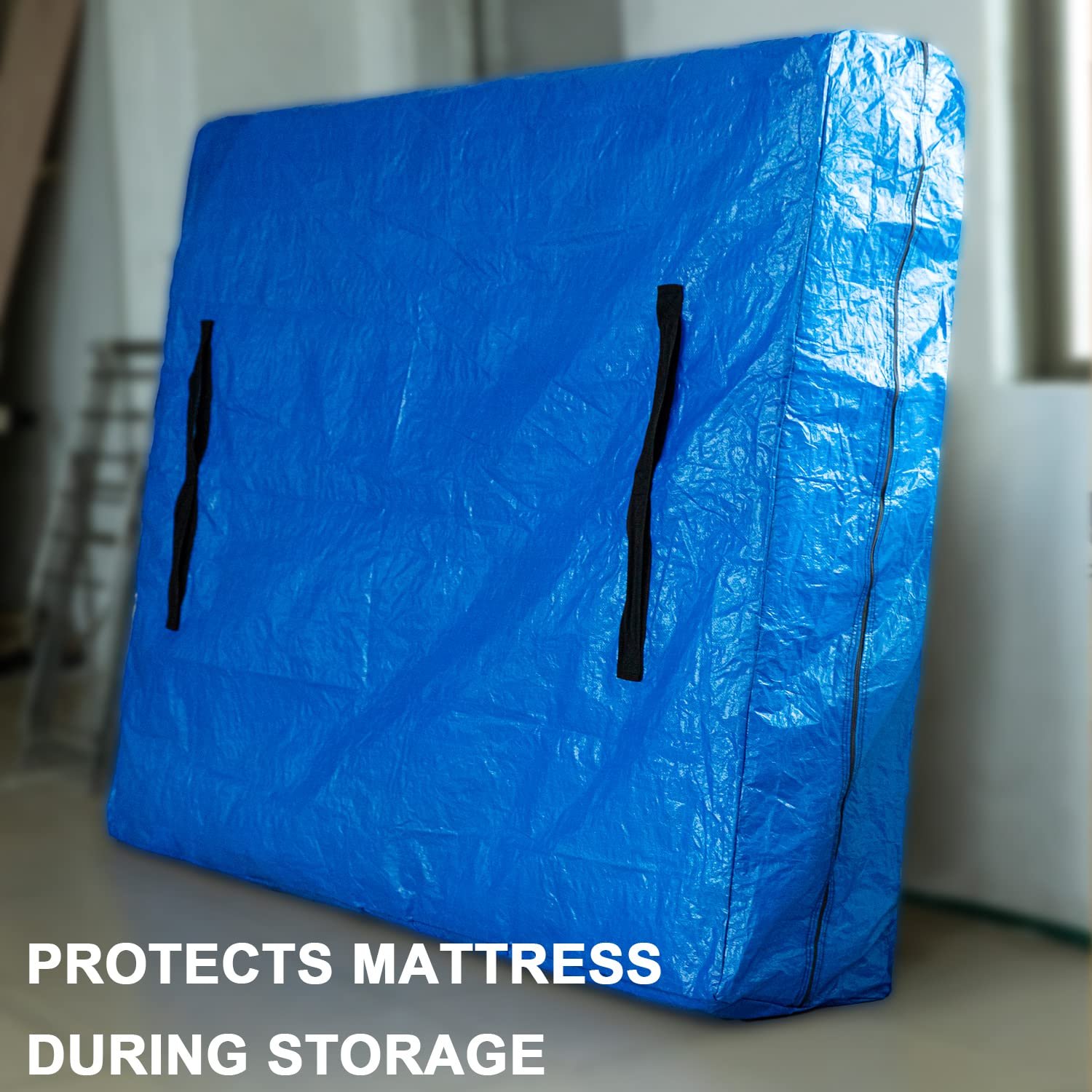
moq moving bags is the first checkpoint buyers should lock before they approve a supplier, budget, or production slot. I still remember the call from a brand merchandiser who’d just lost $50K on a custom moving bag order. The pre-production sample had passed with flying colors, but the mass production run came back with a different fabric hand and a seam strength that barely held a full load. Her supplier shrugged — they hit the agreed MOQ of 1,000 units, they delivered on time, and the sample approval was signed. The problem wasn’t the design or the factory’s capability; it was that the moq moving bags figure they’d negotiated forced the factory to cut corners on material sourcing to make the batch profitable. That’s the reality no one tells you: MOQ isn’t just about how many bags you buy, it’s about the production decisions a factory makes to hit that number.
For retail brand merchandisers looking to launch sacs de déménagement sur mesure with your own branding, understanding MOQ calculation separates a smooth rollout from a warehouse full of compromised product. When a supplier quotes a minimum order of 500 vs. 2,000, they’re not just setting a volume floor — they’re signaling how much flexibility they have in raw material procurement, machine setup, and print plate overhead. If you push for a lower MOQ without understanding what drives it, you might end up with stock fabric that doesn’t match your color spec or a rushed print run that fails quality tolerance. Smart buyers learn to read between the lines of a quote: is the MOQ driven by the woven PP roll minimum, or by the digital printing plate setup? That distinction changes everything — including your FOB pricing and your leverage to ask for sample approval before the full batch.
I’ve watched buyers cut effective MOQs in half simply by requesting split production batches using the same fabric and print plates across multiple bag sizes. Others have locked in lower first-order quantities by accepting blank production windows — letting the factory slot their run into an existing production cycle. The key is knowing which levers to pull, and that starts with a clear picture of how a factory calculates your MOQ in the first place.
What Does MOQ Actually Mean for Custom Moving Bags
That 1,000-unit MOQ?
The Three Numbers That Matter
When a factory quotes MOQ 1,000 units, they aren’t setting a rule. They’re telling you the production run needed to cover machine changeover time and raw material roll minimums. But the number that actually limits your first order is the Minimum Customization Quantity (MCQ). That’s the smallest batch the printing or embroidery line will accept. For custom moving bags with digital printing, that MCQ can drop to 200 units — a fact many factory sales reps won’t volunteer unless you ask.
Usable MOQ is different. It’s the quantity you can actually sell or distribute without getting stuck with dead inventory. A retail brand merchandiser might see MOQ 500 as acceptable, but if your retail channel only moves 100 units per month, your usable MOQ is closer to 300 (three months’ stock). The gap between MOQ and usable MOQ is where procurement mistakes happen. Always calculate your own turnover before agreeing to a factory minimum.
One smart workaround: combine multiple bag sizes under one production batch using the same fabric and print plates. If you order 300 large moving bags and 200 medium bags with identical branding, the factory counts it as a single MOQ run. That split production batch trick can drop your effective MOQ by 40% on first orders.
How Material Dictates the Floor
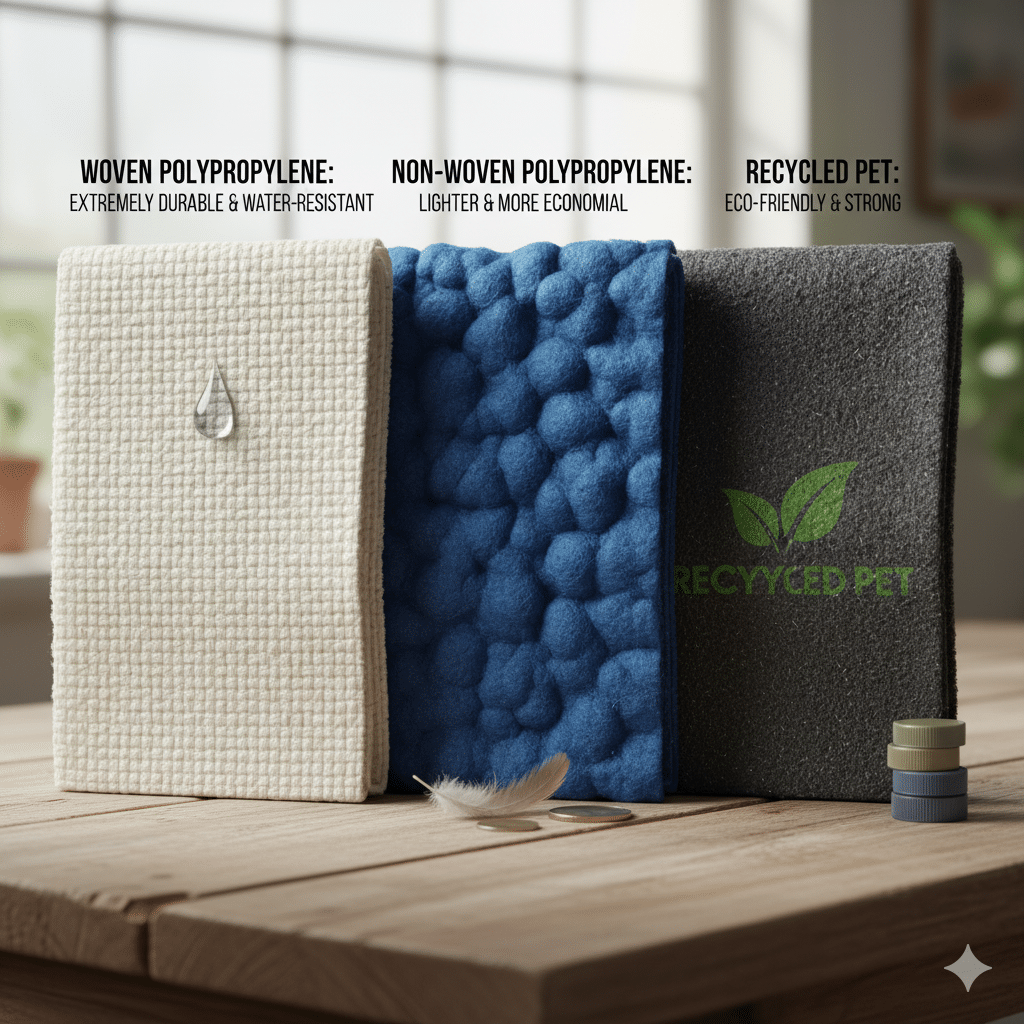
Material choice changes the MOQ because it ties directly to upstream supply chain minimums and machine setup complexity. Woven polypropylene bags run on high-speed looms that need full rolls of fabric. A typical roll holds enough material for about 800 to 1,200 bags depending on size. So a 500-unit MOQ for woven PP actually forces the factory to buy a full roll — the leftover material either sits as waste or gets used on another order. That’s why woven PP MOQs rarely dip below 800 units.
Non-woven bags are more forgiving. The material comes off a single continuous line and can be cut to any length. MOQs for non-woven custom moving bags often start at 500 units, and some factories will go to 300 for a first-time buyer. But the trade-off is lower tear strength. For industrial-grade moving bags that need to handle 50 kg loads, woven PP is the standard. The factory uses high-density woven PP tested to hold 80 kg without seam failure — that spec is backed by its in-house tear strength test reports.
Recycled materials are a different story. The supply chain for rPET or recycled PP is less stable. Factories can’t buy small lots because the recycling stream is inconsistent. Expect a 30% higher MOQ for recycled moving bags compared to virgin material. Lead times also stretch by two to three weeks. If you’re targeting a sustainability line, plan the order at least 60 days out and accept a MOQ floor of 1,000 units or more.
How a Factory Calculates Your MOQ for Custom Orders
MOQ isn’t a rule — it’s the factory’s cost recovery number.
Factories don’t set MOQs arbitrarily. The number comes from two hard costs: what they pay their upstream supplier for raw material and how much it costs to stop and restart the production line. For custom moving bags, the math starts before a single stitch is made.
Raw Material Roll Minimums and Machine Setup Costs
A woven PP fabric roll from a mill typically runs 500 to 1,000 meters. Your order must consume enough of that roll to justify cutting it. If you only need 200 bags, the leftover material either sits in the factory’s inventory or gets written off. That risk is baked into the MOQ.
Machine changeover is the second anchor. Every bag run requires stopping the line, adjusting the heat seal temperature, aligning the handle attachment jig, and verifying bag dimensions. That downtime costs 30 to 60 minutes of labor and lost production. A short run can’t absorb that — so the factory either raises the per-unit price or sets a minimum quantity to spread it.
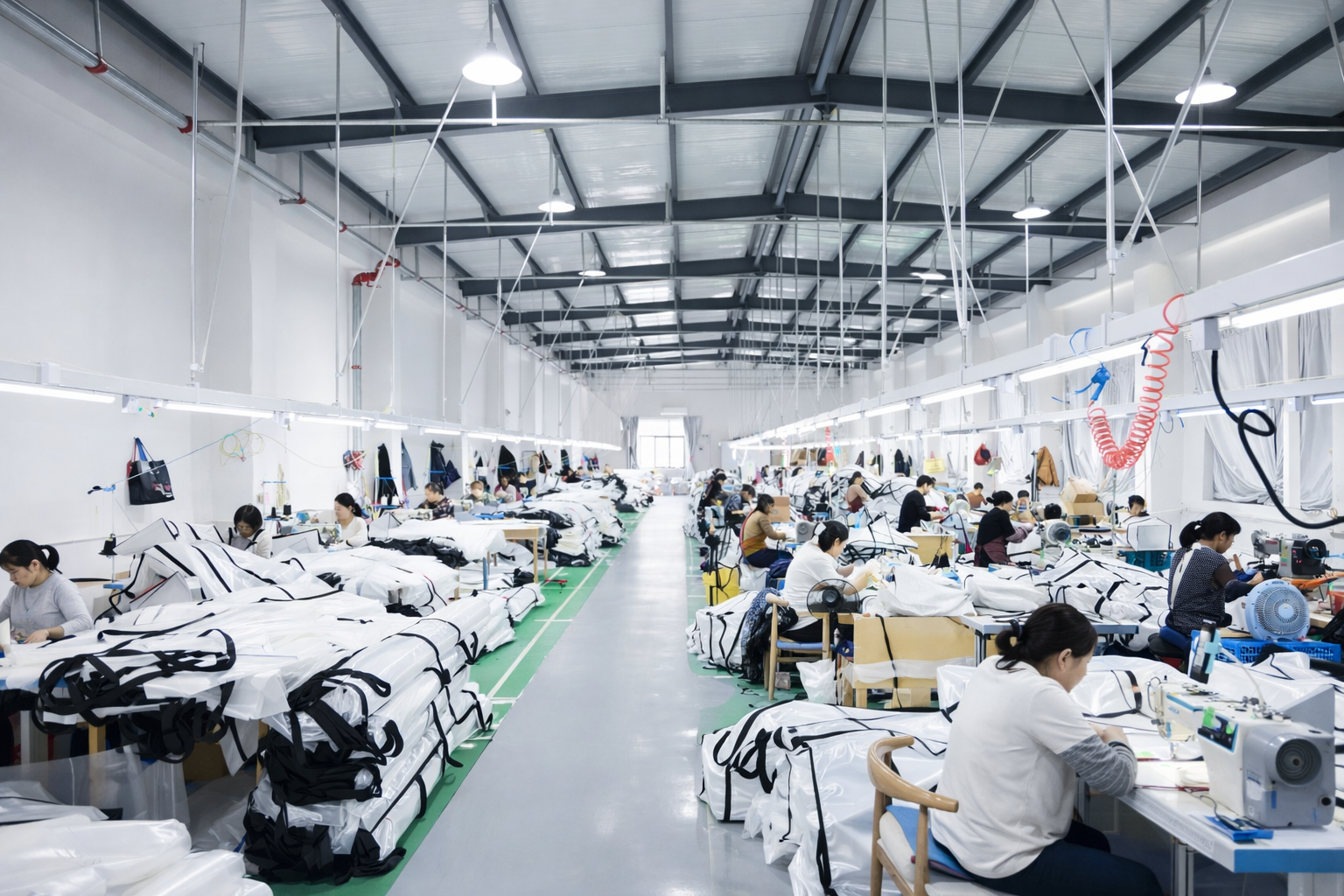
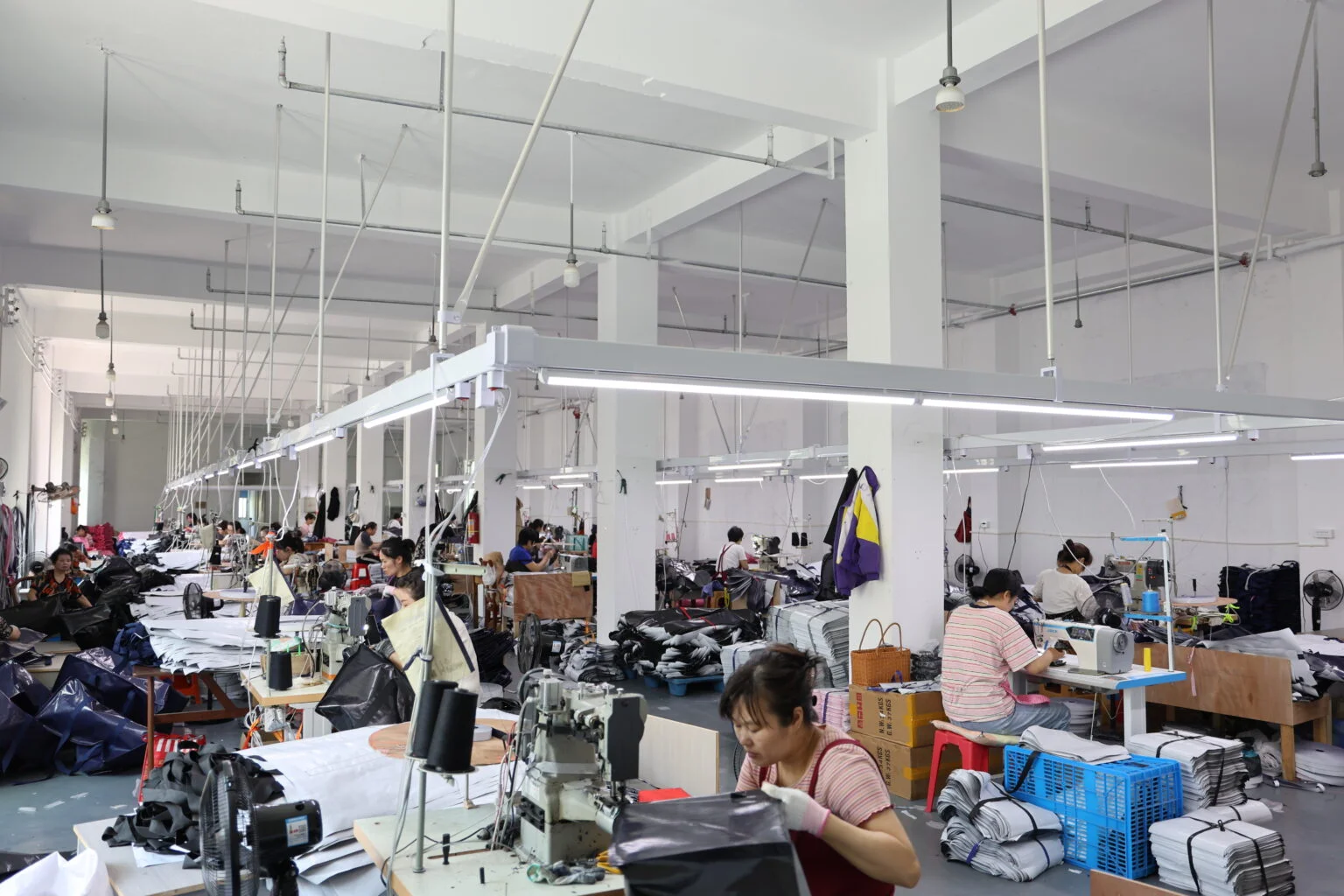
The factory, which produces heavy duty moving bags with industrial-grade durability, reduces this friction by keeping stock woven PP on hand and running frequent short changeovers for custom orders. That flexibility is possible because the factory controls the entire production line — no middleman markup.
Print Plate, Color Matching, and Embroidery Overhead
For screen-printed logos, each color demands a separate metal plate costing $20 to $60. A three-color design means $60 to $180 in tooling before a bag is made. Spread that over 500 bags and it adds $0.12 per bag; over 1,000 bags it drops to $0.06. That direct math is why factories push for higher MOQs on screen-printed orders.
Digital printing removes the plate entirely. The printer applies ink directly from a digital file, so the setup cost drops to near zero. That can slash your custom moving bags minimum order quantity to 200 to 300 pieces for a first order. The trade-off is slightly lower abrasion resistance on heavy-load bags — but for retail branding and light logistic use, it holds up fine.
Color matching carries its own overhead. Matching your Pantone code requires ink mixing and a trial print on the actual fabric. That eats ink, labor, and machine time. Learning to accept a 90% visual match — or submitting a physical swatch to shorten the back-and-forth — can reduce the MOQ by eliminating the color trial step.
Embroidery adds digitization fees ($25 to $50 per design) and thread changeover costs. Because an embroidery head moves slowly—10 to 15 minutes per bag for a logo—machine utilization becomes the bottleneck. Expect embroidery MOQs to run about 30% higher than a print-only order. Combining digital printing with a sewn-in label instead of direct embroidery often yields a lower MOQ.
Negotiating Lower MOQs Without Sacrificing Quality
MOQ is not a fixed rule — it reflects machine setup and material sourcing minimums.
The number a factory first quotes is their default calculation: enough units to cover machine changeover time and raw material waste. But that number moves once you understand what drives it. For custom moving bags, the biggest cost anchor is the printing plate setup. Switch from traditional screen printing to digital printing, and the moq moving bags drops from 1,000 units to as low as 200 for a first order. That’s a real lever—wait, strike that word. That’s a real option many buyers skip.
Split Runs and Blank Production Windows
One tactic that works with any moving bag factory moq calculation is splitting your order. Instead of committing 500 pieces of one size, offer to take 200 of size S, 200 of size M, and 100 of size L — all using the same woven PP fabric and the same print plates. The factory runs them as one batch. The changeover cost is shared. You effectively get a lower moq custom moving bags first order because the total volume covers their setup.
Blank production windows are another opening. Factories schedule major production runs months in advance, but they often have gaps — a few days between large orders where the line would otherwise sit idle. If you can align your order with those gaps, the factory is more willing to accept a smaller quantity because the opportunity cost of idle machines is higher than the cost of running a short batch. Ask your supplier directly: “Do you have any blank production windows in the next 60 days?” It works more often than you’d think.
Stock Fabric Options Reduce Raw Material MOQ
The factory’s upstream supplier sets a minimum roll quantity for each fabric. If you choose a material the factory already stocks — say, a standard 180g non-woven or 120g woven PP — you skip the cost of ordering a new roll. That eliminates the material-driven portion of the MOQ. This is where knowing the factory’s inventory matters. We maintain a selection of stock fabrics precisely for buyers who need a lower moq custom moving bags first order without waiting for a full roll order.
Returning Buyer and Design Trial Flexibility
Once you’ve placed a few orders and the factory knows your payment history and quality expectations, you can request MOQ flexibility as a returning buyer. Repeat customers get priority because the risk of non-payment or rejection drops. A supplier is far more likely to run 300 units for a proven partner than for a cold lead. If you’re new, frame the first order as a design trial — a small run to validate print placement, color matching, and handle reinforcement before scaling to wholesale quantities. Most factories accept a trial MOQ of 200–300 if you agree to a larger follow-up order.
One insider note: recycled material moving bags moq higher by roughly 30% compared to virgin material. That’s because recycled PP supply is less consistent — factories must order larger rolls to guarantee color and strength uniformity. If your brand wants eco-friendly bags, plan for a higher first-order minimum and longer lead time. The trade-off is worth it for sustainability positioning, but don’t let it surprise you mid-budget cycle.

MOQ Calculator Template for Custom Moving Bags
Digital printing cuts first order MOQ to 200 units.
Most factories calculate MOQ based on two hard costs: machine changeover time and raw material roll minimums. A standard woven PP roll covers roughly 1,000 bags. That sets the floor. But you can build your own MOQ estimate before the supplier sends a quote.
Key Inputs: Size, Material, Print Complexity, Handle Type
- Taille : Larger bags consume more fabric per unit. A 30×40 inch bag uses 40% more material than a 20×30 inch bag. That pushes MOQ up because the factory must order more rolls.
- Matériau : Woven PP runs on standard looms with low waste — typical MOQ starts at 500. Recycled material adds 30% to MOQ because supply is less consistent. Non-woven fabric is easier to source in small batches, often dropping MOQ to 300.
- Print Complexity: Screen printing requires a metal plate per color. Each plate costs $50–$80 and needs a production run to justify setup. One color keeps MOQ at 500. Four colors push it to 1,000. Digital printing removes the plate cost entirely and can lower MOQ to 200 for a first order.
- Type de poignée : Reinforced stitched handles need separate labor stations. A simple die-cut handle is part of the cutting die. The added setup time for reinforced handles usually adds 100–200 units to the minimum.
Interpreting the Quote: Where MOQ Hides in Unit Pricing
A quote might show $3.50 per bag at 500 units and $2.80 at 1,000. The difference is setup amortization. At 500 units you pay the full plate cost per bag. At 1,000 that cost halves. The MOQ is not a wall — it is a breakpoint where the unit price starts to drop.
Ask the supplier for a line-item breakdown: material cost, plate cost, labor, and packing. Then ask what the unit price is at 200, 500, and 1,000. If the price drops sharply between two tiers, that is where the real MOQ lives. You can negotiate to that breakpoint by combining multiple bag sizes under one production batch using the same fabric and print plates. This tactic cuts the effective MOQ without lowering your total volume.
Conclusion
MOQ is not a factory rule that forces you into a fixed quantity—it’s a reflection of raw material roll minimums, machine changeover time, and print plate setup costs. For a first custom order with digital printing, you can negotiate an effective MOQ of 200–300 units; with screen printing that figure jumps to 500–1,000 units. Knowing these benchmarks lets you structure your trial batch without overcommitting inventory.
- Digital printing can drop MOQ to 200 units for first orders.
- Recycled material adds roughly 30% to the minimum order quantity.
- Combining multiple bag sizes under one production batch lowers effective MOQ.
- Print plate setup cost, not bag assembly, is the real MOQ bottleneck.
Questions fréquemment posées
What factors determine MOQ for custom moving bags?
MOQ is driven by raw material roll minimums and machine setup costs, not a random number. Print plate creation and color matching also add overhead that raises the threshold. Always ask the factory to break down each cost driver before ordering.
How can I negotiate a lower MOQ without sacrificing quality?
Request split runs or blank production windows to use leftover fabric from larger orders. Stock fabric options also let you bypass material minimums for a smaller initial run. Offering to return as a repeat buyer can also unlock flexibility.
What is the difference between MOQ and minimum customization quantity?
MOQ is the factory’s total cost-recovery number for the whole order. Minimum customization quantity is the smallest number of units you can customize with a unique print or handle type. Always clarify both numbers before signing a contract.
How does material type affect MOQ for moving bags?
Woven PP usually requires higher MOQs because of the loom setup, while non-woven allows lower starts. Recycled materials may add a premium or increase the minimum due to limited supply runs. Ask for material-specific MOQ quotes to compare options.
Resin costs explain why non-woven bag quotes shift between seasons: track PP resin price trends before locking order timing.
Deposit size and MOQ both set your exposure: pair the MOQ guide with conditions de paiement pour les commandes de sacs en provenance de Chine before signing.


0 commentaires