




bulk custom tote bags is the first checkpoint buyers should lock before they approve a supplier, budget, or production slot. Running acustom tote bag quality checkbefore ordering bulk units is the difference between a swag bag that elevates your brand and one that ends up in the trash before the keynote speaker finishes. This scenario has occurred more times than can be counted — a corporate gifting manager approves a pre-production sample approval tote, signs off on the PO, and then opens a container of bags that look like they were printed in someone’s garage. The color is off by two Pantone shades, the handles are pulling away from the body after one use, and every single bag is wrinkled from being stuffed into a box without tissue paper. That $50K order? It’s now an expensive lesson in what happens when you skip the verification steps.
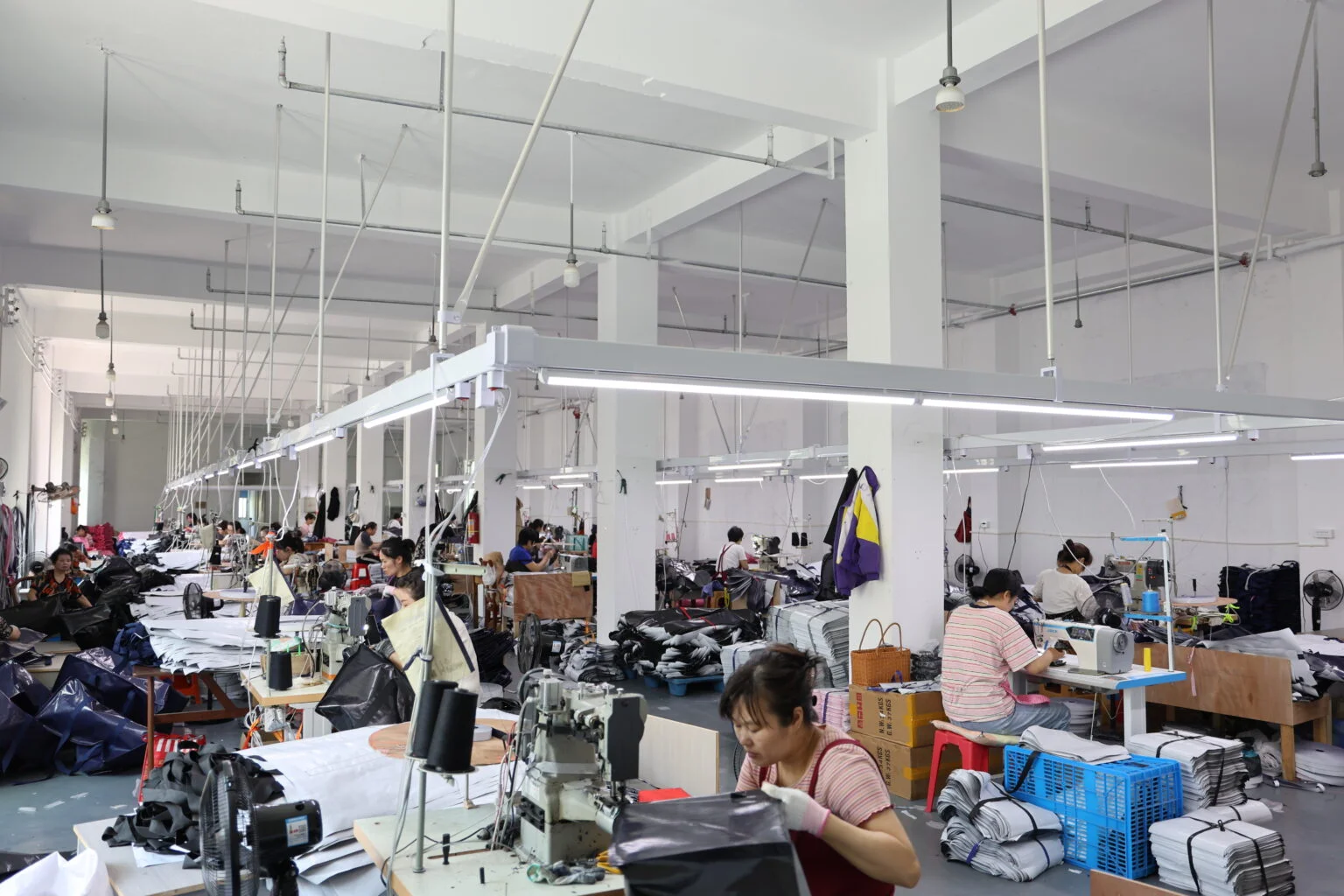
Here’s the thing about sourcing from overseas factories: the spec sheet you sign off on and what actually arrives in your warehouse can be two completely different products. The gap usually comes down to five specific areas where corners get cut — fabric weight substitutions, print adhesion shortcuts, handle stitching that looks solid but fails under load, dimensional drift on size, and packaging that destroys your unboxing experience. For event organizers working with tight budgets and fixed timelines, there’s no room for reorders or returns. You need to lock these checks into your purchase agreement before production starts.

Fabric Weight: GSM and Material Certifications
GSM is the single most reliable predictor of bag durability before you place a bulk order.
I’ve sat through enough pre-production meetings where a supplier hands me a swatch that feels fine in the hand, but the GSM tag tells a different story. GSM stands for grams per square meter, and it’s the industry shorthand for fabric density. For a custom tote bag that will carry event swag or corporate gifts, you want at least 140 GSM for standard non-woven polypropylene. If you’re ordering heavy-duty moving bags or reusable totes meant to hold weight repeatedly, push for 180 GSM or higher. Anything below 120 GSM will feel flimsy, sag under load, and show print distortion after one use.
- GSM Check: Request a certified GSM report from the supplier’s mill, not just a hand sample. The variance between sample and bulk can be ±15 GSM if they switch fabric sources without telling you.
- Material Certifications: For corporate gifting especially, insist on OEKO-TEX Standard 100 certification. That guarantees no harmful chemicals in the dye or finish — critical if your client’s brand guidelines require sustainable sourcing. GOTS certification applies only to organic cotton totes, not polypropylene.
- Supplier Red Flag: If your supplier cannot produce an OEKO-TEX certificate within 48 hours, they are likely buying grey-market fabric rolls. Walk away.
During an event swag bag quality inspection earlier this year, I flagged a batch of totes that passed the visual check but failed a simple scale test: they averaged 112 GSM instead of the specified 150. The supplier blamed ‘shipping compression.’ That’s not real — GSM is measured before cutting. Lock your minimum acceptable GSM into the purchase order terms, and verify it during pre-production sample approval tote stage.
| Fonctionnalité | Spécifications | Avantage |
|---|---|---|
| Grammage du tissu (g/m²) | 200–300 GSM for standard totes; 300+ GSM for heavy-duty | Ensures bag structure holds shape under event load |
| Material Certification | OEKO-TEX Standard 100, REACH compliance | Guarantees non-toxic materials for corporate gifting safety |
| Burst Strength Test | ASTM D5034 certified (min. 250 N) | Prevents bottom blowouts during swag bag distribution |
| Fabric Composition | 100% virgin PP non-woven or laminated woven PP | Superior print adhesion and color matching consistency |
| Pre-Production Sample | 3-day photo sample with GSM verification report | Eliminates color-matching drift before bulk production |
Print Quality: Adhesion, Color Accuracy, and Longevity
A 3-day pre-production photo sample is the single best predictor of print accuracy.
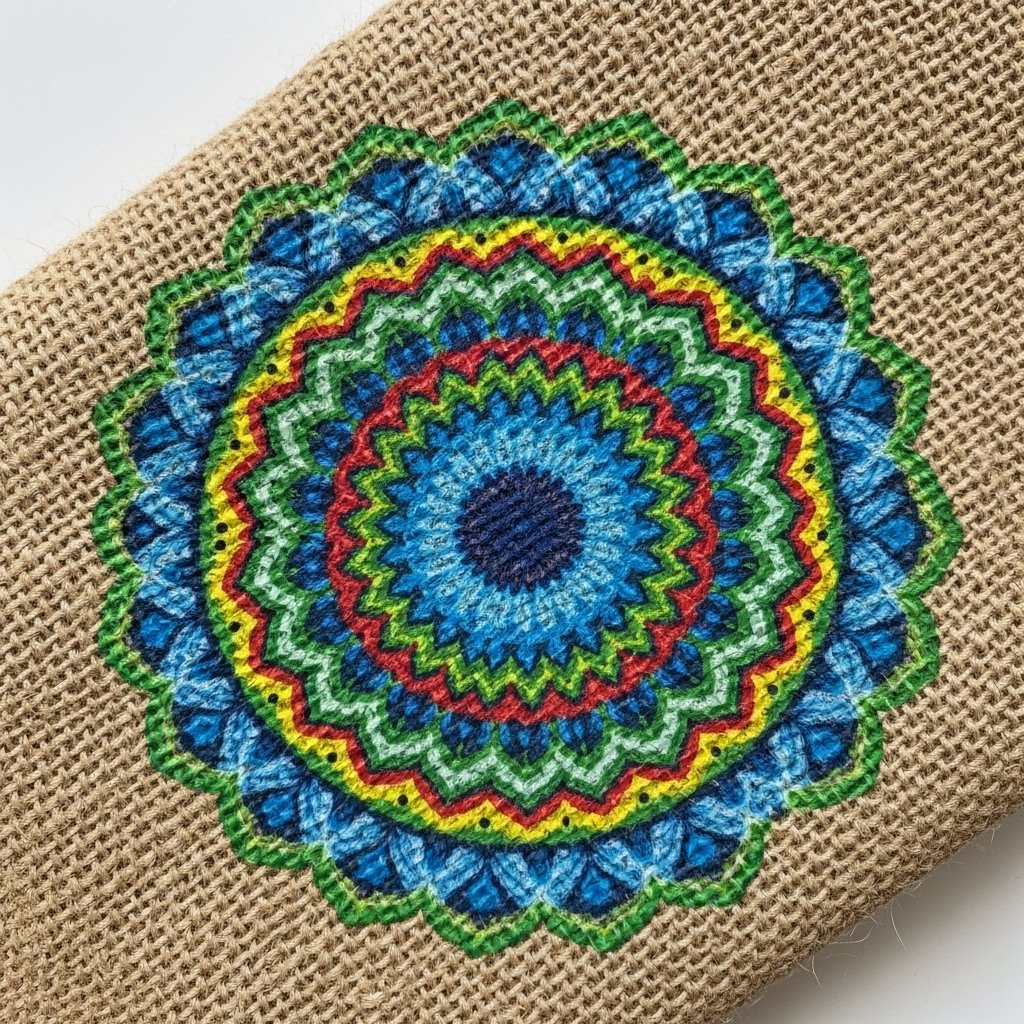
Adhesion failure is the most common print defect observed in event swag bags. The issue isn’t the ink itself—it’s the bond between the ink and the fabric. For polypropylene tote bags, screen printing with plastisol or water-based ink is standard. But if the supplier skips surface pretreatment (corona treatment or primer), the ink sits on top of the fibers instead of locking in. Result: after one or two uses, the print cracks or peels. For a corporate gift bag defect allowance, insist on a tape adhesion test (ASTM D3359) on the pre-production sample. If the ink lifts, reject the run.
- Color matching custom tote bags: Pantone matching is table stakes. The real test is lighting consistency. Ask for a photo of the sample under daylight (5000K) and store lighting (3000K). A supplier who can’t provide a 3-day pre-production sample is likely outsourcing the print—that almost always causes color drift on the final batch.
- Wholesale tote bag print durability: Longevity is measured in wash cycles. For event totes that may be reused, ask for a wash test report showing less than 10% fading after 10 home laundry cycles. If the supplier can’t provide one, request a test on 5 sample bags before approving the full bulk order.
Handle and Stitching: Tear‑Out Resistance and Reinforcement
Bar-tacking at stress points is non-negotiable—most budget suppliers skip it.
The handle-to-bag junction is the single most common failure point on custom tote bags. Boxes of otherwise perfect event swag have been returned because a handle tore off during load-in, spilling contents across a conference hall floor. That embarrassment is entirely preventable with two specific checks: tear-out resistance testing and verified stitching reinforcement.
- Tear-out resistance: Demand an ASTM D5034 burst-strength test report specific to your printed PP fabric. This standard measures the force required to rupture the material at its weakest point—usually the handle attachment. A passing result for a bag rated to hold 15 kg should show minimum 250 N burst strength. If the supplier cannot produce this report, they are guessing, and you are gambling.
- Stitching reinforcement: Insist on bar-tacking (a tight zigzag stitch cluster) at both ends of each handle seam. Standard lockstitch alone will unravel under repeated heavy loads. Bar-tacking distributes stress across multiple threads and prevents the classic ‘zipper effect’ where one broken stitch cascades into a full seam failure.
- Thread count and type: Specify bonded nylon thread (size T-70 or T-90) for all stress seams. Bonded thread resists abrasion and maintains tension better than standard polyester. Ask for stitches-per-inch count: minimum 8 SPI on handles, 6 SPI on side seams.
One practical test you can run during pre-production sample approval: fill the bag with 20 kg of evenly distributed weight (sandbags or water jugs work), lift by one handle, hold for 30 seconds, then inspect for thread slippage or fabric distortion around the attachment point. If any stitch pulls loose, reject that construction method before it reaches your bulk run.
Size and Finish: Dimensional Accuracy and Crease‑Free Packaging
Specify ±0.5 inch tolerance on every dimension in your PO.
For event swag bags, dimensional consistency is non-negotiable. A variation of even half an inch can shift your logo off-center or make the bag look flimsy next to a sponsor’s perfectly sized tote. That’s why you must lock in dimensional accuracy specs during validation des échantillons de pré-production. Most factories work with a ±0.5 inch tolerance on width and height. If a supplier cannot hold that, your entire batch risks looking like a mismatched giveaway.
- Size Tolerances: Request a cut sheet with exact dimensions before production. Measure the pre-production sample yourself. Reject any deviation beyond ±0.5 inch. For corporate gift bag defect allowance, include a clause in your PO that any bag outside tolerance is a reject.
- Crease-Free Packaging: Specify flat-packed delivery with tissue-paper inserts between each bag. Wrinkled bags scream ‘cheap’ and destroy the premium feel you need for a corporate event. Photograph carton contents before shipping using a smartphone to document the condition. This is your only proof if the shipment arrives crushed.
Too many event organizers skip this step and end up with bags that look like they were crammed into a drawer for a year. A flat pack bag delivery event standard should include a carton packing diagram showing how bags are stacked. If your supplier pushes back on crease free packaging custom tote requirements, find another supplier. The extra cost is negligible compared to the brand damage of handing out wrinkled totes.
| Fonctionnalité | Spécifications | Avantage |
|---|---|---|
| Dimensional Tolerance | ±0.5 cm on all sides per ASTM D3776 | Ensures uniform branding placement and stackable storage |
| Crease-Free Packaging | Flat-packed with tissue-paper inserts per carton | Eliminates wrinkled bags that damage event credibility |
| Pre-Shipment Photo Sample | 3-day turnaround for pre-production photo approval | Verifies color matching and finish before bulk production |


0 commentaires