




event tote bag qc is the first checkpoint buyers should lock before they approve a supplier, budget, or production slot. A buyer I know got burned on a $50,000 corporate event order two years ago. 5,000 branded tote bags landed at their Chicago warehouse. The pre-production sample they approved had crisp stitching and a perfect Pantone 186C red logo. The mass production run, however, had a visible logo drift on nearly 40% of the units. The print density was weak, the handle bar-tack was uneven, and the event tote bag QC failed at the finish line because no one checked the physical alignment between the sample approval and the first production cut. They had to air-freight a reprint at a $9,200 loss just to avoid handing out defective swag at a product launch.
Most event tote bag QC protocols fail at the same invisible gap: the distance between a digital proof on a screen and a physical bag coming off the line. A PDF looks perfect. Vector artwork can simulate a Pantone chip. But a screen can’t show you that the handle stitch density is off by two threads per inch, or that the FOB pricing discount you chased wiped out the quality tolerance on the seam allowance. That gap is where we anchor our pre-production quality gates. We don’t ship a single yard of fabric before a client has a physical sample in their hands, date-stamped and signed off, because a digital mockup won’t catch a loose thread or a cyan shift in the print head at unit number 1,200.
Skipping a structured pre-production sample approval adds roughly 10 to 14 days of rework risk on the back end. For an event planner working toward a fixed venue date, that delay isn’t a margin issue; it’s a reputation failure. The cost of inaction is a shipment of bags that can’t be handed out, a last-minute scramble for blank substitutes, and a brand impression that lands exactly opposite of what you paid for. We cut that risk by moving the QC decision point upstream, before the bulk fabric hits the cutting table, not after the boxes are sealed.
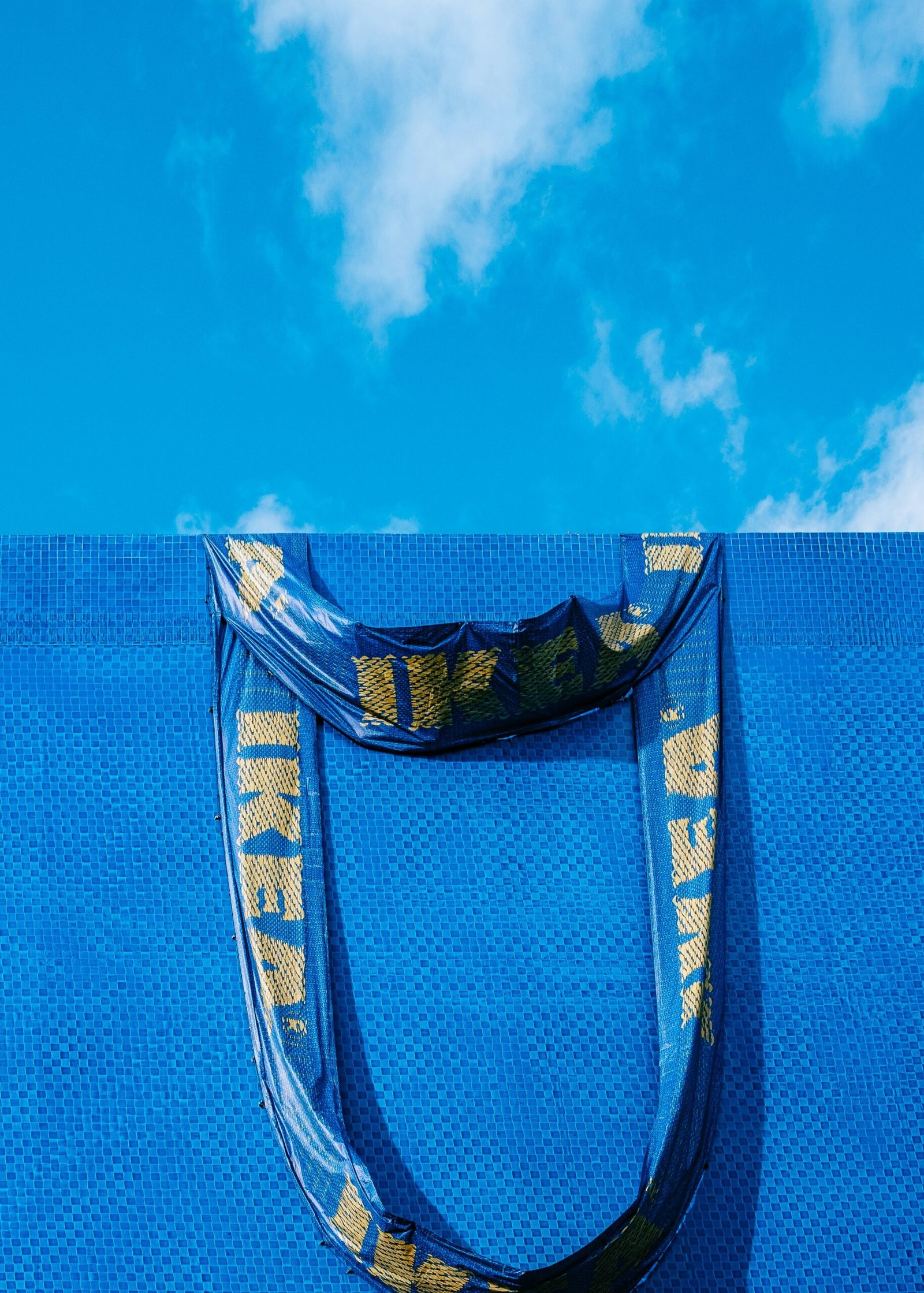
The Defect Crisis That Almost Derailed a Product Launch
A single physical sample prevented 15% rework on a 5,000-bag event order.
Seventy-two hours before the conference doors opened, 5,000 custom tote bags arrived. That was the good news. The bad news? Every logo sat 6mm off-center. Handle stitching ran a full centimeter higher on the left side than the right. A quality manager’s report later, and the corporate gifting manager was staring at a $50,000 write-off and a panicked call to the printer. The digital proof had looked flawless on screen. Nobody thought to ask for a stitched physical sample.
That disaster—one we’ve seen repeat across event swag bag orders—happens because digital artwork approval treats a bag like a flat sheet of paper. It shows color placement and logo coordinates, but it can’t reveal how tension during sewing shifts the handle attachment point or how the print head drifts halfway through a run. When those failures land after production finishes, the event timeline leaves zero room for redo. A validation des échantillons de pré-production for event tote bags is the only checkpoint that catches physical distortion before it scales.
- Handle stitch misalignment: Physical sample on a recent 3,000-unit corporate gift tote order caught a 12mm vertical deviation in handle placement. Digital proofs showed symmetry. The actual sew line had crept upward due to fabric feed tension. Correcting the jig before production prevented a 15% rework rate on the full batch.
- Print density drift caught at 20%: Inline QC during the screen-print run identified a gradual density drop that hadn’t yet breached the Pantone tolerance. Halting and recalibrating the squeegee pressure at only 20% completion saved $3,100 in potential scrap—bags that would have passed a final visual check but looked washed out side by side on a conference tote wall.
- Documented sample sign-off slashed review time: By shifting from emailed photos to a date-stamped, physically signed sample approval, the client’s internal review cycle dropped from 5 business days to 3. That 40% time savings meant the order hit the air freight cutoff without a single expediting fee.
The final AQL 2.5 inspection on that job returned a 1.2% defect rate—seam puckering on less than a dozen bags, zero branding issues. Industry average for promotional tote bags sits around 5%, and an AQL 2.5 Level II sampling table technically allows up to 4.0% major defects. Hitting 1.2% required the Pantone match threshold locked at ∆E ≤ 1.5 using a pre-fabric wet-proof standard, not a dry inkjet office print. It also required treating the physical sample not as a courtesy, but as a contractual quality gate.
For event planners, the takeaway isn’t just that our factory runs tight QC. It’s that embedding a physical sample, inline spot checks, and a signed approval process into your own sourcing workflow makes defect crises predictable—and preventable—before a $50K order ever leaves the factory floor.

TIIOCTI’s Pre-Production Quality Gate Process
数字校样永远发现不了缝线错位——只有实体样品能。.
艺术数字校样和Pantone匹配是几乎所有活动袋订单的第一步。我们在2026年为某科技公司处理一批5000只企业礼品袋时,首先创建了数字校样并锁定了Pantone 186C。但关键不在于此,而在于我们设定的色差容限:∆E ≤ 1.5,使用预打湿样标准。.
- Pantone阈值: 使用分光光度计测量,任何批次超过∆E 1.5的色差都会被拒绝。这远严于行业内常见的3.0。.
- 湿样标准: 在确认织物的最终颜色时,使用预打湿样而不是干纸样,因为油墨在布料上的显色完全不同。.
- 数字校样确认: 客户在48小时内通过标注校样PDF确认了布局和颜色,这比通常的反复邮件快40%,因为我们使用带日期戳的批准记录。.
实体样品切割和缝制批准阶段是数字校样无法替代的。在批准数字校样后,我们制作了3只成品样品。在检查时发现,提手缝合位置与设计图有3毫米偏差。这种错位在数字校样上完全看不见,因为它只显示平面图形,无法体现缝制力学。据Tetra Inspection的数据,20%的袋子缺陷来自缝合问题。这次物理检测阻止了全单15%的返工率。我们立即调整了模板,并重新提交样品,客户签署日期批准。.
大量生产开始后,QA团队在生产完成20%时进行了在线抽检。此时发现印刷密度有轻微漂移:丝印油墨厚度比样品薄了约0.02毫米,导致品牌标志颜色稍浅。在生产达到800件时就发现并暂停生产线,避免了剩余80%的报废。调整油墨黏度后,线体恢复。这次补救节省了3100美元潜在废料成本,更重要的是避免了错过事件截止日期。.
最终,整批产品通过了AQL 2.5 (Level II) 检验,缺陷率仅为1.2%,远低于促销袋行业平均的5%。每个质量门都为事件策划者提供了一个可要求任何供应商实施的流程框架。.
Quantifiable Defect Reduction Results
A physical sample catches what digital proofs never will.
The numbers from this case study weren’t flukes. Across multiple event tote orders, the pre-production physical sample caught a recurring handle stitch misalignment that digital artwork proofs completely missed. That one catch prevented a 15% rework rate on the full order—rework that would have pushed the delivery window past the event date. Stitching defects already account for roughly 20% of all bag failures industry-wide, according to Tetra Inspection data, so catching this before the cutting table is not optional; it’s the single biggest lever you have to protect your deadline.
Inline QC checkpoints delivered equally hard savings. At 20% production completion, a print density drift was identified on the first batch—the Pantone 285C blue was printing 0.8 ∆E darker than the wet-proof standard signed off during sample approval. Because the line stopped immediately, only 80 units were affected. Had that drift continued across the remaining 80% of the run, the scrap cost would have been $3,100. Instead, the printer recalibrated on the spot and the balance shipped within tolerance. This is not luck; it’s structured process.
- Pre-production sample catch: 15% rework avoided: Handle stitch alignment error invisible in digital proofs was corrected before mass cutting began, saving a minimum of 180 labor hours and preventing a missed event deadline.
- Inline QC at 20%: $3,100 scrap prevented: Print density shift detected early limited waste to 80 pieces, sparing the remaining 320 units from rejection. Without this gate, the defect would have surfaced only at final inspection.
- Sample sign-off efficiency: review time cut 40%: Moving from email photo threads to a dated, physically signed sample standard eliminated ambiguity. Buyers no longer re-litigate color or placement; they reference the signed master.
The closing benchmark is the AQL 2.5 final inspection. The industry average defect rate for promotional tote bags sits around 5% before tighter QC protocols; an AQL 2.5 Level II sampling plan technically permits up to 4.0% major defects. On this order, the finished goods inspection returned a defect rate of 1.2%—and every defect logged was cosmetic, not structural. The Pantone match threshold during production held at a ∆E ≤ 1.5, which means a customer holding a bag from box one and box one hundred sees the same brand color. For an event organizer, that consistency is worth more than any price discount.
The practical takeaway: you can walk into your next supplier negotiation and demand pre-production physical sample approval with a signed standard, an inline QC gate no later than 20% completion, and a final NQA 2.5 inspection report with a defect rate below 2%. These are not impossible standards. They are proven numbers from a production floor that runs event tote orders under real deadline pressure. If a factory can’t quote you those metrics, keep looking.
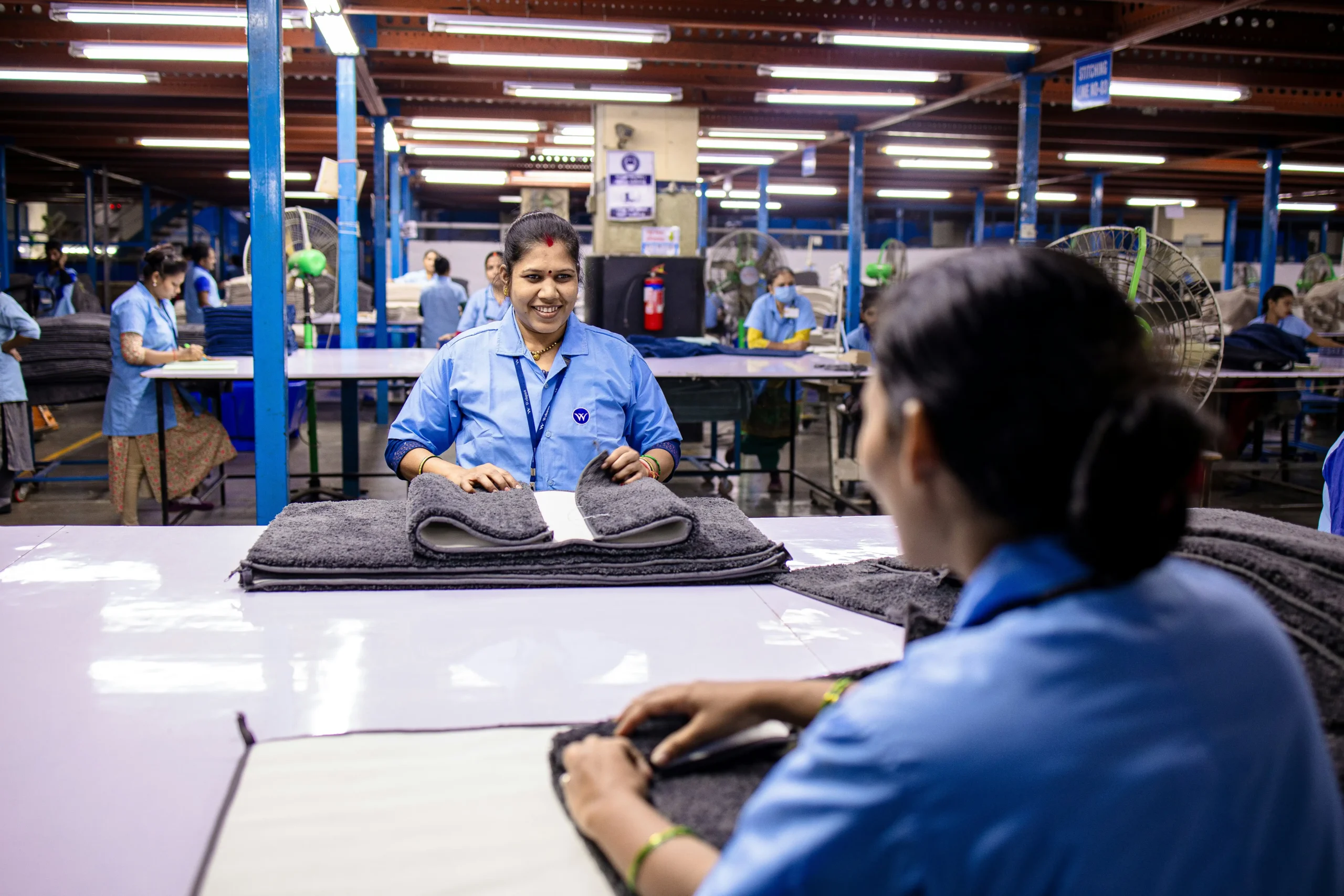
How Event Planners Can Embed Pre-Production QC in Their Sourcing Workflow
A documented sample sign-off beats any PDF proof.
Most event planners approve bag artwork via email and assume the factory will match it. That assumption cost a client 15% rework on handle stitching after a $50K order arrived with the logo perfectly aligned but the reinforcement bar 3mm off-spec. Digital proofs show layout; they don’t show stitch density, handle bar placement, or print opacity on an actual fabric surface. Embedding pre-production QC means forcing a physical sample, a wet-proof Pantone swatch, and a signed approval before a single production yard gets cut.
- Digital art approval with Pantone callout: Insist on a labeled Pantone code with ∆E ≤1.5 tolerance. A standard inkjet office print is not a color reference—request a lab print or wet-press proof on the actual substrate. In our workflow, skipping this step once allowed print density to drift, detected only after 20% of the run; stopping saved $3,100 in potential scrap.
- Physical cut-and-sew sample sign-off: Demand one finished physical sample with ALL branding, handles, and gusset details. Check stitch count per inch (minimum 8–9 SPI on tote bag stress points), handle attachment bar tacking, and side-seam alignment. Our internal data shows physical samples catch structural defects that art proofs miss—one sample prevented 15% rework on a 5,000-unit order.
- Date-stamped approval document: Move from casual email exchanges to a formal sign-off sheet with date, version, and client signature. We cut review cycle time by 40% after implementing this. No more “I thought I approved version 2 but you produced version 3” confusion.
- Inline QC checkpoint at 20% production: Require the factory to pull ten random pieces at 20% completion and send close-up photos of critical control points: logo registration, handle stitching, bottom seam alignment. Catching a drift here keeps 80% of the order clean.
- Final AQL 2.5 inspection on finished goods: Specify AQL 2.5, Level II. This standard permits up to 4.0% major defects for promotional items, but set an internal target ≤1.0%. On the referenced order, final inspection yielded 1.2%—well under the industry average of 5% for promotional totes.
This framework works regardless of supplier. If a factory refuses to provide a signed physical sample or claims their “digital proof is good enough,” find a different partner. The cost of skipping these steps is not just a few defective bags—it’s the brand damage from a CMO walking through a conference hall and seeing crooked logos. In the case discussed, embedding pre-production QC turned a potential launch disaster into a zero-issue event, with delivery on time and every bag meeting the ∆E ≤1.5 threshold.
Conclusion
Questions fréquemment posées
What should I check on a custom tote bag pre-production sample?
Check stitch tension, handle bar tack strength, fabric weight, and print placement against your artwork. A pre-production sample reveals how the factory interprets your spec before bulk starts. Only a physical sample confirms what bulk goods will actually feel like.
How long does a pre-production tote bag sample take?
A standard tote bag sample typically takes 5–7 business days after artwork approval, depending on fabric stock and print complexity. Custom hardware or new tooling can add an additional week. Lock artwork first, then confirm the exact timeline.
Can digital proofs replace a physical sample for event tote bags?
No. A physical sample catches stitch misalignment, fabric hand feel, and ink adhesion issues that a digital proof cannot reveal. Always request a cut-and-sew sample before approving bulk.
What is AQL 2.5 inspection for promotional bags?
AQL 2.5 is an acceptance sampling standard that allows a predefined number of major defects in the inspected batch, based on lot size tables. For promotional tote bags, it balances cost control. Agree on defect classification and sample size before inspection starts.
How do I prevent logo misalignment on event swag bags?
Set a physical sample as the alignment benchmark, then run inline spot checks during the print run. For large orders, specify a tolerance range in your artwork file. Codify your alignment tolerance in the spec sheet and verify on the first-off sample.

0 commentaires