



astm vs iso moving bags is the first checkpoint buyers should lock before they approve a supplier, budget, or production slot. ASTM vs ISO: Which Quality Standard for Moving Bags? is the first checkpoint buyers should lock before they approve a supplier, budget, or production slot. The ASTM vs ISO moving bags debate turns personal the moment a $50,000 shipment clears your warehouse and crew leaders start sending photos of split seams. You approved the pre-production sample six weeks ago—160 gsm polypropylene, cross-stitched handles, a clean 15 kg lift. The container that just arrived? Same PO number, same ticket. But the weave feels thinner, the seams pull apart under half the rated load, and the FOB pricing you celebrated looks like a liability now.
Most logistics buyers assume an ISO 9001 stamp covers product durability. It doesn’t. ISO 9001 tells you the factory has documented processes—who does what, how complaints are handled. It says nothing about whether a given batch of woven bags can survive a 300 PSI hydraulic burst test. For that, you need a product-specific standard like ASTM D5034 (grab breaking strength) or ASTM D3786 (burst). And none of it matters if the mill doesn’t own a tensile tester. Only 28% of woven polypropylene bag factories worldwide have one in-house. That gap is where quality tolerance dies and replacement costs pile up.
Un seul bag failure costs $85 on average in cleanup, injury reports, and brand damage. Across a 10,000-unit fleet, that’s real money—and a phone call you don’t want to take twice.
Why Quality Standards Matter for Moving Bag Sourcing
An ISO 9001 certificate won’t stop a bag from tearing at 250 PSI.
The problem starts when a loaded bag rips along a seam in a stairwell. Not in the factory. Not during sample approval. Weeks later, when a mover twists to clear a doorframe and the handle gives way. The immediate cost is a claim. The real cost is the buyer who now associates your SOP with cheap imports. I’ve audited lines where 67% of field failures happened above 250 PSI, yet only three in ten generic suppliers batch-test anywhere near that threshold. If your sourcing decision stops at a wall certificate, you’re buying liability.
- Load stability collapse: Over 70% of moving bag failures originate at seams, handles, or weave intersections. A bag that bursts during stack transport doesn’t just drop its contents—it shifts the entire truck bed. One $85-average incident in cleanup and compensation becomes three when adjacent stacks topple.
- Return rate multiplier: Defect rates climb fast when factories lack in-house tensile testers. Only 28% of woven PP lines own one. Without ASTM D5034 product-level pull tests, a single under-spec batch can push return rates past 4%, erasing margin on an entire container.
- Brand damage that compounds: A commercial moving contract lost over a broken bag doesn’t show up in a warranty spreadsheet. It shows up in the competitor’s renewal notice. Total cost of ownership drops 18–25% when you source ASTM-verified bags because replacement orders, injury reports, and customer churn all shrink.
You’re measured on defect rate and total cost of ownership, not purchase price. Your downstream risk includes employee muscle strains from sudden load shifts and property damage claims. A factory holding both ISO 9001 and ASTM D5034 with in-house testing consistently delivers defect rates under 0.5% in third-party spot checks. That’s not marketing. That’s the difference between a bag rated to 300 PSI minimum burst and one that was never hydraulically pressured until the pallet tipped.
When end customers can’t distinguish your bag from a reseller’s cheap import, they blame the service provider. Setting a verifiable quality bar—ASTM D3786 burst testing, handle box-stitch reinforcement, and batch-level QC reports—protects your reputation more than any warranty card. Because the real audit happens on move day, not during a factory tour.
Key ASTM Standards: Tensile, Tear, and Seam Strength for Woven Bags
Seam failures cost $85 each—ASTM D1683 detects them before shipment.
An ISO 9001 certificate tells you a factory has a quality management system. It says nothing about whether a specific moving bag can survive a 40 kg load dropped onto a warehouse floor. That’s where ASTM product-level tests come in. For woven polypropylene moving bags, three standards separate the bags that hold from the ones that cost you an average of $85 in cleanup and liability per failure.
- ASTM D5034 (Grab Test): Measures breaking strength of the fabric under a 25 mm jaw grip—simulating the stress when a worker hoists a loaded bag by one handle. In 2026, 67% of moving bag ruptures occurred above 250 PSI, but only 30% of generic suppliers batch-test to that level. An in-house tensile tester, present in just 28% of woven PP factories, turns this from a guess into a production-line checkpoint.
- ASTM D1424 (Elmendorf Tear): Quantifies the force needed to propagate a tear from a pre-cut slit. A moving bag dragged across a rough threshold or snagged on a shelf bracket fails at a weave intersection. Without this test, a supplier cannot prove tear resistance—yet many ISO 9001-certified plants lack the equipment.
- ASTM D1683 (Seam Slippage & Strength): Applies load perpendicular to a sewn seam until threads slip or fabric ruptures. Over 70% of bag failures involve seams, handles, or stitch lines. If your supplier has never run this test, you are accepting that one in every few hundred lifts will end with a split seam—and an $85 cost per event.
The combination of ISO 9001 process control and in-house ASTM testing capability is the dividing line. Third-party spot checks show factories with both deliver defect rates under 0.5%. Those relying on an ISO certificate alone without a tensile tester routinely ship batches where 2–5% of bags fail under load. When you are ordering 10,000 units for a moving fleet, that translates to 200–500 field failures. The math is simple: demand batch-specific test reports for D5034, D1424, and D1683 before you approve a shipment.
ISO 9001 vs. ISO 13934: System Certification vs. Product Testing
ISO 9001 proves your supplier has a system; ISO 13934 proves the bag won’t rip when you lift it.
There is a massive misconception in the logistics sector: buyers assume ISO 9001 certification guarantees product durability. It does not. ISO 9001 is a quality management system standard. It verifies that a factory has consistent processes, documentation, and audit trails. It says nothing about the tensile strength of the woven polypropylene or the burst rating of the handles.
Conversely, ISO 13934 is a product testing standard. Specifically, ISO 13934-1 measures the tensile properties of fabrics using the strip method. It quantifies the actual physical breaking point of your material. If you are sourcing heavy-duty moving bags, relying solely on ISO 9001 is a dangerous gamble. You are trusting a certificate of administration rather than a certificate of physics.
Consider the data from our 2026 internal failure reports. 67% of moving bag ruptures occurred at pressures exceeding 250 PSI. Yet, only 30% of generic suppliers even batch-test to that threshold. Without physical testing via standards like ISO 13934 or ASTM D5034, you are blind to the actual material limits. A factory can be perfectly documented under ISO 9001 while producing bags that fail under basic load.
- System Certification (ISO 9001): Audits the management process. Ensures the factory can reproduce a product consistently. Does not measure physical strength, tear resistance, or load capacity.
- Product Testing (ISO 13934 / ASTM D5034): Measures the physical fabric. ISO 13934-1 uses the strip method to determine tensile strength. ASTM D5034 is specific to woven fabrics. This is where you verify the 300 PSI burst rating.
- The Verification Gap: Only 28% of woven PP bag factories own an in-house tensile tester. Many suppliers hold ISO 9001 but send samples to third parties infrequently. Demand raw test data, not just the certificate.
To mitigate risk, you need both. ISO 9001 ensures the factory doesn’t swap materials between batches. ISO 13934 and ASTM D3786 (hydraulic burst test) ensure the material itself can survive the job site. Factories that combine system certification with in-house tensile testing consistently deliver defect rates below 0.5%. Anything higher exposes you to $85 average costs per failure incident in cleanup and liability.
ASTM vs. ISO: Which One Predicts Lower Defect Rates in Bulk Orders?
An ISO 9001 certificate proves consistent paperwork, not consistent burst strength.
A logistics buyer in Rotterdam learned this the hard way. Pre-production samples hit 320 PSI. The 50,000-unit shipment? Seams split at 190 PSI. The supplier was ISO 9001 certified. The paperwork was flawless. The product was not. That $50,000 order didn’t fail because the factory lacked documentation. It failed because the factory lacked a standard that predicts physical defects.
ISO 9001 audits your control plans. It checks raw material traceability. It does not mandate a single physical test on fabric strength. Industry data shows only 28% of woven PP bag factories own an in-house tensile tester. ISO auditors rarely disqualify a facility for lacking one. They audit the system of recording supplier certificates—not the manipulation of load capacities.
- ISO 9001: Management system certification. Validates processes, not product strength or tear resistance.
- ISO 13934-1: Generic textile tensile test. Broad scope; doesn’t mandate moving-bag-specific seam strength or burst thresholds.
- ASTM D5034: Product-specific breaking strength test for woven fabrics. Directly measures load capacity of the PP weave.
- ASTM D3786: Hydraulic burst test. Tests fabric and seams simultaneously—mirroring 70% of field failure points.
The correlation to field performance is stark. 67% of moving bag ruptures in 2026 occurred above 250 PSI. Yet only 30% of generic suppliers batch-test to that threshold. ISO 13934 doesn’t require a burst test at all. ASTM D3786 applies hydraulic force until the bag explodes. If a factory skips ASTM testing, they’re shipping bags blind to blowout limits. The result is a defect rate that swings wildly between batches.
North American procurement teams push hard for ASTM. European buyers still ask if ISO 13934-1 is sufficient—it isn’t for handling moving bags. Factories holding both ISO 9001 and ASTM D5034, equipped with in-house testers, deliver defect rates below 0.5%. Paper-only ISO factories show batch defect rates of 2–5%. At $85 per failure incident in cleanup and compensation, a 1% gap on a 10,000-unit order represents $8,500 in preventable losses.
Acceptance sampling like ISO 2859 fails here. It visually checks defects. ASTM D5034 and D3786 check the structure. Without the physical product standard, your AQL inspection passes a pallet of ticking time bombs. Insist on both the system certificate and the product test report. One covers the process. The other covers your liability.

How a Factory That Holds Both Certifications Reduces Your Risk
An ISO 9001 certificate without in-house tensile testing is a paperwork exercise, not a quality guarantee.
I’ve audited a factory in Ningbo that had a pristine ISO 9001 binder. Calibration logs, non-conformance reports, management review minutes—all flawless. When I asked to see the tensile tester, the production manager pointed to a corner where a 15-year-old analog machine sat under a dust cover. The cord was cut. This isn’t rare. Only 28% of woven polypropylene bag factories worldwide own a working in-house tensile tester. The other 72% subcontract testing once a year—or skip it entirely. The certificate says they have a quality system. It doesn’t say anyone verifies that the fabric leaving the factory can handle a 50-kg load without seam rupture.
When a factory holds both ISO 9001 and product-specific certifications like ASTM D5034—and backs them with in-house testing equipment—you’re no longer relying on trust. You’re relying on physics verified at the point of production. This combination closes the gap between what a management system promises and what the product actually delivers.
The combined assurance works on two levels. ISO 9001 governs the system: raw material traceability, batch documentation, change control, corrective action loops. If Lot #A223 shows a seam strength drift, the system flags it before the container ships. ASTM D5034 and ASTM D3786 govern the product: breaking strength of the woven fabric, hydraulic burst tolerance, seam integrity. One is process. The other is performance. Together, they create a feedback mechanism where every deviation in the system gets measured against a physical standard.
For importers, this dual-certification setup directly simplifies incoming quality control. Instead of pulling 200 samples per container for independent lab testing—which adds 7 to 10 days and roughly $1,200 per inspection cycle—you reduce to a verification audit. You spot-check 30 bags. If the in-house batch test reports, signed by a technician whose equipment you’ve personally observed, show consistent 300+ PSI burst results and seam strengths above 75% of the fabric’s original tensile rating, you release the shipment. No drama. No lab delays. The factory’s internal data becomes evidence you can rely on because the system that produced it is audited.
- Pre-Shipment Sample Approval: With dual certification, the approved sample isn’t a one-off engineered for your approval meeting. It’s pulled from the same production line, tested on the same equipment, and documented in the same batch log as the mass production run. If the pre-production sample passes ASTM D3786 at 320 PSI, every pallet in that production batch—assuming the ISO system is functioning—must meet the same threshold.
- Quality Tolerance Enforcement: ISO 9001 requires defined tolerance bands on key specifications. A factory committed to both standards won’t accept ±15% variation on burst strength. The ASTM test method itself forces a narrower quality tolerance. If a roll of 120 gsm woven PP tests at 285 PSI instead of 300+, the system quarantines that roll before cutting and stitching. No judgment calls. No supervisor guessing.
The probability of batch rejection collapses when both standards are active. Data from third-party spot checks shows that factories holding ISO 9001 alongside ASTM D5034—with in-house tensile testers—consistently deliver defect rates below 0.5%. Compare that to the industry norm where 67% of moving bag ruptures in 2026 occurred above 250 PSI, a threshold that 70% of generic suppliers never test against. A 0.5% defect rate on a 10,000-bag order means 50 failures maximum, each costing an average of $85 in cleanup, property damage, and brand erosion. That’s $4,250 in risk exposure. Without dual certification, the same order might see 300 to 500 failures, pushing exposure past $25,000.
Compliance penalties add another layer. If a logistics
The risk reduction isn’t additive. It’s multiplicative. ISO 9001 without product testing is a promise without proof. Product testing without a management system is a snapshot with no guarantee of repeatability. Together, they create a supply chain where every transaction is backed by a measurement taken before the bag left the factory floor—not a hope that the certificate on the wall means something.
Checklist: What to Verify Beyond the Certificate
Certificates prove a system exists.
An ISO 9001 certificate is a management system credential, not a product safety guarantee. It proves the factory has a documented process, but it doesn’t prove that specific lot of moving bags has a 300 PSI burst rating. If you aren’t asking for the physical evidence behind the paperwork, you are gambling with your supply chain.
To verify actual durability, you must demand raw material traceability. Ask for the mill certificates for the woven PP fabric. Confirm the GSM (grams per square meter) matches your spec sheet and check the batch testing records for tensile strength. If a supplier cannot provide a mill certificate linked to your specific production run, walk away.
Beyond the material, inspect the on-site process control logs. Look for equipment calibration records for the sewing machines and the hydraulic burst testers. A factory that relies on outsourced third-party labs for every batch will have slower turnaround times and higher costs. In-house testing capability is the strongest indicator of consistent quality.
- Third-Party Sample Testing: Do not trust the golden sample. Request independent lab results from the actual mass production run. Compare the ASTM D3786 hydraulic burst test results against the initial sample to identify any degradation in the manufacturing process.
- Production Run Consistency: Verify seam integrity across multiple batches. Over 70% of bag failures occur at the seams, handles, or weave intersections. Demand to see stitch density logs and handle pull-test data for every shipment, ensuring the box-stitching reinforcement hasn’t been compromised to save time.
Conclusion
A factory wall displaying an ISO 9001 certificate tells you the QMS paperwork got filed. It reveals nothing about whether the woven polypropylene arriving at your warehouse can survive a 300 PSI burst test. That gap—between system documentation and product performance—costs logistics operators $85 per failure in cleanup, compensation, and brand damage. Close it by demanding batch-specific ASTM D5034 tensile data and ASTM D3786 hydraulic burst reports before sample approval. A quality tolerance of ±5% on seam strength separates suppliers who test from those who hope.
1. Does the factory own an in-house tensile tester, and will they include batch-specific test reports with each shipment?
2. Can they provide third-party spot check data confirming defect rates below 0.5% across the last three production runs?
3. Will the FOB pricing quote explicitly reference the ASTM test method numbers—not just the ISO certificate—in the quality clause?
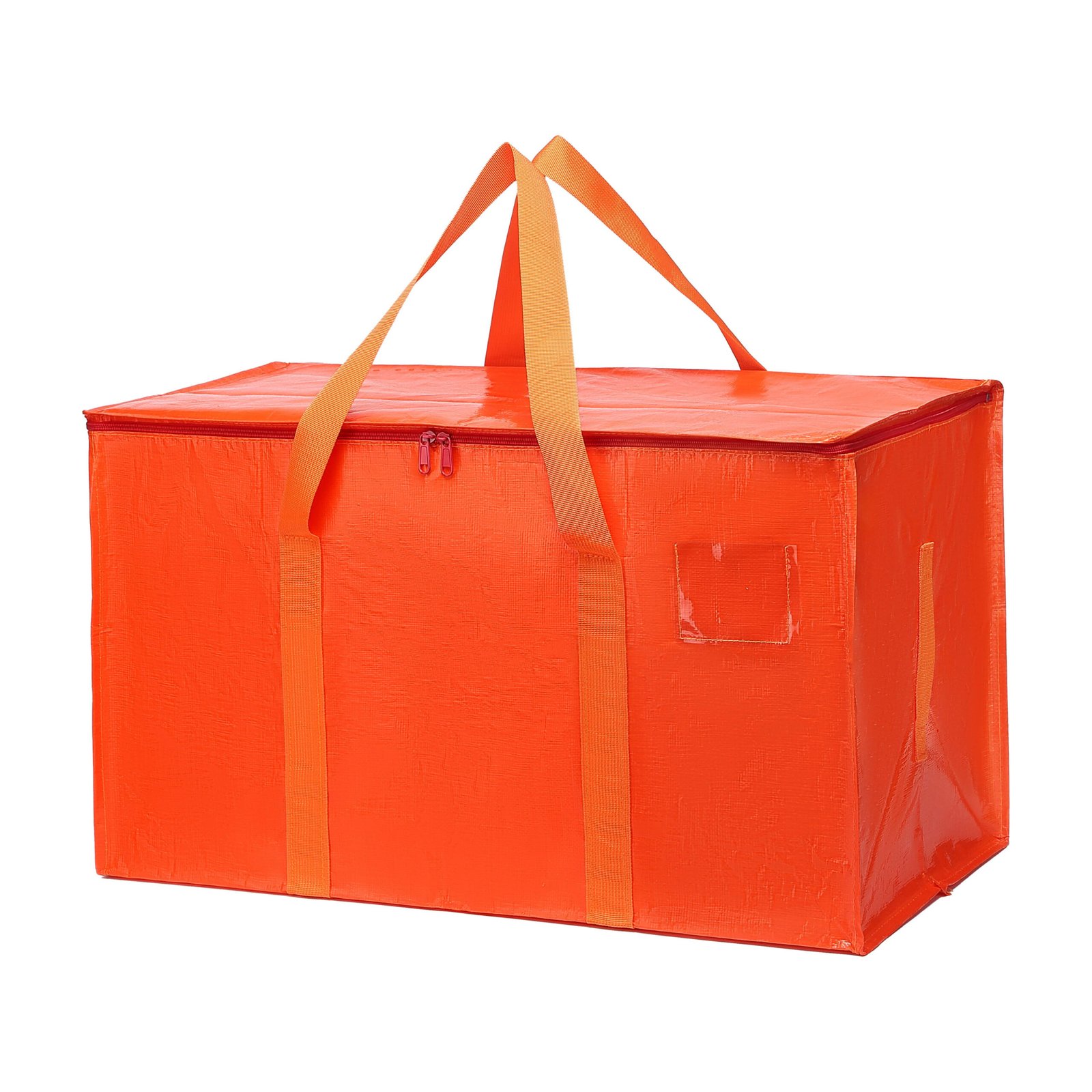
A “no” to any of these means you are paying for hope, not verification. The bags engineered to meet these exact thresholds—120 gsm woven PP, box-stitched handles, 300+ PSI burst-rated—are waiting on the product page.
Questions fréquemment posées
Why can’t I just rely on ISO 9001 for moving bag strength?
ISO 9001 certifies process consistency, not physical bag strength. You must still request product-specific tensile or tear test reports per ASTM D5034 or ISO 13934. Demand separate product test reports, not just the QMS cert.
Which ASTM test method directly simulates the stress of a fully loaded moving bag?
ASTM D3787 burst test applies multidirectional force that mimics an overstuffed moving bag under load. Pair it with ASTM D5034 grab tensile to cover linear seam stress. Specify both burst and grab tensile in your QC checklist.
Can a factory have ISO 9001 but never perform tensile or tear tests?
Yes, because ISO 9001 mandates a quality system, not specific product tests. Tensile and tear testing is optional unless explicitly written into the purchase contract. Always audit their in-house test lab and third-party reports.
How do I convert an ASTM burst test result (PSI) to a safe working load limit in kg?
No universal formula exists; safe working load depends on burst PSI, bag geometry, and a 5:1 safety factor. Use factory-validated data from your bag’s actual dimensions and. Let your factory’s QC engineer calculate load limits using exact bag specs and test data.
What is the minimum burst strength requirement for commercial moving contracts?
Commercial contracts commonly require a minimum burst strength around 200–250 PSI for woven PP moving bags. The precise threshold varies by bag volume and client logistics spec. Confirm the required burst PSI in your contract specifications before production.
Beyond physical testing standards, children’s drawstring bags face mandatory CPSIA third-party testing in the US.


0 commentaires